









The Art of Making Italian Risotto: a Step-by-step Guide
 March 2, 2026
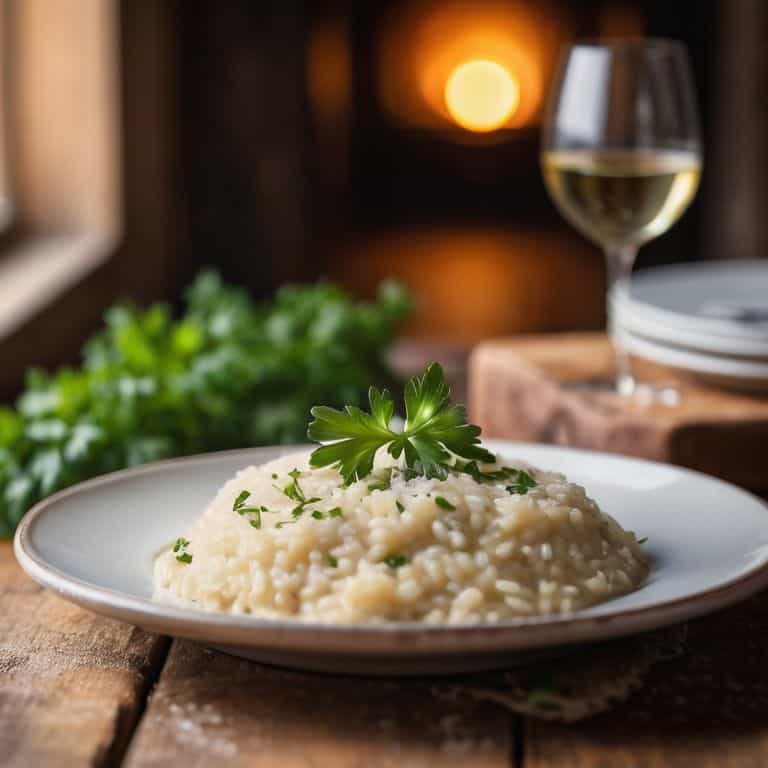
As I sit here, surrounded by the vintage kitchen utensils I’ve collected over the years, I’m reminded of the countless Sundays I spent watching my nonna cook up a storm in our small Italian town. She’d always make a big pot of Italian Risotto, and the aroma would fill the entire house, making everyone’s stomach growl with anticipation. But despite its popularity, I’ve found that many people struggle to recreate this dish at home, often falling victim to the myth that it’s a complicated, time-consuming process. The truth is, with a few simple tips and tricks, you can create a creamy, flavorful Italian Risotto that’s sure to become a family favorite.
In this article, I promise to share my honest, experience-based advice on how to make a delicious Italian Risotto. I’ll take you through the step-by-step process of selecting the right ingredients, preparing the broth, and cooking the rice to perfection. Whether you’re a seasoned chef or a beginner in the kitchen, my goal is to provide you with the confidence and skills to create a mouth-watering Italian Risotto that will transport you back to the sun-kissed hills of Italy. So, let’s get started on this culinary journey, and I’ll show you that with a little patience and practice, you can become a risotto master, just like my nonna taught me.
Table of Contents
Recipe Details
Ingredients
- 1 cup Arborio rice (specifically for risotto)
- 4 cups vegetable or chicken broth (warm)
- 2 tablespoons olive oil
- 1 small onion, finely chopped
- 2 cloves garlic, minced
- 1 cup white wine (optional)
- 1 cup grated Parmesan cheese (freshly grated)
- 2 tablespoons butter
- Salt and pepper to taste
- Fresh parsley, chopped for garnish
Tools & Supplies
- Large saucepan
- Heavy-bottomed pot or Dutch oven
- Wooden spoon
- Measuring cups and spoons
- Cheese grater
- Cutting board
Recipe Instructions
Step 1
First, let’s start by preparing the ingredients, just as Nonna used to do. We’ll need Arborio rice, which is the heart of a traditional Italian risotto. I remember my nonna saying that the quality of the rice can make or break the dish, so choose a good one. Rinse the rice in cold water and let it drain well, this will help remove any excess starch and give our risotto a creamy texture.
Step 2
Next, heat some extra virgin olive oil in a large, heavy-bottomed pot over medium heat. Yes, you read that right, a pot, not a pan – we want to be able to stir constantly without worrying about the rice sticking. Add a small onion, finely chopped, and sauté until it’s translucent and fragrant, stirring occasionally. This is where the magic begins, and the aroma of sautéed onions will transport you straight to the Tuscan countryside.
Step 3
Now it’s time to add the Arborio rice to the pot, stirring to coat the rice in oil and mix with the onions. Cook for about 1-2 minutes, until the rice is slightly toasted and smells nutty. This step is crucial, as it helps to bring out the natural sweetness of the rice and gives our risotto a rich flavor profile.
Step 4
Pour in a glass of white wine, and cook until the liquid is almost completely absorbed, stirring constantly. Don’t worry, the alcohol will evaporate, leaving behind a deep, fruity flavor that complements the rice perfectly. This is where the story of our risotto starts to unfold, with each stir of the spoon weaving a tale of love, family, and tradition.
Step 5
Next, we’ll start adding the hot chicken broth, one ladle at a time, stirring continuously and allowing each portion to absorb before adding the next. This process can take about 20-25 minutes, but trust me, it’s worth it. As we stir and wait, the rice will start to release its starch, creating a creamy texture that’s just heavenly. Season with salt and pepper to taste, and don’t be afraid to add a bit of grated Parmesan cheese to enhance the flavor.
Step 6
As we near the end of our journey, it’s time to add some freshly grated Parmesan cheese and a pat of unsalted butter to the risotto. Stir until the cheese is melted and the butter is fully incorporated, creating a smooth, velvety texture that’s simply divine. This is the moment when all the flavors come together, and our Italian risotto is finally ready to be devoured.
Step 7
Finally, remove the pot from the heat, and let the risotto rest for a minute or two. This will allow the flavors to settle, and the rice to absorb any remaining liquid. Serve immediately, garnished with some fresh parsley and a sprinkle of Parmesan cheese, and get ready to taste the authentic flavors of Italy in every bite. Buon appetito, my friends!
Exploring Italian Risotto
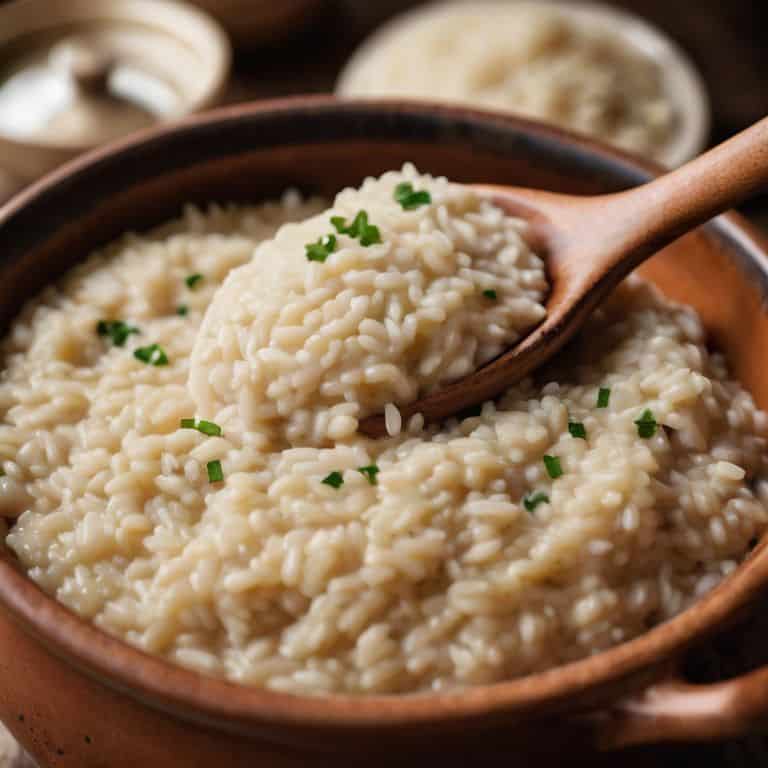
As I delve deeper into the world of creamy, slow-cooked goodness, I find myself fascinated by the arborio rice selection process. You see, the type of rice used can make all the difference in the final dish. My nonna used to say that the key to a perfect risotto lies in the rice’s ability to absorb flavors without becoming mushy. I’ve also experimented with white wine reduction techniques, which add a depth of flavor that’s simply divine. By reducing the wine slowly, you can create a rich, velvety sauce that coats the rice perfectly.
When it comes to variations, I’m particularly fond of mushroom risotto variations. The earthy flavor of mushrooms pairs beautifully with the creaminess of the rice. And let’s not forget the importance of parmesan cheese pairing – a good parmesan can elevate the dish to new heights. I’ve found that a mix of young and aged parmesan creates a nice balance of flavors.
In my travels, I’ve noticed that there are distinct italian risotto regional differences. From the creamy risottos of the north to the lighter, more brothy versions of the south, each region has its own unique twist. By understanding these differences, you can create a dish that’s truly authentic and delicious. Whether you’re a seasoned chef or a beginner, mastering the art of risotto is all about experimentation and patience – and trust me, it’s worth the wait.
Mastering White Wine Reduction Techniques
As I stand at my stovetop, reminiscent of my nonna’s kitchen, I carefully pour a glass of white wine into the sizzling pan, watching it simmer down into a rich, velvety reduction. This technique, passed down through generations of Italian cooks, is an art form that elevates the humble risotto to new heights. I recall the countless afternoons spent in local vineyards, learning about the nuances of Italian whites and how they harmonize with the creamy Arborio rice.
With a gentle stir, the wine’s acidity awakens the dish, balancing the richness of the risotto. It’s a delicate dance, one that requires patience and a deep understanding of the ingredients. As the liquid reduces, the flavors concentrate, and the aroma wafts up, transporting me back to my childhood, surrounded by the love and warmth of my nonna’s kitchen.
Uncovering Arborio Rice Secrets
As I delve into the world of Italian risotto, my mind wanders to the humble hero behind this beloved dish: Arborio rice. This short-grained variety is the backbone of a traditional risotto, and its unique characteristics make it perfectly suited for absorbing the rich flavors of the broth. I recall my nonna’s words of wisdom, “Il riso è il re” – the rice is king – and how she would carefully select the finest Arborio for her signature risottos.
The secret to Arborio’s success lies in its high starch content, which gives risotto its signature creaminess. As I experiment with different recipes, I’m constantly amazed by the versatility of this rice, and how it can elevate even the simplest of ingredients into a culinary masterpiece. Whether I’m adding a sprinkle of parmesan or a drizzle of truffle oil, Arborio rice remains the constant that brings everything together.
Weaving Magic into Every Bite: 5 Essential Tips for Crafting Authentic Italian Risotto
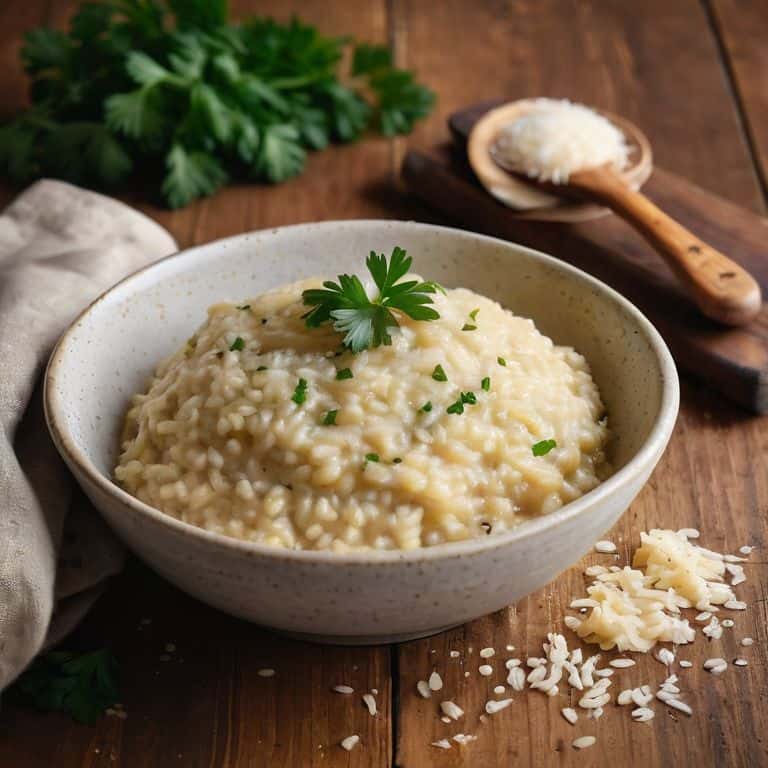
- Choose the right rice, as it’s the backbone of a great risotto – I always look for high-quality Arborio or Carnaroli rice, just like Nonna used to use
- Create a rich and flavorful broth, as it’s what sets a truly exceptional risotto apart from a good one – I like to simmer mine for hours with vegetables and a bit of Parmesan rind
- Don’t overcomplicate the soffritto, but make sure it’s cooked to perfection – a mix of sautéed onions, garlic, and sometimes celery, it’s the foundation of a deep, satisfying flavor
- Stir, stir, stir – it’s a labor of love, but constant stirring is what gives risotto its creamy texture, so put on some good music and get comfortable
- Finish with flair, whether it’s a drizzle of extra virgin olive oil, a sprinkle of freshly grated Parmesan, or a few fresh herbs – the final touches can elevate your risotto from delicious to unforgettable
Treasured Lessons from the Risotto Journey
As I sit here, surrounded by the vintage kitchen utensils that have become my treasured companions, I am reminded that the true essence of Italian risotto lies not just in its creamy texture or the subtle dance of flavors, but in the stories and traditions it carries – a testament to the power of food to transcend time and borders.
Through the lens of Arborio rice and the delicate art of white wine reduction, we uncover the intricate web of secrets and techniques that elevate this humble dish into a masterpiece of Italian cuisine, each component a brushstroke on the canvas of culinary history.
In the end, it is not merely a recipe that we have explored, but a cultural tapestry woven from threads of love, family, and heritage – a reminder that every dish tells a story, and every story deserves to be told, savored, and passed on, much like the antique utensils I lovingly restore, each one a keeper of memories and a whisperer of tales.
A Taste of Tradition
Italian risotto is more than a dish, it’s a testament to the patience and love of those who came before us, a culinary legacy that weaves together the threads of family, culture, and community with each delicate stir of the spoon.
Marco Bianchi
Embracing the Essence of Italian Risotto
As I reflect on our journey through the world of Italian risotto, I’m reminded of the importance of tradition and the role it plays in shaping our culinary identity. From the secrets of Arborio rice to the art of mastering white wine reduction techniques, each element contributes to a dish that’s greater than the sum of its parts. It’s a testament to the power of culinary storytelling, where every ingredient and method holds a story and a history that transcends the plate. By embracing these traditions and techniques, we not only honor our heritage but also create a sense of connection with those who have cooked before us.
As we conclude this chapter on Italian risotto, I hope you’re inspired to embark on your own gastronomic adventures, exploring the rich landscapes of global cuisine with curiosity and passion. Remember, the true magic of cooking lies not just in the recipes we follow, but in the love and stories we infuse into every dish, making each meal a celebration of our shared humanity and the memories we create around the table.
Frequently Asked Questions
What are some traditional Italian pairings for risotto that can elevate its flavor profile?
In my nonna’s kitchen, risotto was always paired with timeless Italian classics – a drizzle of truffle oil, a sprinkle of Parmigiano-Reggiano, or a side of osso buco. These traditional combinations elevate the creamy texture and flavor of risotto, transporting you to the Tuscan countryside with each bite.
Can I substitute Arborio rice with other types of rice for a similar creamy texture in risotto?
While I’ve experimented with various rices, I must confess that Arborio’s unique starches are hard to replicate. That being said, Carnaroli and Vialone Nano come close, but you may need to adjust liquid ratios and cooking times to achieve that creamy texture I adore in a traditional Italian risotto.
How do I achieve the perfect balance of white wine reduction and broth in my Italian risotto recipe?
The harmony of white wine and broth in risotto – it’s all about feel, my friend. I like to think of it as a gentle waltz between the two. Start with a rich white wine reduction, then slowly introduce the broth, ladle by ladle, allowing each spoonful to be fully absorbed, until you reach that perfect creamy balance.