









The Psychological Benefits of Family Traditions for Children
 April 29, 2026

As I sit amidst my urban garden, surrounded by the gentle hum of nature and the vibrant greens of my plants, I’m reminded of the countless times my grandmother would tell me stories of our family’s oldest traditions. She’d speak of how these moments brought us closer together, and how they’ve become the foundation of who I am today – a testament to the magic that happens when we pass down love, laughter, and legacy to our little ones, highlighting the family traditions benefits for children. But what I’ve come to realize is that it’s not just about the grand gestures or the expensive family vacations; it’s about the small, everyday moments that we often overlook.
In this article, I promise to share with you my honest and heartfelt experiences, and the lessons I’ve learned from my grandmother about the true value of family traditions. I’ll take you on a journey through the hidden gardens of our city, where love, laughter, and legacy are woven into the very fabric of our daily lives. I’ll show you how embracing simplicity and authenticity can be the key to creating lasting memories with your little ones, and how these moments can have a profound impact on their social and emotional development. So, join me as we explore the beauty of family traditions and uncover the secrets to raising happy, well-rounded children in the midst of our bustling city.
Table of Contents
Nurturing Young Hearts
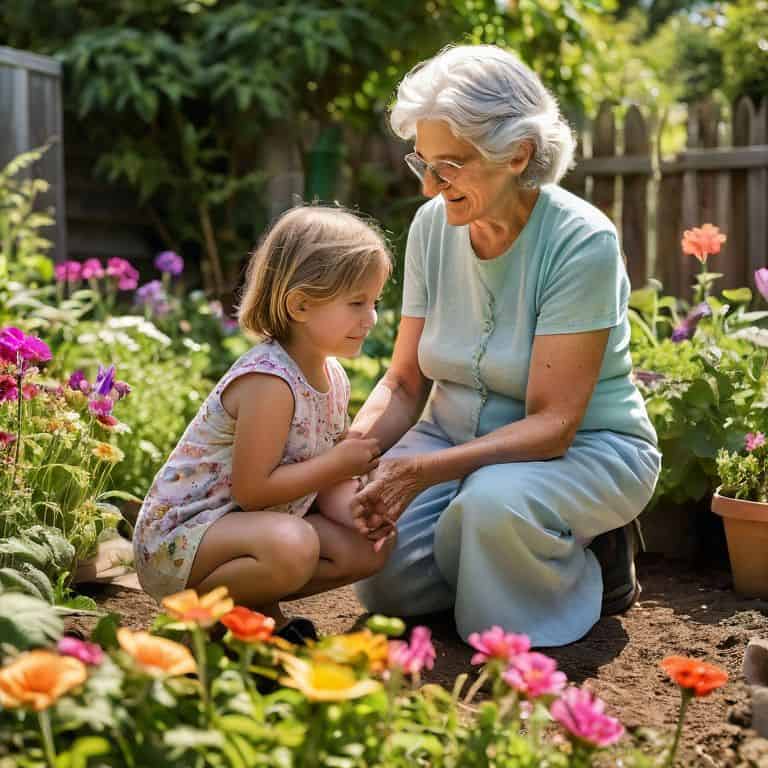
As I reflect on my own childhood, I realize the importance of family rituals in shaping my emotional intelligence. My grandmother would often take me to our community garden, where we’d tend to our plants and share stories of our ancestors. These moments not only taught me about our cultural heritage, but also helped me develop a sense of empathy and compassion. By participating in these activities, I learned to appreciate the value of nurturing emotional intelligence in young hearts.
In our urban jungle, it’s essential to create opportunities for family bonding activities that promote emotional growth. Simple actions like having a weekly dinner together or engaging in a hobby can have a profound impact on a child’s development. I recall my grandmother’s stories of our family’s history, which sparked my imagination and encouraged me to ask questions. This not only helped me understand our family values, but also fostered a sense of curiosity and wonder.
As an urban sketch artist, I’ve noticed how creating lasting memories with children can be as simple as taking a walk together and observing the beauty in our surroundings. By embracing these everyday moments, we can help our little ones develop a deeper appreciation for the world around them. By doing so, we can have a positive impact on youth, empowering them to grow into compassionate and thoughtful individuals.
Cultural Heritage Shaping Little Minds
As I reflect on my own childhood, I realize that our family traditions were deeply rooted in our cultural heritage. The stories my grandmother told, the food we cooked, and the celebrations we observed all played a significant role in shaping my identity. I see the same phenomenon in the children who visit the urban gardens I sketch – their eyes light up when they learn about the history and significance behind the plants and flowers.
In these hidden oases, I’ve witnessed kids developing a strong sense of community pride as they learn about their ancestors’ traditions and customs. It’s heartwarming to see them connect with their roots, and I believe this is essential for their emotional and social growth. By embracing their cultural heritage, children can develop a deeper understanding of themselves and their place in the world.
Sowing Seeds of Love Family Rituals
As I sit amidst my urban garden, surrounded by plants like Heathcliff the hearty succulent and Elizabeth the elegant fern, I’m reminded of the simple joys that family rituals bring. These moments, though small, have a profound impact on the little ones, teaching them about love, loyalty, and the importance of togetherness.
In our bustling city lives, it’s easy to overlook the beauty of everyday moments, but it’s precisely these quiet moments that shape our children’s understanding of the world. By embracing family traditions, we nurture their sense of belonging, allowing them to flourish like the tender shoots of a well-tended garden.
Family Traditions Benefits for Children
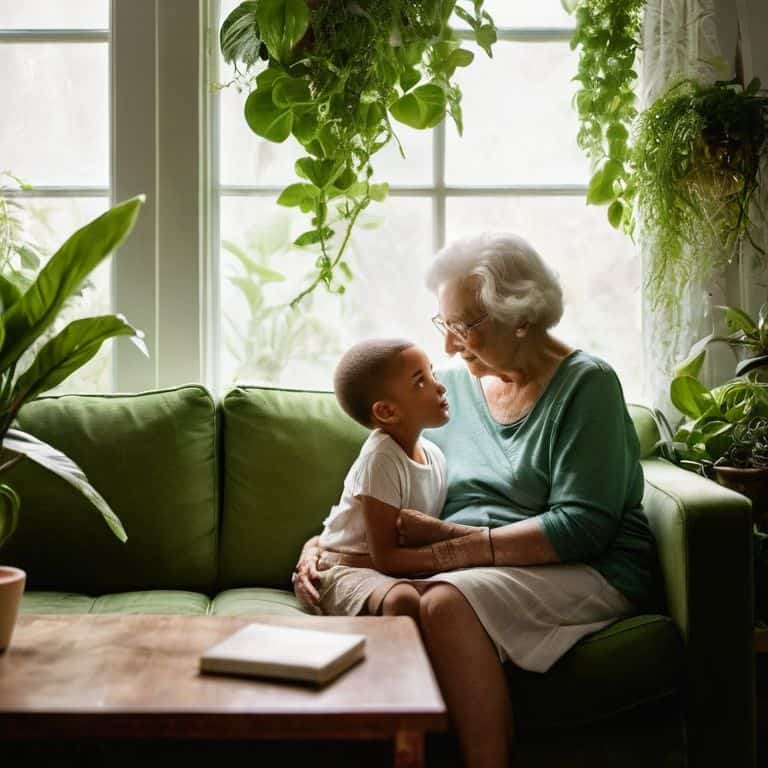
As I sit amidst my little urban oasis, surrounded by my houseplants – including my beloved Heathcliff the fern and Lizzy the peace lily – I’m reminded of the importance of family rituals in shaping young minds. My grandmother used to tell me stories of our family’s cultural heritage, and how it brought us closer together. These stories not only taught me about our history but also helped me develop a sense of belonging and identity.
In my experience, nurturing emotional intelligence through traditions is crucial for children’s development. By participating in family bonding activities, such as cooking traditional meals or celebrating cultural festivals, kids learn valuable skills like empathy and self-awareness. My own adventures in hidden urban gardens have taught me that even in the midst of concrete and steel, there is beauty to be found – and that’s a lesson I wish to pass on to the next generation.
As I reflect on my childhood, I realize that creating lasting memories with my family has had a positive impact on my life. Simple activities like having a weekly dinner together or going on a picnic in a nearby park can become treasured moments for children. By embracing these family values, we can help our kids develop a strong sense of self and a deeper connection with the world around them.
Bonding Over Values Lasting Memories
As I reflect on my own childhood, I realize that family traditions played a significant role in shaping my values and character. My grandmother would often take me to our community garden, where we’d spend hours tending to our plants and sharing stories. These moments not only brought us closer together but also taught me the importance of nurturing and caring for something beyond myself.
In the midst of our busy city lives, it’s easy to overlook the simple joys of bonding with our loved ones. However, by prioritizing quality time and creating lasting memories, we can strengthen our relationships and pass down valuable lessons to the next generation. I still cherish the memories of my grandmother’s stories, and I hope to create similar experiences for my own family one day, focusing on the beauty of everyday moments.
Emotional Intelligence Through Shared Moments
As I reflect on my childhood, I realize that family traditions played a significant role in shaping my emotional awareness. Sharing moments with my loved ones, like tending to our urban garden together, taught me the value of empathy and understanding. It was in these quiet, everyday moments that I learned to appreciate the beauty of connection and the impact it has on our emotional well-being.
In our busy city lives, it’s easy to overlook the importance of shared experiences in fostering emotional intelligence in children. However, as I look back on my own upbringing, I see how these moments helped me develop a deeper understanding of myself and those around me, much like my houseplant, Elizabeth Bennet, who thrives in the gentle morning light, reminding me of the beauty in gentle, loving care.
Weaving a Tapestry of Love: 5 Key Tips to Unlock the Power of Family Traditions for Children
- Cultivate a Sense of Belonging: Invite your little ones to participate in planning and executing family traditions, allowing them to feel a sense of ownership and belonging
- Storytelling as a Timeless Tradition: Share tales of your family’s history, cultural heritage, and values with your children, using storytelling as a powerful tool to pass down legacy and wisdom
- Make it a Sensory Experience: Incorporate sensory elements like music, art, and cuisine into your family traditions, creating a rich and immersive experience that will leave a lasting impression on your children
- Embrace Flexibility and Spontaneity: Don’t be afraid to adapt and evolve your family traditions as your children grow and change, allowing for spontaneity and flexibility to keep things fresh and exciting
- Document and Reflect: Take the time to document and reflect on your family traditions, using journals, photos, or videos to capture the memories and emotions, and to identify areas for growth and improvement
Sowing Seeds for Life: 3 Key Takeaways
I’ve learned from my grandmother’s garden that family traditions are the seeds that sprout into lasting bonds, emotional intelligence, and a deep sense of belonging, helping children navigate the complexities of life with grace and resilience
By embracing and passing down cultural heritage through stories, rituals, and simple moments of togetherness, we shape not just the minds of our little ones but also their hearts, teaching them the value of roots and wings
As I continue to explore the city’s hidden gardens and document their beauty, I’m reminded that just as these gardens thrive in unexpected places, family traditions can flourish in the most mundane moments, requiring only our presence, love, and a willingness to see the magic in everyday life
Passing Down Love and Legacy
As I reflect on my own childhood, I realize that family traditions are the tender shoots that weave our hearts together, nurturing a sense of belonging and identity in our little ones, and reminding us that the memories we create today will bloom into the stories of tomorrow.
Clara Mitchell
Weaving a Tapestry of Love and Tradition
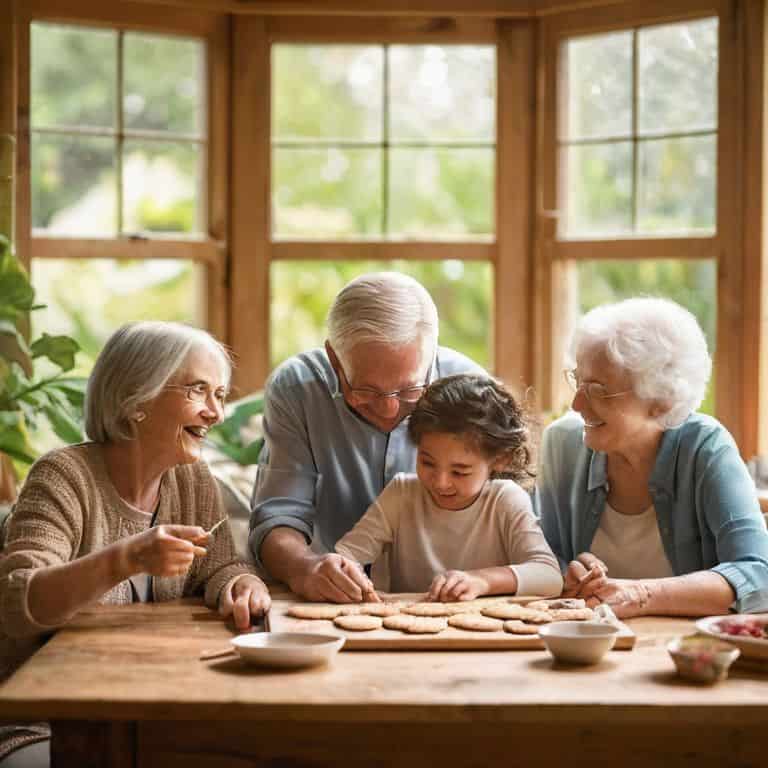
As I reflect on the journey of exploring family traditions and their benefits for children, I am reminded of the profound impact these shared moments have on young hearts. From sowing seeds of love through family rituals to shaping little minds with cultural heritage, and from emotional intelligence to bonding over values, it’s clear that these traditions are the threads that weave a rich tapestry of love, legacy, and belonging. By embracing and passing down these traditions, we not only nurture our children’s emotional and social development but also create a sense of continuity and connection to our past, present, and future.
As we conclude this exploration of family traditions and their benefits for children, I invite you to embark on your own journey of discovery, to cherish the small moments and to infuse your family’s story with love, laughter, and legacy. Remember, the true magic lies not in the grand gestures, but in the everyday, often overlooked moments we share with our little ones. So, let us continue to tend to our family gardens, to nourish our roots, and to watch our children bloom into compassionate, curious, and courageous individuals, deeply rooted in the love and traditions that have been passed down through generations.
Frequently Asked Questions
How can I incorporate my family's cultural heritage into our daily traditions to pass it down to my children?
I adore weaving cultural heritage into daily life! For me, it’s as simple as sharing stories of my grandmother’s gardening traditions while tending to my own urban garden with my kids, or cooking family recipes together on Sundays – it’s these small, meaningful moments that help pass down our legacy and create lasting memories.
What are some simple yet meaningful family rituals that can help my child develop emotional intelligence?
I adore sharing simple rituals that nurture young hearts! Having a weekly “gratitude garden” walk with your little one, where you both pick a flower or leaf and share something you’re thankful for, can be a lovely start. It’s amazing how such quiet moments can blossom into beautiful conversations about emotions and values.
How can I ensure that our family traditions are inclusive and respectful of all family members, regardless of their age or background?
To make our family traditions inclusive, I’ve learned to involve everyone in the planning process, listening to their stories and ideas, just as my grandmother did with me in her garden. By doing so, we weave a rich tapestry of perspectives, ensuring each member feels seen and valued, and our traditions become a beautiful reflection of our diverse family heritage.