









Sustainable Gardening: Eco-friendly Practices for Your Home
 May 18, 2025
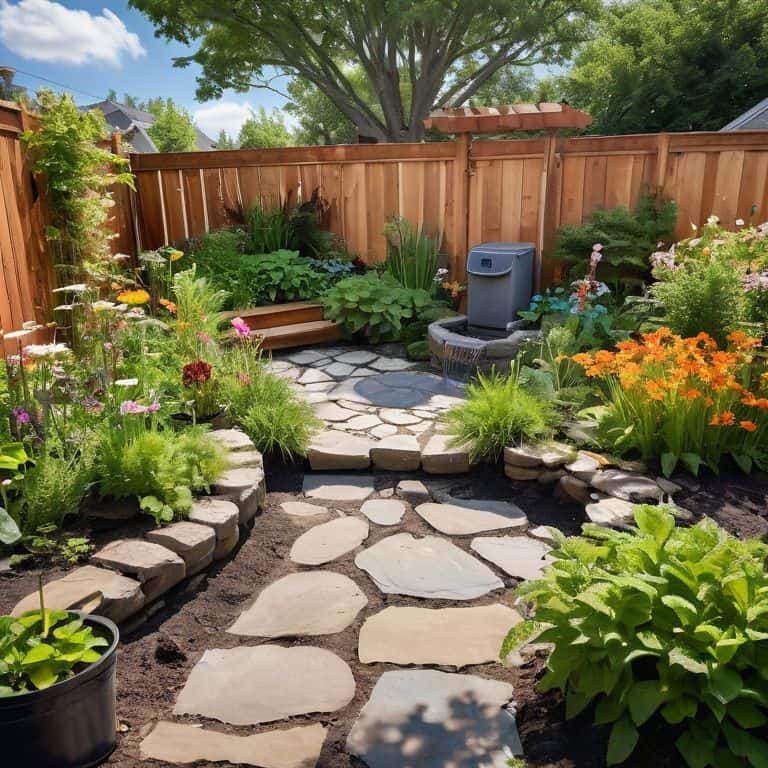
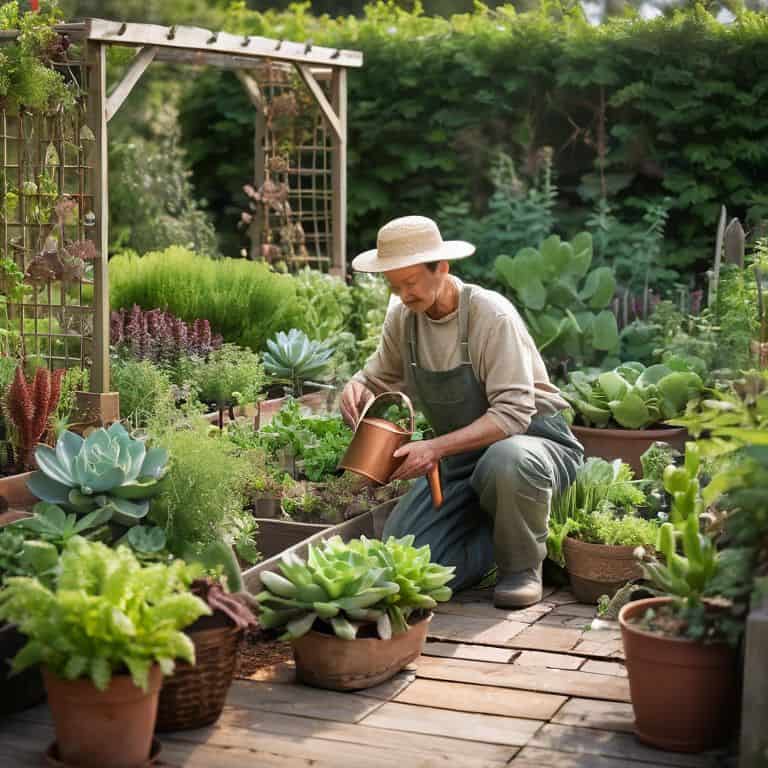
As I kneel in my garden, surrounded by the gentle rustle of leaves and the soft whispers of my trusty garden tools – Bertha the trowel and Sammy the pruner – I’m reminded of the common misconception that sustainable gardening is a daunting, expensive endeavor. But the truth is, it’s quite the opposite. With a few simple tweaks and a willingness to listen to the natural world, anyone can create a lush oasis that not only nourishes their soul but also the earth. I’ve spent years honing my craft, from my childhood on a small organic farm in Oregon to my current work as an ecological garden designer, and I’m excited to share my knowledge with you.
In this article, I’ll guide you through the process of creating your own sustainable gardening haven, free from gimmicks and expensive gadgets. You’ll learn how to choose the right plants, conserve water, and create a thriving ecosystem that benefits both you and the environment. My goal is to empower you with practical, no-nonsense advice, so you can confidently tend to your garden and watch it flourish. Whether you’re a seasoned green thumb or just starting out, I invite you to join me on this journey into the world of sustainable gardening, where the rewards are as abundant as the beauty that surrounds us.
Table of Contents
Guide Overview: What You'll Need
Total Time: 4 hours 30 minutes
Estimated Cost: $50 – $100
Difficulty Level: Intermediate
Tools Required
- Gardening Gloves (waterproof)
- Shovel (long-handled)
- Rake (wide-tooth)
- Pruning Shears (sharp blades)
- Measuring Tape (25 feet long)
- Watering Can (with fine spray nozzle)
Supplies & Materials
- Compost (organic, 2 cubic feet)
- Seeds (heirloom, assorted varieties)
- Soil Test Kit (with pH indicator)
- Mulch (organic, 4 inches deep)
- Rain Barrel (with spigot and overflow valve)
- Trellis (6 feet tall, made from reclaimed wood)
Step-by-Step Instructions
- 1. First, let’s start by assessing our outdoor space and determining the ideal location for our sustainable garden. Consider the amount of sunlight your area receives, as well as the type of soil you’re working with. I like to think of this step as getting to know my garden’s personality, and I often have a chat with my trusty garden tool, “Sunny the Trowel,” to get a feel for the space.
- 2. Next, we’ll need to prepare our soil for planting. This involves testing the pH levels and adjusting them as needed to create a balanced ecosystem. I find that adding organic matter like compost or manure can work wonders for soil health, and my tool “Muddy the Rake” is always happy to help me mix it in. As I work the soil, I like to imagine the vibrant network of microorganisms that will soon call it home.
- 3. Now it’s time to choose the plants that will thrive in our sustainable garden. I’m a big fan of native species, as they tend to require less maintenance and support local biodiversity. Consider plants that attract pollinators, like bees and butterflies, to create a buzzing ecosystem. My “Green Thumb Gloves” always seem to give me a bit of extra guidance when selecting the perfect plants for the job.
- 4. With our plants selected, it’s time to think about water conservation. One of my favorite techniques is to implement a rainwater harvesting system, which collects and stores rainwater for later use. This not only reduces our water bill but also helps to reduce stormwater runoff and prevent erosion. My tool “Drippy the Hose” is always happy to help me set up this system and ensure our plants are getting just the right amount of moisture.
- 5. As we begin to plant, it’s essential to consider the long-term health of our garden. This means using natural pest control methods, like introducing beneficial insects or using neem oil, rather than relying on chemical pesticides. I find that my “Buzzy the Pruner” is always on the lookout for any signs of trouble and helps me prune our plants to maintain their strength and resilience.
- 6. To maintain our sustainable garden’s health and beauty, we’ll need to establish a regular maintenance routine. This might include weekly watering, monthly pruning, and seasonal fertilization. I like to think of this step as giving our garden a little TLC, and my “Weedy the Hoe” is always happy to help me keep those pesky weeds at bay. By staying on top of maintenance, we can ensure our garden continues to thrive and support the local ecosystem.
- 7. Finally, let’s not forget to monitor and adapt our sustainable garden as the seasons change. Keep an eye out for signs of stress or disease, and be prepared to make adjustments as needed. This might involve adjusting our watering schedule or introducing new plants to the mix. My “Wise Old Wheelbarrow” always seems to have some sage advice, reminding me to stay flexible and responsive to the ever-changing needs of our garden. By working together with our garden, we can create a truly regenerative ecosystem that nourishes both us and the earth.
Sustainable Gardening Harmony
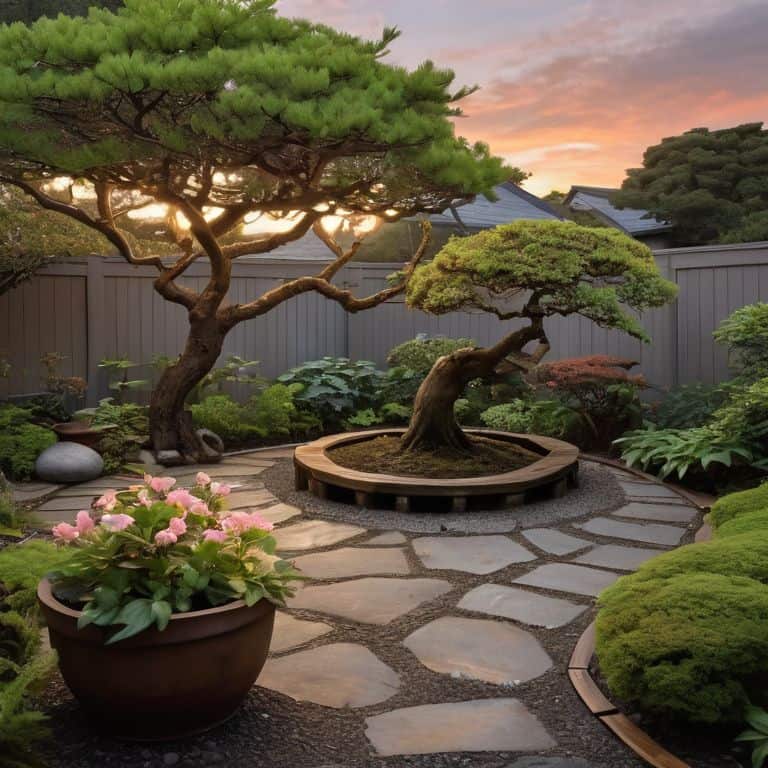
As I tend to my bonsai landscapes, I’m reminded of the importance of harmony in our gardens. It’s not just about the plants, but about creating a balanced ecosystem that thrives with minimal impact on the environment. One way to achieve this is by implementing rainwater harvesting systems, which collect and conserve precious water for those dry spells. My trusty watering can, Bertha, loves it when I use harvested rainwater – she says it’s like a spa day for the plants!
In my experience, natural pest control methods are also essential for maintaining this delicate balance. By introducing beneficial insects and using organic pest control, we can avoid harming the very creatures that help our gardens flourish. I’ve named my pruning shears, Pete, and he’s always happy to help me prune away any diseased or damaged branches, making way for healthy growth.
As I work in my garden, I’m constantly reminded of the need for soil conservation techniques. By using mulch and compost, we can reduce erosion and create a rich, fertile soil that supports a diverse array of plant life. My garden fork, Felix, is always eager to help me turn over the soil and mix in some organic goodness, and together, we create a thriving ecosystem that’s full of biodiversity.
Natural Pest Control Oasis
As I tend to my bonsai landscapes, I’ve come to realize that nature has its own balance. My trusty pruning shears, Bertha, and I make sure to introduce beneficial insects to our garden, like ladybugs and lacewings, which feast on pests. I also sprinkle a pinch of diatomaceous earth, a natural, non-toxic powder that dehydrates unwanted critters. It’s a gentle yet effective way to maintain harmony.
By embracing this approach, we create a haven where plants thrive, and pests are kept at bay without harming the environment. My watering can, Winston, and I make sure to spray neem oil solutions, a natural pesticide, to prevent infestations. This holistic method allows our garden to flourish, becoming a serene oasis that nourishes both body and soul.
Rainwater Harvesting Serenity
As I wander through my garden, I’m reminded of the symphony of sounds that accompany the rainfall. The gentle patter on the leaves, the rhythmic beat on the roof of my small shed – it’s music to my ears. And, of course, a signal to my trusty rainwater harvesting system to get to work. I’ve named my collection barrels “The Melodic Trio” – Bertha, Boris, and Bella – and they diligently gather the precious water, reducing my reliance on municipal supplies. With a flick of my wrist and a whispered “thank you” to my tools, the water is redirected to nourish my plants, creating a sense of harmony between my garden and the natural world.
In this serene dance, every drop counts, and my garden thrives as a result. The plants drink deeply, their roots sinking into the earth, as the sound of dripping water creates a soothing melody. It’s a truly regenerative cycle, one that not only conserves this precious resource but also fosters a deeper connection to the land. As I tend to my garden, I feel the stresses of everyday life wash away, much like the rainwater flowing into The Melodic Trio.
Nurturing Nature's Harmony: 5 Essential Tips for Sustainable Gardening
- Sowing diversity: Plant a mix of native flowers, herbs, and vegetables to attract pollinators and create a resilient ecosystem, just like the vibrant tapestry of my childhood farm
- Conserve and recharge: Implement rainwater harvesting systems, like my trusty ‘Rainy’ barrel, to collect and reuse precious water for your garden
- Embrace the cycle: Compost kitchen scraps and yard waste to create nutrient-rich soil, teeming with life, much like the forest floors I’ve hiked upon
- Welcome wildlife: Incorporate natural pest control methods, such as introducing beneficial insects or using neem oil, to maintain a balanced and thriving environment, reminiscent of the serene forests I’ve bonsai-inspired
- Cultivate mindfulness: Take time to observe, listen, and learn from your garden, just as I do with my bonsai landscapes, and let its rhythms guide your sustainable gardening journey, with a little help from my faithful friends, ‘Prune’ and ‘Diggy’
Nurturing Nature's Harmony: 3 Key Takeaways
As we tend to our gardens, we’re not just cultivating plants, we’re fostering a deeper connection with the earth and its rhythms, much like the gentle flow of rainwater into my trusty ‘Bertha’ barrel, which I’ve named after my grandmother’s favorite watering can
By embracing sustainable gardening practices, such as rainwater harvesting and natural pest control, we create a symphony of life that resonates throughout our ecosystems, and I must say, my ‘Green Thumb’ gloves have been a loyal companion in this journey
Through our collective efforts, we can transform urban spaces into thriving oases, where biodiversity and tranquility flourish, and as I always say to my ‘Pruning Pam’ shears, ‘every snip tells a story of growth and renewal’
Cultivating Wisdom
As we tend to the earth, the earth tends to our souls – in the gentle art of sustainable gardening, we find the harmony that heals both our landscapes and our lives.
Dylan Thompson
Nurturing a Greener Tomorrow
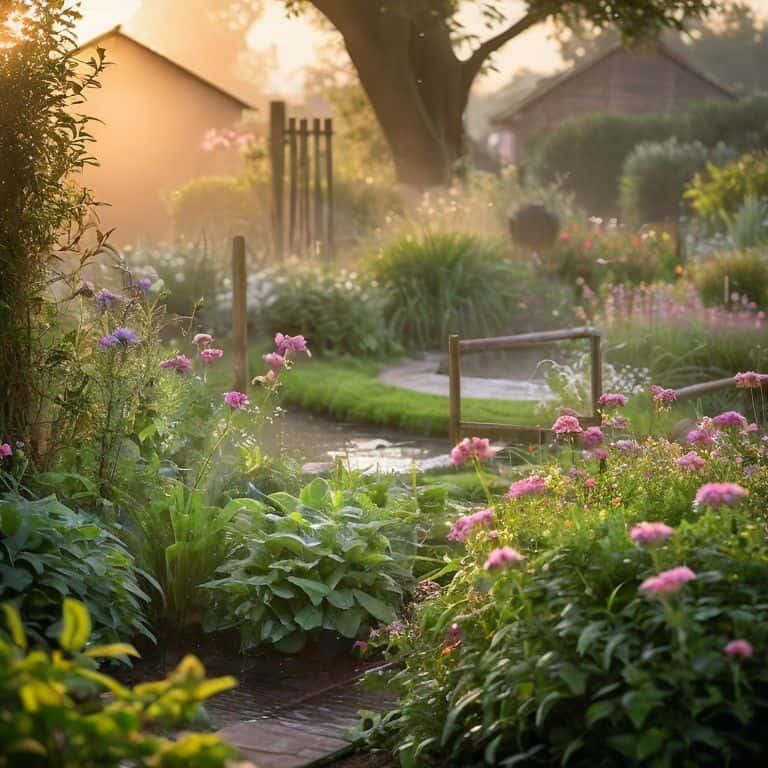
As we conclude our journey through the realm of sustainable gardening, let’s reflect on the key elements that have guided us towards creating a harmonious balance between our green spaces and the earth. We’ve explored the importance of rainwater harvesting and natural pest control, emphasizing the value of working in tandem with nature rather than against it. By embracing these principles, we not only reduce our environmental footprint but also cultivate serenity and biodiversity in our very own gardens.
As we look to the future, let’s remember that every seed we plant, every drop of rainwater we harvest, and every pest we deter naturally brings us closer to a more sustainable world. So, let’s continue to nurture our gardens with love, care, and a deep respect for the natural world, inspiring a greener tomorrow, one garden at a time, with the gentle whispers of our well-tended landscapes reminding us of the beauty and peace that sustainable gardening can bring.
Frequently Asked Questions
How can I balance my desire for a lush, vibrant garden with the need to conserve water in a sustainable gardening practice?
My friend, I totally understand the dilemma. I’ve found that incorporating drought-tolerant plants and efficient irrigation systems, like my trusty sidekick “Drippy” the soaker hose, can help strike a beautiful balance between lushness and water conservation.
What are some creative ways to repurpose everyday items as planters or garden features to reduce waste?
Let’s breathe new life into old treasures – I love repurposing items like vintage boots, wooden ladders, and even antiquedoors as unique planters or garden features, with a little help from my trusty sidekick, a trowel I’ve named Terra.
Can you recommend any specific plant species that are not only beautiful but also beneficial for local pollinators and wildlife in a sustainable garden?
As I tend to my bonsai landscapes with my trusty tool, Bertha the pruner, I recommend incorporating native wildflowers like coneflowers and black-eyed susans, which are magnets for local pollinators and wildlife, adding a vibrant touch to your sustainable garden sanctuary.