







Traditional Family Recipes Passed Down Through Generations
 June 23, 2025
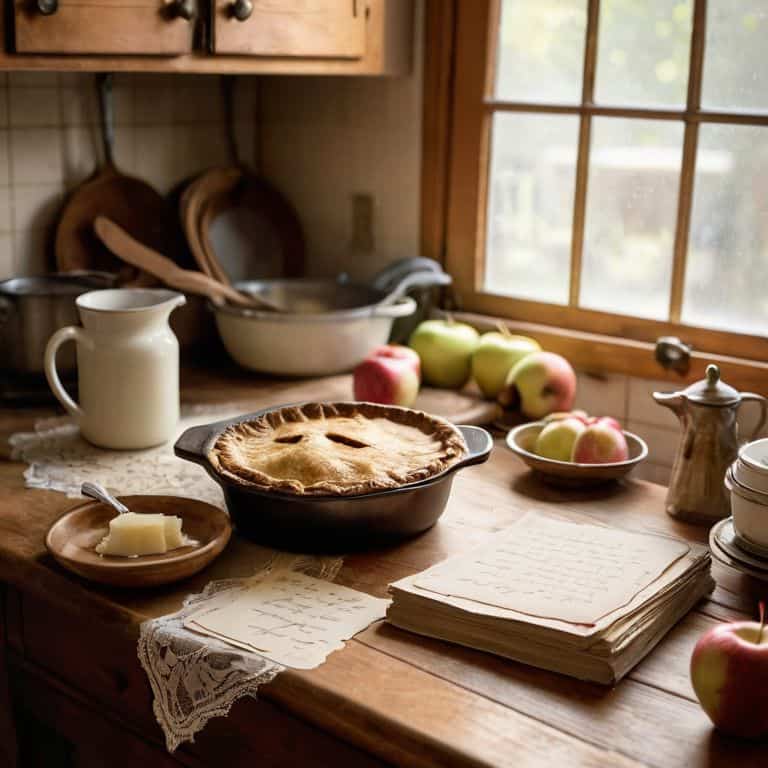
As I sit here, surrounded by the worn wooden spoons and faded recipe cards of my nonna’s kitchen, I’m reminded of the traditional family recipes that have been passed down through generations of my family. But let’s be real, the way people talk about these recipes today can be overwhelming – _everybody’s an expert_, and it seems like _every_ dish is a “family secret” that requires a small fortune in exotic ingredients and fancy equipment. I’ve spent my fair share of time in kitchens around the world, and I can tell you that the heart of traditional cooking lies not in fancy techniques or expensive ingredients, but in the simple, honest act of sharing a meal with the people you love.
As someone who’s dedicated their life to uncovering the stories behind traditional family recipes, I want to assure you that what you’ll find here is not just a list of fancy dishes or complicated techniques. Instead, I’ll be sharing honest, experience-based advice on how to bring these recipes to life in your own kitchen, using ingredients and techniques that are accessible to everyone. My goal is to help you reclaim the joy of traditional cooking, and to find the beauty in the simple, everyday act of sharing a meal with the people you love. Whether you’re a seasoned cook or just starting out, I invite you to join me on this journey into the world of traditional family recipes, where the emphasis is on flavor, family, and community, rather than fancy techniques or expensive ingredients.
Table of Contents
Reviving Traditional Family Recipes
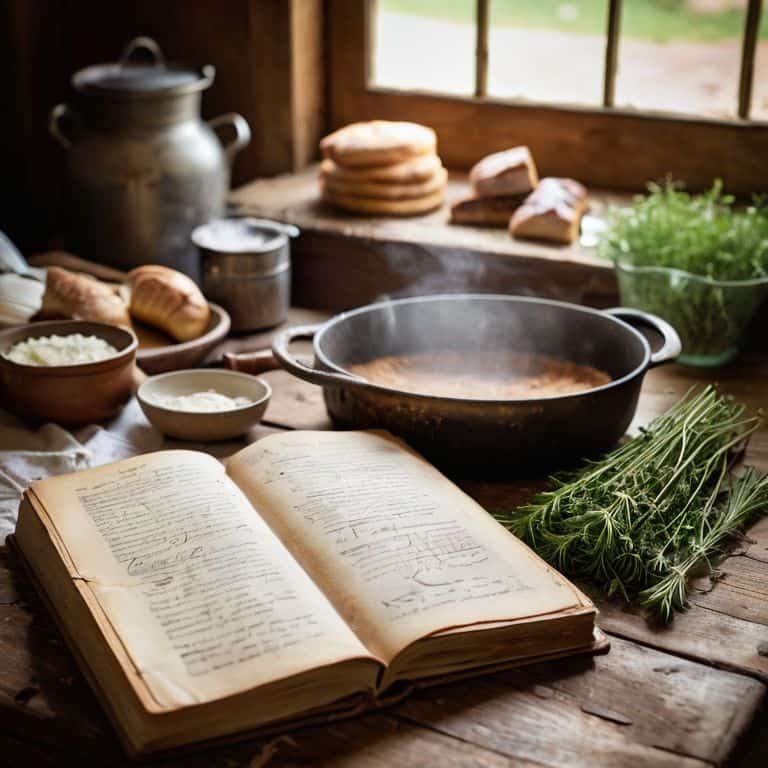
As I delve into the world of heirloom recipe preservation, I’m reminded of my nonna’s old, worn-out cookbook, filled with notes and stories of our family’s culinary history. The process of preserving these recipes is not just about writing them down, but about passing down the traditions and values that come with them. It’s about sharing the love and care that goes into preparing a meal, and the joy of gathering around the table to share it with others.
For me, cultural exchange through food is a powerful way to connect with others and learn about their heritage. I’ve had the privilege of traveling to different parts of the world, collecting recipes and stories that I can now share with my own family and friends. It’s amazing how a simple dish can evoke a sense of nostalgia and belonging, and how family dinner ideas can bring people together like nothing else can.
As I continue to explore the world of traditional cooking, I’m excited to start working on my own family cookbook creation. It’s a project that’s been on my mind for a while, and I’m looking forward to sharing it with my loved ones. By preserving our family’s recipes and stories, I hope to keep our heritage alive, and to inspire others to do the same. Whether it’s through traditional cooking methods or modern twists on old favorites, I believe that food has the power to bring us closer together, and to remind us of where we come from.
Cultural Exchange Through Timeless Dishes
As I delve into the world of traditional family recipes, I’m reminded of the power of cultural exchange in shaping the culinary landscape. The dishes that have been passed down through generations are often a testament to the blending of traditions and flavors from different parts of the world. I think back to my nonna’s kitchen, where the aroma of freshly baked pizza crust would waft through the air, mingling with the scent of exotic spices she’d learned to use from her travels.
In the process of preserving these heirloom recipes, I’ve come to realize the importance of storytelling in bringing people together. The recipes themselves are often just the beginning, as they’re usually accompanied by tales of love, loss, and celebration that have been shared around the dinner table for years.
Heirloom Recipe Preservation Techniques
As I delve into the world of traditional family recipes, I’m reminded of the importance of preserving culinary heritage. It’s a delicate process that requires patience, dedication, and a deep understanding of the stories behind each dish. I’ve spent countless hours in my nonna’s kitchen, learning the intricacies of heirloom recipe preservation and the techniques that have been passed down through generations.
In my own kitchen, I’ve developed a few trusted methods for preserving these treasured recipes, including careful transcription and photographic documentation. By doing so, I’m able to safeguard the integrity of each dish, ensuring that the flavors and techniques that make them special are never lost. This approach has allowed me to share my nonna’s beloved recipes with a new generation, keeping her memory and culinary legacy alive.
Passing Down Heritage Through Food
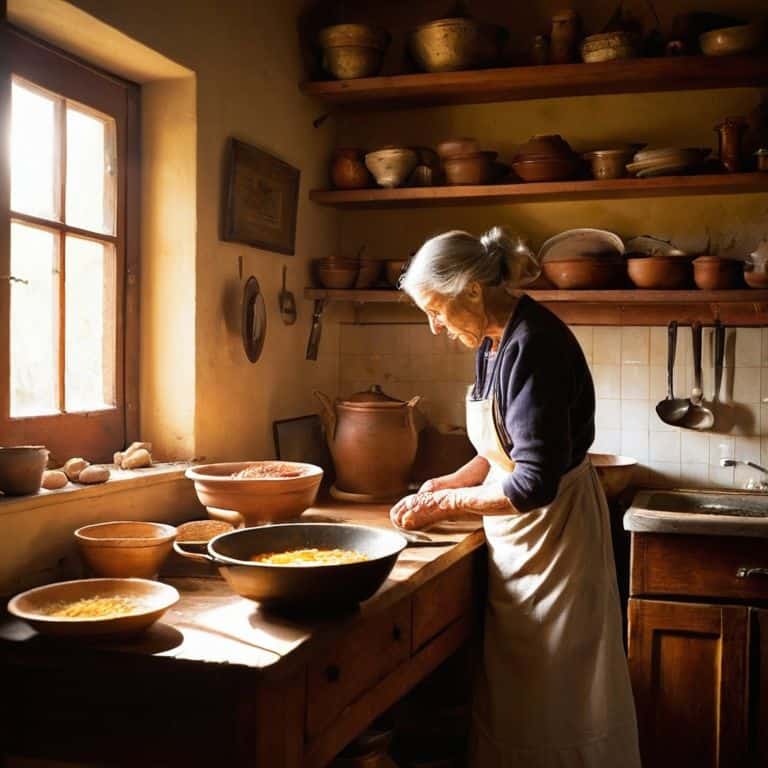
As I sit in my kitchen, surrounded by the vintage utensils I’ve collected over the years, I’m reminded of the importance of passing down recipes to the next generation. My nonna used to say that the best way to preserve our heritage was through the food we shared with one another. She’d spend hours in the kitchen, teaching me the traditional cooking methods that had been passed down to her from her own nonna. Those moments were more than just about learning how to cook – they were about connecting with our past and preserving our cultural identity.
I’ve tried to carry on that tradition by creating a family cookbook filled with the recipes that have been passed down through my family. It’s a labor of love, filled with stories and anecdotes about the dishes that have been staples of our family gatherings for generations. From my nonna’s famous lasagna to my own inventions, inspired by the cultural exchange I’ve experienced through my travels, every recipe is a testament to the power of food to bring people together. By sharing these recipes with my own family and friends, I hope to keep our heritage alive and inspire a new generation of cooks to do the same.
As I look back on my own childhood, I realize that family dinner ideas were always at the heart of our gatherings. My nonna would spend hours preparing a feast, and we’d all come together to share stories and enjoy each other’s company. Those moments were truly special, and I try to recreate them in my own kitchen whenever possible. By preserving our heirloom recipe preservation techniques and passing them down to the next generation, I hope to keep those memories alive and create new ones for years to come.
Creating Family Cookbooks With Love
As I sit in my kitchen, surrounded by the utensils I’ve collected over the years, I’m reminded of the importance of preserving family traditions. Creating a family cookbook is a labor of love, a way to capture the essence of our heritage and pass it down to future generations. It’s a journey that requires patience, dedication, and a willingness to share our stories.
I recall my nonna’s old recipe book, filled with handwritten notes and faded photographs. It’s a treasure trove of family secrets and stories, each dish a testament to our cultural roots. As I work on my own cookbook, I’m mindful of the love and care that goes into each recipe, hoping to inspire others to do the same.
Heritage Meal Planning for Modern Tables
As I sit down to plan meals for my own family, I often find myself drawn to the timeless traditions of my childhood. My nonna’s kitchen was always filled with the aromas of slow-cooked sauces and freshly baked bread, and I strive to recreate that warmth in my own home. By incorporating traditional family recipes into our modern meal planning, I believe we can strengthen our connection to our heritage and create a sense of continuity with the past.
To make heritage meals a reality on busy weeknights, I rely on simple yet flavorful ingredients and techniques. A hearty Italian stew, for example, can be made with just a few ingredients and simmered to perfection in under an hour, filling our home with the same comforting scents that filled my nonna’s kitchen all those years ago.
Rediscovering the Flavors of Our Past: 5 Tips to Revitalize Traditional Family Recipes
- Embracing the Art of Storytelling: Share the tales behind each dish to keep the memories and cultural heritage alive
- Preserving the Essence: Use fresh, seasonal ingredients to recreate authentic flavors, just as our ancestors did
- Experimenting with Modern Twists: Infuse traditional recipes with contemporary flair to make them relevant for new generations
- Creating a Sense of Community: Gather around the table to share meals and strengthen family bonds, just as we did in my nonna’s kitchen
- Passing Down the Knowledge: Teach children and younger relatives the art of cooking traditional family recipes to ensure their survival
Embracing the Flavors of Our Past: 3 Key Takeaways
As I sit here surrounded by my collection of vintage kitchen utensils, I’m reminded that traditional family recipes are more than just a list of ingredients – they’re a gateway to our collective past, a sensory journey that weaves together stories, cultures, and love.
The art of preserving heirloom recipes is a labor of love that requires patience, dedication, and a willingness to listen to the tales of our ancestors, whose voices come alive through the dishes they created, just as the aroma of my nonna’s kitchen still transports me back to a time when life was simpler.
By embracing our culinary heritage and sharing it with the world, we not only keep the memories of our ancestors alive but also foster a deeper understanding and appreciation of the diverse traditions that make our world a richer, more flavorful place, one delicious dish at a time.
A Taste of Tradition
Traditional family recipes are the threads that weave our past, present, and future together – they’re more than just a list of ingredients, they’re a testament to the love, laughter, and tears that have been shared around the dinner table for generations.
Marco Bianchi
Embracing the Flavors of Our Heritage
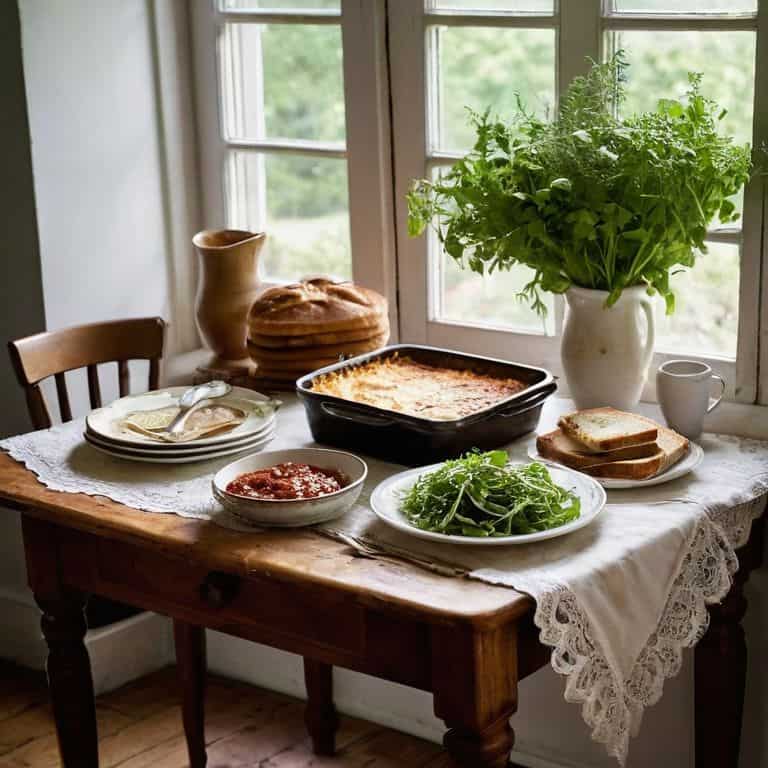
As I reflect on the journey of uncovering and sharing traditional family recipes, I am reminded of the importance of preserving our cultural heritage through the stories and dishes that have been passed down to us. From the techniques of heirloom recipe preservation to the cultural exchange that occurs through timeless dishes, it’s clear that food has the power to transcend time and borders. By creating family cookbooks with love and incorporating heritage meal planning into our modern tables, we can keep these traditions alive and thriving. Whether it’s a classic Italian recipe from my nonna’s kitchen or a dish from a completely different cultural background, the key is to approach these recipes with a sense of reverence and curiosity.
As we continue to navigate the complexities of our globalized world, I believe that traditional family recipes offer a taste of comfort and continuity. They remind us of our roots and the people who came before us, while also inspiring us to innovate and create. So let us cherish these recipes, not just as a link to our past, but as a bridge to our future. By embracing the flavors of our heritage, we can build a more compassionate and understanding world, one delicious dish at a time.
Frequently Asked Questions
How can I adapt traditional family recipes to suit modern dietary preferences without losing their cultural significance?
To adapt traditional family recipes, I suggest subtly tweaking ingredients rather than overhauling the dish. For instance, swapping lard for olive oil or using plant-based alternatives to meat, all while maintaining the essence of nonna’s original creation. This way, the cultural significance remains intact, and the recipe stays relevant for modern tastes.
What are some effective ways to document and preserve traditional family recipes for future generations?
To document and preserve traditional family recipes, I swear by old-fashioned methods like handwritten notebooks and Polaroid photos. I also love creating digital archives with scanned recipe cards and voice recordings of my nonna’s stories. It’s all about capturing the essence, not just the ingredients.
Can traditional family recipes be used as a tool for cultural exchange and understanding between different communities and countries?
I firmly believe that traditional family recipes can bridge cultural divides, fostering understanding and exchange between communities. By sharing and embracing each other’s culinary heritage, we can break down barriers and build connections, one delicious dish at a time.