









Rainwater Harvesting: Efficient Water Use for Your Garden
 September 6, 2025
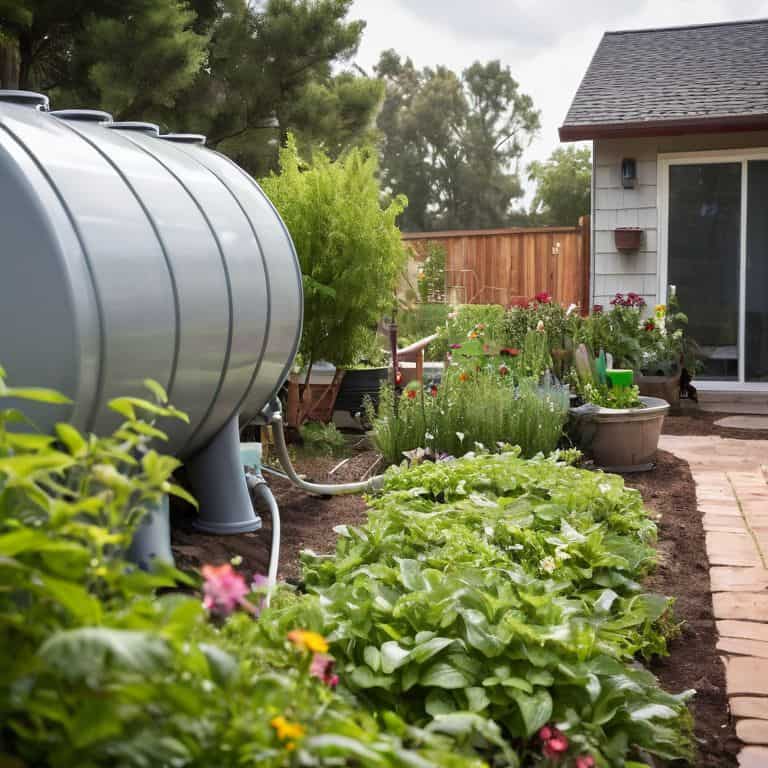
As I stood in my garden, watching the rainwater harvesting systems I’d installed collect the gentle spring rain, I couldn’t help but think of all the misconceptions people have about this simple, yet powerful technique. Many believe that collecting rainwater is a complicated, expensive endeavor, but I’m here to tell you that’s just not true. In fact, with a little creativity and some basic materials, you can create your own rainwater harvesting system and start reducing your water bill, while also helping to reduce stormwater runoff and protect our precious waterways.
In this article, I’ll share my personal experience and expertise to guide you through the process of creating your own effective rainwater harvesting system. You’ll learn how to assess your garden’s needs, choose the right materials, and install a system that will provide you with a steady supply of fresh, clean water for your plants. I’ll also share some tips and tricks I’ve learned along the way, from my trusty sidekick, a garden fork I’ve named “Bertha,” who’s been with me through countless gardening adventures. By the end of this guide, you’ll be equipped with the knowledge and confidence to create your own rainwater harvesting system and start enjoying the many benefits it has to offer.
Table of Contents
Guide Overview: What You'll Need
Total Time: 4 hours 30 minutes
Estimated Cost: $500 – $1,500
Difficulty Level: Intermediate
Tools Required
- Drill (with screwdriver and drill bits)
- Wrench (adjustable)
- Pliers (needle-nose)
- Level (laser or bubble)
- Tape measure (25 feet long)
- Safety goggles (for protecting eyes)
- Ladder (6 feet tall)
- Saw (circular or handheld)
Supplies & Materials
- Food-grade plastic tank (500-gallon capacity)
- Roof washer (to filter debris)
- First flush device (to divert initial flow)
- Gutters (with downspouts and extensions)
- Downspout diverter (to redirect water)
- PVC pipes (1 inch and 2 inches in diameter)
- PVC fittings (elbows, tees, and couplers)
- Glue and primer (for PVC pipe connections)
- Screen or mesh (to keep insects out)
- 2-in x 6-in lumber (for support and mounting)
Step-by-Step Instructions
- 1. First, let’s start by assessing our garden’s water needs and identifying the best location for our rainwater harvesting system. I like to think of this step as getting to know our garden’s rhythm, understanding how it responds to rainfall and where the water tends to collect. As I always say to my trusty garden tool, Bertha the bucket, “A good rainwater harvesting system begins with a deep understanding of the land.
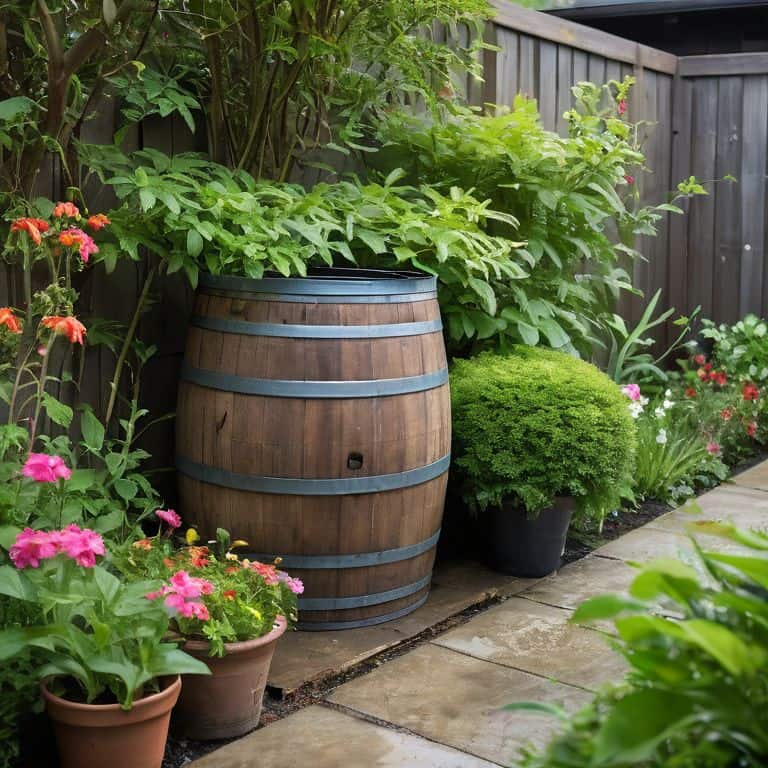
- 2. Next, we need to choose the right materials for our system. This includes selecting a suitable container, such as a plastic or metal tank, and ensuring it’s _large enough_ to hold a substantial amount of water. I recall a project where I used a beautiful, reclaimed wooden barrel to create a unique and functional rainwater harvesting system. My garden tool, Sammy the shovel, helped me dig the perfect spot for it.
- 3. Now, let’s move on to installing the roof catchment system. This involves placing a durable, _waterproof_ material on our roof to collect and direct rainwater into our storage container. I always make sure to inspect the roof carefully, just as I inspect my garden tool, Max the mower, before a big job. It’s essential to ensure a secure and stable connection between the roof and the downspout to prevent any leaks or damage.
- 4. With the roof catchment system in place, we can proceed to install the downspout and gutters. This is where my garden tool, Gideon the gutter cleaner, comes in handy. We need to _carefully clean and prepare_ the gutters to ensure a smooth flow of water into our storage container. I like to think of this step as smoothing out the water’s journey, allowing it to flow effortlessly into our system.
- 5. The next step is to add a first flush device, which helps remove any debris or contaminants that may have accumulated on the roof. This is an _essential component_ of our rainwater harvesting system, as it ensures the water we collect is clean and free of sediment. I remember explaining to my client, Sarah, how this device works, and she was amazed by its simplicity and effectiveness.
- 6. Now, let’s talk about adding a screen or mesh to our storage container to keep out mosquitoes and other pests. This is a _crucial step_ in maintaining the quality of our harvested water. I always say to my garden tool, Lola the level, “A good screen is like a good friend – it’s always there to protect and support you.” We want to keep our water safe and clean, just like we keep our gardens safe from harm.
- 7. Finally, let’s not forget to add an overflow valve to our system, which will _automatically divert_ excess water away from our storage container and prevent it from overflowing. This is an important safety feature that will give us peace of mind during heavy rainfall events. As I always tell my garden tool, Charlie the cultivator, “A good rainwater harvesting system is all about balance and harmony – between collection and overflow, between storage and usage.
Nurturing Rainwater Harvesting Systems
As I tend to my garden, I often find myself pondering the delicate balance between water conservation and nurturing the very plants that bring me joy. My trusty garden tools, like Bertha the trowel and Sammy the pruner, seem to sense my thoughts, as if urging me to make the most of every precious drop. When it comes to residential rainwater collection, I’ve learned that it’s all about creating a harmonious flow between the natural world and our built environments.
In my experience, grey water reuse systems can be a fantastic way to supplement our rainwater collection efforts, especially during dry spells. By implementing these systems, we can reduce our reliance on municipal water supplies and give our gardens the gift of life-giving water. As I work in my garden, I like to think that every drop counts, and that my efforts are contributing to a larger movement towards urban water conservation methods.
As I carefully water my plants, I’m reminded of the importance of choosing the right water storage tank sizes for our specific needs. It’s a bit like selecting the perfect bonsai pot – it’s all about finding that sweet spot where form and function come together in perfect harmony. By doing so, we can ensure that our gardens thrive, even in the face of drought or water scarcity, and that our rainwater harvesting for gardening efforts are truly making a difference.
Sowing Sustainability With Residential Collection
As I tend to my own garden, I chat with my trusty tools – Bertha the trowel and Sammy the scraper – about the importance of residential rainwater collection. It’s amazing how much water we can conserve by simply collecting and storing rainwater for non-potable uses like watering plants or washing patio furniture. I’ve seen it make a significant difference in my clients’ gardens, reducing their water bills and creating a more sustainable ecosystem. By implementing a residential collection system, homeowners can take a significant step towards a more environmentally friendly lifestyle.
I recall a particular project where we installed a rainwater harvesting system, and the homeowner was thrilled to see her garden thrive without relying on municipal water. It’s moments like these that remind me why I’m so passionate about ecological garden design. By sowing the seeds of sustainability, we can create beautiful, thriving gardens that not only bring us joy but also help protect our planet’s precious resources.
Thriving Gardens via Rain Barrel Installation
As I tenderly water my bonsai trees with collected rainwater, I’m reminded of the simple joys of nurturing life. My trusty rain barrel, Bertha, has been a faithful companion in this journey, providing a steady supply of natural goodness for my plants. Installing a rain barrel is a straightforward process that can bring immense benefits to your garden, from reducing stormwater runoff to creating a haven for local wildlife.
With Bertha by my side, I’ve seen my garden transform into a thriving oasis, teeming with life and color. The gentle sound of rainwater flowing from her spout is music to my ears, a soothing serenade that signals the start of a new growing season. As you consider installing your own rain barrel, remember to choose a location that’s easily accessible and preferably shaded, to keep the water cool and fresh for your plants.
Harvesting Harmony: 5 Essential Tips for Rainwater Enthusiasts
- I always say to my clients, when designing a rainwater harvesting system, consider the roof catchment area – my trusty tape measure, ‘Mae’, always helps me get the measurements just right
- Choose the right gutter system, my friend – I swear by ‘Gideon’, my reliable gutter guard, for keeping leaves and debris at bay
- Invest in a high-quality storage tank, like my ‘Reservoir Rex’, which I’ve lovingly named and tended to over the years – it’s amazing how much of a difference it can make in storing precious rainwater
- Regular maintenance is key, so be sure to inspect and clean your system regularly – I like to think of it as giving my tools, like ‘Hosey’ the hose, a little TLC to keep them performing their best
- Consider integrating a first flush device into your system, which can help divert any debris or contaminants from the roof – it’s a clever trick I learned from my parents on our organic farm, and one that I love sharing with my clients to help them create their own thriving gardens
Harvesting Wisdom: 3 Key Takeaways
As I reflect on my journey with rainwater harvesting systems, I’m reminded that even the simplest setups can have a profound impact on reducing stormwater runoff and conserving this precious resource, much like how my trusty garden tool, ‘Daisy the Digging Trowel,’ helps me cultivate life in my own backyard.
By embracing rainwater harvesting, we can not only quench our gardens’ thirst but also create thriving ecosystems that attract local wildlife, and I’ve seen this firsthand in my own bonsai landscapes inspired by the rolling hills of Oregon.
Whether you’re a seasoned gardener or just starting to sow your own seeds of sustainability, remember that every drop counts, and with a little creativity and the right tools – like my faithful ‘Rainy the Rake’ – you can turn your outdoor space into a haven of biodiversity and beauty, connecting you with the natural world and all its wonders.
Harvesting Wisdom
As I often tell my clients, ‘Rainwater harvesting systems are not just a tool for conservation, but a gateway to a deeper connection with the natural world, reminding us that every drop of water is a precious gift, and every garden a testament to the beauty of sustainability.’
Dylan Thompson
Cultivating a Greener Tomorrow
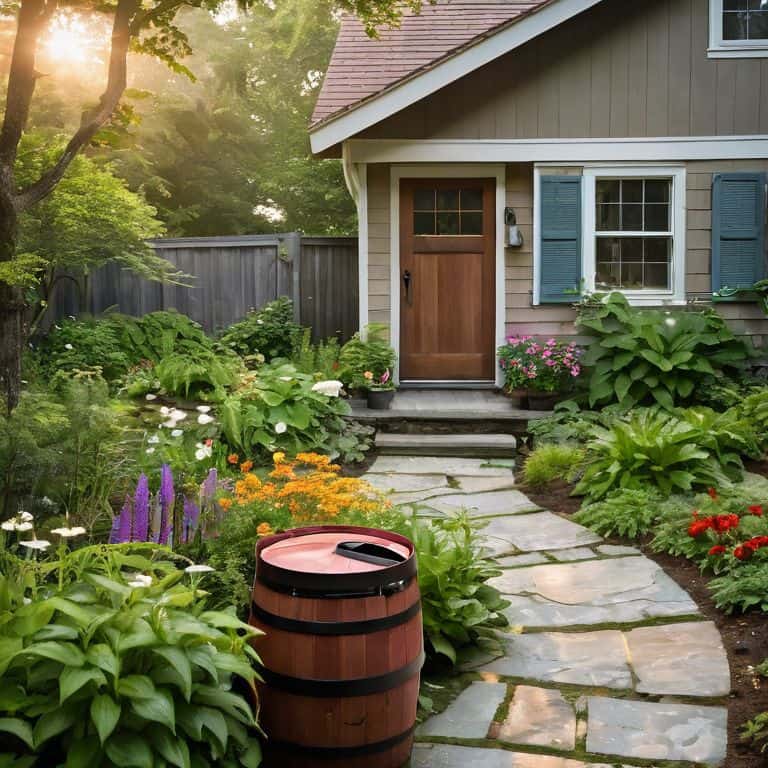
As we conclude our journey through the world of rainwater harvesting systems, let’s take a moment to reflect on the key takeaways. We’ve explored the step-by-step process of setting up a system, delved into the art of nurturing these systems, and discovered the wonders of residential collection and rain barrel installation. It’s clear that embracing sustainability is not only a eco-friendly choice, but also a way to create thriving gardens that bring us closer to nature. By implementing these systems, we’re not only reducing our carbon footprint, but also cultivating a deeper appreciation for the natural world.
As we look to the future, let’s remember that every small step counts, and that sowing the seeds of sustainability can have a profound impact on our planet. So, let’s continue to nurture our green spaces and inspire others to do the same, creating a ripple effect of positivity that will resonate for generations to come. Together, we can make a difference, one garden at a time, and I invite you to join me on this journey towards a greener, more vibrant tomorrow.
Frequently Asked Questions
How often should I clean and maintain my rainwater harvesting system to ensure it remains efficient?
The gentle hum of maintenance! I advise checking your system every 3-6 months, and giving it a good cleaning at least twice a year. My trusty tool, Bertha the brush, always helps me scrub away debris and sediment, ensuring the water flows freely and my system remains efficient.
Can I use rainwater harvested from my roof for irrigation purposes if I have asphalt shingles?
While asphalt shingles can be a bit tricky, I’ve found that with proper filtration, you can still use harvested rainwater for irrigation. I recommend using a first flush device and a sediment filter to remove any potential contaminants from the shingles. My trusty sidekick, a filter I’ve named ‘Bertha,’ has been a game-changer in keeping our rainwater pure and ready for my bonsai gardens.
What are some creative ways to integrate rainwater harvesting systems into my existing garden design without compromising aesthetics?
I just adore incorporating rainwater harvesting systems into garden designs, and I’ve found that decorative barrels or cisterns can be a beautiful addition, blending functionality with flair. My trusty trowel, Bertha, and I have even used them as focal points, surrounded by lush greenery, to create a stunning and sustainable oasis.