









The Role of Garden Design in Enhancing Meditation
 April 17, 2026
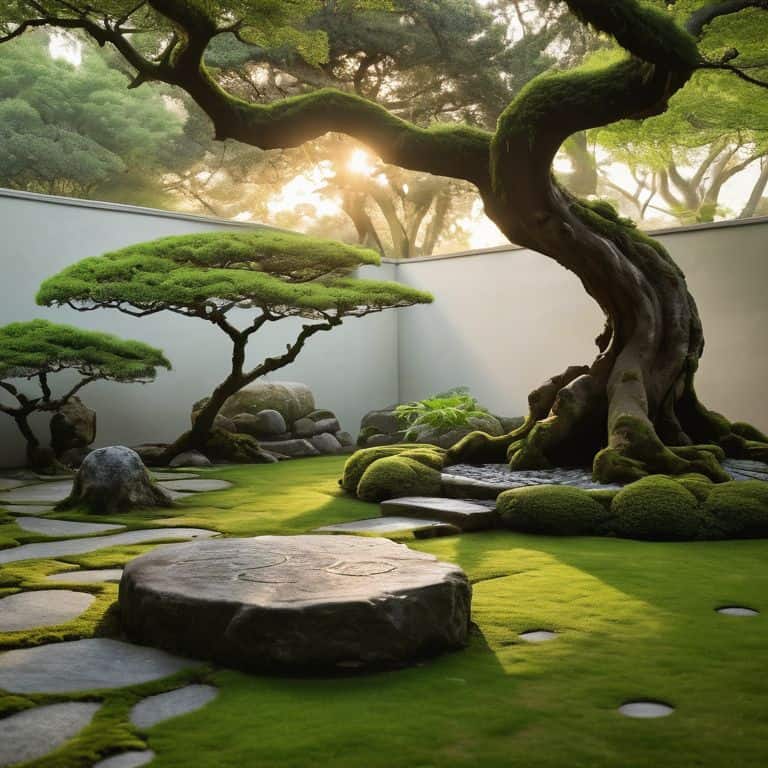
As I step into my own backyard oasis, surrounded by the gentle rustle of leaves and the soft chirp of birds, I’m reminded of the serenity that can be found in a well-crafted meditation garden design. I’ve often found that people believe creating such a space requires a large plot of land or a hefty budget, but I’m here to tell you that’s not entirely true. With a little creativity and some well-placed garden design elements, even the smallest of spaces can be transformed into a peaceful retreat. My trusty garden tools, like my favorite pruning shears, Bertha, and my reliable trowel, Terra, have helped me bring numerous meditation gardens to life, and I’m excited to share my knowledge with you.
In this article, I’ll guide you through the process of creating your own meditation garden design, from conceptualization to completion. You’ll learn how to choose the right plants, optimize your space, and incorporate elements that promote relaxation and mindfulness. Whether you’re a seasoned gardener or a beginner, I’ll provide you with practical, no-nonsense advice to help you create a serene oasis that nurtures both body and soul. So, let’s get started on this journey together, and discover the tranquility that a well-designed meditation garden can bring to your life.
Table of Contents
- Guide Overview: What You'll Need
- Step-by-Step Instructions
- Meditation Garden Design
- Sowing Serenity: 5 Essential Tips for Meditation Garden Design
- Embracing Serenity: 3 Key Takeaways for Your Meditation Garden
- Cultivating Inner Peace
- Cultivating Serenity: A Lasting Reflection
- Frequently Asked Questions
Guide Overview: What You'll Need
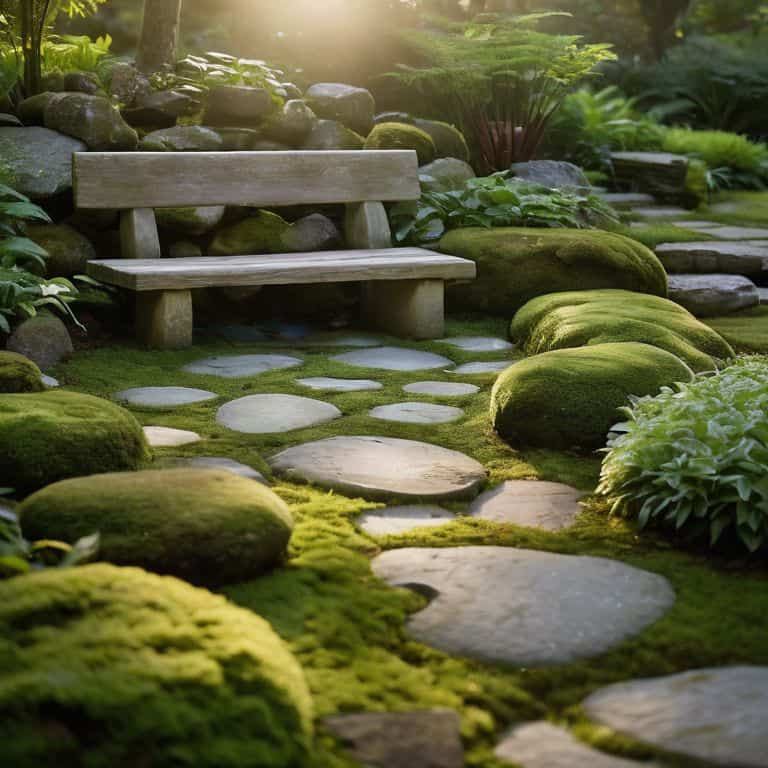
Total Time: 4 hours 30 minutes
Estimated Cost: $100 – $500
Difficulty Level: Intermediate
Tools Required
- Garden Rake for leveling and smoothing soil
- Shovel for digging and planting
- Pruning Shears for trimming plants
- Measuring Tape for measuring paths and borders
- Level for ensuring even surfaces
- Wheelbarrow for transporting soil and plants
Supplies & Materials
- Gravel for drainage and pathways
- Decorative Stones for accents and borders
- Plants choose low-maintenance, meditation-friendly varieties
- Soil for planting and filling gaps
- Mulch for retaining moisture and suppressing weeds
- Bench or Seating for meditation and relaxation
- Water Feature optional, for soothing sounds
- 6 inches x 6 inches lumber for building benches or planters
- Garden Hose for watering plants
Step-by-Step Instructions
- 1. First, let’s start by selecting the perfect location for our meditation garden. This involves finding a spot that is serene, quiet, and receives the right amount of sunlight. I like to think of it as finding a spot where nature’s harmony is already present, and we’re just enhancing it. As I always say to my trusty trowel, Bertha, “A good location is the foundation of a peaceful oasis.
- 2. Next, we need to assess the existing landscape and see what natural elements we can incorporate into our design. This could be anything from a beautiful tree to a small pond or a babbling brook. I recall a project where I worked with a client to create a meditation garden around a stunning oak tree, and it became the focal point of the entire space. My pruning shears, Prissy, did an excellent job of shaping the surrounding foliage to perfection.
- 3. Now, it’s time to choose the right plants for our meditation garden. We want plants that are not only visually appealing but also create a sense of calm and tranquility. I often recommend plants like lavender, chamomile, and jasmine, which are known for their soothing properties. As I plant each species, I like to whisper words of encouragement to them, just as I do with my beloved gardening fork, Felix.
- 4. The next step is to design the hardscape, which includes features like pathways, seating areas, and water features. This is where we can get creative and add elements that reflect our personal style and preferences. For instance, I might suggest a meandering path made of natural stone, which invites the visitor to slow down and appreciate the surroundings. My level, Lola, ensures that every stone is perfectly aligned to create a sense of balance.
- 5. Once we have the basic design elements in place, it’s time to add some sensory details that will enhance the meditation experience. This could include the sound of a water fountain, the scent of essential oils, or the feel of textured stones beneath our feet. I remember creating a meditation garden with a client who wanted to incorporate a variety of textures, from smooth pebbles to rough-hewn wood, to create a tactile experience. My garden rake, Rachel, was instrumental in distributing the pebbles evenly.
- 6. As we near the completion of our meditation garden, it’s essential to incorporate seating and gathering spaces that invite relaxation and contemplation. This could be a simple bench, a hammock, or even a meditation platform. I like to think of these spaces as sanctuaries within the sanctuary, where we can retreat from the world and connect with our inner selves. My saw, Sammy, helped me craft a beautiful wooden bench that became the perfect spot for meditation.
- 7. Finally, the last step is to maintain and nurture our meditation garden, ensuring that it continues to thrive and evolve over time. This involves regular watering, pruning, and fertilizing, as well as making any necessary adjustments to the design. As I always say to my gardening gloves, Gracie, “A meditation garden is a living, breathing entity that requires our care and attention to flourish.” By following these steps and tending to our garden with love and dedication, we can create a peaceful oasis that nourishes both body and soul.
Meditation Garden Design
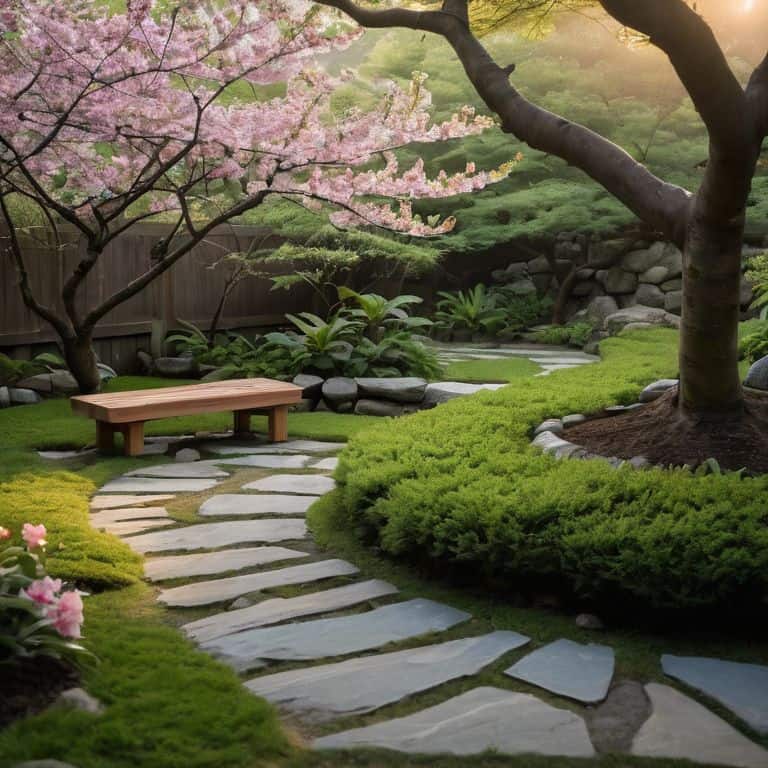
As I sit amidst my own serene oasis, surrounded by the gentle rustle of leaves and the soft chirp of birds, I’m reminded of the importance of japanese garden inspiration in creating a peaceful atmosphere. The art of crafting a meditation space is not just about aesthetics, but about harmonizing with nature. I recall a particular project where I incorporated natural stone for gardens to create a sense of balance and tranquility.
When working with small space meditation gardens, it’s essential to consider the flow of energy and the placement of each element. I find that mindful garden pathways can greatly enhance the overall experience, inviting the visitor to slow down and appreciate the surroundings. My trusty garden tool, “Sandy the Rake,” always seems to perform better when I’m working on these intricate pathways, as if she senses the care and attention to detail required.
As the sun sets, serene garden lighting tips can make all the difference in maintaining the ambiance. I’ve found that subtle, warm lighting can accentuate the beauty of the natural surroundings, while also creating a sense of inner peace. Whether it’s a small water feature or a carefully placed lantern, the key is to strike a balance between light and shadow, allowing the visitor to immerse themselves in the tranquility of the space.
Japanese Inspiration for Serenity
As I carefully prune the branches of my bonsai trees with my trusty shears, Bertha, I find inspiration in the serene landscapes of Japan. The art of creating a meditation garden is deeply rooted in Japanese culture, where every element is carefully considered to promote harmony and balance. I recall my visits to the tranquil gardens of Kyoto, where the soft glow of lanterns and the gentle rustle of bamboo transported me to a state of deep calm.
In my own designs, I often incorporate Japanese elements, such as carefully raked gravel and strategically placed stones, to create a sense of serenity. My trowel, Terra, helps me plant delicate mosses and ferns, which thrive in the shaded areas of my meditation gardens. By embracing the principles of Japanese design, I aim to craft spaces that nurture both body and soul, inviting all who enter to breathe deeply and let go of the world’s chaos.
Small Space Meditation Oasis
As I carefully prune the branches of my bonsai tree, Bertha, with my trusty shears, Sheila, I ponder the art of creating serene spaces in even the smallest of areas. My garden tool, Rufus the rake, has helped me design compact meditation oases that bring tranquility to urban dwellers. In tiny terraces or balconies, a carefully chosen selection of plants, such as lavender or chamomile, can evoke a sense of calm. I recall a project where I transformed a petite patio into a peaceful retreat, complete with a miniature water feature and a few carefully placed rocks, which my trowel, Terry, helped me position perfectly.
By thoughtfully selecting elements that promote relaxation, even the coziest of spaces can become a meditation haven. My hoe, Hank, has been instrumental in helping me prepare the soil for these small but mighty gardens. As I work, I imagine the soft rustle of leaves and gentle chirping of birds, transporting those who enter these tiny oases to a state of deep relaxation. With a little creativity and the right tools, like my watering can, Wendy, anyone can craft a small space meditation oasis that nurtures both body and soul.
Sowing Serenity: 5 Essential Tips for Meditation Garden Design
- Embrace the art of minimalism by carefully selecting a limited palette of plants and features that promote a sense of calm, such as the soft rustle of bamboo or the gentle hue of moss
- Create a sense of seclusion by incorporating natural screening elements, like towering trees or lush greenery, to block out the urban din and invite the soothing sounds of nature
- Incorporate a water feature, like a babbling brook or a small pond, to create a sense of dynamic tranquility and provide a constant reminder of the ever-changing beauty of nature
- Design a meandering path that invites contemplation and exploration, using materials like weathered stone or rustic wood to add warmth and texture to the space
- Make the most of your meditation garden by incorporating a variety of sensory experiences, such as the fragrance of blooming flowers, the song of birds, or the warmth of sunlight filtering through the leaves, to create a truly immersive retreat
Embracing Serenity: 3 Key Takeaways for Your Meditation Garden
I’ve found that incorporating natural elements, such as water features and local plant species, can amplify the soothing ambiance of a meditation garden, much like the gentle streams I’ve encountered on my hiking trails
By embracing the principles of Japanese design, as I discussed earlier, and selecting elements like carefully pruned bonsai trees and weathered stone, you can craft a serene oasis that invites mindfulness and contemplation
As I always say to my trusty garden tool, ‘Blossom’ the trowel, every garden, no matter how small, has the potential to become a peaceful retreat – it’s all about intentionally designing your space to nurture both body and soul, and I hope my journey and tips have inspired you to create your own little slice of heaven
Cultivating Inner Peace
As I tend to my garden, I am reminded that meditation garden design is not just about arranging plants and stones, but about crafting a sanctuary that whispers to the soul, reminding us of the beauty and tranquility that awaits us in the stillness.
Dylan Thompson
Cultivating Serenity: A Lasting Reflection
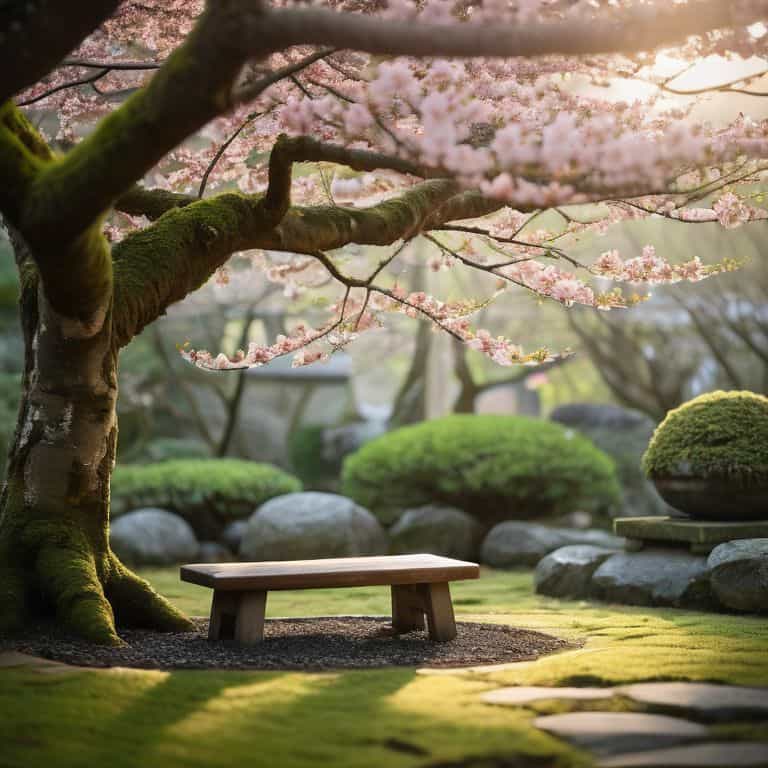
As we conclude our journey through the realm of meditation garden design, let’s reflect on the essential elements that bring these serene spaces to life. From the Japanese inspiration that guides our choice of natural materials and minimalist aesthetics, to the clever use of small spaces that can be transformed into intimate meditation oases, each aspect plays a vital role in crafting an environment that nurtures both body and soul. By embracing these principles, we not only create beautiful gardens but also sanctuaries that foster deep relaxation and inner peace.
As you embark on your own meditation garden design journey, remember that the true beauty of these spaces lies not just in their physical form, but in the sense of tranquility they inspire. May your garden become a haven where you can escape the chaos of everyday life, reconnect with nature, and discover the profound joy of being present in the moment. With every carefully placed stone, every tenderly nurtured plant, you are not just building a garden – you are cultivating a sense of serenity that will stay with you long after you leave its peaceful borders.
Frequently Asked Questions
How can I incorporate a water feature into my meditation garden without it becoming a distraction?
As I gently coax my trusty trowel, Bertha, through the soil, I ponder your question. A softly babbling brook or fountain can be a serene addition, but to avoid distraction, consider a small, shallow dish fountain or a trickling wall feature, allowing the gentle sound to blend harmoniously into your meditation garden’s ambiance, much like the gentle song of the wind chimes I’ve placed near my own bonsai haven.
What types of plants are best suited for a meditation garden in a shaded area?
For a shaded meditation garden, I recommend plants like ferns, hostas, and astilbe, which thrive in low-light conditions. My trusty trowel, Bertha, and I have found that these plants bring a serene, natural beauty to the space. Their soft textures and gentle hues create a calming atmosphere, perfect for quiet reflection.
Can a meditation garden be designed for a small balcony or rooftop space, and if so, what are some key considerations?
Even in compact spaces, serenity can thrive. I’ve seen my trusty trowel, Bertha, help me craft petite paradises on balconies and rooftops. To create a meditation garden in small spaces, consider vertical planters, compact seating, and soft lighting, like the warm glow of string lights, to evoke a sense of calm amidst the urban bustle.