









Companion Planting Techniques to Boost Your Edible Garden
 December 4, 2025
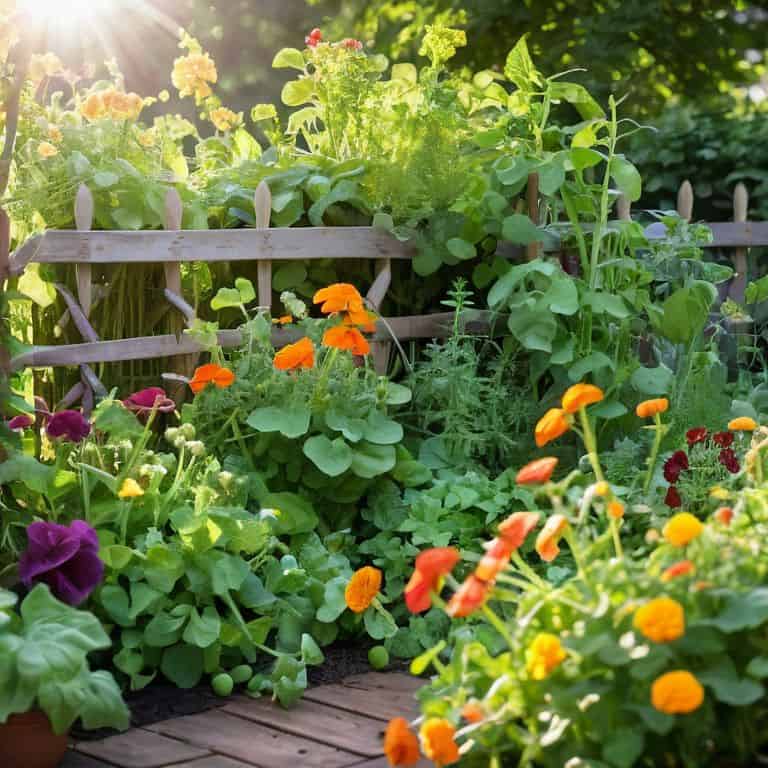
As I kneel in my garden, surrounded by the gentle hum of bees and the earthy scent of damp soil, I’m reminded of the simple joys of companion planting. I’ve seen it time and time again: a carefully chosen pair of plants, working together in harmony to create a thriving ecosystem. My trusty trowel, Bertha, and I have spent countless hours experimenting with different combinations, and I’m excited to share our findings with you. But first, let’s dispel a common myth: companion planting isn’t just about throwing a few marigolds in with your tomatoes and calling it a day. It’s about understanding the intricate relationships between plants and using that knowledge to create a balanced, resilient garden.
In this article, I promise to share my hands-on experience with companion planting, gleaned from years of working on my family’s organic farm and designing ecological gardens for clients. I’ll cut through the hype and provide you with practical, actionable advice on how to use companion planting to improve your garden’s health and productivity. Whether you’re a seasoned gardener or just starting out, I invite you to join me on this journey into the world of companion planting, where we’ll explore the fascinating ways in which plants interact and support one another. With Bertha by my side, we’ll dig into the nitty-gritty of creating a thriving, diverse garden ecosystem, one that will bring you joy and tranquility for years to come.
Table of Contents
Unlocking Companion Planting
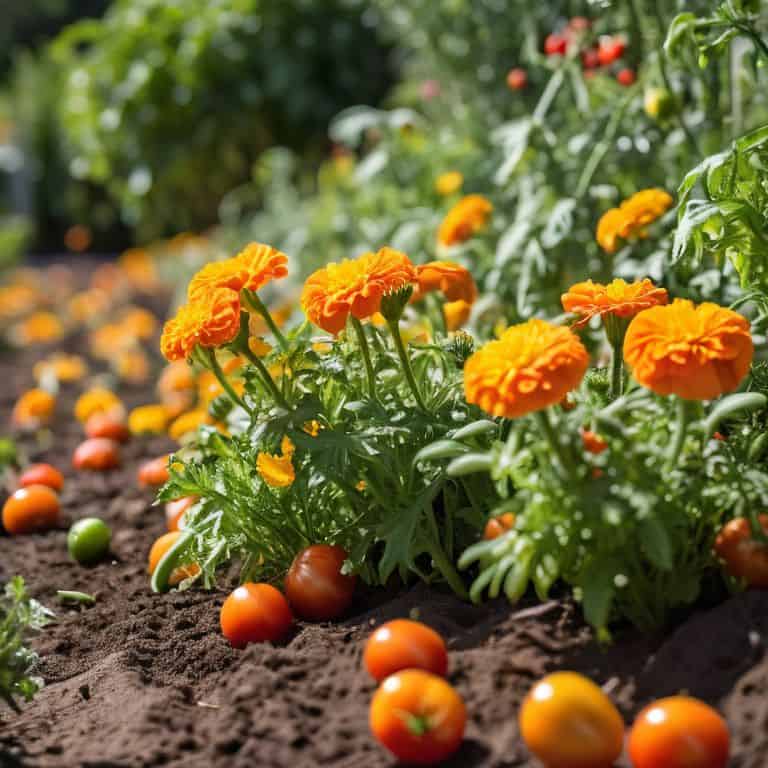
As I delve into the world of vegetable companion planting charts, I’m reminded of the intricate relationships between different species. By carefully selecting which plants to grow together, we can create a harmonious balance that fosters healthy growth and pest resistance. I recall a particular experiment on my family’s farm, where we planted marigolds alongside tomatoes to deter nematodes. The results were astounding, and it’s a technique I still use in my garden designs today.
Incorporating herb and flower combinations can add an extra layer of depth to our gardens. Not only do they attract beneficial insects, but they also create a visually stunning display. I’ve found that pairing native plants with complementary species can lead to a more resilient and diverse ecosystem. By embracing the benefits of polycultures, we can move away from monocultures and towards a more holistic approach to gardening.
When working with companion planting in small spaces, it’s essential to consider the unique needs of each plant. By choosing species that thrive in close proximity, we can create a thriving oasis even in the most compact areas. I’ve seen firsthand how native plant companions can bring a sense of authenticity to a garden, and I always recommend exploring local flora when designing a new space.
Benefits of Polycultures in Small Spaces
As I work in my own garden, I’ve come to appreciate the value of polycultures in even the smallest of spaces. By combining multiple plant species, I can create a thriving ecosystem that not only promotes biodiversity but also enhances the overall health and resilience of my plants. I recall a particular project where I designed a compact polyculture featuring native herbs and flowers, which not only attracted a variety of pollinators but also required less maintenance than traditional monoculture gardens.
In small spaces, _optimal resource utilization_ is key, and polycultures excel in this regard. By selecting plants with complementary growth habits and requirements, I can make the most of limited space and reduce waste. For instance, planting tall sunflowers alongside shorter, shade-tolerant plants like lettuce or herbs creates a beautiful, layered effect while also maximizing space efficiency.
Native Plant Companions for Harmony
As I wander through my garden, I’m reminded of the beauty of native plant companions. The way they seamlessly integrate with one another, creating a harmonious balance that’s nothing short of magical. I’ve found that incorporating plants like coneflower and black-eyed susan, which are native to my region, helps to attract a diverse range of pollinators and beneficial insects.
In my experience, companion planting with native species is key to fostering a thriving ecosystem. By pairing plants that have co-evolved over time, I’ve seen a significant reduction in pests and diseases, allowing my garden to flourish with minimal intervention.
Mastering Companion Planting
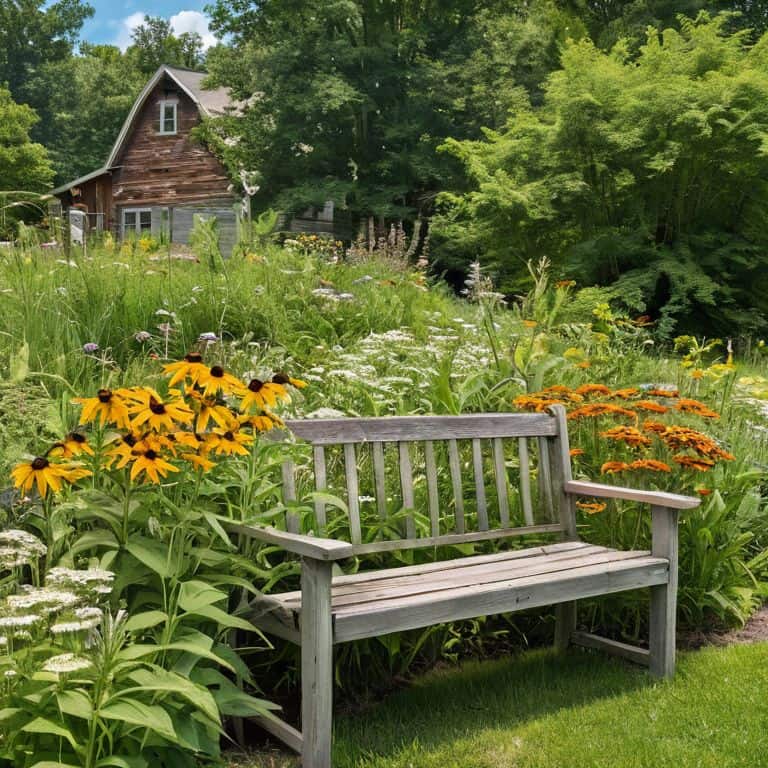
As I tend to my garden, I often think about the harmony that exists between different plants. My trusty garden tool, “Pruner Pete,” and I work together to create a balanced ecosystem. I’ve found that native plant companions play a crucial role in maintaining this harmony. By pairing plants that naturally coexist in the wild, I can create a thriving environment that requires fewer external inputs.
In small spaces, it’s essential to make the most of every inch. That’s why I love experimenting with herb and flower combinations that not only add visual interest but also provide benefits of polycultures. For example, planting marigolds with tomatoes can help deter nematodes, while basil and mint can enhance the flavor of nearby vegetables. I’ve even created my own vegetable companion planting charts to help me keep track of which plants work well together.
As I work in my garden, I’m reminded of the importance of companion planting for pest resistance. By choosing the right plant combinations, I can reduce my reliance on pesticides and create a healthier environment for all the plants to thrive. My garden tool, “Watering Wendy,” helps me keep everything hydrated, and I’m always excited to see the results of my experiments with different plant combinations. Whether I’m working with native plants or trying out new herb and flower combinations, I know that I’m creating a unique and thriving ecosystem.
Herb and Flower Combinations for Pest Resistance
As I wander through my garden, I notice how certain herb and flower combinations seem to naturally deter pests. My trusty pruning shears, Bertha, and I make a great team in maintaining these delicate balances. We carefully prune the lavender to promote healthy growth, which in turn helps to repel unwanted insects.
I’ve found that companion planting with herbs like basil and flowers like marigolds can create a powerful synergy, enhancing the beauty and resilience of my garden. With the help of my garden fork, Felix, I gently till the soil to make way for these new additions, watching as they thrive and contribute to the garden’s overall harmony.
Vegetable Companion Planting Charts Revealed
As I sit amidst my bonsai landscapes, I often ponder the perfect pairings for a thriving vegetable garden. Creating a harmonious balance between plants is key to a successful harvest. I recall my childhood on the farm, where my parents would carefully plan the layout of our vegetable patch to ensure that each plant benefited from its neighbors.
In my garden designs, I rely on trusted charts to guide my choices, taking into account the unique needs and benefits of each plant. By studying these vegetable companion planting guides, I can create a diverse and resilient garden ecosystem, where plants like tomatoes and basil thrive together in perfect synergy.
Weaving Harmony: 5 Essential Companion Planting Tips
- I still recall the first time I saw the symbiotic dance between basil and tomatoes on my family’s farm – the way the basil’s fragrance enhanced the flavor of the tomatoes, while also repelling pests, was nothing short of magical, and it’s a combination I highly recommend for any garden
- The art of companion planting is all about creating a balanced ecosystem, which is why I always advise starting with native plant companions that naturally coexist in harmony, like the marigold and tomato pairing that has become a staple in my designs
- In small spaces, embracing polycultures can be a game-changer – by layering plants like lettuce, carrots, and radishes together, you can maximize yields while minimizing waste, and it’s a technique that has allowed me to create thriving, biodiverse gardens even in the most urban of settings
- One of my trusted garden tools, a trowel I’ve named ‘Terra’, has been instrumental in helping me plant intricate patterns of herbs and flowers that not only add beauty to the garden, but also provide pest resistance – a favorite combination of mine is planting nasturtiums alongside cucumbers to deter aphids and whiteflies
- As I sit amidst my bonsai landscape, surrounded by the gentle rustle of leaves and the soft chirping of birds, I’m reminded that companion planting is not just about the plants themselves, but about creating a holistic, thriving environment – which is why I always recommend considering the unique needs and benefits of each plant, and grouping them in a way that fosters mutual support and growth, much like the way the trees in my bonsai arrangement seem to lean in, as if sharing secrets
Cultivating Wisdom: 3 Key Takeaways from Companion Planting
As I reflect on my journey with companion planting, I’m reminded that observing the natural world is key – noticing how native plants thrive together in the wild can inspire harmonious pairings in our own gardens, like the symbiotic relationship between marigolds and tomatoes that I first discovered on my family’s farm
By embracing polycultures, even in small spaces, we can create resilient ecosystems that not only boost biodiversity but also enhance the overall health and productivity of our gardens, a principle I apply when designing ecological gardens for my clients
Whether it’s using vegetable companion planting charts or combining herbs and flowers for pest resistance, the art of companion planting offers a wealth of practical strategies for gardeners to foster a balanced, thriving environment – one that I’ve seen come alive in my own bonsai landscapes, where every element works in harmony to create a miniature oasis
Cultivating Harmony
As I tend to my bonsai landscapes, I’m reminded that companion planting is not just a technique, but a testament to the symphony of relationships within nature – by embracing this harmony, we can compose gardens that thrive, not just survive.
Dylan Thompson
Embracing the Harmony of Companion Planting
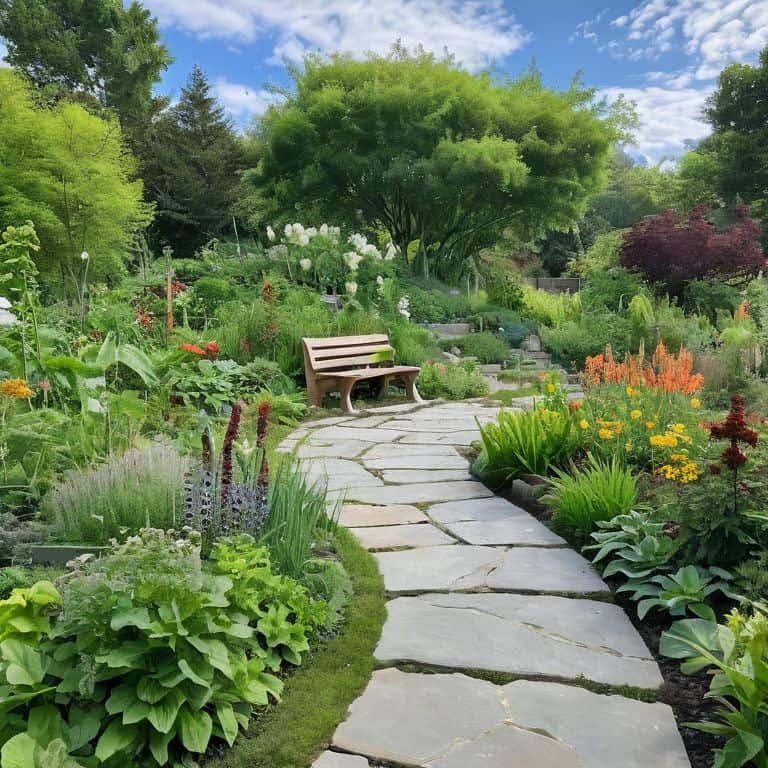
As I reflect on our journey through the world of companion planting, I’m reminded of the profound impact it can have on our gardens and our connection to nature. From the native plant companions that bring harmony to our outdoor spaces, to the benefits of polycultures in small spaces, and the valuable insights gained from vegetable companion planting charts, it’s clear that this approach offers a wealth of opportunities for growth and discovery. By embracing companion planting, we not only create more resilient and diverse gardens, but also cultivate a deeper appreciation for the intricate web of life that sustains us.
As we conclude our exploration of companion planting, I encourage you to step into the rhythm of nature and allow its wisdom to guide your gardening journey. Remember, every plant, every tool, and every moment spent in your garden is an opportunity to weave a tapestry of life, rich with beauty, wonder, and connection to the world around us. So, let us tend to our gardens with love, curiosity, and a willingness to listen to the whispers of the natural world, and may our green sanctuaries flourish as vibrant testaments to the magic of companion planting.
Frequently Asked Questions
How can I determine which plants will thrive together in my specific climate and soil type?
To find the perfect plant pairings for your unique climate and soil, I recommend observing what thrives in your local wild spaces and consulting with fellow gardeners who share your conditions – my trusty trowel, Bertha, always seems to whisper the best advice when I’m designing gardens that flourish in harmony with nature.
Are there any specific companion planting combinations that can help with common garden pests like aphids or slugs?
I’ve found that pairing marigolds with tomatoes and basil with lettuce can work wonders in deterring aphids, while crushed eggshells and coffee grounds around plant bases can help deter slugs – my trusty garden tool, ‘Scraper’ Sally, always helps me spread these natural barriers with ease.
Can companion planting be used in container gardens or small indoor spaces, and if so, what are some tips for success?
I just love experimenting with companion planting in container gardens – it’s amazing how even a small balcony or indoor space can thrive with the right combinations. My trusty trowel, Bertha, and I have had great success with pairing herbs like basil and mint in small pots, and using vertical planters to create mini-polycultures that burst with life.