









Creating a Bird-friendly Oasis: Essential Tips for Your Garden
 December 8, 2025
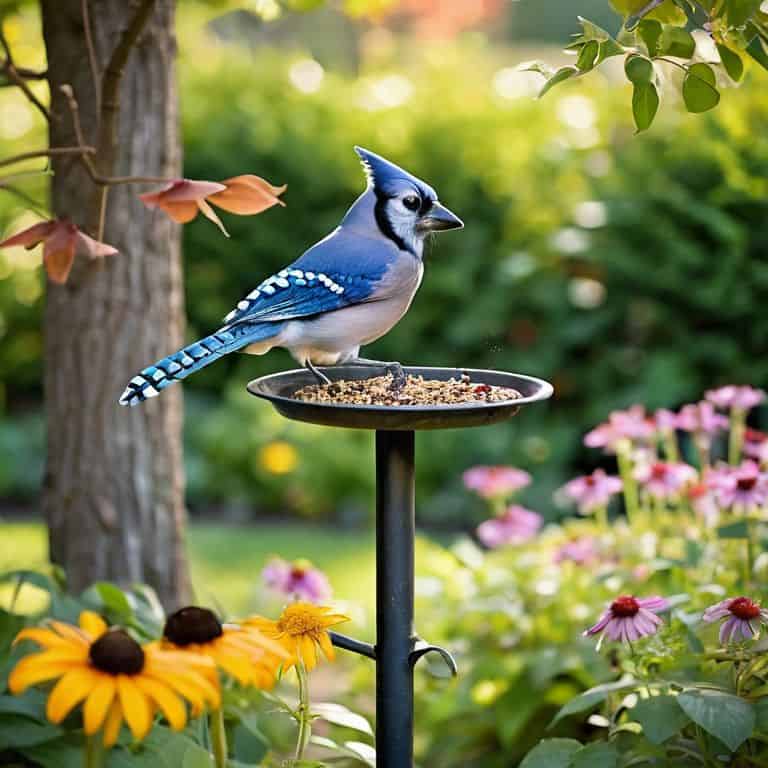
As I step into my backyard, surrounded by the lush greenery of my bird-friendly garden, I’m reminded of the common myth that creating such a sanctuary requires a vast, open space. But the truth is, even the smallest of areas can be transformed into a haven for our feathered friends. I’ve seen it time and time again, from the tiny balconies in urban apartments to the sprawling backyards in suburban homes – with a little creativity and the right guidance, anyone can craft a bird-friendly garden that’s teeming with life.
In this article, I’ll share with you my personal experience and expertise in designing ecological gardens, and provide you with practical tips on how to create a bird-friendly garden that’s tailored to your unique space and needs. From choosing the right plants and trees to selecting the perfect bird feeders and baths, I’ll guide you through the process of turning your outdoor space into a thriving ecosystem that will attract a variety of bird species and bring joy to your family and friends. Whether you’re a seasoned gardener or just starting out, my goal is to empower you with the knowledge and inspiration to create a bird-friendly garden that’s not only beautiful, but also sustainable and biodiverse.
Table of Contents
- Guide Overview: What You'll Need
- Step-by-Step Instructions
- Crafting Bird Friendly Garden
- Nurturing Nature's Harmony: 5 Essential Tips for a Thriving Bird-Friendly Garden
- Nurturing Life: 3 Key Takeaways for Your Bird-Friendly Garden
- Nurturing Nature's Harmony
- Nurturing Life: A Lasting Legacy
- Frequently Asked Questions
Guide Overview: What You'll Need
Total Time: 2 hours 30 minutes
Estimated Cost: $50 – $100
Difficulty Level: Easy
Tools Required
- Gardening Gloves for protection while handling plants
- Shovel for digging holes for plants and bird bath
- Rake for leveling soil
- Pruning Shears for trimming plants
- Watering Can for watering plants
Supplies & Materials
- Native Plants that provide berries, seeds, or nectar for birds
- Bird Feeders to supplement food sources
- Bird Bath or a small pond for water source
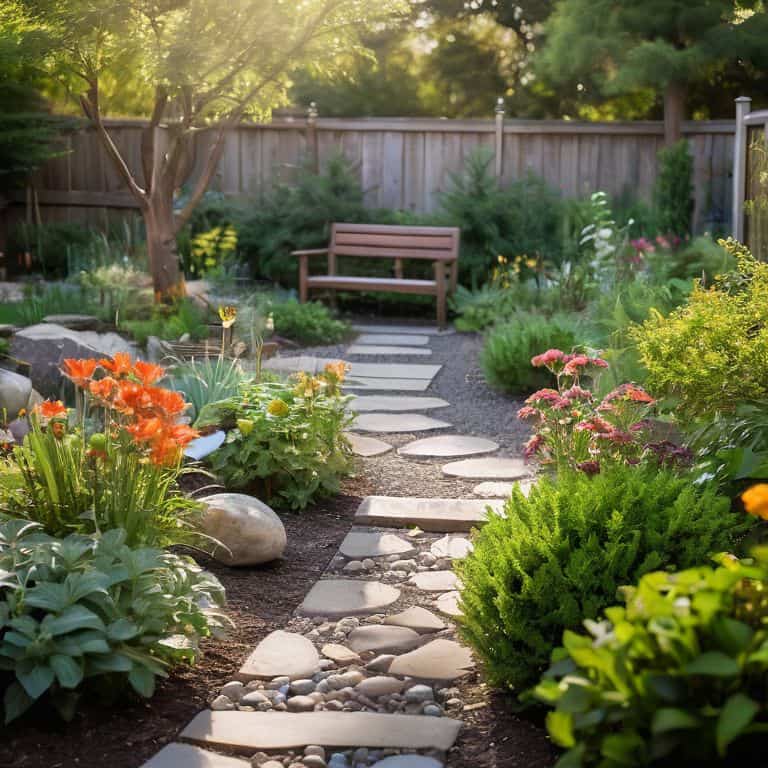
- Rock or Brick Pavers for creating a bird-friendly path
- Compost to enrich soil for plant growth
- 2-in x 6-in lumber for building a birdhouse or bench
- Birdhouse Kit optional, for a pre-made birdhouse
Step-by-Step Instructions
- 1. To begin creating your bird-friendly garden, start by assessing your yard’s unique conditions, taking note of the amount of sunlight it receives, the type of soil you have, and any existing plants or features that could be leveraged to attract birds. As I always say, listening to the land is the first step in any successful garden design, and this principle applies beautifully to crafting a haven for our feathered friends.
- 2. Next, choose a variety of plants that are native to your region, as these will naturally attract local bird species. I like to think of this step as planting a symphony, where each plant plays a role in attracting a diverse range of birds. Incorporate plants that produce berries, seeds, or nectar, as these will provide a constant source of food for the birds. My trusty garden tool, “Bertha” the trowel, always seems to dig a little deeper when I’m planting with a purpose.
- 3. Now, it’s time to think about water features, which are essential for any bird-friendly garden. Birds need water for drinking and bathing, so consider installing a birdbath or a small pond. I find that the sound of gently flowing water is not only soothing for humans but also a magnet for birds. Make sure to place rocks or sticks in the water for the birds to land on while they drink or bathe, and don’t forget to thank your garden tools, like I do – “Sammy” the shovel is always happy to help with the heavier digging tasks.
- 4. Providing nesting sites is another crucial step in creating a bird-friendly garden. You can install nesting boxes or plant dense shrubs and trees that provide shelter for birds to build their nests. As I work on this aspect, I often talk to “Maggie” my pruning shear, encouraging her to help me shape the perfect nesting haven. Remember, the key is to create a variety of habitats that cater to different species of birds.
- 5. To further enhance your garden’s appeal to birds, consider adding a bird feeder or two. There are various types of bird feeders available, from seed feeders to suet feeders, so choose the ones that will attract the bird species you’re most interested in. I’ve found that offering a variety of food sources encourages a greater diversity of birds to visit your garden. Just be sure to place your feeders in a spot where you can enjoy watching the birds, and don’t hesitate to give your tools a little praise – “Charlie” my rake is always thrilled to help with the cleanup around the feeders.
- 6. As you continue to develop your bird-friendly garden, don’t forget to incorporate insect-friendly plants. Many birds feed on insects, so by planting flowers that attract beneficial insects, you’re providing another food source for the birds. This step is all about creating a balanced ecosystem, where every element supports the others. As I plant these, I often have a chat with “Lily” my watering can, making sure she’s ready to keep all our new additions well-hydrated.
- 7. Finally, maintain your garden in an ecologically friendly manner. Avoid using pesticides, which can harm birds and other wildlife, and opt for natural methods of pest control instead. I believe in working with nature, not against it, and this approach not only helps the birds but also contributes to a healthier environment for all. As I reflect on my garden’s progress, I’m grateful for the companionship of my tools – each one, like “Benny” my cultivator, plays a vital role in our little ecosystem’s thriving balance.
Crafting Bird Friendly Garden
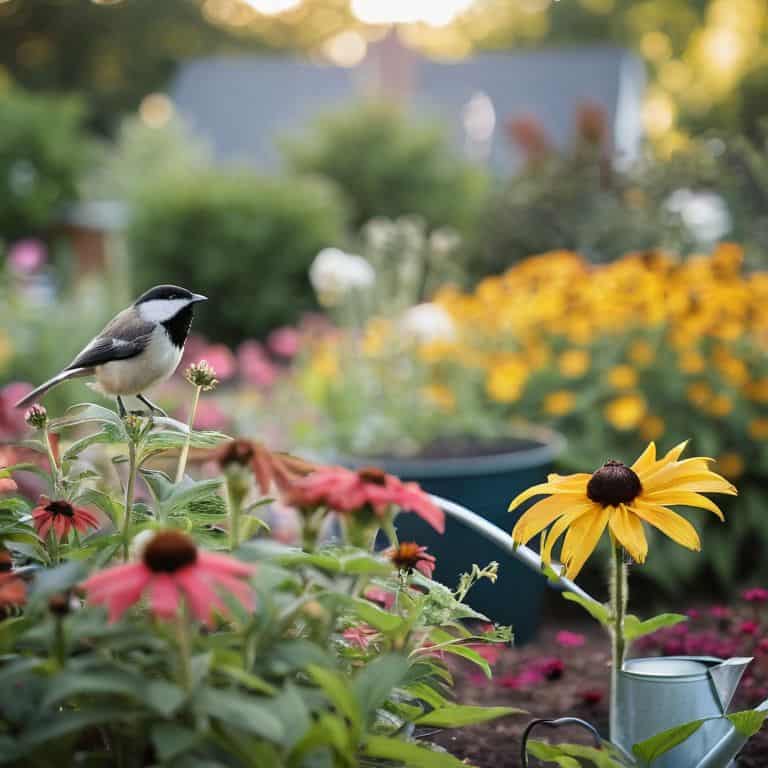
As I tend to my garden with the help of my trusty tools, like my pruning shears, Bertha, and my watering can, Winston, I’m reminded of the importance of attracting birds to your yard. One of the simplest ways to do this is by incorporating native flower seeds into your garden design. These seeds will bloom into vibrant flowers that provide a rich source of nectar for our feathered friends. I like to think of it as setting the table for a grand feast, and the birds are the honored guests.
When it comes to creating a haven for birds, garden layout plays a crucial role. Consider designing a layout that includes a mix of open spaces and dense foliage, allowing birds to flit between areas of shelter and feeding grounds. My tool, a gentle rake named Rachel, helps me create smooth, even pathways that guide birds through the garden. By incorporating diy bird bath ideas, such as a shallow dish filled with fresh water and a few rocks for perching, you can provide a source of hydration and a place for birds to preen their feathers.
As the seasons change, it’s essential to adjust your bird-feeding strategy to meet the changing needs of your avian visitors. Seasonal bird feeding tips can help you determine which types of seeds and suets to offer during different times of the year. For example, during the winter months, high-energy foods like suet and peanuts can be a lifesaver for birds struggling to find sustenance. By being mindful of these seasonal shifts and incorporating native flower seeds for birds into your garden, you can create a haven that welcomes birds throughout the year.
Attracting Birds With Native Seeds
As I nurture my bonsai landscapes, I’m reminded of the harmony between native seeds and the birds they attract. By incorporating indigenous plant species into your garden, you’ll be serving up a feast of familiarity for our feathered friends. My trusty seed disperser, Bertha, helps me scatter seeds with precision, inviting birds to partake in the bounty. Native seeds like coneflower, black-eyed Susan, and cosmos are particularly effective at drawing in a diverse array of bird species.
By choosing native seeds, you’ll be creating a haven that resonates with the local ecosystem’s rhythm. I recall a particularly vibrant bloom of Oregon sunshine, which attracted a flock of western meadowlarks to my family’s farm. The symphony of their melodies still echoes in my mind, a testament to the beauty of native seeds in action. As you sow these seeds, remember to give them a gentle welcome with a sprinkle of water from my faithful watering can, Winston.
Diy Bird Bath Ideas for Conservation
As I tenderly place a stone in my bonsai landscape, I’m reminded of the gentle ripples on a bird bath’s surface. My trusty trowel, Bertha, and I have crafted many a DIY bird bath, using natural materials like bamboo and rocks to create a haven for our feathered friends. We’ve found that shallow dishes or birdbaths with fresh water and a few well-placed rocks for perching are a perfect combination.
With a sprinkle of creativity, you can turn an old container into a thriving bird bath. My garden shears, Sammy, and I have even repurposed an old wooden barrel, adding a few native plants around it to attract birds and create a serene ambiance. The result is a DIY bird bath that not only supports conservation but also brings a touch of tranquility to your garden, inviting birds to sing their sweet melodies.
Nurturing Nature's Harmony: 5 Essential Tips for a Thriving Bird-Friendly Garden
- Embracing the Rhythm of Native Plants: Choose flora that naturally resonates with your region’s unique ecosystem to create a haven that beckons birds with familiarity and abundance
- Water’s Gentle Song: Incorporate a variety of water features, from shallow dishes to babbling brooks, to quench the thirst of your feathered friends and create a melodic ambiance
- Feast from the Wild: Supplement your garden with a diverse array of feeders, filled with seeds, nuts, and fruits, to cater to the varied appetites of the birds that visit your sanctuary
- Safe Havens and Cozy Nooks: Provide an assortment of nesting boxes and shrubs with dense foliage to offer birds secure places to nest, hide, and raise their young, protected from predators and harsh weather
- Listening to the Land: Observe and learn from the natural world, letting the unique characteristics of your garden and its inhabitants guide your decisions, as you cultivate a bird-friendly garden that not only thrives but also tells a story of harmony and coexistence
Nurturing Life: 3 Key Takeaways for Your Bird-Friendly Garden
As I sit amidst my own bonsai landscape, surrounded by the gentle songs of birds, I’m reminded that creating a haven for our feathered friends begins with choosing native plants that provide shelter, food, and a canvas for their beautiful melodies
By incorporating DIY bird bath ideas, such as shallow dishes filled with fresh water and a few well-placed rocks for perching, we can provide these creatures with the hydration they need to thrive, all while enjoying the simple joys of watching them flit about
Through the careful selection of native seeds, the thoughtful placement of bird-friendly features, and a dash of creativity, we can transform our backyards into vibrant sanctuaries that not only support local wildlife but also bring us closer to the natural world, one garden at a time, with a little help from my trusty garden tools, like my favorite pruning shears, Bertha
Nurturing Nature's Harmony
As we tenderly craft our bird-friendly gardens, we not only offer sanctuary to our feathered friends, but also become the conductors of a grand symphony, where every seed, every branch, and every birdsong blends into a celestial melody that resonates deep within our souls.
Dylan Thompson
Nurturing Life: A Lasting Legacy
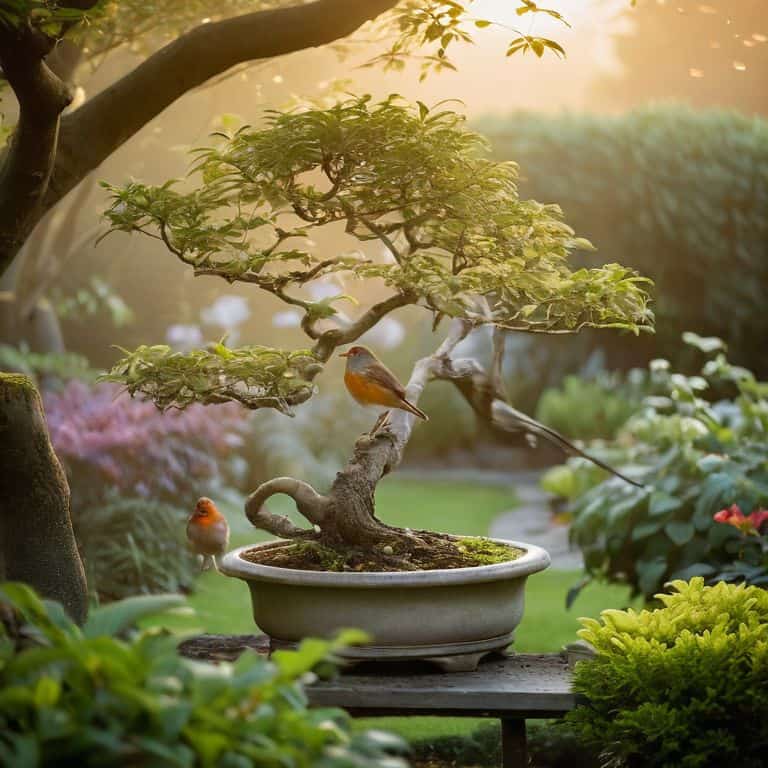
As we conclude our journey to creating a bird-friendly garden, let’s reflect on the key elements that make this haven thrive. We’ve explored the importance of native seeds, DIY bird bath ideas, and the value of crafting a garden that resonates with the rhythm of nature. By incorporating these components, you’ll not only be supporting local wildlife but also fostering a deeper connection with the natural world. As I sit amidst my own bonsai landscape, surrounded by the gentle songs of birds, I’m reminded of the profound impact our gardens can have on the environment and our well-being.
As you embark on your own gardening journey, remember that every seed you plant, every branch you prune, and every bird you attract is a testament to the transformative power of nature. May your garden become a sanctuary, not just for the birds, but for your own soul. May it be a place where you find solace, inspiration, and a sense of wonder. And as you tend to your garden, don’t forget to whisper words of encouragement to your trusty tools, like I do with my beloved ‘Leafy’ and ‘Petal’ – for in the end, it’s the love and care we invest in our gardens that makes them truly flourish.
Frequently Asked Questions
What types of native plants are most effective at attracting a diverse range of bird species to my garden?
Native plants like coneflowers, black-eyed susans, and shrub dogwoods are magnets for birds. I recall my own garden, where a sea of native Oregon sunshine flowers drew in a flock of western meadowlarks. My trusty pruning shears, Bertha, helped me shape the perfect haven. These plants offer a diverse range of seeds, berries, and insects, attracting a wide variety of bird species to your garden.
How can I maintain a consistent water source for my bird bath without it becoming a breeding ground for mosquitoes?
My trusty friend, ‘Drippy’ the watering can, and I have a solution for you. Change the water every few days, and add a few drops of apple cider vinegar to prevent mosquito breeding. I also like to use a small pump to keep the water fresh and circulating, just like the gentle streams I’ve hiked along in Oregon’s wilderness.
Are there any specific bird-friendly garden designs that can be implemented in small or urban spaces with limited room for trees and large shrubs?
In small or urban spaces, I recommend opting for vertical gardens or trellises adorned with native vines, and incorporating compact shrubs like dwarf lilacs or shrub roses, which attract birds without overwhelming the space – my trusty pruners, ‘Snippy’ and ‘Clippy’, have helped me craft many a thriving bird haven in tight spots!