








Incorporating Fish Into Your Garden Pond: a Beginner’s Guide
 February 7, 2026
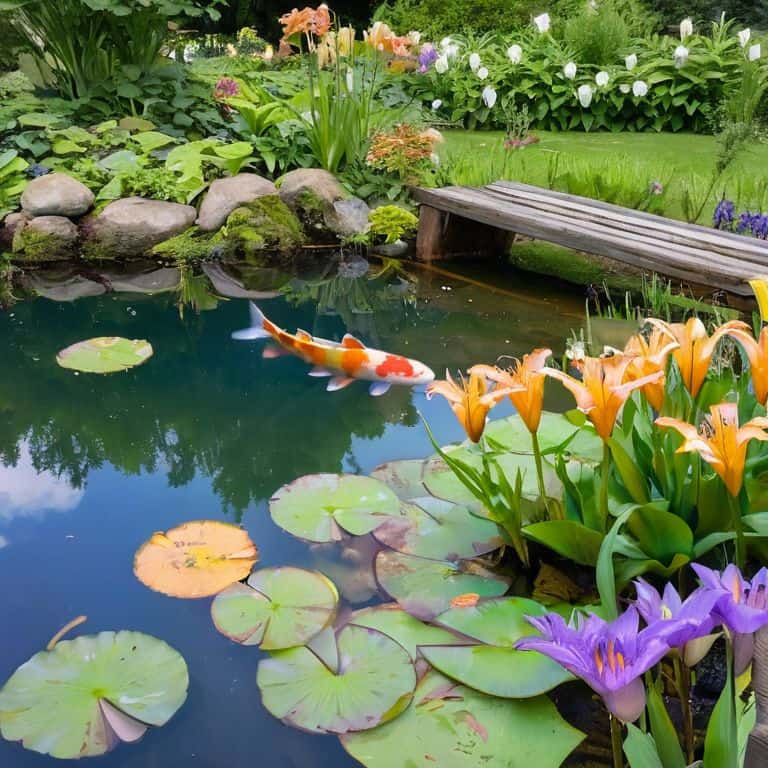
As I sit by my serene garden pond, watching the gentle ripples caused by my garden pond fish, I’m reminded of the countless times I’ve seen people overwhelmed by the complexity of creating a thriving ecosystem. The notion that you need a plethora of expensive equipment and rare species to create a beautiful pond is a myth that I’m eager to dispel. In reality, the key to a stunning garden pond lies in simplicity and harmony with nature. I recall a project where I used natural materials to create a pond that not only became a haven for local wildlife but also a peaceful retreat for my clients.
In this article, I promise to share my hands-on experience and practical advice on how to create a breathtaking garden pond, complete with thriving garden pond fish. I’ll guide you through the process of selecting the right species, designing a balanced ecosystem, and maintaining a healthy environment. My goal is to empower you with the knowledge and confidence to create your own oasis, one that reflects your unique connection with nature. By the end of this journey, you’ll be well on your way to crafting a serene and thriving garden pond that brings you joy and tranquility, just like my own bonsai landscapes inspire me to appreciate the beauty of nature.
Table of Contents
Garden Pond Fish Sanctuary
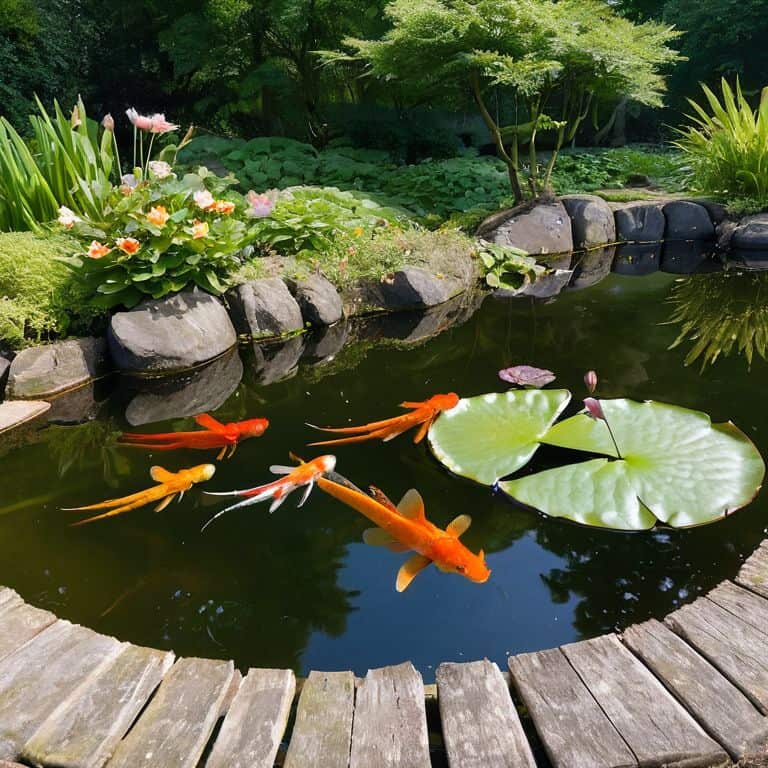
As I sit by the serene waters of my garden pond, I’m reminded of the importance of creating a harmonious ecosystem for my finned friends. When designing a pond, I consider the types of small pond fish species that will thrive in the environment. It’s essential to choose fish that are well-suited to the pond’s size, depth, and water temperature. For example, cold water pond fish like goldfish and koi are perfect for ponds in cooler climates.
To ensure the health and well-being of my fish, I follow a pond fish feeding guide that takes into account the nutritional needs of each species. Overfeeding can lead to water quality issues, so it’s crucial to strike a balance. I also make sure to monitor the pond’s water parameters regularly to prevent common pond fish diseases from taking hold. By being mindful of these factors, I can create a thriving sanctuary for my fish to flourish.
As I introduce new fish to the pond, I take a gentle approach to avoid stressing them out. Introducing new fish to pond requires patience and careful planning to ensure a smooth transition. I slowly acclimate the new fish to the pond’s water temperature and chemistry, allowing them to settle in comfortably. With proper care and attention, my garden pond becomes a tranquil oasis, teeming with life and beauty.
Cold Water Pond Fish for Oregon
As I wander through the serene landscapes of Oregon, I’m reminded of the perfect cold water companions for our garden ponds. The gentle ripples on the water’s surface are a testament to the tranquility that fish like koi and goldfish bring to our outdoor sanctuaries.
When selecting cold water pond fish, I consider the unique characteristics of each species, ensuring they thrive in Oregon’s climate. My trusty garden tool, “Finley” the fish net, always seems to whisper words of wisdom as I introduce these gentle souls to their new home, surrounded by lush greenery and vibrant aquatic plants.
Ornamental Pond Fish Care Tips
As I tend to my garden pond, I find myself lost in the gentle ripples caused by my ornamental fish. To keep these beautiful creatures thriving, I’ve learned a thing or two about proper water quality. It’s amazing how a slight imbalance can affect their overall health and wellbeing. My trusty water test kit, Bertha, has become an indispensable companion in this journey, helping me monitor the pond’s ecosystem.
When it comes to feeding my fish, I’ve developed a special bond with my fish food scoop, Finley. I’ve found that regular feeding schedules are essential to maintaining a harmonious environment. By establishing a routine, I can ensure my fish receive the nutrients they need to flourish, and Finley never fails to remind me of the importance of consistency.
Thriving Garden Pond Ecosystem
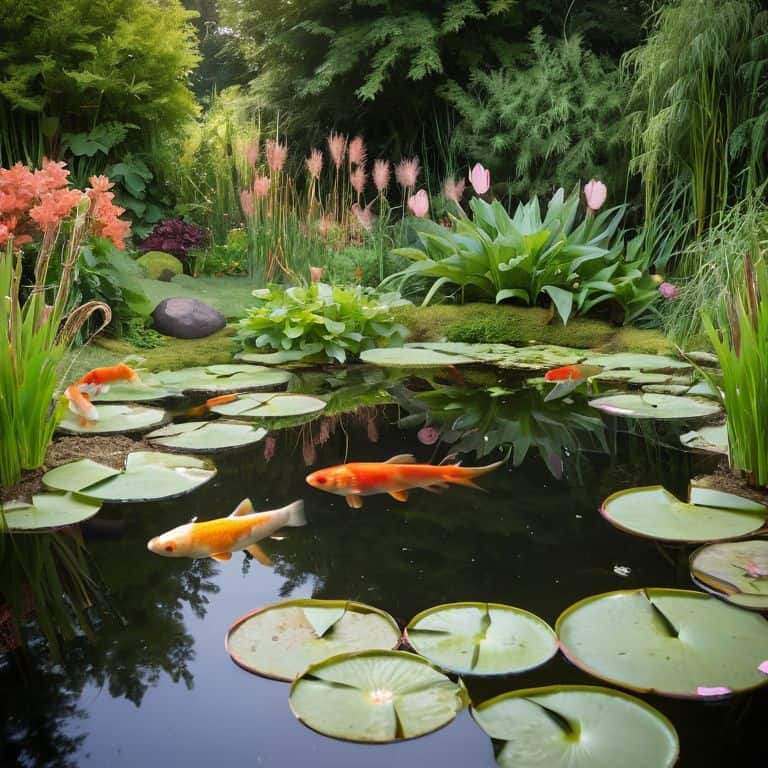
As I tend to my own small pond, I’m reminded of the importance of creating a balanced ecosystem. This means considering the types of plants, such as water lilies and cattails, that will thrive in the pond’s environment, as well as the small pond fish species that will call it home. By choosing the right combination of plants and fish, I can create a harmonious and self-sustaining ecosystem that requires minimal maintenance.
When it comes to ornamental pond fish care, I always think about the specific needs of the fish I’m introducing to the pond. This includes providing a pond fish feeding guide to ensure they’re getting the nutrients they need to thrive. I also make sure to monitor the pond’s water quality regularly to prevent common pond fish diseases from taking hold. By taking a holistic approach to pond care, I can create a thriving ecosystem that’s teeming with life.
As I sit by the pond, watching the fish dart back and forth, I’m struck by the beauty of this tiny world. It’s a reminder that even the smallest ecosystems can be full of wonder and surprise. When introducing new fish to pond, I always take my time, making sure to acclimate them slowly to their new environment. This helps prevent stress and ensures that the new additions will thrive in their new home.
Introducing New Fish to Small Pond
As I gently introduce new fish to my small pond, I’m reminded of the importance of acclimatization. It’s a process that requires patience, but it’s essential for ensuring the health and well-being of these delicate creatures. I recall a particularly memorable experience when I introduced a school of minnows to my pond, and they quickly became fast friends with the existing residents.
When adding new fish to a small pond, it’s crucial to monitor the water quality closely. I make sure to test the water regularly, using my trusty tool, “Watson,” to check for any changes in pH or ammonia levels. By doing so, I can create a thriving environment where my fish can flourish, and I can enjoy the serene beauty of my pond, surrounded by the soothing sounds of nature.
Pond Fish Feeding Guide for Beginners
As I tend to my garden pond, I always make sure to feed my fish friends with a gentle touch, using my trusty tool, Finley the fish feeder. It’s essential to establish a consistent feeding schedule to keep them healthy and thriving. I like to feed them in the morning, when the water is calm and peaceful, and they swim up to greet me with anticipation.
When feeding, I believe in providing high-quality fish food that’s rich in nutrients, and I make sure to only give them what they can consume within a few minutes. This helps maintain the pond’s ecosystem balance and prevents overfeeding, which can lead to water quality issues.
Nurturing Life: 5 Essential Tips for Harmonious Garden Pond Fish
- Choose fish species that are well-suited to your pond’s size, depth, and climate, just as I do when selecting trees for my bonsai landscapes inspired by Oregon’s hiking trails
- Maintain optimal water quality through regular testing and balanced nutrient levels, ensuring a healthy environment for your fish to thrive, much like I tend to my garden tools, like my trusty ‘Green Thumb’ pruner
- Provide an adequate food supply, avoiding overfeeding, which can lead to water quality issues, and instead, offer a varied diet that mimics their natural feeding habits, much like I feed my own garden’s ecosystem
- Create a visually appealing and functional pond environment by incorporating a mix of aquatic plants, rocks, and other features that provide shelter and habitat for your fish, reflecting the serene beauty of nature, just as I strive to capture in my bonsai art
- Observe and learn from your fish, noticing their unique personalities and behaviors, and be patient, as a thriving garden pond ecosystem takes time to develop, just as my favorite hiking trails reveal their secrets with each return visit, and my loyal ‘Earthworm’ trowel always seems to dig up new surprises
Nurturing Serenity: 3 Key Takeaways for Your Garden Pond Oasis
I’ve found that creating a thriving garden pond ecosystem is all about balance – from choosing the right cold-water fish for Oregon’s climate to carefully introducing new friends to the pond, it’s essential to consider the unique needs of each species to ensure a harmonious coexistence.
By embracing the art of ornamental pond fish care, you’ll not only be rewarded with vibrant, thriving fish, but also a deeper connection to the natural world – and I always say, there’s no better way to nurture that connection than with a gentle watering can, which I’ve lovingly named ‘Luna’, and a thoughtful approach to feeding and maintenance.
As I sit amidst my own bonsai landscapes, surrounded by the soothing sounds of gently flowing water and the vibrant life of my garden pond, I’m reminded that the true magic lies not just in the fish or the plants, but in the sense of serenity and wonder that a well-crafted garden oasis can bring – and I hope these insights will inspire you to create your own little slice of heaven, with the help of your own trusty garden tools, like my faithful pruners, ‘Pete’ and ‘Pam’.
A Reflection from the Water's Edge
As I sit beside my garden pond, watching the gentle ripples caused by my finned friends, I’m reminded that the beauty of these creatures lies not just in their scales, but in the sense of harmony they bring to our outdoor sanctuaries – a reminder that even the smallest of worlds can hold the deepest of tranquilities.
Dylan Thompson
Reflections from the Water's Edge
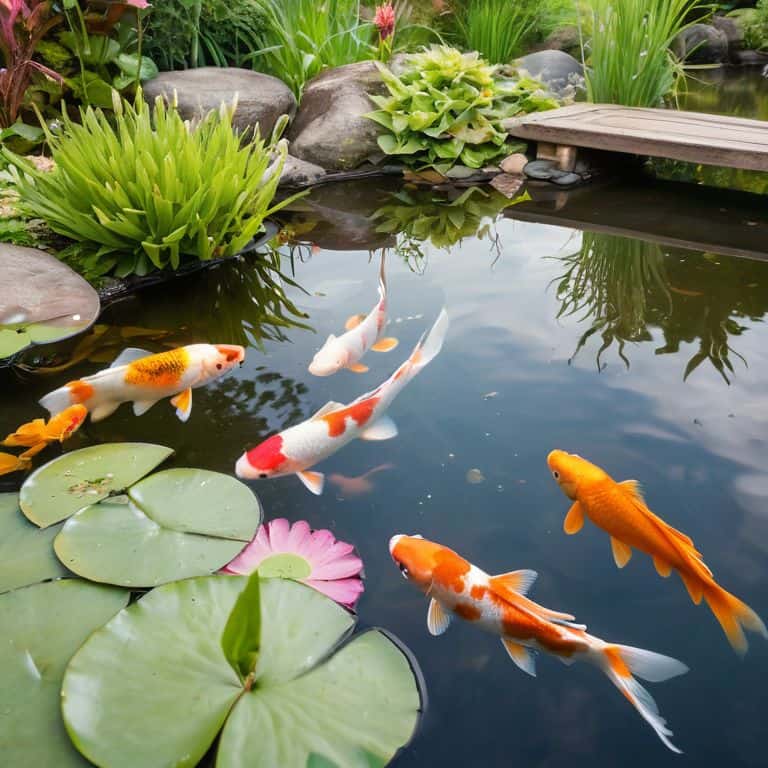
As I reflect on the world of garden pond fish, I’m reminded of the harmony that exists between these gentle creatures and their surroundings. From the vibrant colors of ornamental fish to the serene nature of cold water pond fish, each species brings its unique character to the ecosystem. By following the Ornamental Pond Fish Care Tips and understanding the Pond Fish Feeding Guide for Beginners, you’ll be well on your way to creating a thriving sanctuary. The journey of introducing new fish to your small pond, and watching them flourish, is a truly rewarding experience that deepens your connection with nature.
As you embark on your own garden pond journey, remember that it’s not just about the fish or the plants – it’s about cultivating a sense of wonder and balance within your little corner of the world. Just as my trusty garden tools, like ‘Pruning Pete’ and ‘Watering Wendy’, help me shape and nurture my bonsai landscapes, your careful attention and dedication will bring your garden pond to life, becoming a symbol of peace and a haven for both you and the creatures that call it home.
Frequently Asked Questions
What are the most suitable garden pond fish species for a small pond in a shaded area?
For a small shaded pond, I recommend species like white cloud mountain minnows or pygmy sunfish – they thrive in cooler, quieter waters. My trusty net, Bertha, and I have had great success with these gentle souls, and they add a touch of serenity to any garden oasis.
How often should I clean the pond to keep the water quality optimal for my fish?
To keep the water quality optimal for my finned friends, I recommend cleaning the pond every 1-2 weeks, depending on the size and population. My trusty skimmer, Bertha, and I make it a habit to remove debris and excess nutrients, ensuring a healthy balance for the fish to thrive.
Can I keep both cold-water and warm-water fish together in the same garden pond?
When I’m designing a pond, I get asked this a lot – can I mix cold-water and warm-water fish? Honestly, it’s not recommended, as they have different temperature requirements. My trusty thermometer, ‘Tempy,’ always reminds me to consider the comfort zone of each species. It’s best to choose fish that thrive in the same temperature range to ensure a harmonious ecosystem.