









Choosing the Perfect Location for Your Garden Pond
 January 17, 2026
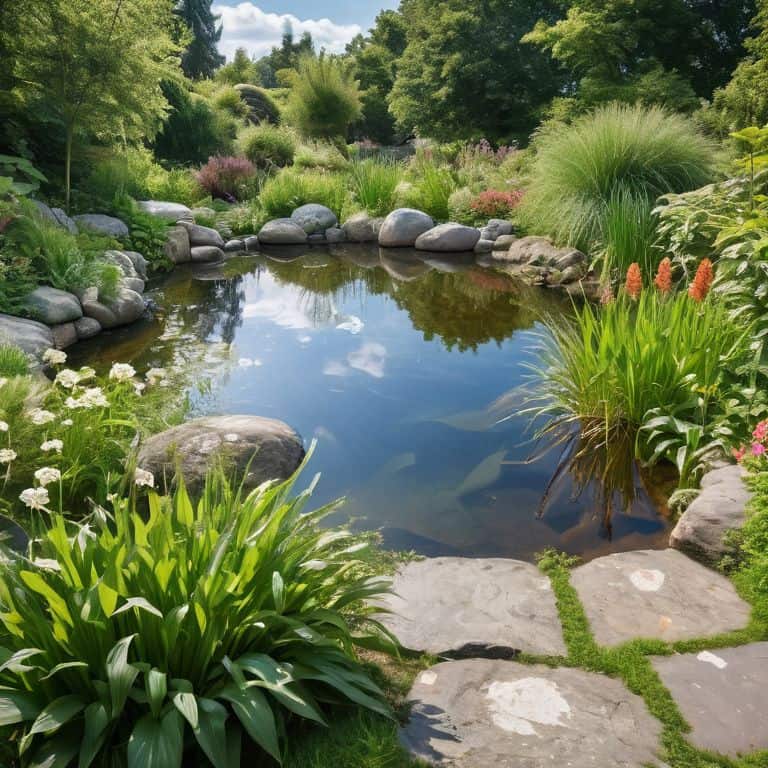
As I stand in my own backyard, surrounded by the serene beauty of my carefully crafted bonsai landscapes, I often think about the common misconceptions people have about garden pond location. Many believe it’s all about slapping a pond in a spot that looks pretty, but the truth is, finding the perfect location is an art that requires listening to the land. I recall a project where I had to redesign a garden pond that was initially placed in a low-lying area, resulting in constant flooding and maintenance issues. This experience taught me the importance of considering factors like sunlight, drainage, and surrounding flora when determining the ideal garden pond location.
In this article, I’ll share my honest, no-hype advice on how to find the perfect spot for your serene garden pond oasis. You’ll learn how to assess your yard’s unique characteristics, from soil composition to sunlight patterns, and use that information to create a thriving ecosystem. I’ll also introduce you to my trusty garden tools, like “Diggy” my shovel and “Sprout” my watering can, who have been instrumental in helping me bring many a garden to life. By the end of this guide, you’ll be equipped with the knowledge to create a garden pond location that not only enhances the beauty of your outdoor space but also provides a peaceful retreat for you and your loved ones to enjoy.
Table of Contents
- Guide Overview: What You'll Need
- Step-by-Step Instructions
- Finding Garden Pond Location
- Nurturing Nature's Harmony: 5 Essential Tips for Selecting the Ideal Garden Pond Location
- Nurturing Serenity: 3 Key Takeaways for Your Garden Pond Oasis
- Embracing the Harmony of Nature
- Embracing the Harmony of Nature: A Reflection on Garden Pond Locations
- Frequently Asked Questions
Guide Overview: What You'll Need
Total Time: 2 hours 30 minutes
Estimated Cost: $50 – $100
Difficulty Level: Intermediate
Tools Required
- Shovel (for digging)
- Level (to ensure even surface)
- Measuring tape (for measuring area)
- Garden hose (for testing water flow)
- String and stakes (for marking pond perimeter)
Supplies & Materials
- Pond liner (large enough to fit chosen location)
- Underlayment material (for protecting liner from sharp objects)
- Gravel or rocks (for lining pond bottom and edges)
- Pump and filtration system (optional, depending on pond size and type)
- Plants and decorative elements (for adding aesthetic value)
Step-by-Step Instructions
- 1. First, take a walk around your yard and get a feel for the natural flow of the land. Notice where the sun rises and sets, and where the shadows fall throughout the day. This will help you determine the best spot for your garden pond, where it can receive the right amount of sunlight to support the types of plants and life you want to cultivate.
- 2. Next, consider the terrain and topography of your yard. Look for areas where the land is relatively flat, or where you can easily create a level surface. Avoid spots with steep slopes or where water may collect and cause erosion. My trusty level, Bertha, always helps me get an accurate reading and ensure the ground is even.
- 3. Now, think about the aesthetic appeal you want to create with your garden pond. Do you want it to be a focal point, or a serene oasis tucked away in a corner? Consider the views from different windows and doors of your home, and how you can place the pond to maximize its visual impact. I like to use my garden gloves, which I’ve named Grip and Grin, to get a feel for the space and imagine the pond’s presence.
- 4. As you narrow down the potential locations, start to think about the logistics of installing and maintaining your garden pond. Consider the proximity to a water source, as well as access to electricity if you plan to add a pump or other features. My shovel, Diggy, is always ready to help me dig and prepare the site.
- 5. With your location options in mind, take some time to observe the area and note any existing microclimates. Check for spots that are protected from strong winds, or where the temperature may be slightly warmer or cooler than the surrounding area. This will help you choose plants and features that are well-suited to the specific conditions of your garden pond.
- 6. Next, use a hose or rope to mark out the potential perimeter of your garden pond. This will give you a sense of the space and help you visualize the pond’s size and shape in relation to the surrounding landscape. I like to use my measuring tape, which I’ve named Measurella, to get an accurate sense of the dimensions and make any necessary adjustments.
- 7. Finally, take a step back and trust your instincts. Listen to the rhythm of the land and let your intuition guide your decision. Remember, the location of your garden pond will set the tone for the entire ecosystem, so choose a spot that feels right and allows you to create a harmonious balance between nature and design. As I always say, “A garden pond is not just a feature, it’s a living, breathing entity that requires care, attention, and a deep connection to the natural world.
Finding Garden Pond Location
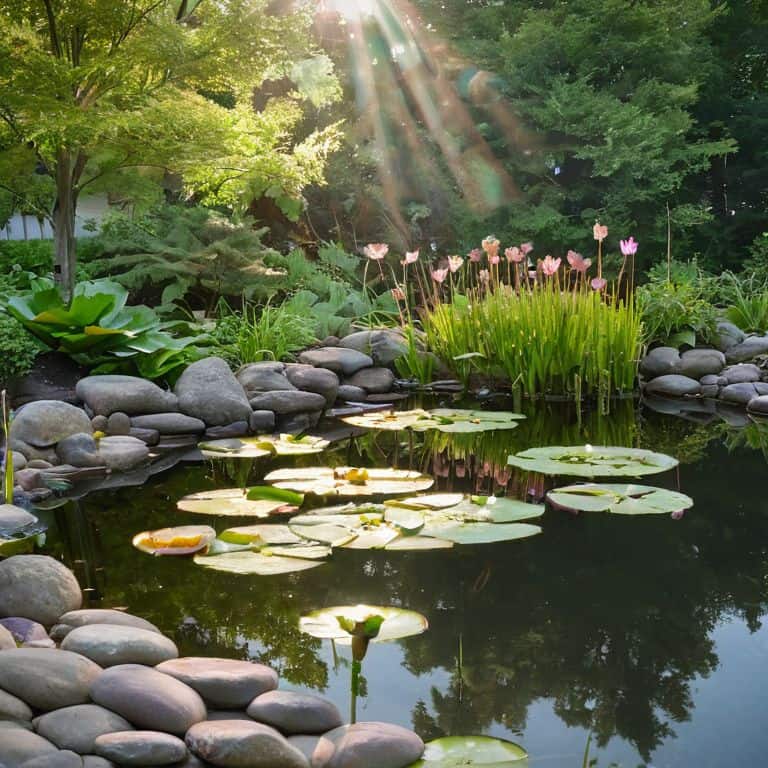
As I wander through my own backyard oasis, I’m reminded of the importance of _natural harmony_ in designing a serene escape. When considering the placement of your water feature, think about the partial shade pond plants that will thrive in your chosen spot. Some plants, like water lilies, love basking in the warm sunlight, while others, like cattails, prefer shadier areas. By selecting the right plants for your pond’s location, you’ll create a balanced ecosystem that’s both visually stunning and low-maintenance.
To achieve a sense of _seclusion_ in your outdoor space, consider the pond placement for wind protection. A well-placed pond can become a tranquil retreat, shielded from harsh winds and prying eyes. I like to use natural barriers, such as trees or shrubs, to create a cozy atmosphere around my ponds. This not only protects the water feature from the elements but also attracts a variety of wildlife, adding to the overall sense of serenity.
In smaller gardens, small garden pond design ideas can be particularly challenging. However, with a little creativity, even the tiniest spaces can become a peaceful haven. I recommend experimenting with different shapes and sizes to find the perfect fit for your yard. By incorporating natural pond filtration systems and carefully selecting plants that thrive in your local climate, you’ll be well on your way to creating a thriving _ecosystem_ that brings joy and relaxation to your outdoor space.
Designing Small Garden Pond Ecosystems
As I gently place my trusty trowel, Bertha, into the earth, I’m reminded of the importance of scale in designing small garden pond ecosystems. When working with limited space, it’s essential to consider the delicate balance between water, plants, and surrounding features. My experience with bonsai landscapes has taught me to think creatively about proportions and harmony. By carefully selecting a variety of plants, such as water lilies or cattails, and incorporating natural elements like rocks or driftwood, you can craft a thriving ecosystem that not only beautifies your outdoor space but also provides a haven for local wildlife.
Where Partial Shade Pond Plants Thrive
As I ponder the perfect spot for a garden pond, I’m reminded of my trusty trowel, Bertha – she’s always helped me uncover hidden gems in the garden. When it comes to partial shade, certain plants truly come alive. I think of the majestic water lilies, their delicate blooms swaying gently in the soft light, or the vibrant irises, their sword-like leaves slicing through the dappled shade. These plants not only add a touch of elegance to the pond’s surroundings but also provide a haven for the local wildlife.
In areas with partial shade, plants like cattails and horsetails thrive, their unique textures and forms adding depth to the landscape. My pruning shears, Sammy, always seem to whisper tales of the garden’s secrets as I work, and I’ve found that these plants respond beautifully to a little TLC. By embracing the nuances of partial shade, we can create a thriving ecosystem that’s as captivating as the bonsai landscapes I love to craft, inspired by the majestic hiking trails of Oregon.
Nurturing Nature's Harmony: 5 Essential Tips for Selecting the Ideal Garden Pond Location
- Consider the lay of the land, just as I do when designing bonsai landscapes inspired by Oregon’s hiking trails, and choose a spot that allows for a natural, effortless flow of water and life
- Listen to the whispers of the wind, and position your pond to minimize turbulence and create a serene, peaceful ambiance, much like the gentle rustle of leaves in my favorite forest glades
- Observe the dance of sunlight and shadows throughout the day, and select a location that provides the perfect balance of light and shade for your desired aquatic plants, remembering that every garden is a unique tapestry
- Respect the natural drainage patterns of your land, and avoid areas with standing water or where water tends to collect, ensuring your pond becomes a thriving, self-sustaining ecosystem, not a stagnant pool
- Envision the interconnectedness of your garden’s ecosystem, and place your pond in a way that fosters biodiversity and creates a haven for local wildlife, just as my trusty garden tools, like ‘Diggy’ the trowel and ‘Sprout’ the cultivator, help me nurture life in every corner of my garden
Nurturing Serenity: 3 Key Takeaways for Your Garden Pond Oasis
As I reflect on my own journey of creating serene garden oases, I’m reminded that the perfect pond location is one that harmonizes with the natural rhythm of your land, taking into account the delicate balance of sunlight, shade, and drainage.
By embracing the art of ecological garden design, you can craft a thriving ecosystem that not only brings you peace but also supports local biodiversity, and I always advise my friends to consider the unique characteristics of their space when selecting plants and features.
Whether you’re designing a small, intimate pond or a larger, more complex water feature, the most important thing to remember is to listen to the land and let its natural beauty guide your vision, just as I do when I’m out in my own garden, chatting with my trusty tools – Bertha the trowel, Sammy the shovel, and the rest of the gang.
Embracing the Harmony of Nature
A garden pond’s location is not just about placing water in a space, but about orchestrating a symphony of light, sound, and life, where every element whispers to the other in perfect harmony.
Dylan Thompson
Embracing the Harmony of Nature: A Reflection on Garden Pond Locations
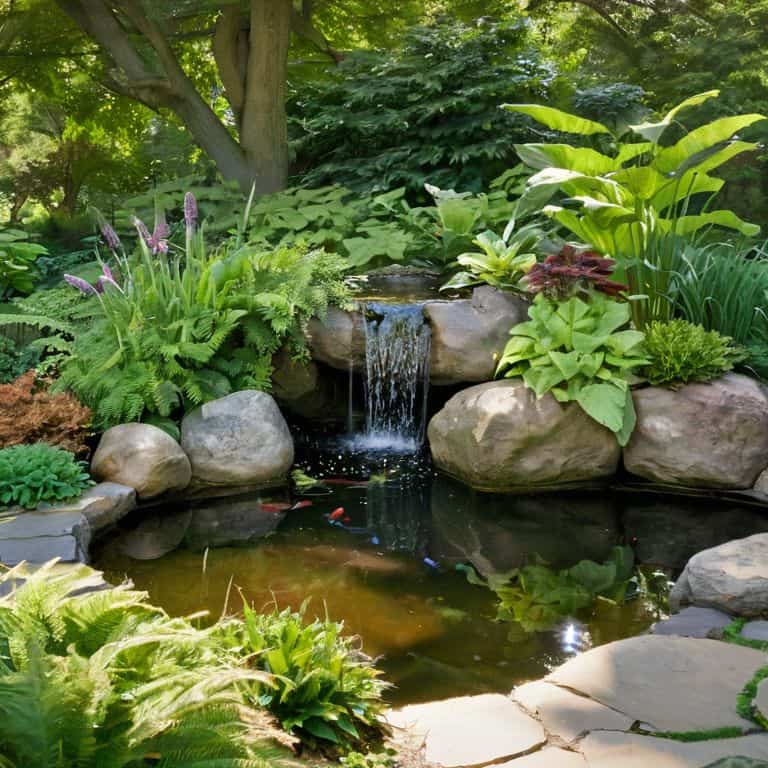
As I reflect on our journey to find the perfect garden pond location, I’m reminded of the importance of listening to the land. We’ve explored the nuances of partial shade and the art of designing small garden pond ecosystems. By considering factors like sunlight, drainage, and the natural rhythm of our surroundings, we can create a serene oasis that not only thrives but also becomes a haven for local biodiversity. Whether you’re a seasoned gardener or just starting out, I encourage you to approach this process with a sense of curiosity and wonder, allowing the unique character of your land to guide your design decisions.
As you embark on your own garden pond journey, I offer you a final thought: the true magic lies not in the destination, but in the journey of creation. The process of nurturing your garden, of watching life flourish under your care, is a profoundly rewarding experience. So, take a deep breath, grab your trusty garden tools – I always talk to mine, and I’m convinced they work better for it! – and let the symphony of nature be your guide. Remember, every garden is a unique tapestry, woven from the threads of earth, water, and sky, and yours is waiting to be crafted with love, care, and a deep appreciation for the natural world.
Frequently Asked Questions
How can I determine the optimal size of my garden pond based on the space available and the type of plants I want to feature?
To determine the optimal size of your garden pond, I recommend considering the mature size of the plants you’ve chosen and the space where the pond will reside. My trusty tape measure, Bertha, and I always assess the area together, ensuring a harmonious balance between water and greenery.
What are some creative ways to incorporate a garden pond into a small or irregularly shaped yard?
For small or irregularly shaped yards, I love using curved pond lines to mirror the natural contours of the land. My trusty trowel, Bertha, and I will often carve out a serene oasis in the most unexpected nooks, creating a sense of fluidity and harmony amidst the constraints of space.
How can I ensure that my garden pond is safe for pets and children, while still maintaining its natural beauty and ecosystem?
As I prune my bonsai with Bertha, my trusty shears, I consider safety and serenity. For pet and child-friendly ponds, I recommend shallow waters, gentle slopes, and soft edges, like my favorite hiking trail’s mossy banks, where kids and pets can play while nature thrives.