









Attracting Wildlife to Your Garden: a Guide to Natural Habitats
 June 26, 2025
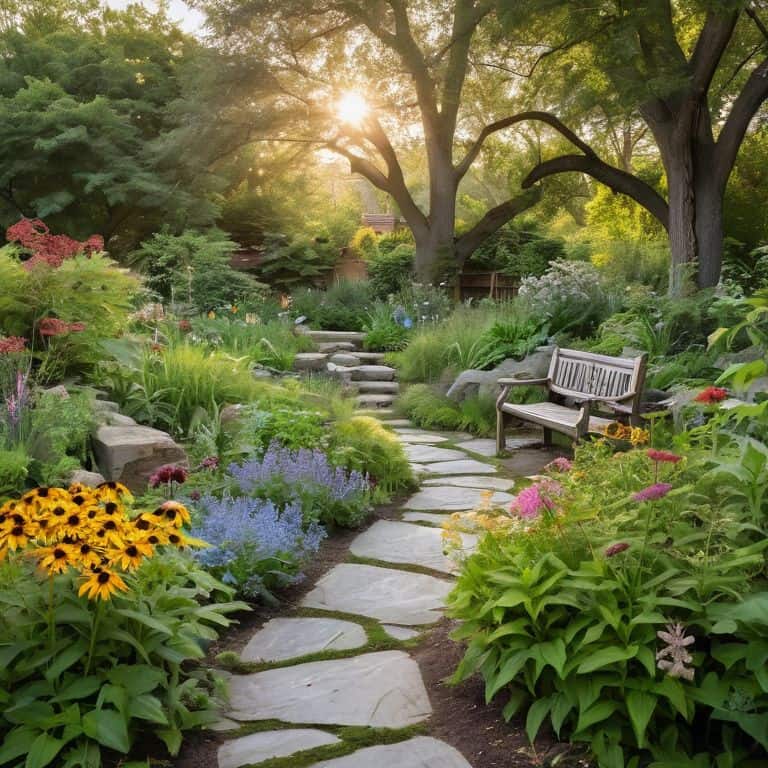
As I step into my own wildlife-friendly garden, I’m often met with the misconception that creating such a space requires a vast, untouched wilderness. But the truth is, even the smallest of yards can be transformed into a thriving oasis that welcomes all sorts of amazing creatures. I’ve seen it time and time again, from my childhood on a small organic farm in Oregon to my current work as an ecological garden designer. The key is not the size of the space, but rather the intention and care with which we tend to it.
In this article, I’ll share with you my practical tips and personal anecdotes for crafting a wildlife-friendly garden that sings with life. From choosing the right plants to creating a haven for local wildlife, I’ll guide you through the process of turning your yard into a vibrant ecosystem. You’ll learn how to listen to the rhythm of nature and create a space that not only benefits the environment, but also brings you peace and tranquility. So, let’s get started on this journey together, and turn your outdoor space into a haven for both you and the wildlife that calls it home.
Table of Contents
- Guide Overview: What You'll Need
- Step-by-Step Instructions
- Whispers of a Wildlife Friendly Garden
- Nurturing Nature: 5 Essential Tips for a Thriving Wildlife-Friendly Garden
- Cultivating Life: 3 Key Takeaways for Your Wildlife-Friendly Garden
- Nurturing Nature's Harmony
- Embracing the Harmony of Nature
- Frequently Asked Questions
Guide Overview: What You'll Need
Total Time: 4 hours 30 minutes
Estimated Cost: $100 – $200
Difficulty Level: Intermediate
Tools Required
- Shovel (for digging and planting)
- Rake (for soil preparation)
- Pruning Shears (for trimming plants)
- Garden Hose (with spray nozzle)
- Measuring Tape (for measuring garden beds)
- Gloves (for protection while gardening)
Supplies & Materials
- Native Plants (choose plants suitable for your region)
- Organic Soil (enriched with compost)
- Mulch (made from natural materials like wood or bark)
- Birdhouse or Bird Feeder (optional, but recommended for attracting wildlife)
- Rock or Stone (for decorative purposes and to create a habitat for small animals)
- Water Feature (such as a small pond or fountain, optional)
Step-by-Step Instructions
- 1. First, let’s start by assessing our yard’s unique characteristics, taking note of the sunlight patterns and soil types that will help us determine the perfect blend of plants to attract a diverse range of wildlife. As I always say to my trusty garden tool, Bertha the trowel, “A little observation goes a long way, my friend!” I recall a time when I was designing a garden for a client, and we discovered a hidden corner that received the perfect amount of shade, which became a haven for a family of rabbits.
- 2. Next, we’ll choose a variety of native plants that will provide a constant source of food and shelter for our wildlife friends, from towering trees to ground-covering wildflowers. I like to think of this step as creating a grand buffet, where every creature can find something to satisfy their hunger. My garden tool, Sammy the pruner, always seems to get excited when we’re selecting new plants, and I have to remind him to “keep those blades sharp, my friend, we’ve got some serious pruning to do!
- 3. Now, let’s talk about water features, which are essential for attracting birds, bees, and butterflies to our garden. We can install a small pond, a birdbath, or even a simple dish filled with fresh water and a few rocks for perching. I remember a time when I created a miniature pond in my own garden, and it became a favorite spot for a family of frogs, who would serenade me with their sweet melodies every evening. As I worked, my garden tool, Lola the level, helped me ensure that the water’s surface was perfectly still, reflecting the beauty of the surrounding landscape.
- 4. To create a welcoming habitat for wildlife, we need to provide shelter and nesting sites. This can be achieved by incorporating native shrubs, trees, and rock piles into our garden design. I like to think of these structures as cozy little homes, where creatures can feel safe and protected. My garden tool, Max the mower, always seems to enjoy helping me trim the shrubs, and I have to remind him to “take it easy, my friend, we don’t want to disturb our furry and feathered friends.
- 5. As we design our wildlife-friendly garden, let’s not forget about the importance of layering, which involves creating a diverse range of heights and textures to provide habitat for a variety of species. This can be achieved by incorporating a mix of grasses, shrubs, and trees, as well as leaving some areas of the garden untidy, with leaves and branches scattered about. I recall a time when I was working on a garden project, and my client asked me to leave a certain area “wild,” which became a haven for a family of deer, who would visit every morning to graze on the lush undergrowth.
- 6. Another crucial step in creating a wildlife-friendly garden is to reduce our use of pesticides and herbicides, which can harm or even kill the very creatures we’re trying to attract. Instead, let’s focus on using natural methods to control pests and weeds, such as introducing beneficial insects or using physical barriers to prevent unwanted growth. My garden tool, Charlie the cultivator, always seems to appreciate my commitment to organic gardening, and I have to thank him for helping me turn the soil, which becomes a vibrant tapestry of life and color.
- 7. Finally, let’s not forget to add some personality to our garden by incorporating features that reflect our own unique style and creativity. This can be achieved by adding a sculpture, a mosaic, or even a simple bench, where we can sit and enjoy the beauty of nature. I like to think of this step as the icing on the cake, where we get to express ourselves and make our garden truly special. As I always say to my garden tools, “The most important thing is to have fun and enjoy the journey, my friends, for in the end, it’s all about creating a sanctuary that brings us joy and peace.
Whispers of a Wildlife Friendly Garden
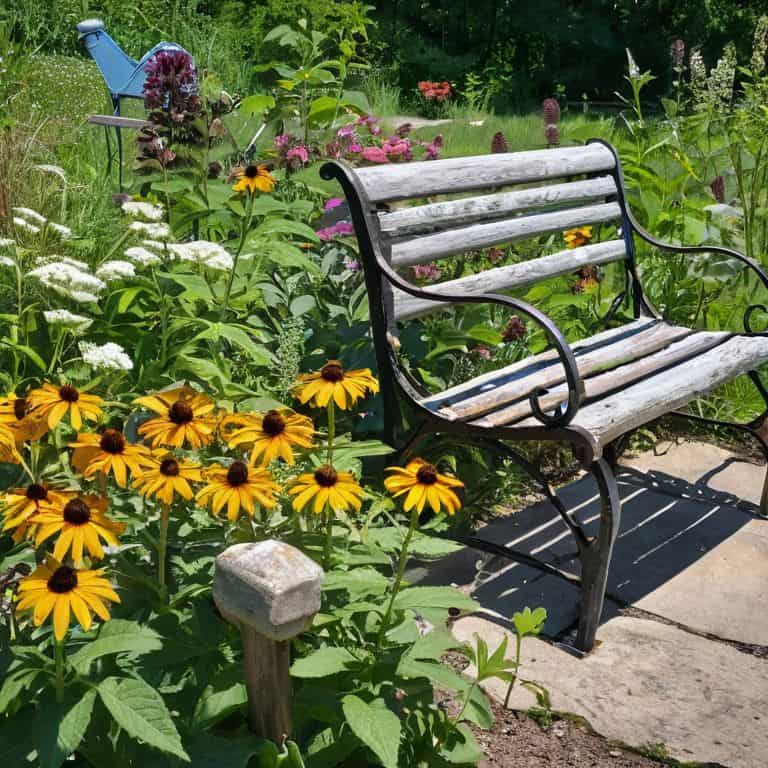
As I tend to my own garden, I’ve come to realize the importance of native plant species in creating a haven for local wildlife. By incorporating these plants into our garden designs, we can provide a sense of familiarity and comfort for the creatures that visit us. My trusty gardening companion, a trowel I’ve named Terra, helps me gently plant these species, and I’ve noticed a significant increase in the variety of birds and insects that stop by.
When it comes to creating a pollinator garden, it’s essential to consider the layout and placement of plants. I like to think of it as composing a symphony, where each plant plays a unique role in attracting a diverse range of pollinators. My pruners, which I’ve named Pete and Paula, are always by my side as I shape and prune the plants to ensure maximum visibility and accessibility for our buzzing friends.
In smaller spaces, sustainable gardening practices become even more crucial. By adopting these practices, we can maintain a healthy and thriving ecosystem, even in the midst of urban landscapes. As I work, I often talk to my gardening tools, and I’ve found that they seem to perform better when acknowledged. My rake, Rachel, is particularly skilled at helping me attract birds to your garden by creating the perfect balance of open spaces and plant cover.
Native Blooms for Busy Bees
As I weave through my garden, I notice the busy bees flitting from bloom to bloom, collecting nectar with glee. My trusty pruners, Bertha, and I have carefully selected native flowers that provide a feast for these tiny creatures. The gentle sway of Oregon sunshine flowers and the vibrant petals of lupines create a welcoming tapestry for bees to thrive. I recall my childhood days on the farm, watching bees dance among the wildflowers, and I strive to recreate that magic in every garden I design.
By incorporating native blooms, we invite bees to take up residence, and as they buzz from flower to flower, they pollinate and bring life to our gardens. I’ve found that my trowel, Terra, seems to scoop out the perfect holes for these native treasures, as if she knows the secret to making them feel at home. As the seasons change, the native blooms will continue to provide a haven for busy bees, and I’ll be here, tending to my garden, listening to the whispers of the wild, and sharing its secrets with you.
Sustainable Spaces for Small Wildlife Havens
As I tenderly prune my bonsai trees with Bertha, my trusty pruning shears, I’m reminded of the importance of sustainable spaces in our wildlife-friendly gardens. Even the smallest areas can become thriving havens for local wildlife. I recall a particularly small garden I designed, where we incorporated a tiny pond and a few native plants, which soon became a bustling hub for birds and bees. My friend, Sammy the spade, helped me dig that pond, and I must say, he did an excellent job.
In small spaces, every element counts, so choose plants that serve multiple purposes, like providing food and shelter for wildlife. Consider using recycled materials for your garden features, like old wooden barrels or repurposed stone. With a little creativity, even the tiniest gardens can become vibrant oases, welcoming all sorts of amazing creatures to the party.
Nurturing Nature: 5 Essential Tips for a Thriving Wildlife-Friendly Garden
- Let your garden grow wild and free, just like my beloved hiking trails, by incorporating native plants that provide shelter and food for local wildlife
- Welcome the gentle hum of bees and butterflies by planting a diverse array of native blooms, like the ones I lovingly tend to in my own bonsai landscapes
- Provide a source of fresh water, like a shallow dish or birdbath, and keep it clean and free of bacteria to ensure the health and happiness of your feathered and furry friends
- Create a cozy habitat for small creatures by leaving some areas of your garden untidy, with leaves and twigs intact, and consider adding a few rocks or logs for them to call home
- Observe and learn from your garden’s rhythms and seasons, just as I do when I’m out hiking or tending to my trusty garden tools, like my faithful pruning shears, Bertha, and my reliable trowel, Terra
Cultivating Life: 3 Key Takeaways for Your Wildlife-Friendly Garden
As we conclude our journey through the realm of wildlife-friendly gardens, remember that every petal, every leaf, and every creature plays a vital role in the grand symphony of nature – so let’s tune our gardens to sing in harmony with the wild
By embracing native blooms, sustainable spaces, and a deep respect for the interconnectedness of all living beings, we can transform our yards into thriving oases that welcome and nurture the beauty of the natural world
Whether you’re a seasoned gardener or just starting to get your hands dirty, the most important thing is to listen to the whispers of the wild and let your garden be a reflection of your love and appreciation for the land, the creatures, and the magic that unfolds when we tend to the earth with care and devotion
Nurturing Nature's Harmony
As we tenderly craft our wildlife-friendly gardens, we’re not just cultivating a haven for creatures, we’re orchestrating a symphony of life, where every petal, leaf, and song blends into a majestic celebration of biodiversity and wonder.
Dylan Thompson
Embracing the Harmony of Nature
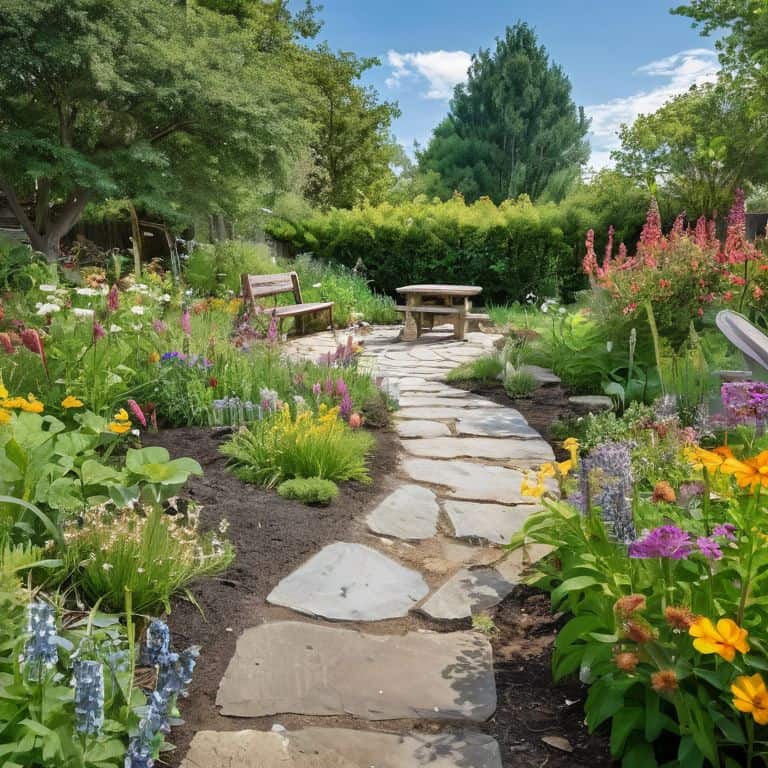
As we conclude our journey to create a wildlife-friendly garden, let’s reflect on the key elements that bring this vision to life. We’ve explored the importance of native blooms for busy bees, and how even small, sustainable spaces can become thriving havens for local wildlife. By incorporating these principles, we not only enhance biodiversity but also create a serene oasis that resonates with the rhythm of nature. It’s about embracing a holistic approach to gardening, where every plant, every stone, and every drop of water plays a vital role in the ecosystem. My trusty garden tools, like Bertha the trowel and Sammy the pruner, have been indispensable in this process, reminding me that even the smallest actions can lead to significant positive change.
As we step back to admire our handiwork, let’s remember that a wildlife-friendly garden is more than just a beautiful space – it’s a symbol of hope and a testament to our ability to live in harmony with nature. So, let’s continue to nurture these green sanctuaries, and as we do, let’s inspire others to join us on this journey. Together, we can weave a tapestry of life that celebrates biodiversity and fosters a deeper connection with the natural world, one garden at a time. And as I return to my bonsai landscapes, I’m reminded that the art of gardening is not just about growth, but about the stories we tell through the landscapes we create.
Frequently Asked Questions
How can I ensure that my wildlife-friendly garden is also safe for my pets to roam around in?
As I prune the lavender with my trusty shears, Bertha, I’m reminded to consider pet-friendly plants and avoid toxic ones. Choose non-toxic blooms like zinnias or sunflowers, and keep an eye on your furry friends as they explore, just as I do with my own companions on our hikes.
What are some beginner-friendly native plants that can attract a variety of pollinators to my garden?
My friend, let me introduce you to some of my favorites – coneflowers, black-eyed susans, and lavender. These native blooms are absolute magnets for busy bees, butterflies, and hummingbirds. I like to think of them as the welcoming committee for your wildlife-friendly garden. My trusty trowel, Bertha, and I just adore planting them, watching as they burst into color and life, inviting all sorts of wonderful pollinators to the party.
Are there any specific design elements or features that I can incorporate into my small backyard to create a thriving wildlife haven?
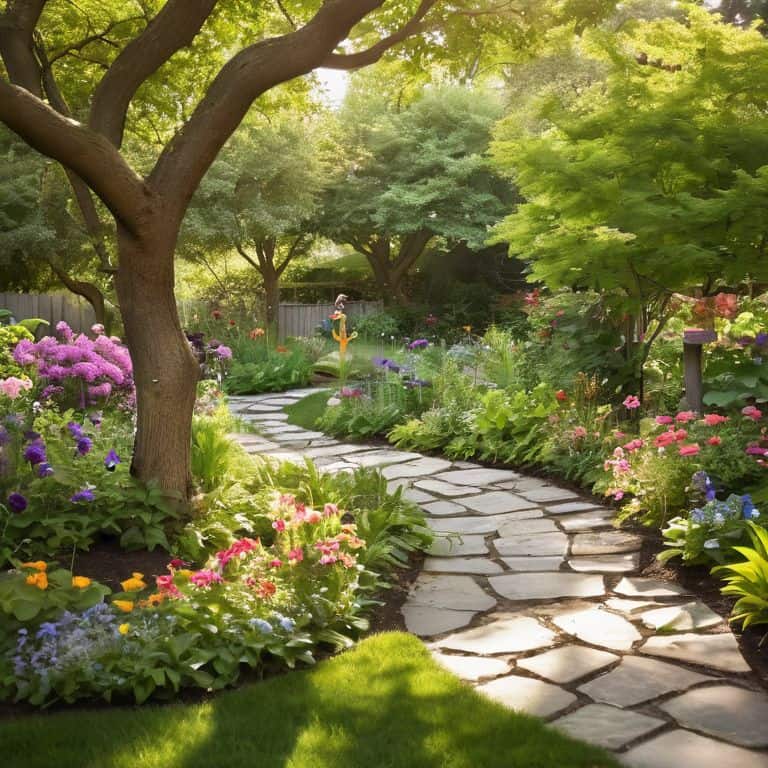
My friend, let me whisper a secret: incorporating a meandering stone path, a tiny pond, or a rock pile can become a haven for small creatures. My trusty trowel, Bertha, and I just love crafting such inviting spaces, don’t we, Bertha? These features will attract all sorts of fascinating wildlife to your backyard sanctuary.