









The Ultimate Guide to Butterfly Gardens: Plants and Maintenance
 December 27, 2025
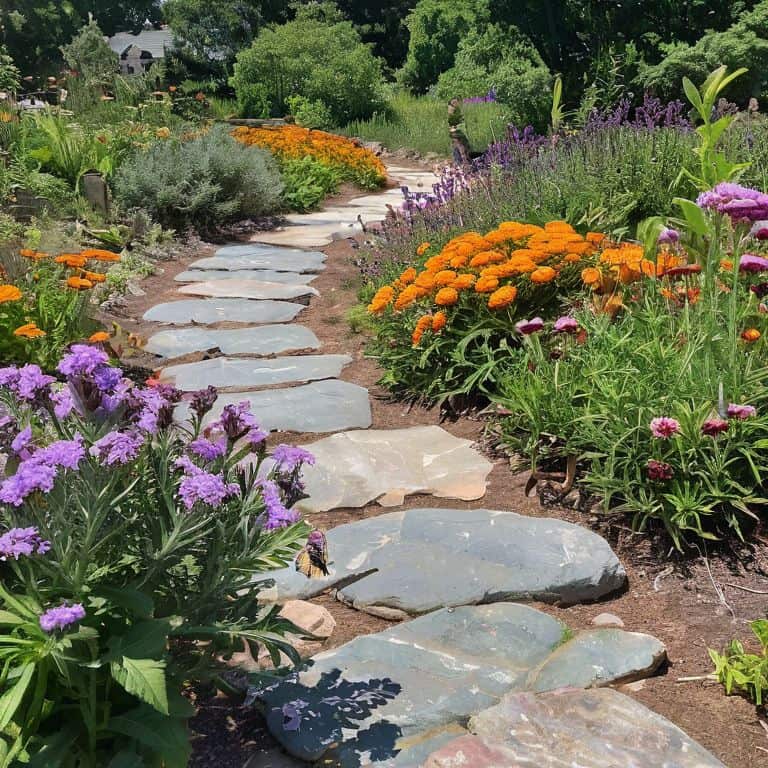
As I sit amidst my butterfly garden, surrounded by the gentle flutter of wings and the sweet scent of blooming flowers, I’m reminded of a common myth that often discourages people from creating their own oasis: that it’s a daunting, expensive task. But the truth is, crafting a haven for these delicate creatures can be a serenely simple process, one that brings immense joy and a deeper connection to nature. My trusty garden tools, like my faithful pruners, Bertha, and my reliable trowel, Terry, have been instrumental in helping me shape this little slice of heaven.
In this article, I promise to share practical, no-nonsense advice on how to create a thriving butterfly garden that will attract these beautiful creatures and provide a serene escape from the hustle and bustle of daily life. From choosing the right plants to understanding the importance of water features, I’ll guide you through the process with the same enthusiasm and care that I bring to my own gardening endeavors. So, let’s get our hands dirty and create a haven that will make your heart sing, and your spirit soar, as you watch the butterflies dance amidst the beauty you’ve created.
Table of Contents
- Guide Overview: What You'll Need
- Step-by-Step Instructions
- Butterfly Garden Oasis
- Nurturing Wings: 5 Essential Tips for a Thriving Butterfly Garden
- Nurturing Life: 3 Key Takeaways for Your Butterfly Garden Oasis
- Nurturing Nature's Harmony
- Conclusion: Nurturing Life and Beauty
- Frequently Asked Questions
Guide Overview: What You'll Need
Total Time: 4 hours 30 minutes
Estimated Cost: $50 – $100
Difficulty Level: Intermediate
Tools Required
- Shovel (for digging and planting)
- Rake (for leveling and smoothing soil)
- Pruning Shears (for trimming plants)
- Gardening Gloves (for protection while gardening)
- Measuring Tape (for measuring garden space)
- Watering Can (for watering plants)
Supplies & Materials
- Butterfly-friendly Plants (such as milkweed, butterfly bush, and lantana)
- Soil (with a mix specifically designed for gardening)
- Compost (to enrich soil and promote healthy plant growth)
- Mulch (to retain moisture and suppress weeds)
- Gravel (for drainage and decoration)
- Pond or Water Feature (optional, for providing a water source for butterflies)
- 2-in x 6-in lumber (for creating a garden border or raised bed)
- Wire Mesh (for protecting plants from pests)
- Stakes (for supporting tall plants)
Step-by-Step Instructions
- 1. First, let’s start by selecting the perfect location for our butterfly garden. We’re looking for a spot that receives full sun to partial shade, as most butterfly-friendly plants require at least six hours of direct sunlight per day. I like to think of this step as giving my garden tools, like my trusty shovel “Bertha,” a sense of purpose – we’re working together to create a haven for these delicate creatures.
- 2. Next, we need to prepare the soil for our butterfly garden. This involves _loosening the top layer_ of soil to a depth of about 12 inches, adding a mix of compost and organic fertilizer to give our plants a nutrient-rich foundation. As I work the soil, I often chat with my trowel “Terry,” encouraging him to help me create a smooth, even texture that will support the roots of our plants.
- 3. Now it’s time to choose the star attractions of our butterfly garden: the plants. We’ll want to select a variety of nectar-rich flowers, such as butterfly bush, lantana, and zinnias, as well as host plants that will provide food for caterpillars, like milkweed and dill. I find that my pruners “Pete” are particularly helpful during this step, as we carefully trim and shape our plants to create a welcoming environment for our winged friends.
- 4. With our plants in place, it’s essential to create a water source that will attract butterflies and other pollinators. This can be as simple as a shallow dish filled with fresh water and a few rocks or twigs for perching, or as elaborate as a small pond with a fountain. As I work on this step, I often think about the _importance of hydration_ in our own lives, and how it’s just as crucial for the creatures we’re trying to attract.
- 5. To add some extra charm to our butterfly garden, let’s incorporate some _natural elements_ like logs, branches, and rocks. These will provide perching sites for butterflies and other insects, as well as create a sense of texture and visual interest. My rake “Ralph” is particularly useful during this step, as we gently arrange our natural elements to create a sense of balance and harmony.
- 6. As we continue to develop our butterfly garden, it’s essential to consider the surrounding environment. We’ll want to avoid using pesticides or other chemicals that could harm our butterflies, and instead opt for natural methods of pest control, like introducing beneficial insects or using physical barriers. I often find myself chatting with my hoe “Hank” about the _importance of ecosystem balance_, and how our choices can have a ripple effect on the entire environment.
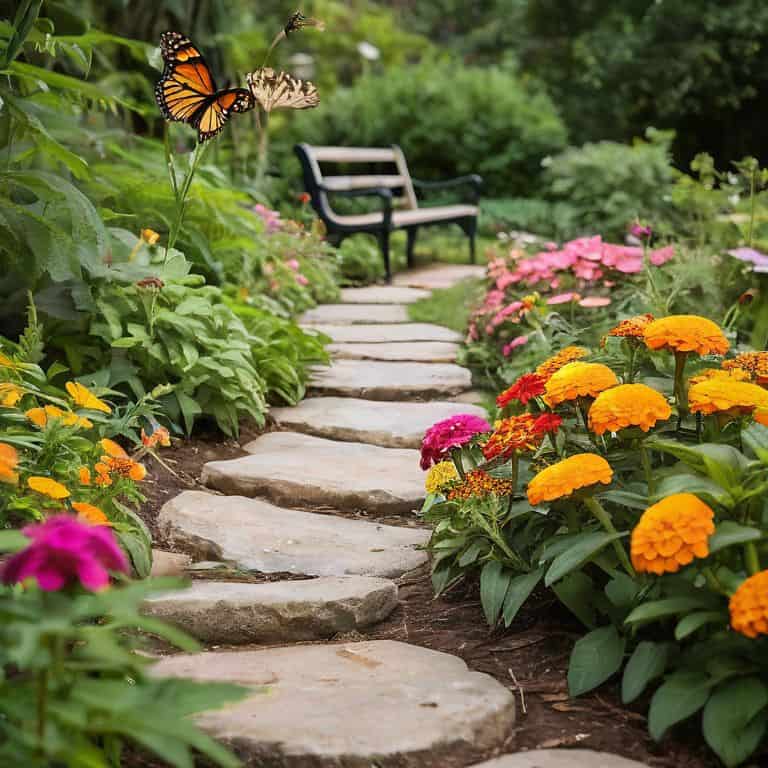
- 7. Finally, let’s not forget to _add some personality_ to our butterfly garden. This can be as simple as adding a few decorative stones or a handmade garden sculpture, or as elaborate as creating a meandering path or a secluded seating area. As I put the finishing touches on our garden, I like to think that my tools and I have created something truly special – a haven for butterflies and a peaceful retreat for those who visit.
Butterfly Garden Oasis
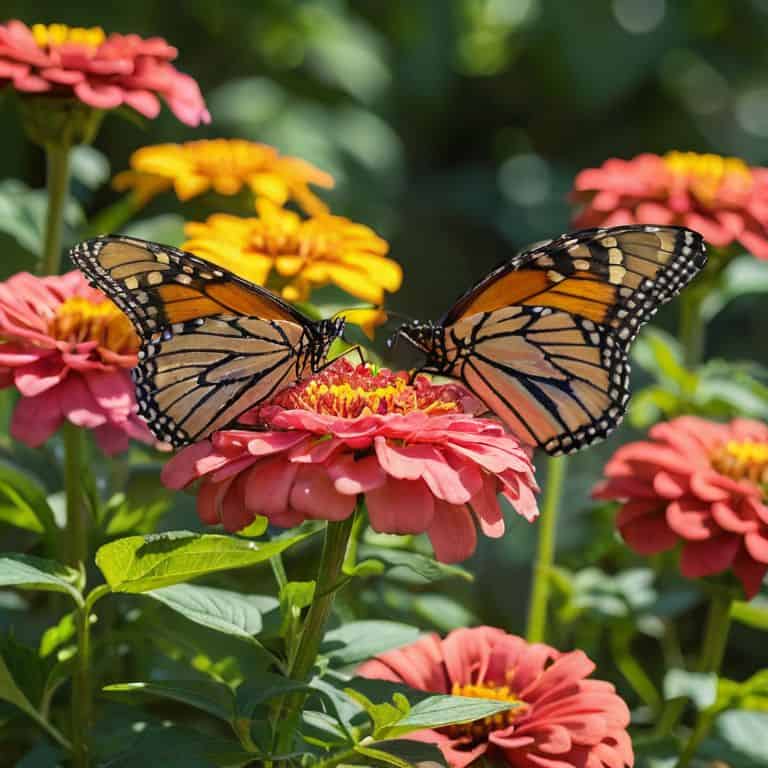
As I tend to my own pollinator paradise, I’m reminded of the importance of choosing the right flowers to attract these delicate creatures. Butterfly friendly flowers like milkweed, zinnias, and cosmos are staples in my garden, providing a rich source of nectar for our winged friends. I recall a particularly vibrant patch of zinnias I planted last summer, which became a hotspot for monarchs and swallowtails alike.
When it comes to garden design for butterflies, it’s essential to consider the layout and flow of your space. I like to think of my garden as a meandering journey, with different areas dedicated to specific types of plants and flowers. This not only creates a sense of discovery but also allows me to observe and learn from the different species that visit. My trusty garden tool, Bertha the pruner, has been instrumental in shaping the delicate branches of my shrubs to provide the perfect perches for butterflies.
As I sit amidst my lush oasis, surrounded by the gentle hum of insects, I’m filled with a sense of pride and accomplishment. Creating a monarch butterfly garden requires dedication and patience, but the rewards are well worth it. With regular garden maintenance tips, such as deadheading flowers and providing a source of water, you can ensure your garden remains a thriving haven for these incredible creatures. I often find myself chatting with my garden tools, like Sammy the rake, as we work together to keep the garden thriving.
Butterfly Friendly Flowers Bloom
As I tenderly plant each bloom, I whisper words of encouragement to my trusty trowel, Bertha, and gentle pruner, Sammy. They seem to hum with delight as we work together to bring forth a tapestry of colors. Butterfly-friendly flowers like lavender, coneflowers, and black-eyed susans begin to bloom, their sweet fragrance wafting through the air, beckoning in these delicate creatures.
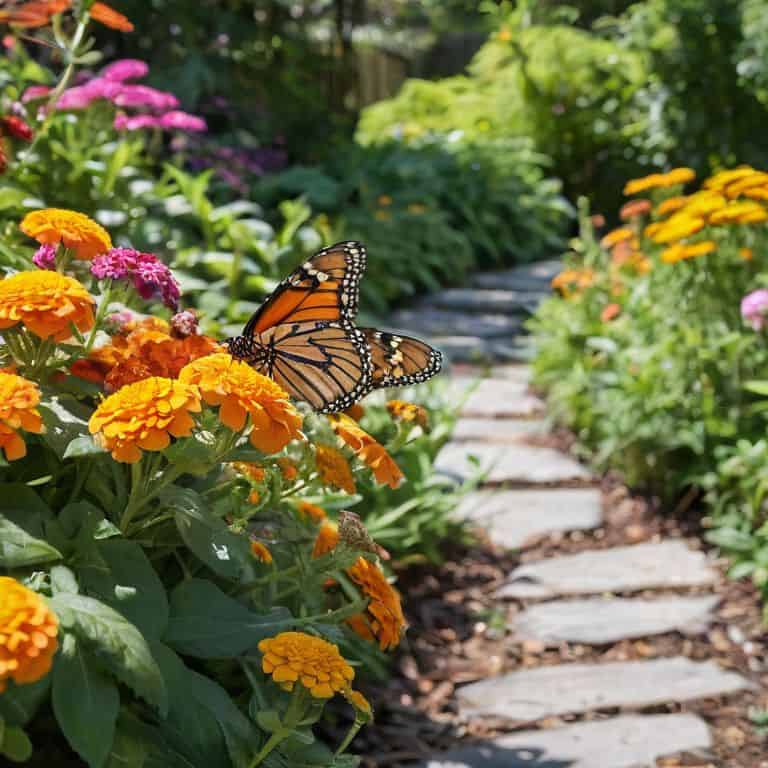
The gentle dance of butterflies around these blooms is a sight to behold, their iridescent wings glimmering in the sunlight as they flit from flower to flower, sipping nectar and spreading pollen. It’s a truly magical experience, one that I feel grateful to have in my own backyard oasis, and one that I hope to inspire in yours.
Creating Pollinator Havens
As I tend to my own butterfly garden, I’m reminded of the importance of creating pollinator havens. My trusty gardening shears, Bertha, and I work together to prune and shape the plants, allowing for maximum sunlight and air circulation. By incorporating a mix of native flowers, shrubs, and trees, we can provide a haven for these delicate creatures to thrive. I recall a particularly vibrant patch of lavender, lovingly tended by my tool, Lola the cultivator, which attracted a swarm of butterflies and bees, their gentle hum a soothing serenade to my gardening endeavors.
In these havens, life bursts forth in a kaleidoscope of colors and scents, a true sanctuary for pollinators. As I work, I feel a sense of harmony with nature, my tools and I working in tandem to create a thriving ecosystem. With each snip and prune, I’m reminded of the interconnectedness of our natural world, and the vital role we play as guardians of these pollinator havens.
Nurturing Wings: 5 Essential Tips for a Thriving Butterfly Garden
- Choose a sunny spot for your butterfly garden, as these delicate creatures are cold-blooded and need warmth to fly, just like how my trusty garden tool, Sunny the shovel, loves basking in the warmth as I work
- Select a variety of nectar-rich flowers that bloom at different times, creating a constant source of food for your butterfly friends, much like the vibrant blooms in my bonsai landscapes inspired by Oregon’s wild trails
- Incorporate host plants specific to the species of butterflies you want to attract, providing a safe haven for them to lay their eggs and for their caterpillars to grow, a lesson I learned from tending to my parents’ organic farm
- Maintain a pesticide-free garden, as these chemicals can harm or kill butterflies, and instead use natural methods to control pests, just as I do in my own garden with the help of my faithful companion, Daisy the rake
- Create a shallow water source, like a birdbath or puddling station, where butterflies can gather to drink and extract minerals, a feature I always include in my ecological garden designs, with a little advice from my wise old friend, River the watering can
Nurturing Life: 3 Key Takeaways for Your Butterfly Garden Oasis
As I tend to my own bonsai landscapes, I’m reminded that creating a butterfly garden is not just about planting flowers, but about crafting a haven that resonates with the gentle hum of nature – a symphony that my trusty garden tools, like ‘Petunia the Pruner’ and ‘Blossom the Rake’, help me conduct
By incorporating a diverse array of butterfly-friendly flowers, such as lavender and coneflowers, into your garden design, you’ll be welcoming these delicate creatures into your outdoor sanctuary and supporting the local pollinator population – a fact that fills me with serenely enthusiastic joy
Remember, the art of gardening is a journey, not a destination – as you nurture your butterfly garden, observe the nuances of nature, and allow yourself to be inspired by the ever-changing tapestry of life, just as I am when I’m hiking through the rolling hills of Oregon, seeking inspiration for my next bonsai masterpiece
Nurturing Nature's Harmony
A butterfly garden is not just a collection of flowers, but a symphony of life, where every petal, every leaf, and every wingbeat contributes to a majestic dance of biodiversity and beauty.
Dylan Thompson
Conclusion: Nurturing Life and Beauty
As we conclude our journey to creating a butterfly garden, let’s reflect on the key elements that bring this haven to life. From choosing the right butterfly-friendly flowers to crafting a pollinator haven, every step is a testament to the beauty of nurturing life. By following these steps and adding your personal touch, you’ll not only attract these delicate creatures but also contribute to the local biodiversity. Remember, it’s the small details, like the gentle dance of butterflies around your garden, that make this journey truly rewarding.
As you stand amidst your thriving butterfly garden, surrounded by the soft whispers of wings, remember that you’re not just a gardener, you’re a guardian of nature. Your garden is a beacon of hope, a symbol of the harmony between humans and the natural world. So, let’s continue to nurture these green sanctuaries, one garden at a time, and inspire others to do the same, for in doing so, we weave a tapestry of life, beauty, and wonder that will flourish for generations to come.
Frequently Asked Questions
What are the most attractive plants for a butterfly garden in my local climate?
My friend, I’m glad you asked. In your local climate, consider planting vibrant blooms like milkweed, zinnias, and cosmos, which are sure to attract these delicate creatures. My trusty pruners, ‘Snippy’ and ‘Clippy,’ always seem to whisper suggestions for the perfect pollinator pairings, and I’m happy to share their wisdom with you.
How can I ensure a constant source of water for the butterflies without creating a breeding ground for mosquitoes?
My friend, I’m glad you asked. I recall a similar concern when designing a butterfly garden for a client in Portland. To keep mosquitoes at bay, I recommend using a shallow dish with fresh water and a few rocks for the butterflies to land on, while also incorporating a gentle water circulation system, like a small solar-powered fountain, to prevent stagnation – my trusty watering can, Bertha, agrees it’s a great solution.
What are some creative ways to incorporate native plants and natural elements into my butterfly garden design?
As I gently prune with my trusty shears, Bertha, I ponder the beauty of native plants in butterfly gardens. Consider incorporating indigenous wildflowers, like Oregon’s own lupine, and natural elements, such as weathered stone or driftwood, to create a harmonious haven that whispers to the butterflies, “you belong here.