









Shanzhai: How Chinese ‘fake’ Culture Is Actually a Hotbed of Innovation
 December 30, 2025
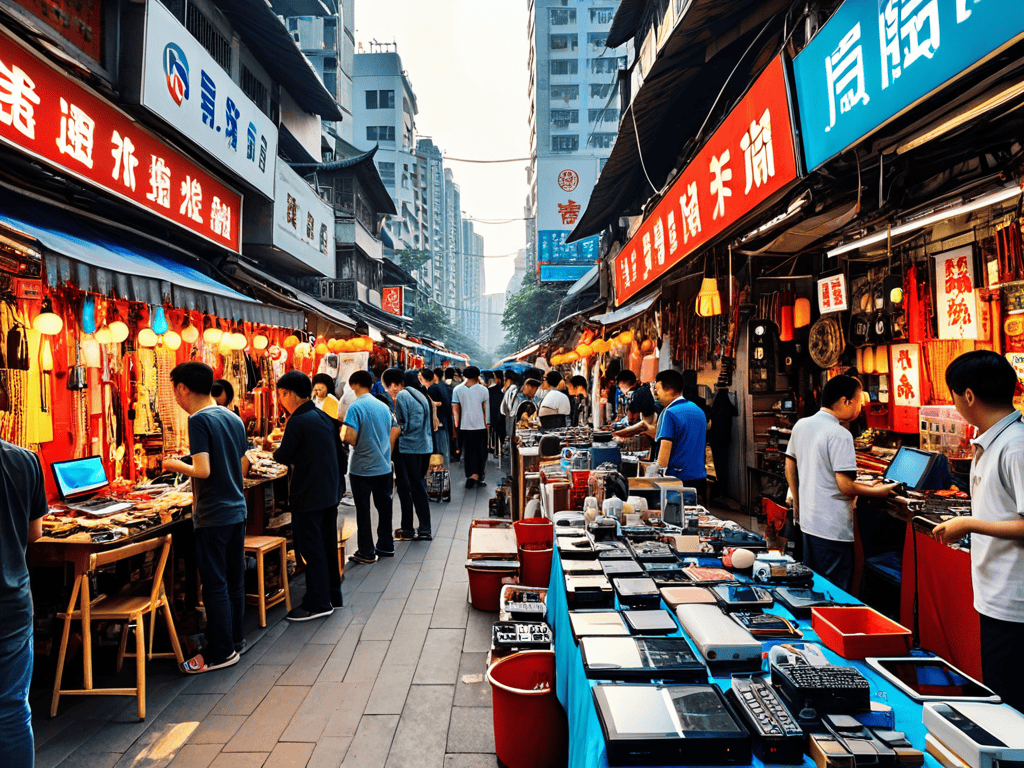
I still remember the first time I stumbled upon a Shanzhai Culture market in China – the smell of cheap plastic and the sound of vendors calling out to passersby is forever etched in my memory. It was a surreal experience, walking through rows of counterfeit goods that mimicked popular brands with eerie precision. As I delved deeper into this world, I realized that Shanzhai Culture is more than just a phenomenon of fake products – it’s a complex web of cultural exchange, economic necessity, and creative expression.
As someone who’s spent years navigating the intricacies of Shanzhai Culture, I’m tired of the sensationalized stories and overcomplicated analysis that dominate the conversation. In this article, I promise to cut through the hype and provide you with a no-nonsense guide to understanding the real essence of Shanzhai Culture. I’ll share my personal experiences, insights, and observations to help you make sense of this fascinating world. Whether you’re a curious observer or a seasoned enthusiast, I invite you to join me on this journey into the heart of Shanzhai Culture, where the lines between authenticity and imitation are constantly blurred.
Table of Contents
Unpacking Shanzhai Culture
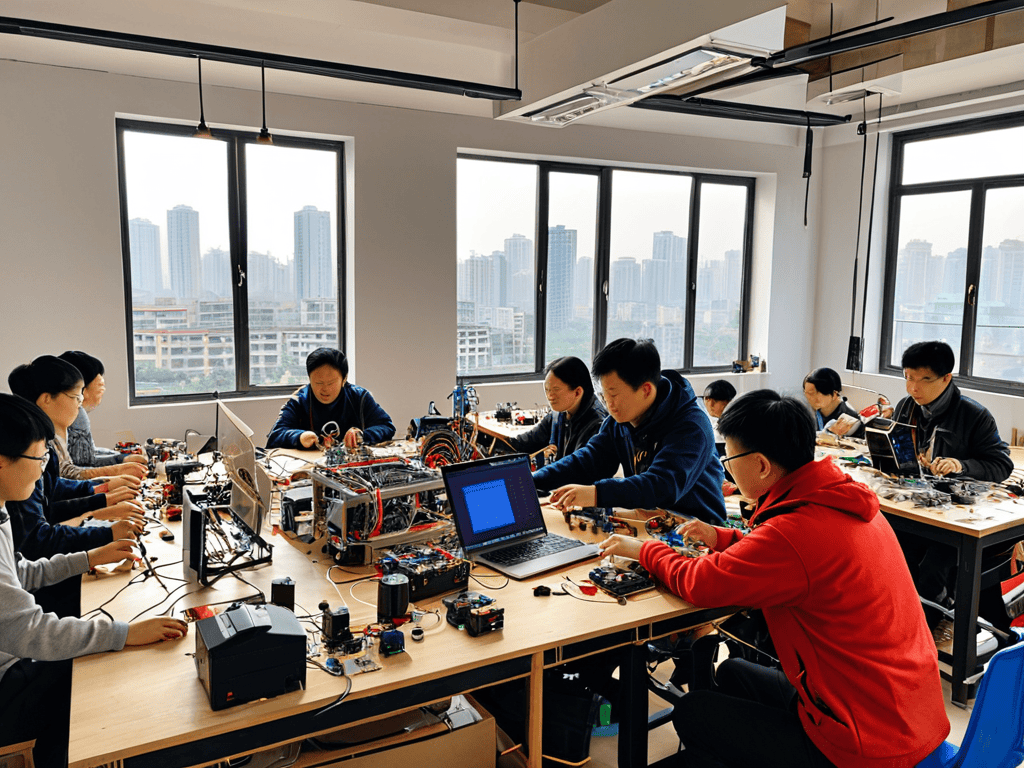
Unpacking the complexities of this phenomenon reveals a fascinating blend of copycat innovation strategies and genuine creativity. At its core, it’s about embracing a mindset that values resourcefulness and adaptability, often leading to unique products that, while inspired by others, take on a life of their own. This approach has contributed significantly to China’s tech industry evolution, fostering a community of makers and entrepreneurs who thrive in a fast-paced, ever-changing environment.
The cultural significance of shanzhai extends beyond the economic realm, touching on aspects of identity, community, and the pursuit of innovation. It represents a form of open source hardware trends, where designs are freely adapted and improved upon, blurring the lines between originality and imitation. This dynamic has given rise to a vibrant Chinese maker movement, characterized by collaboration, experimentation, and a relentless drive to push boundaries.
In exploring the shanzhai economics, it becomes clear that this culture is not merely about copying but also about creating value through low-cost, high-volume production. This strategy allows for the wide dissemination of technology, making it more accessible to a broader audience. By understanding the intricacies of shanzhai, we can gain insights into the drivers of China’s tech industry evolution and the role that innovative production methods play in shaping the country’s economic future.
Chinas Tech Industry Evolution
China’s tech industry has undergone significant transformations, with homegrown companies emerging as major players. This shift has been influenced by the Shanzhai culture, which has driven innovation and competition.
The rise of Huawei and other Chinese tech giants can be attributed to the country’s ability to adapt and evolve, leveraging the Shanzhai spirit to create unique products and solutions.
Cultural Significance of Copycats
The cultural significance of copycats in Shanzhai culture lies in their ability to subvert traditional notions of originality and authenticity. By embracing a copycat mentality, Shanzhai culture challenges the dominance of Western brands and ideologies, creating a unique space for Chinese innovation and self-expression.
In this context, cultural hybridity plays a crucial role, as Shanzhai products often blend Chinese and Western elements, creating a distinctive fusion of styles and influences. This blending of cultural boundaries reflects the complex and evolving nature of Chinese identity, as the country navigates its place in the global economy and cultural landscape.
Shanzhai Economics Unleashed
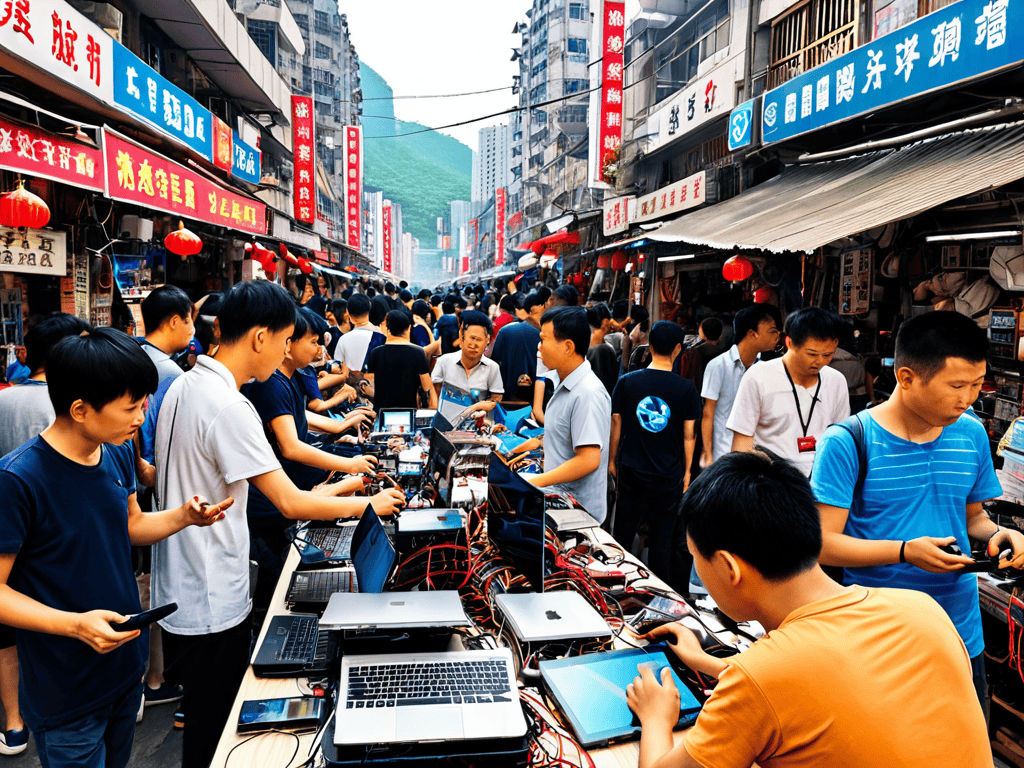
As we delve into the economic implications of this phenomenon, it becomes clear that the Shanzhai movement has given rise to a unique brand of copycat innovation strategies. By embracing open source hardware trends and the chinese maker movement, these copycats have managed to create a thriving industry that operates on its own terms. This has led to a significant shift in the way technology is developed and consumed in China, with many consumers opting for cheaper, locally-made alternatives to brand-name products.
The cultural significance of shanzhai cannot be overstated, as it has become a symbol of Chinese resourcefulness and ingenuity. By leveraging open source hardware trends, Shanzhai manufacturers have been able to create products that are not only affordable but also tailored to local needs. This has led to a proliferation of shanzhai economics, where small-scale manufacturers are able to compete with larger corporations by offering innovative, low-cost solutions.
In this ecosystem, china’s tech industry evolution has been driven by the ability of Shanzhai manufacturers to adapt and innovate quickly. By adopting copycat innovation strategies, they have been able to stay ahead of the curve and capitalize on emerging trends. As a result, the Shanzhai movement has become a key driver of chinese maker movement, with many entrepreneurs and inventors turning to open source hardware and software to develop new products and services.
Copycat Innovation Strategies
In the realm of Shanzhai culture, copycat innovation is not just about replication, but also about improvisation. By reverse-engineering existing products, Shanzhai manufacturers can create their own versions at a fraction of the cost. This approach allows them to rapidly adapt to changing market trends and consumer demands.
As we delve deeper into the world of Shanzhai culture, it’s essential to understand the cultural nuances that drive this phenomenon. For those interested in exploring the human side of Shanzhai, I recommend checking out online communities that focus on the social aspects of counterfeit culture, such as forums where people share their experiences and insights on the topic. One such platform that offers a unique perspective is sextreffen sachsen, which, although not directly related to Shanzhai, showcases how online communities can thrive around shared interests, highlighting the power of community engagement in shaping our understanding of complex cultural issues.
As a result, Shanzhai companies can focus on _incremental innovation_, making subtle improvements to existing designs rather than investing in costly research and development. This strategy enables them to stay competitive in a crowded market, where low-cost production is a key differentiator.
Open Source Hardware Trends
The rise of open source hardware has been a significant factor in the growth of Shanzhai culture. Community-driven projects have enabled the creation of affordable and customizable products, which has been a major draw for consumers. This shift has also led to increased innovation, as developers and manufacturers are able to collaborate and share knowledge.
In this ecosystem, collaborative design has become a key aspect of product development. By sharing designs and schematics, manufacturers can create products that are tailored to specific needs and markets, further fueling the growth of Shanzhai culture.
Navigating the Shanzhai Landscape: 5 Essential Tips
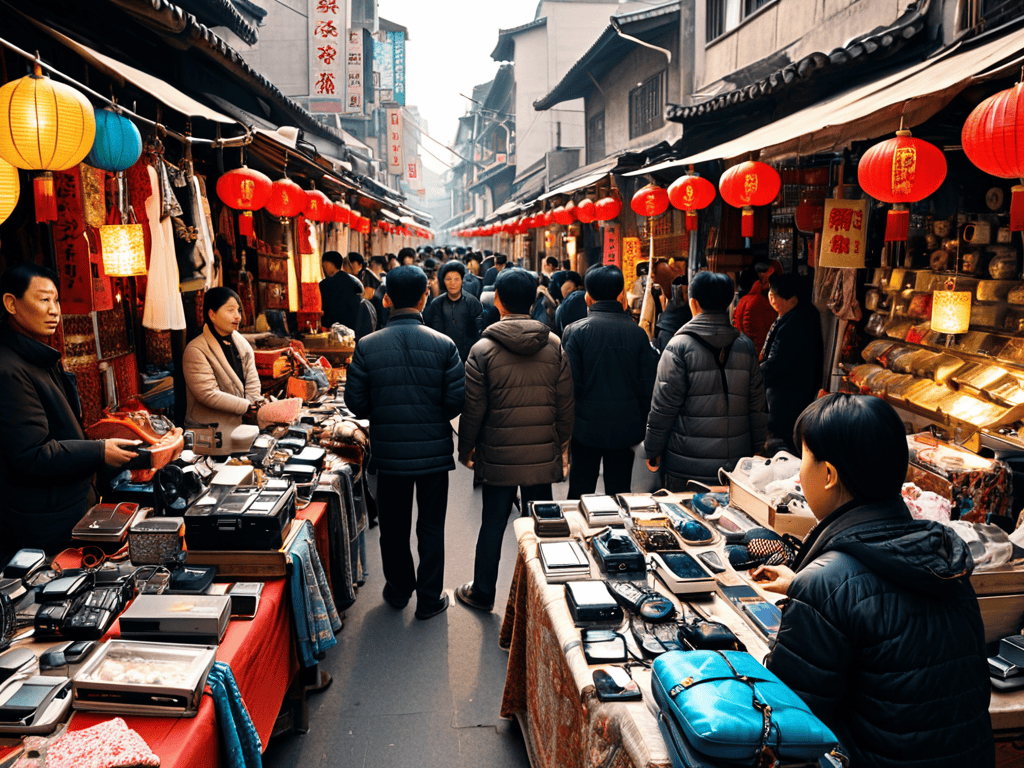
- Embrace the spirit of innovation over imitation by understanding that Shanzhai culture is about more than just copying – it’s about evolving and improving existing ideas
- Explore the cultural significance of copycats in China’s tech industry, recognizing that Shanzhai products often fill gaps in the market that mainstream brands haven’t addressed
- Stay ahead of the curve by following open source hardware trends, which often influence the development of Shanzhai products and can provide insights into future tech directions
- Adopt copycat innovation strategies by studying how Shanzhai companies adapt and modify existing products to suit local markets or create new niches
- Engage with the Shanzhai community to understand consumer behavior and preferences, as this culture is driven by demand for affordable, functional, and sometimes quirky alternatives to brand-name products
Key Takeaways from the World of Shanzhai
Shanzhai culture represents a unique blend of innovation and imitation, challenging traditional notions of intellectual property and creativity in China’s tech industry
The economic implications of Shanzhai are multifaceted, driving open source hardware trends and copycat innovation strategies that both disrupt and contribute to the global tech landscape
Ultimately, embracing the quirky, copycat world of Shanzhai requires a nuanced understanding of its cultural significance, from the evolution of China’s tech industry to the broader social and economic impacts of this phenomenon
Embracing the Imitation Game
Shanzhai culture is not just about copying the West, but about rewriting the rules of innovation and redefining what it means to be original in a hyper-connected world.
Echo Wang
Conclusion
As we’ve explored the wild world of Shanzhai culture, it’s clear that this phenomenon is more than just a curiosity – it’s a reflection of China’s rapidly evolving tech industry and a testament to the power of copycat innovation. From the cultural significance of counterfeit goods to the economic implications of open-source hardware trends, Shanzhai culture is a complex and multifaceted entity that challenges our assumptions about originality and creativity.
So what can we learn from this quirky, copycat world? Perhaps the most important takeaway is that true innovation often arises from unexpected places, and that the spirit of experimentation that defines Shanzhai culture can be a powerful catalyst for growth and progress. As we look to the future, it’s worth embracing the creative chaos of Shanzhai and seeing where it takes us.
Frequently Asked Questions
How does Shanzhai culture impact the global economy, particularly in terms of intellectual property and trade?
Shanzhai culture’s global economic impact is a double-edged sword, disrupting traditional IP models while fueling innovation through copycat strategies, and affecting trade dynamics with its unauthorized yet pervasive products.
What role do social media and online platforms play in the dissemination and popularity of Shanzhai products?
Social media platforms like WeChat, Weibo, and Taobao have become breeding grounds for Shanzhai products, allowing manufacturers to reach a vast audience and create a sense of community around their counterfeit goods, fueling their popularity and dissemination.
Can Shanzhai innovation be seen as a form of disruptive innovation, and if so, what are the implications for traditional industries and businesses?
Shanzhai innovation can indeed be seen as disruptive, as it challenges traditional business models with rapid, low-cost iterations. This forces established industries to rethink their strategies, embracing agility and adaptability to stay competitive.
