









Creating a Family-friendly Garden: Safe and Fun Outdoor Spaces
 June 5, 2025
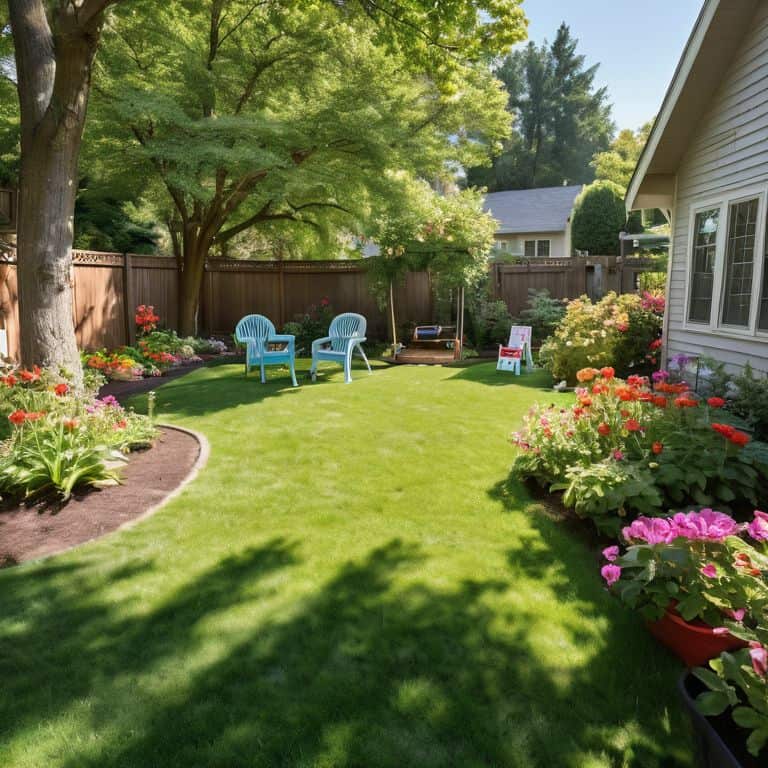
As I step into my own family-friendly garden, I’m reminded of the common myth that creating a vibrant outdoor space for kids and pets is a daunting task that requires a lot of maintenance. But I’m here to tell you that’s just not true. With a little creativity and the right guidance, you can craft a thriving oasis that’s perfect for making memories with your loved ones. I’ve spent years designing ecological gardens that bring people closer to nature, and I’ve learned that it’s all about striking a balance between beauty and functionality. My trusty garden tools, like my favorite pruning shears, Bertha, and my reliable trowel, Terry, have been instrumental in helping me bring my vision to life.
In this article, I’ll share my expertise on how to create a family-friendly garden that’s both beautiful and safe for kids and pets. I’ll provide you with practical tips on choosing the right plants, designing a kid-friendly layout, and incorporating features that will make your outdoor space a haven for the whole family. Whether you’re a seasoned gardener or just starting out, I’ll guide you through the process with honest and straightforward advice, so you can create a garden that’s truly a reflection of your family’s personality and style. By the end of this journey, you’ll be well on your way to crafting a family-friendly garden that’s perfect for making memories, exploring nature, and enjoying quality time with your loved ones.
Table of Contents
- Guide Overview: What You'll Need
- Step-by-Step Instructions
- Creating Family Friendly Garden
- Nurturing Nature: 5 Essential Tips for a Thriving Family-Friendly Garden
- Nurturing Harmony: 3 Key Takeaways for Your Family Oasis
- Nurturing Life and Wonder
- Cultivating a Legacy of Wonder
- Frequently Asked Questions
Guide Overview: What You'll Need
Total Time: 4 hours 30 minutes
Estimated Cost: $100 – $200
Difficulty Level: Intermediate
Tools Required
- Shovel (for digging and planting)
- Rake (for leveling and smoothing soil)
- Gardening gloves (for protection while gardening)
- Pruning shears (for trimming and shaping plants)
- Measuring tape (for measuring garden beds and paths)
- Wheelbarrow (for transporting soil and plants)
Supplies & Materials
- Topsoil (for filling garden beds)
- Compost (for enriching soil)
- Seeds or seedlings (for planting flowers, vegetables, or herbs)
- Garden hose (for watering plants)
- Mulch (for retaining moisture and suppressing weeds)
- 2-in x 6-in lumber (for building garden beds or benches)
- Wood screws (for assembling garden structures)
- Weather-resistant wood glue (for bonding wood pieces together)
Step-by-Step Instructions
- 1. First, let’s start by assessing our outdoor space and determining the best layout for our family-friendly garden. I like to call this step “getting to know our canvas“. Take a stroll around your yard, notice the areas that receive the most sunlight, and think about how you want to use your space. Do you envision a secluded reading nook or a lively play area for the kids? Consider the flow of traffic and how you can create a sense of harmony throughout the garden.
- 2. Next, gather your trusty garden tools – I’ve named mine Bertha, Sam, and Lola – and let’s prepare the soil for planting. Digging in can be therapeutic, but it’s essential to test your soil type and pH level to ensure you’re creating an optimal environment for your plants. I talk to my tools as I work, and I swear it makes them perform better! Add organic matter like compost or manure to give your soil a nutrient boost, and get ready to plant a variety of drought-tolerant species that’ll thrive in your local climate.
- 3. Now it’s time to think about the sensory experiences we want to create in our garden. Consider adding a water feature, like a small pond or fountain, to attract birds and create a soothing background noise. I love incorporating natural elements like rocks, driftwood, and pinecones to add texture and visual interest. Don’t forget to involve your family members in the process – it’s a great way to encourage teamwork and make the experience more enjoyable.
- 4. As we move on to planting, remember to choose a mix of low-maintenance plants that are easy to care for and can withstand the occasional accidental trampling by kids or pets. I’m a big fan of succulents, herbs, and wildflowers – they’re perfect for adding a pop of color and fragrance to your garden. Consider creating a scent garden with fragrant herbs like lavender, rosemary, and thyme, which can be used in cooking and crafts.
- 5. To make our garden truly family-friendly, let’s not forget about the play areas. Set up a designated space for kids to explore, like a sandbox, a treehouse, or a natural play zone with logs, rocks, and other natural materials. You can also create a fairy garden with miniature plants, stones, and tiny furniture to spark imagination and creativity.
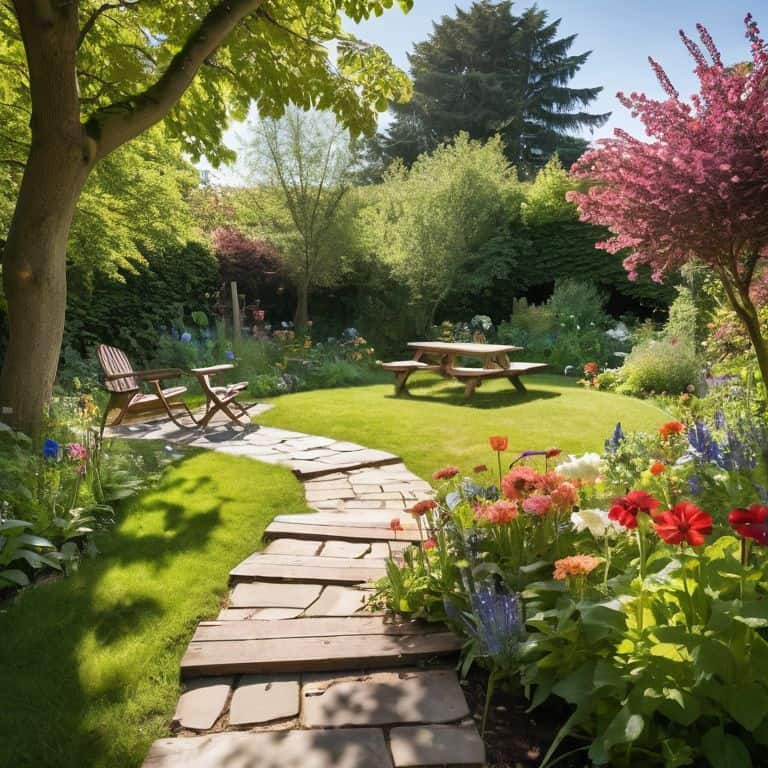
- 6. As we near the end of our garden design journey, think about how you can incorporate seating areas that invite relaxation and socializing. I love using reclaimed wood or natural stone to create benches, chairs, or even a hammock. Don’t forget to add some string lights or lanterns to create a warm ambiance in the evening, perfect for stargazing or sharing stories with family and friends.
- 7. Finally, let’s talk about maintenance and upkeep. To keep your garden thriving, set aside some time each week to water, prune, and fertilize your plants. I like to make it a fun family activity, where everyone can lend a hand and learn about the importance of sustainable gardening practices. Remember to compost food waste, use rain barrels, and choose eco-friendly gardening products to minimize your environmental footprint.
Creating Family Friendly Garden
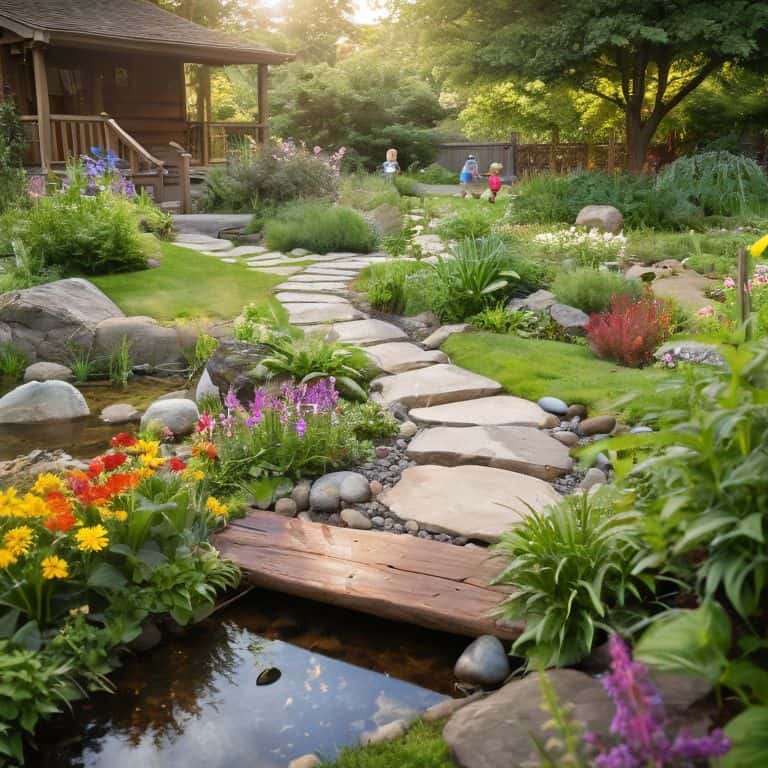
As I tend to my own garden, I often think about how to create a kid friendly garden design that sparks imagination and curiosity in children. I recall the countless hours I spent exploring the woods behind my family’s farm, discovering hidden streams and secret meadows. To recreate this sense of wonder, consider incorporating natural elements like rocks, logs, and water features into your garden design. My trusty garden tool, “Diggy” the trowel, always seems to know just the right spot to plant a new seedling.
When it comes to outdoor play equipment, safety is paramount. Opt for safe outdoor play equipment made from durable, non-toxic materials that can withstand the elements and energetic play. I’ve found that non toxic plants for gardens like lavender and sunflowers are not only beautiful but also gentle on sensitive skin. As I prune my bonsai trees with “Snippy” the shears, I’m reminded of the importance of choosing plants that are safe for all family members to enjoy.
To ensure a peaceful and secure outdoor space, consider garden fencing ideas for safety that balance aesthetics with protection. A sturdy fence can provide a sense of boundaries while still allowing children to explore and engage in outdoor activities for children like tag, hide-and-seek, or simply watching the clouds roll by. As I water my plants with “Sprouty” the watering can, I feel grateful for the opportunity to create a serene and welcoming space that invites connection with nature.
Designing Kid Friendly Garden Spaces
As I work on designing kid-friendly garden spaces, I find myself chatting with my trusty tools – like Bertha, my reliable trowel, and Sammy, my sharp pruner. I believe they help me bring a personal touch to each project. When crafting these areas, I consider the little ones’ sense of wonder and curiosity. I incorporate interactive elements like sensory gardens, where children can explore and engage with different textures and scents. My own childhood experiences on the farm, playing among the wildflowers and chasing after butterflies, inspire me to create similar enchanting environments.
By incorporating whimsical features like meandering pathways, hidden nooks, and vibrant flower beds, we can foster a sense of adventure and discovery in our young explorers. As an ecological garden designer, I strive to create spaces that not only delight kids but also educate them about the natural world, encouraging a lifelong love for the environment and its wonders.
Safe Fencing Ideas for Non Toxic Plants
As I work on my latest bonsai project, pruning shears “Snippy” in hand, I ponder the importance of safe fencing in our family-friendly gardens. My trusty fence-post digger, “Diggy,” has helped me create borders that not only define our outdoor spaces but also protect our little ones from wandering off. When choosing fencing materials, I always opt for non-toxic, eco-friendly options like cedar or reclaimed wood. These natural materials blend seamlessly into the landscape, creating a sense of harmony between our gardens and the surrounding environment.
By incorporating safe fencing ideas, we can ensure our family sanctuaries remain a haven for exploration and play. I recall my own childhood adventures on our organic farm, where my parents’ thoughtful design allowed me to roam freely, discovering hidden wonders amidst the flora. With the right fencing, you can create a similar sense of wonder for your own family, all while keeping them safe and sound amidst the beauty of nature.
Nurturing Nature: 5 Essential Tips for a Thriving Family-Friendly Garden
- Sowing Seeds of Wonder: Incorporate a variety of plants that attract butterflies and hummingbirds to create a magical experience for your little ones
- Green Thumbs in the Making: Designate a kid-friendly planting area where your children can get their hands dirty and learn about the joys of gardening
- Water Wonders: Install a shallow water feature, like a small pond or fountain, to attract birds and provide a soothing background melody
- Playful Pathways: Create meandering paths using natural materials like wood chips or stone to encourage exploration and adventure
- Tooling Around: Involve your family in the gardening process by giving each member their own set of child-friendly gardening tools, like a small rake or watering can, to foster a sense of responsibility and excitement
Nurturing Harmony: 3 Key Takeaways for Your Family Oasis
As we cultivate our family-friendly gardens, remember that the journey is just as important as the destination – involve your little ones in the process and watch them blossom alongside the plants!
By incorporating safe fencing ideas and non-toxic plants, we can create a haven where our children and pets can roam freely, exploring the wonders of nature without worrying about their well-being.
Ultimately, the true magic of a family-friendly garden lies in its ability to bring us closer to each other and to the natural world – so let’s get our hands dirty, and with the help of my trusty garden tools, like Bertha the trowel and Sammy the pruner, we’ll craft a thriving sanctuary that will be the heart of our home for years to come.
Nurturing Life and Wonder
A family-friendly garden is not just a space, but a sanctuary where love, laughter, and adventure grow amidst the blooms, weaving an unbreakable bond between us and the natural world.
Dylan Thompson
Cultivating a Legacy of Wonder
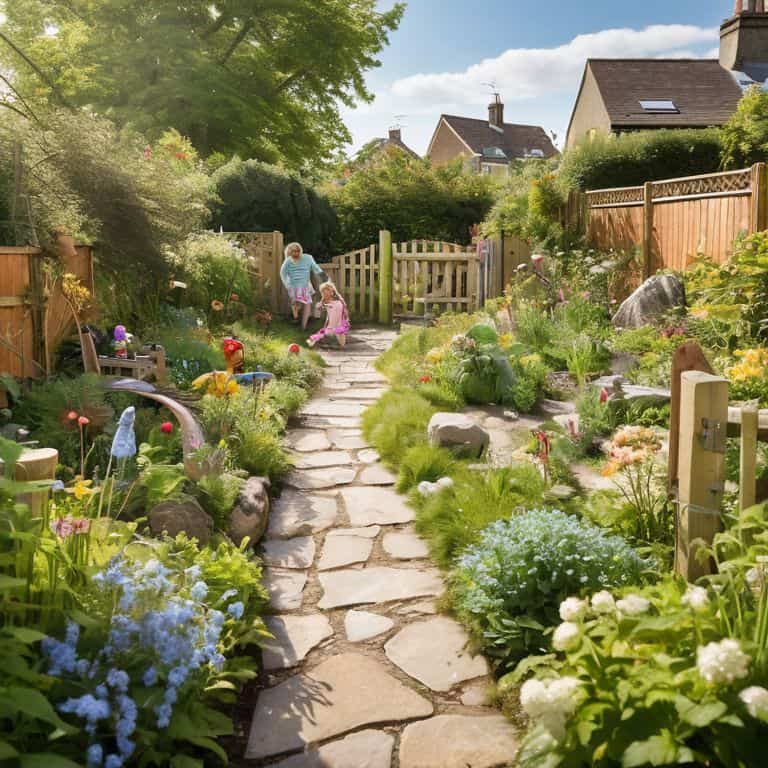
As we conclude our journey through the realm of family-friendly gardens, let’s take a moment to reflect on the key elements that bring these outdoor sanctuaries to life. From designing kid-friendly spaces that foster exploration and curiosity, to implementing safe fencing ideas that protect our little ones while allowing them to connect with nature, every detail matters. By incorporating non-toxic plants, vibrant colors, and interactive features, we can create an environment that not only nurtures our children’s sense of wonder but also provides a peaceful retreat for the entire family to enjoy.
As you embark on your own gardening adventure, remember that the true magic lies not in the destination, but in the journey itself. The act of cultivating life, of watching your efforts bloom into a thriving oasis, is a powerful reminder of the transformative power of nature. So, let us tend to our gardens with love, with patience, and with the knowledge that we are not just creating a beautiful space, but a lasting legacy that will continue to inspire and nourish our loved ones for generations to come.
Frequently Asked Questions
How can I ensure that my family-friendly garden is safe for my pets to roam around in?
To ensure our furry friends can safely roam, I always recommend choosing pet-friendly plants and strategically placing them out of reach. My trusty pruning shears, Bertha, and I carefully select non-toxic varieties, and I advise you to do the same, creating a harmonious haven for all family members, two-legged and four-legged alike.
What are some non-toxic and easy-to-grow plants that I can include in my kid-friendly garden spaces?
My friend, I’m delighted to share some of my favorites with you! Let me consult with my trusty trowel, Bertha. She’s always whispering wisdom about plants like sunflowers, zinnias, and marigolds – all easy to grow and perfectly safe for little ones to explore.
Are there any specific fencing materials or designs that can help prevent children from accidentally ingesting toxic plants or materials in the garden?
My trusty fence-building friend, “Finnley,” and I recommend using natural, non-toxic materials like cedar or bamboo for fencing, paired with a playful design that discourages little ones from exploring the wrong plants. A gentle, curved fence or a trellis with climbing flowers can beautifully divert their attention, keeping them safe and delighted in our family-friendly garden oasis.