









Winter Comfort: Hearty Soups and Stews to Warm Your Soul
 August 17, 2025
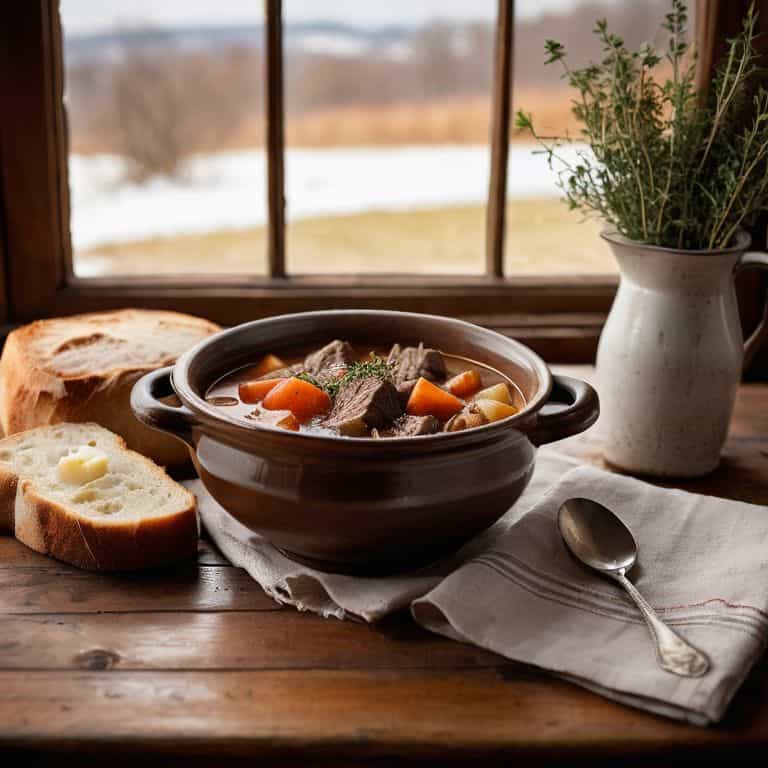
As I sit here, surrounded by the aromas of my nonna’s kitchen, I’m reminded of the countless times I’ve heard people say that hearty soups and stews are nothing more than a bland, comforting remedy for a cold day. But the truth is, these dishes are so much more than that – they’re a window into the soul of a culture, a reflection of the people and places that shaped them. I’ve spent my fair share of time exploring the world, tasting and learning about the different varieties of hearty soups and stews that exist, and I can tell you that there’s nothing bland about them.
In the following pages, I promise to take you on a culinary journey through the world of hearty soups and stews, sharing with you the stories and secrets I’ve uncovered along the way. From the spicy calabrian broths of my childhood to the rich, flavorful tagines of North Africa, I’ll be sharing my own experience-based advice on how to create these dishes with love, care, and a deep respect for the traditions that inspired them. Whether you’re a seasoned cook or just starting out, I invite you to join me on this whimsical journey through the world of hearty soups and stews, and discover the beauty and simplicity of these timeless recipes.
Table of Contents
Recipe Details
Ingredients
- 2 tablespoons olive oil (for sautéing)
- 1 onion, chopped (any variety)
- 3 cloves garlic, minced (fresh)
- 2 cups mixed vegetables (such as carrots, potatoes, and zucchini)
- 1 can diced tomatoes (14.5 oz)
- 4 cups vegetable broth (low sodium)
- 1 teaspoon dried thyme (fresh or dried)
- Salt and pepper (to taste)
Tools & Supplies
- Large pot
- Cutting board
- Chef's knife
- Measuring cups and spoons
Recipe Instructions
Step 1
First, let’s start with the foundation of our hearty soup, and that begins with selecting the freshest ingredients. I like to think of this step as a journey to the local market, where the vibrant colors and aromas of the produce guide my choices. For this recipe, we’ll need an assortment of vegetables such as carrots, celery, and onions, which will form the base of our soup’s flavor profile.
Step 2
Next, we’ll move on to the aromatic stage, where we soften those onions, carrots, and celery in a mixture of olive oil and butter. This step is crucial as it coaxes out the natural sweetness in the vegetables, laying down a rich tapestry of flavors that will deepen as our soup simmers. I find that using a vintage wooden spoon, like the one I restored from my collection, adds a touch of nostalgia to this process.
Step 3
Now, it’s time to add the protein and heart of our soup. For this, I’ve chosen a combination of tender beef and pork, cut into generous chunks that will absorb all the flavors we’re about to add. Brown these pieces in a hot skillet, ensuring a nice caramelization on all sides, which will not only add texture but also intensify the flavor of our final dish.
Step 4
With our protein browned and set aside, we can proceed to the magic that happens when we combine our vegetables, meats, and a rich broth. This is where the story of our soup really unfolds, as the simmering process allows each ingredient to mingle and infuse its essence into the broth. For an added depth of flavor, I recommend using a homemade broth, made by simmering beef bones and vegetables for at least 24 hours.
Step 5
As our soup reaches its final stages, it’s time to think about the finishing touches. This could be anything from a sprinkle of fresh herbs to a dollop of sour cream, depending on the tradition we’re drawing from. For my Italian-inspired hearty soup, a drizzle of extra virgin olive oil and a sprinkle of grated Parmesan cheese are the perfect complements, enhancing the flavors without overpowering them. This step is all about balance and restraint, allowing each component of the soup to shine in harmony.
Hearty Soups and Stews
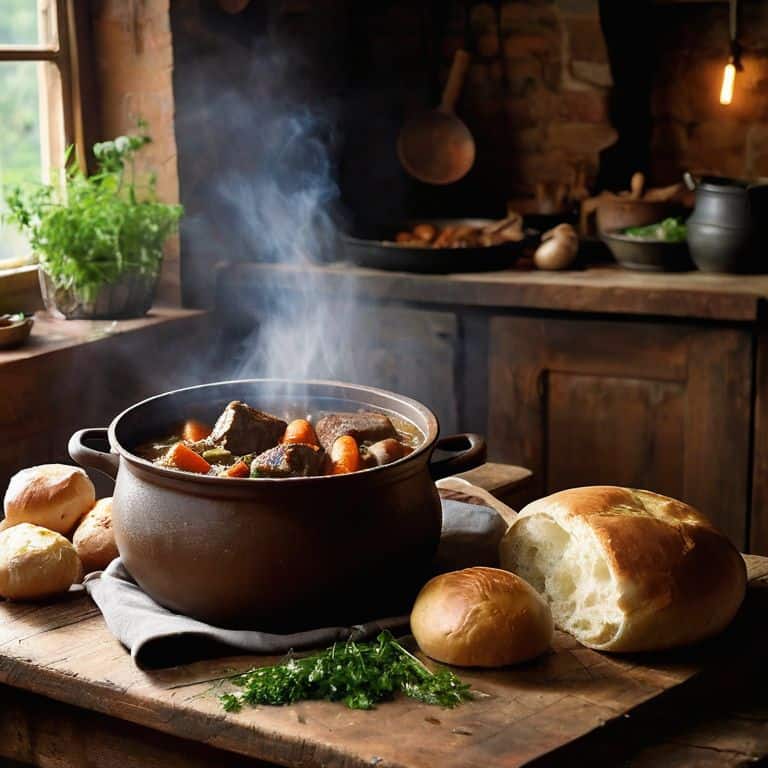
As I delve into the world of warm and comforting meal ideas, I’m reminded of my nonna’s kitchen, where the aromas of slow-cooked meals would waft through the air, tantalizing our taste buds. When it comes to creating the best ingredients for slow cooker recipes, I always look for a balance of flavors and textures. A good stew, for instance, requires a mix of tender meats, fresh vegetables, and a rich broth.
One of my favorite variations is a healthy soup option for winter, made with roasted vegetables and a hint of red wine. The key to a great stew is in the broth, which should be nutritious and full of depth. I like to make my broth from scratch, using a combination of beef and chicken bones, simmered for hours to extract all the goodness. This not only adds flavor but also provides a boost of nutrients to the dish.
For a truly cozy dinner idea for cold nights, try serving your stew with a side of crusty bread or over mashed potatoes. The combination of flavors and textures is sure to warm your heart and soul. As I explore the world of stew recipes with red wine, I’m constantly inspired by the different cultures and traditions that have shaped this beloved dish. Whether you’re in the mood for something classic and comforting or adventurous and new, there’s a stew out there to suit every taste.
Cozy Nights Red Wine Stews
As the nights grow cozy, I find myself drawn to the rich flavors of red wine stews, reminiscent of chilly evenings spent in my nonna’s kitchen. The way the bold, full-bodied wine infuses the broth with depth and complexity is nothing short of magical. I recall a particular evening, sipping a glass of Barolo while watching Nonna simmer a pot of her famous braised short ribs – the aroma that filled the room was intoxicating, and the taste, sublime.
In my own kitchen, I love experimenting with different red wines to create unique stew profiles. A Cabernet-based stew might feature tender chunks of beef and root vegetables, while a Merlot-based one might highlight the earthy sweetness of mushrooms and carrots. The possibilities are endless, and the joy of discovery is all part of the fun.
Warm Comforts Best Ingredients
As I delve into the world of hearty soups and stews, I’m reminded of the importance of selecting the finest ingredients to bring out the depth of flavors. For me, it’s all about combining tender chunks of meat, fresh vegetables, and aromatic spices to create a harmonious balance. I recall my nonna’s kitchen, where she’d painstakingly choose the freshest produce from the local market to add to her signature minestrone. The sweetness of carrots, the earthiness of celery, and the brightness of parsley all came together to create a broth that was both nourishing and delicious.
When it comes to my own recipes, I swear by the richness of Italian tomatoes, the heartiness of locally-sourced beans, and the warmth of slow-cooked meats. These ingredients not only add substance to my soups and stews but also tell a story of their own, weaving together the threads of tradition and innovation that I’m so passionate about sharing.
Simmering Secrets: 5 Timeless Tips for Crafting Hearty Soups and Stews
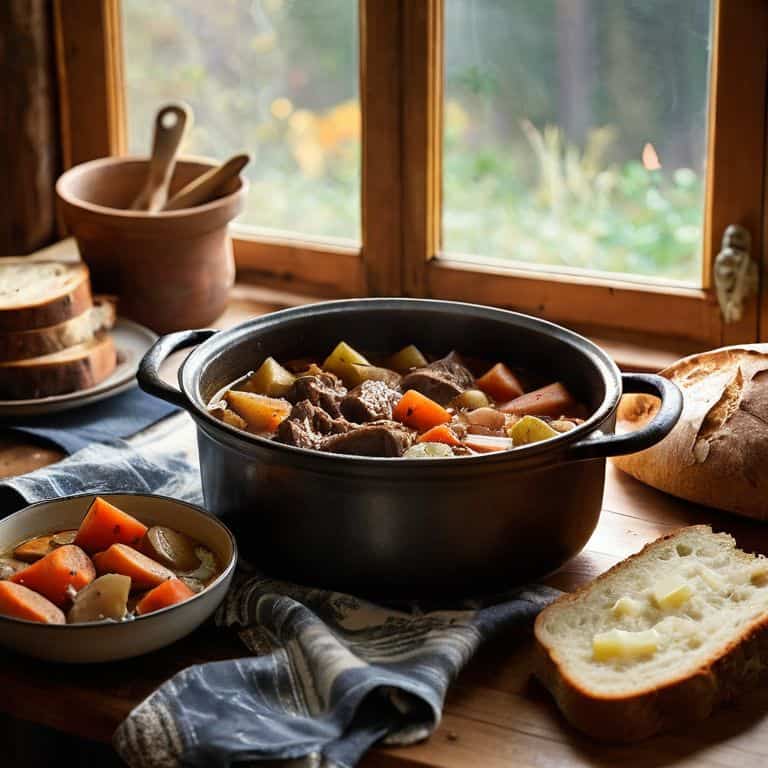
- Let the broth be the backbone: I learned from my nonna that a rich, slow-cooked broth is the foundation of any unforgettable soup or stew, so don’t rush this step, let it simmer with love
- Choose your ingredients with a storyteller’s heart: every vegetable, every spice, and every cut of meat has a tale to tell, so select them as if you’re curating a culinary journey
- Acidity is your friend: a squeeze of fresh lemon or a splash of vinegar can elevate the flavors of your soup or stew, cutting through richness and adding a pop of brightness
- Resting is not optional: just like a good Italian nonna would let her sauces rest, allow your soups and stews to sit for a bit before serving, this lets the flavors meld together in perfect harmony
- Experiment with the world’s pantry: don’t be afraid to incorporate global spices, herbs, and ingredients into your hearty soups and stews, it’s a great way to add depth and tell a story of cultural fusion
Savoring the Flavors: 3 Key Takeaways
As I sit here surrounded by my vintage kitchen utensils, I’m reminded that the true essence of hearty soups and stews lies not just in their ingredients, but in the stories and traditions they represent – a culinary heritage that transcends borders and speaks directly to our hearts.
Hearty soups and stews are more than just comfort food; they’re a reflection of the cultural diversity and richness that exists around the world, with each recipe telling a unique tale of its people and their history, much like the intricate designs on my Nonna’s old wooden spoon.
Whether you’re sipping on a warm broth or indulging in a rich, red wine stew, the experience of enjoying a hearty soup or stew is about slowing down, appreciating the simple things, and letting the flavors transport you to a different time and place – a sensation that never fails to evoke a sense of whimsical nostalgia in me.
A Taste of Tradition
Hearty soups and stews are more than just a meal, they’re a testament to the power of food to transcend time and borders, weaving together stories of love, tradition, and community in every savory spoonful.
Marco Bianchi
Savoring the Flavors of Tradition
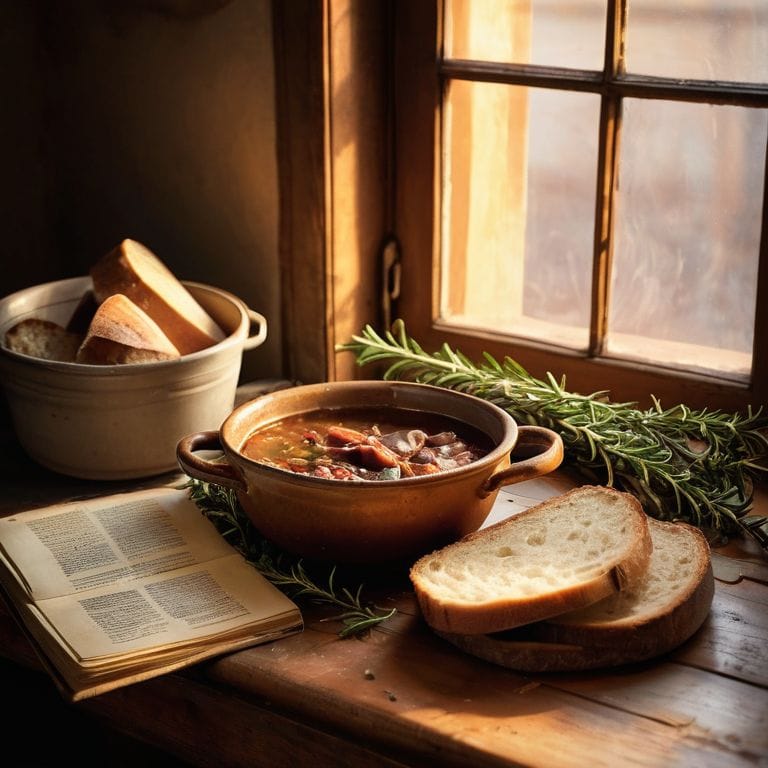
As I reflect on the world of hearty soups and stews, I’m reminded of the warm comforts they bring to our lives. From the carefully selected ingredients that make up the foundation of these dishes, to the rich, slow-cooked flavors that develop over time, each spoonful is a testament to the love and tradition that goes into their creation. Whether it’s a classic Italian minestrone or a French coq au vin, these recipes have a way of transporting us to a different time and place, one that’s deeply rooted in the cultural heritage of our ancestors.
So as you embark on your own culinary journey, I encourage you to explore the stories behind each recipe, to taste the history and tradition that’s been passed down through generations. For in the end, it’s not just about the food we eat, but about the connections we make, the memories we create, and the love we share with each other, one delicious, hearty bowl at a time.
Frequently Asked Questions
What are some traditional Italian hearty soups and stews that I can easily make at home?
My nonna’s kitchen was famous for its Ribollita, a hearty Tuscan soup made with vegetables, bread, and cannellini beans. Another favorite is Minestrone, a colorful medley of beans, tomatoes, and pasta. And let’s not forget about Italian Stew, or Spezzatino, with its tender beef and rich tomato broth – all easy to make and sure to warm your heart and home.
How can I adapt global hearty soup and stew recipes to incorporate local and seasonal ingredients?
To adapt global hearty soup and stew recipes to local and seasonal ingredients, I like to think of it as a culinary treasure hunt. I explore local markets, just like I did as a child in Italy, and let the freshest ingredients guide my creativity. For instance, swapping traditional Italian kale for Japanese komatsuna in a hearty minestrone, or using locally-brewed stout instead of red wine in an Irish stew.
Are there any specific cooking techniques or utensils that can enhance the flavor and texture of hearty soups and stews?
Ah, my friend, I swear by slow-cooking with a vintage Dutch oven – it’s like a warm hug for the ingredients! The even heat distribution and gentle simmer really bring out the depth of flavors. And, of course, a good wooden spoon for stirring is essential, just like Nonna used to use.