








Composting 101: Turning Kitchen Waste Into Garden Gold
 August 18, 2025
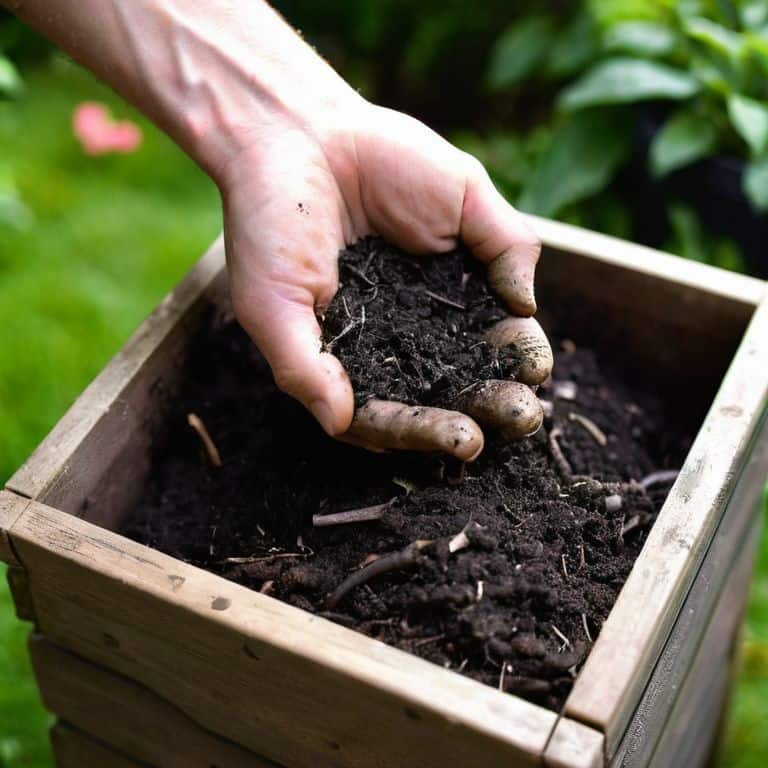
As I step into my garden, the scent of damp earth and decaying leaves transports me back to my childhood on the organic farm in Oregon, where I first learned about the magic of composting techniques. I’ve often heard people say that composting is a complicated, smelly process, but I’m here to tell you that’s just a myth – with the right approach, it can be a simple and rewarding way to turn waste into nutrient-rich soil. My trusty garden tool, Bertha the shovel, and I have spent countless hours perfecting our composting techniques, and I’m excited to share our secrets with you.
In this article, I’ll guide you through the practical, no-nonsense steps to create your own composting system, tailored to your specific needs and space. You’ll learn how to balance the ingredients, maintain the perfect moisture levels, and troubleshoot common issues. Whether you’re a seasoned gardener or just starting out, my goal is to empower you with the knowledge and confidence to turn your food scraps and yard waste into a valuable resource for your garden. By the end of this journey, you’ll be well on your way to mastering the art of composting and cultivating a thriving, sustainable garden that brings you joy and peace.
Table of Contents
- Guide Overview: What You'll Need
- Step-by-Step Instructions
- Mastering Composting Techniques
- Nurturing Nature's Rhythm: 5 Essential Composting Tips
- Nurturing the Earth: 3 Key Takeaways for Harmonious Composting
- Nurturing Nature's Cycle
- Cultivating a Deeper Connection with Nature
- Frequently Asked Questions
Guide Overview: What You'll Need
Total Time: 1 hour 30 minutes to 3 hours
Estimated Cost: $20 – $100
Difficulty Level: Easy / Intermediate
Tools Required
- Shovel (for turning compost)
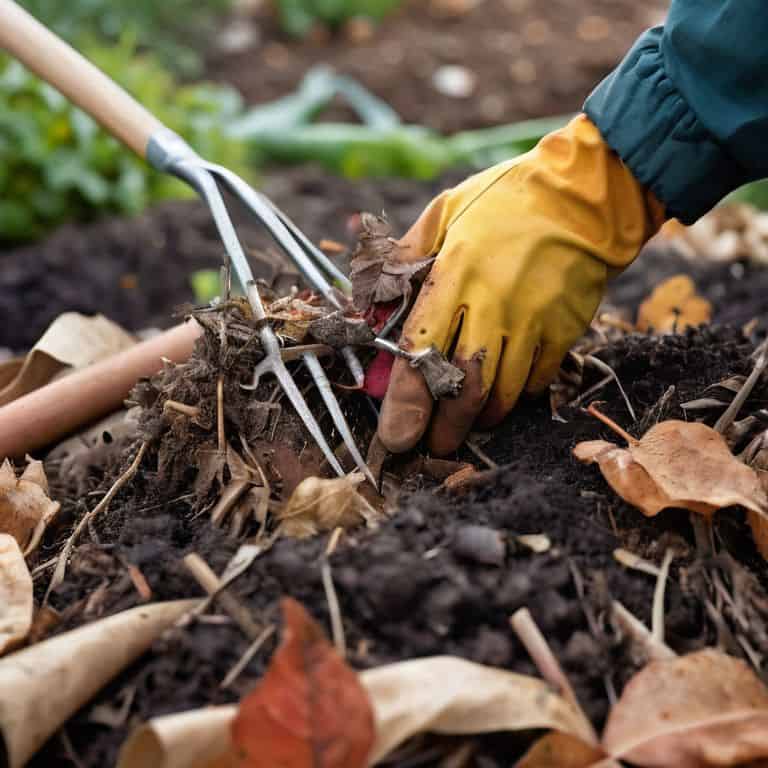
- Garden fork (for aerating compost)
- Watering can or hose (for maintaining moisture)
- Thermometer (for monitoring temperature)
- Gloves (for protecting hands)
Supplies & Materials
- Brown materials (e.g., dried leaves, shredded newspaper) (for carbon source)
- Green materials (e.g., food scraps, grass clippings) (for nitrogen source)
- Compost bin or pile materials (e.g., 2-in x 6-in lumber, chicken wire) (for containing compost)
- Soil or finished compost (for speeding up decomposition)
- Aeration materials (e.g., straw, egg cartons) (for improving airflow)
Step-by-Step Instructions
- 1. First, let’s start by preparing the composting site, which is essential for maintaining a healthy and thriving compost pile. I like to think of this step as setting the stage for a grand symphony, where every element works together in harmony. My trusty garden fork, Bertha, is always by my side as I turn over the soil, loosening it to a depth of about 8-10 inches to allow for good drainage and aeration.
- 2. Next, I gather my green materials, which include kitchen scraps like fruit and vegetable peels, tea bags, and coffee grounds. I also add fresh grass clippings and manure from my friend’s farm, making sure to mix them well to create a diverse blend of nutrients. As I work, I chat with my garden tools, giving them the appreciation they deserve – after all, a happy tool is a hardworking tool!
- 3. Now it’s time to add the brown materials, which provide carbon-rich goodness to the compost pile. I shred some old newspaper, cardboard, and dried leaves, making sure to mix them in evenly to balance out the green materials. My shredder, a feisty little thing I’ve named Shredzilla, makes quick work of the task, and I’m always amazed at how it can reduce a large pile of scraps into manageable bits.
- 4. With my materials gathered, I start building the compost pile, beginning with a 4-6 inch layer of brown materials at the bottom. This base layer helps with drainage and aeration, allowing the compost to breathe and break down efficiently. I use my rake, Rachel, to spread the materials evenly, taking care to create a smooth, flat surface for the next layer.
- 5. Next, I add a layer of green materials, followed by another layer of brown materials, repeating this pattern until I’ve used up all my materials. As I work, I make sure to sprinkle water throughout the pile, keeping it moist but not soggy – just like a gentle spring rain. My watering can, Winnie, is perfect for this task, and I appreciate her gentle touch as we work together to bring the compost to life.
- 6. Once the compost pile is built, I use my turning tool, a sturdy fork named Felix, to mix everything together, making sure all the materials are well combined and aerated. This is an important step, as it helps speed up the decomposition process and prevents matting. As I turn the pile, I take a moment to appreciate the simple beauty of the natural world and the magic that’s happening right before my eyes.
- 7. Finally, I let the compost pile cook, allowing it to break down over time. I check on it regularly, using my trusty thermometer, Thermie, to monitor the temperature and making sure it’s within the optimal range for composting. With a little patience and care, the compost will be ready in no time, and I can use it to nourish my garden, creating a vibrant and thriving ecosystem that brings joy and peace to all who experience it.
Mastering Composting Techniques
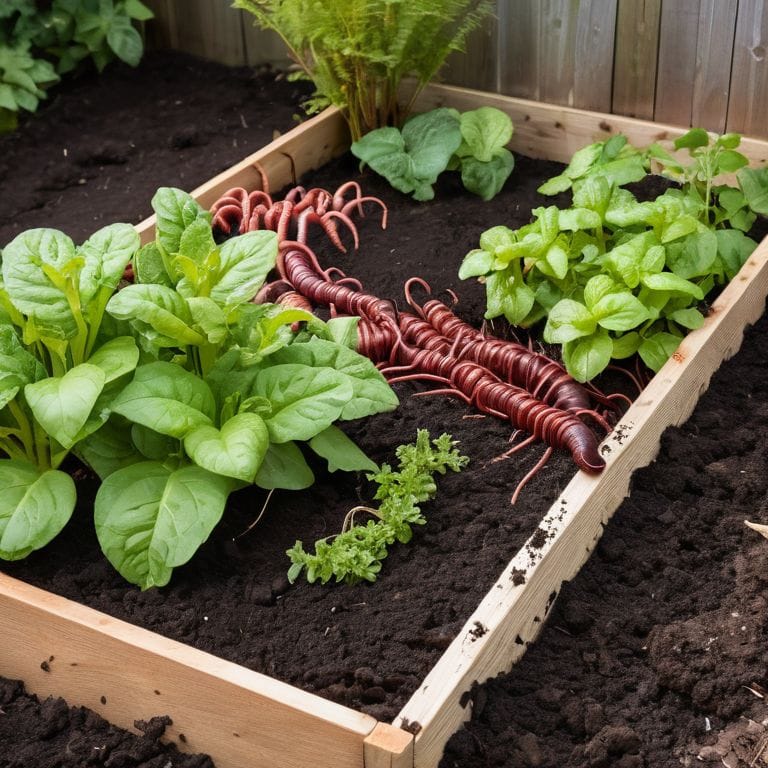
As I tend to my garden, I often find myself pondering the intricacies of vermicomposting methods and how they can enhance the overall health of my soil. My trusty garden tool, “Wormy,” a gentle aerator, helps me create an environment where these tiny creatures can thrive. By incorporating worm composting into my routine, I’ve noticed a significant reduction in food waste, which not only benefits my garden but also contributes to a more sustainable lifestyle.
When designing my composting space, I consider the importance of compost bin designs that allow for adequate airflow and easy maintenance. My tool, “Turny,” a sturdy compost turner, makes it simple to mix and aerate the pile, ensuring that the decomposition process occurs efficiently. This thoughtful approach to composting has allowed me to create a thriving ecosystem, where microorganisms and insects work together in harmony.
As I reflect on my journey as an ecological garden designer, I’m reminded of the challenges of urban composting, where space and resources may be limited. However, with a little creativity and the right tools, such as “Steepy,” my compost tea brewer, anyone can overcome these obstacles and reap the rewards of composting. By embracing these strategies, we can work towards a more sustainable future, one garden at a time, and nurture a deeper connection with the natural world.
Compost Bin Designs for Urban Spaces
As I tend to my bonsai garden, I often think about the importance of space-efficient composting solutions for urban dwellers. My trusty tool, “Twirly” the trowel, and I have experimented with various compost bin designs that can thrive in even the smallest of spaces. From compact tumblers to sleek, wall-mounted units, there’s a wealth of options available for city gardeners. I’ve found that vertical composters, in particular, are a great way to make the most of limited space while still reducing waste and creating nutrient-rich soil.
In my own urban garden, I’ve had great success with a compact, aerated bin that fits neatly into a corner. My tool, “Whiskers” the wire brush, helps me keep it clean and well-maintained. With a little creativity, anyone can find a compost bin design that suits their unique urban space and gardening style.
Vermicomposting Secrets Revealed
As I delve into the realm of vermicomposting, I’m reminded of my trusty worm whisperer, a gentle tool I’ve named Wiggles. With Wiggles by my side, I’ve learned to coax even the most reluctant worms into thriving composters. The key to success lies in creating a cozy environment, complete with a balanced diet of fruit and vegetable scraps, and a sprinkle of shredded newspaper for bedding. I’ve found that my worms are most productive when kept in a consistent temperature range, between 55-77°F, and maintained at a moisture level akin to a damp sponge.
By embracing these vermicomposting secrets, you’ll be well on your way to harnessing the power of these underground allies. I recall a particularly vibrant bonsai landscape I created, inspired by the moss-covered trails of Oregon’s Columbia River Gorge – the worms played a starring role in crafting the rich, dark soil that brought the entire scene to life.
Nurturing Nature's Rhythm: 5 Essential Composting Tips
- I recall the first time I witnessed the transformation of kitchen scraps into a rich, earthy compost on my family’s farm – it was as if the soil itself was coming alive, and I’ve been passionate about sharing that magic ever since, starting with the importance of balancing ‘green’ and ‘brown’ materials for a thriving compost ecosystem
- Whispers from my trusty garden fork, Bertha, remind me to keep the compost pile consistently moist, like a gentle spring morning dew, to ensure the microorganisms can do their job in breaking down the organic matter
- My conversations with my pruning shears, Sammy, often touch on the value of chopping larger items into smaller pieces to increase their surface area, allowing them to decompose more efficiently and blend seamlessly into the compost
- I’ve learned from my experiences with my garden sieve, Lola, that sifting through the compost to remove any large chunks or debris is crucial for creating a uniform, high-quality compost that will make your plants thrive, much like the meticulous care I give to my bonsai landscapes
- As I sit amidst my bonsai garden, surrounded by the serene beauty of nature, I am reminded by my wheelbarrow, Winston, of the importance of regularly turning the compost pile to aerate it, ensuring that all materials decompose evenly and preventing any unpleasant odors from developing
Nurturing the Earth: 3 Key Takeaways for Harmonious Composting
I’ve found that the art of composting is not just about breaking down waste, but about weaving a tapestry of life – by embracing the right techniques, you can turn your garden into a thriving ecosystem that resonates with the natural world
Through my journey, I’ve come to realize that vermicomposting and clever compost bin designs are not just practical tools, but gateways to a deeper connection with the earth – they allow us to listen to the whispers of nature and respond in harmony
As I tend to my own garden, surrounded by the gentle wisdom of my trusty garden tools – Bertha the rake, Sammy the shovel, and the rest of the gang – I’m reminded that composting is a journey, not a destination, and that the secrets to a lush, vibrant garden lie in the stories we tell and the love we nurture along the way
Nurturing Nature's Cycle
Composting is not just a technique, it’s a testament to the harmony between humanity and the earth – a reminder that even in decay, lies the potential for rebirth and renewal, if we only listen to the whispers of the natural world.
Dylan Thompson
Cultivating a Deeper Connection with Nature
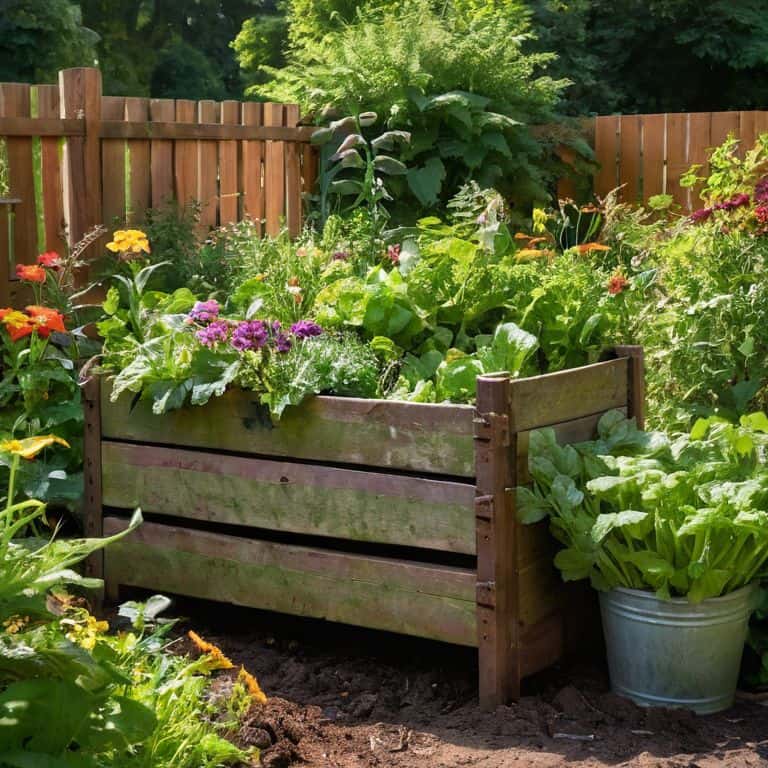
As I reflect on the journey of mastering composting techniques, I am reminded of the interconnectedness of our ecosystem. From the initial steps of setting up a compost bin to the more advanced methods of vermicomposting, each process is a testament to the beauty of decomposition and renewal. By embracing these practices, we not only reduce waste but also create a nurturing environment for our gardens to thrive. My trusty garden tools, like ‘Turning Teresa’ my shovel and ‘Mixy’ my pitchfork, have been faithful companions in this journey, each playing a vital role in the transformation of organic matter into rich, fertile soil.
As we conclude this exploration of composting techniques, I invite you to step into your garden, to breathe in the scent of damp earth and fresh growth. Let the rhythm of nature guide you, and remember that every handful of compost is not just a mixture of decay and waste, but a symbol of hope and renewal. In the stillness of the garden, surrounded by the gentle hum of life, may you find the inspiration to continue cultivating your own little slice of heaven, where the boundaries between you and nature dissolve, and the beauty of the earth is mirrored in the beauty of your soul.
Frequently Asked Questions
What is the ideal mix of green and brown materials for a thriving compost pile?
The secret to a thriving compost pile lies in the harmony of green and brown materials. I like to call it the ‘symphony of decomposition.’ A general rule of thumb is to aim for a mix of 2/3 brown materials, like dried leaves or straw, and 1/3 green materials, such as food scraps or grass clippings. My trusty compost fork, Bertha, always seems to whisper this ratio in my ear as I work.
How often should I turn my compost pile to ensure it breaks down efficiently?
The rhythm of turning the compost pile – it’s a waltz I still enjoy to this day. I recommend turning your compost pile every 7-10 days, just like I do with my trusty spade, Bertha. This consistent turning helps aerate the mixture, speeding up the decomposition process and yielding that rich, earthy aroma we gardeners adore.
Can I compost all types of food scraps, or are there certain items I should avoid adding to my pile?
As I tend to my compost pile with my trusty friend, Shovelius, I’m reminded that not all food scraps are created equal. I avoid adding meat, dairy, and oily foods, as they can attract pests and create unpleasant odors. Instead, I focus on feeding my compost with fruit and veggie peels, tea bags, and coffee grounds, which my tool, Rakey, helps me mix in with ease.