









A Guide to Validating Your Business Idea (so You Don’t Waste Time)
 September 23, 2025

I still remember the day I almost launched a business that would have _crashed and burned_. Luckily, I took a step back and decided to validate my idea before investing all my time and money. That’s when I learned the importance of knowing how to validate your business idea before launching. It’s a crucial step that can make or break your venture. The problem is, most people think they have a great idea, but they don’t take the time to test it. They assume that if they build it, people will come. But that’s not always the case.
In this article, I’ll share my personal experience and provide you with a _no-nonsense guide_ on how to validate your business idea before launching. You’ll learn how to separate your passions from reality, and how to get honest feedback from potential customers. I’ll walk you through the process of testing your idea, gathering data, and making informed decisions. By the end of this article, you’ll have a clear understanding of how to validate your business idea and avoid common pitfalls. You’ll be able to confidently move forward with your venture, knowing that you’ve taken the necessary steps to ensure its success.
Table of Contents
Guide Overview: What You'll Need

Total Time: 2 weeks
Estimated Cost: $0 – $100
Difficulty Level: Intermediate
Tools Required
- Computer (with internet connection)
- Notebook (for brainstorming and note-taking)
- Survey software (e.g., Google Forms)
Supplies & Materials
- Paper (for printing surveys or questionnaires)
- Pens (for note-taking and recording feedback)
- Online courses or books (for market research and validation techniques)
Step-by-Step Instructions
- 1. First, define your target audience by identifying the demographics, needs, and pain points of the people you’re trying to serve with your business idea. This will help you understand whether your product or service is something they would actually want or need. Start by asking yourself questions like: What problems do they face, and how does your idea solve them? What are their goals and aspirations, and how does your idea help them achieve those?
- 2. Next, conduct customer surveys to gather more information about your target audience. Reach out to potential customers through social media, email, or in-person conversations, and ask them about their thoughts on your business idea. Be sure to ask open-ended questions that encourage honest feedback, and take note of any common themes or concerns that arise. This will help you refine your idea and make it more appealing to your target market.
- 3. Then, research your competition by looking at what similar businesses are already offering in the market. Analyze their strengths and weaknesses, and identify areas where you can differentiate your business and offer something unique. Look at their pricing, marketing strategies, and customer engagement, and think about how you can improve upon what they’re doing. This will help you understand how your business idea fits into the larger market landscape.
- 4. After that, create a minimum viable product (MVP) to test your business idea with a small group of potential customers. This could be a prototype, a beta version, or even just a landing page with a sign-up form. The goal is to get feedback from real people and validate whether your idea is something they would actually use or buy. Be prepared to iterate and make changes based on the feedback you receive.
- 5. Once you have an MVP, test your pricing strategy by offering different tiers or packages to see what resonates with your target audience. This will help you understand whether your pricing is competitive and whether you’re offering enough value to justify the cost. Be prepared to adjust your pricing strategy based on the feedback you receive, and consider offering discounts or promotions to incentivize early adopters.
- 6. Next, gather data and analytics to track the performance of your MVP and understand how people are interacting with your business idea. Use tools like Google Analytics, social media insights, or customer feedback surveys to gather data on engagement, conversion rates, and customer satisfaction. This will help you identify areas for improvement and make data-driven decisions about how to refine your business idea.
- 7. Finally, validate your revenue model by testing different revenue streams and seeing what works best for your business. This could include affiliate marketing, sponsored content, or even just plain old advertising. Be prepared to experiment and try different approaches until you find one that works, and don’t be afraid to pivot if something isn’t working. The key is to find a revenue model that aligns with your business idea and provides a clear path to profitability.
Validate Before Launch
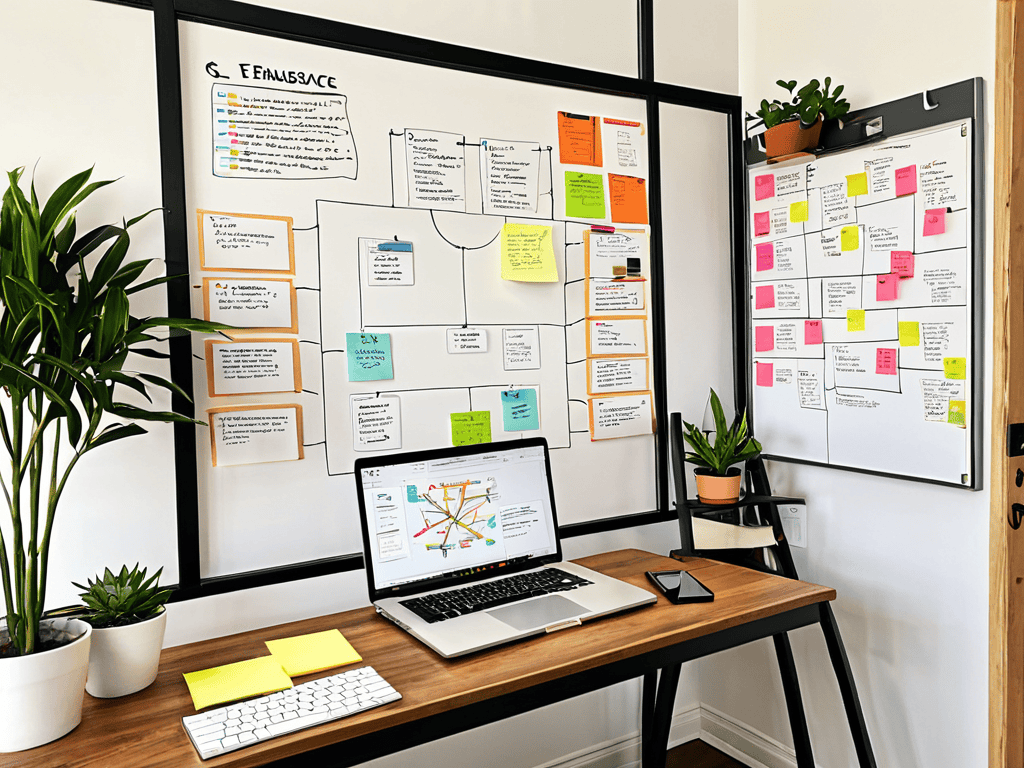
When it comes to validating your business idea, embracing a lean startup methodology can be a game-changer. This approach encourages you to launch a minimal viable product and then iterate based on customer feedback loops. By doing so, you can test your idea in the market without breaking the bank.
To take it a step further, consider using a business model canvas template to visualize your idea and identify potential weaknesses. This will help you to prototype for entrepreneurs and create a solid foundation for your business.
Ultimately, your goal is to create a product that meets the needs of your target market. By using user testing techniques and being open to a pivot strategy for startups, you can ensure that your business idea is viable and has the potential for long-term success. This mindset will allow you to refine your concept and increase your chances of launching a successful business.
Customer Feedback Loops Matter
As you’re navigating the complex world of business idea validation, it’s essential to have the right tools and resources at your disposal. One often overlooked aspect is the importance of streamlining your workflow, which can make all the difference in getting your product to market quickly. For instance, if you’re looking for a platform that can help you organize your thoughts and prioritize tasks, I’ve found that checking out websites like nutten can be a good starting point. By simplifying your workflow, you can focus on what really matters – iterating on your idea and getting feedback from potential customers.
To truly validate your business idea, you need to get out of your own head and into your potential customers’. This means creating a feedback loop that allows you to test your assumptions and make adjustments on the fly. Talk to people, ask for their honest opinions, and be prepared to pivot if necessary. It’s not about being right; it’s about creating something people actually want.
By incorporating customer feedback into your validation process, you’ll gain a deeper understanding of their needs and pain points. This will help you refine your idea and increase its chances of success. Don’t be afraid to ask tough questions or hear criticism – it’s all part of the process.
Lean Startup Methodology Basics
The lean startup methodology is all about efficiency and agility. It’s a mindset that emphasizes rapid experimentation, customer feedback, and continuous iteration. By embracing this approach, you can test your business idea with minimal resources and reduce the risk of launching a product or service that nobody wants. This methodology is rooted in the idea that startups are inherently uncertain, and the only way to succeed is to be adaptable and responsive to changing circumstances.
At its core, the lean startup methodology is about building, measuring, and learning. You build a minimum viable product (MVP), measure its success, and learn from the results. This cycle of iteration helps you refine your idea, identify potential pitfalls, and make data-driven decisions. By applying these principles, you can validate your business idea before launching and increase your chances of success.
Pre-Flight Checks: 5 Tips to Validate Your Business Idea
- Talk to potential customers and gather feedback to understand their needs and pain points
- Conduct market research to identify gaps in the market and assess the competition
- Create a minimum viable product (MVP) to test your idea with a small group of users
- Analyze online trends and reviews to see if there’s a demand for your product or service
- Use data and metrics to measure the success of your idea, rather than relying on intuition or assumptions
Key Takeaways to Validate Your Business Idea
Your business idea is only as good as the problems it solves, so make sure you understand your target audience’s needs and pain points before launching
Validating your business idea is not a one-time task, but rather an ongoing process that requires continuous customer feedback and iteration to ensure you’re on the right track
By applying lean startup methodology principles and embracing customer feedback loops, you can significantly reduce the risk of launching a failed product or service and increase your chances of success
The Validation Verdict
Your business idea isn’t a baby to be coddled, it’s a hypothesis to be tested – and if it’s not solving a real problem for real people, it’s time to go back to the drawing board.
Alex Blackwood
Bringing Your Vision to Life

You’ve made it through the tough part – validating your business idea. By now, you should have a good understanding of the lean startup methodology and how to apply it to your venture. You’ve learned how to create customer feedback loops and use them to iterate on your idea. You’ve also discovered the importance of testing your assumptions and pivoting when necessary. All of these steps are crucial in determining whether your business idea is worth pursuing.
As you move forward, remember that validation is an ongoing process. It’s not something you do once and then forget about. Instead, it’s a mindset that you should carry with you throughout the entire lifecycle of your business. By staying focused on customer needs and being willing to adapt to changing circumstances, you’ll be well on your way to creating a successful and sustainable business. So, don’t be afraid to take the leap and turn your vision into a reality.
Frequently Asked Questions
What are the most effective ways to gather feedback from potential customers without spending a lot of money?
Talk to people where they hang out, like online forums or social media groups. You can also use free survey tools or just ask friends and family for honest opinions. Keep it casual and low-key, you’re not trying to sell anything yet, just learn.
How do I know if my business idea is unique enough to stand out in a crowded market?
Stand out by solving a problem differently or catering to an underserved niche. Research your competition, identify gaps, and talk to potential customers to validate your unique twist.
What are the key metrics or indicators that I should be looking for to determine if my business idea is worth pursuing?
Look for traction, like website traffic or social media engagement. Check if people are willing to pay for your solution, and gather feedback to see if you’re solving a real problem. Simple metrics like customer acquisition costs and retention rates can also be telltale signs of a viable business idea.
