





Baking With Love: Timeless Bread Recipes From Family Kitchens
 December 31, 2025
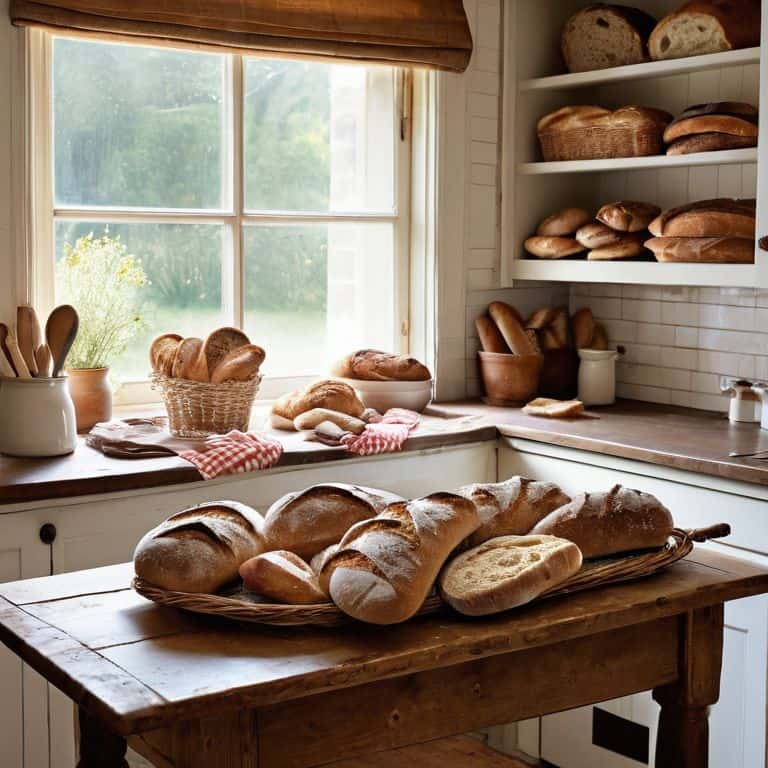
As I sit in my kitchen, surrounded by the worn wooden spoons and vintage baking sheets that have been passed down through my family, I am reminded of the timeless bread recipes that have been a staple of our Italian heritage for generations. But despite their enduring popularity, I’ve often found that the traditional methods for making these breads are shrouded in mystery, with many believing that they require a level of skill or equipment that is simply out of reach for the average home cook. The truth, however, is that these recipes are often surprisingly simple, and with a few basic ingredients and some patience, anyone can create delicious, authentic breads that would make even my nonna proud.
In the following pages, I promise to share my own experiences and insights into the world of timeless bread recipes, gained from years of studying the traditional methods of my Italian upbringing and experimenting with new ingredients and techniques. I’ll take you on a journey through the stories and secrets behind these beloved breads, and provide you with the practical advice and guidance you need to start baking them at home. Whether you’re a seasoned baker or just starting out, my goal is to empower you with the knowledge and confidence to create your own delicious, from-scratch breads, and to inspire you to explore the rich and varied world of traditional bread-making.
Table of Contents
Recipe Details
Ingredients
- 2 cups all-purpose flour (sifted)
- 1 teaspoon salt
- 1 teaspoon sugar
- 1 packet active dry yeast (2 1/4 teaspoons)
- 1 cup warm water (around 100°F to 110°F)
- 2 tablespoons olive oil
Tools & Supplies
- Large mixing bowl
- Measuring cups and spoons
- Wooden spoon or spatula
- Dutch oven or bread oven
- Baking sheet lined with parchment paper
Recipe Instructions
Step 1
To begin our journey into the world of timeless bread recipes, start by activating your yeast. In a small bowl, combine 1 cup of warm water (not hot, as this can kill the yeast) with 2 teaspoons of sugar and 1 teaspoon of active dry yeast. Stir gently to dissolve the yeast and let it sit for about 5-10 minutes, or until the mixture becomes frothy and _fragrant_. This step is crucial as it ensures your yeast is alive and ready to help your dough rise.
Step 2
While your yeast is activating, you can start preparing the rest of your ingredients. In a large mixing bowl, whisk together 3 cups of all-purpose flour, 1 teaspoon of salt, and any additional dry ingredients your recipe may call for (such as herbs or spices). The key here is to create a _well-balanced_ flavor profile that complements the natural taste of the bread without overpowering it.
Step 3
Once your yeast mixture is frothy, add it to the dry ingredients in the large mixing bowl. Mix the dough using a wooden spoon or a stand mixer with a dough hook attachment until the ingredients come together in a shaggy mass. At this stage, do not overmix; you merely want to combine the ingredients.
Step 4
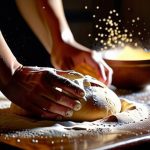
Turn the dough out onto a floured surface and begin kneading. This is a therapeutic process that requires some elbow grease, but it’s essential for developing the gluten in the dough, which gives bread its chewy texture. Knead for about 10 minutes, or until the dough becomes smooth and _elastic_. You can also use a stand mixer with a dough hook for this step, but there’s something satisfying about doing it by hand.
Step 5
After kneading, place the dough into a lightly oiled bowl, cover it with plastic wrap or a damp towel, and let it rise in a warm, draft-free place. The first rise, also known as the bulk fermentation, can take anywhere from 1 to 2 hours, depending on the temperature and the yeast’s activity. You’ll know it’s ready when the dough has _doubled in size_ and has a light, airy texture.
Step 6
Once the dough has risen, punch it down to release any air bubbles. This step is called “docking” and helps prevent large bubbles from forming in your bread as it bakes. After docking, shape your dough into its final form. This could be a round, oblong, or any other shape your recipe or imagination dictates. Place the shaped dough onto a baking sheet lined with parchment paper, cover it again, and let it rise for a second time, known as the final proof.
Step 7
Preheat your oven to 425°F (220°C) with a Dutch oven or a stone inside, if you have one. These tools help create a crispy crust by providing even heat and a touch of steam. When the oven is hot, gently place your shaped dough into the preheated Dutch oven or directly on the stone. If you’re using a regular oven without these tools, you can still achieve great results; simply place the dough on a regular baking sheet.
Step 8
Bake the bread for 25-40 minutes, depending on its size and your oven’s temperature. You’ll know the bread is done when it sounds _hollow_ when tapped on the bottom and has a golden brown color. Remove it from the oven and let it cool on a wire rack for at least 10-15 minutes before slicing. This cooling process is crucial as it allows the bread to set, making it easier to slice and serving.
Timeless Bread Recipes
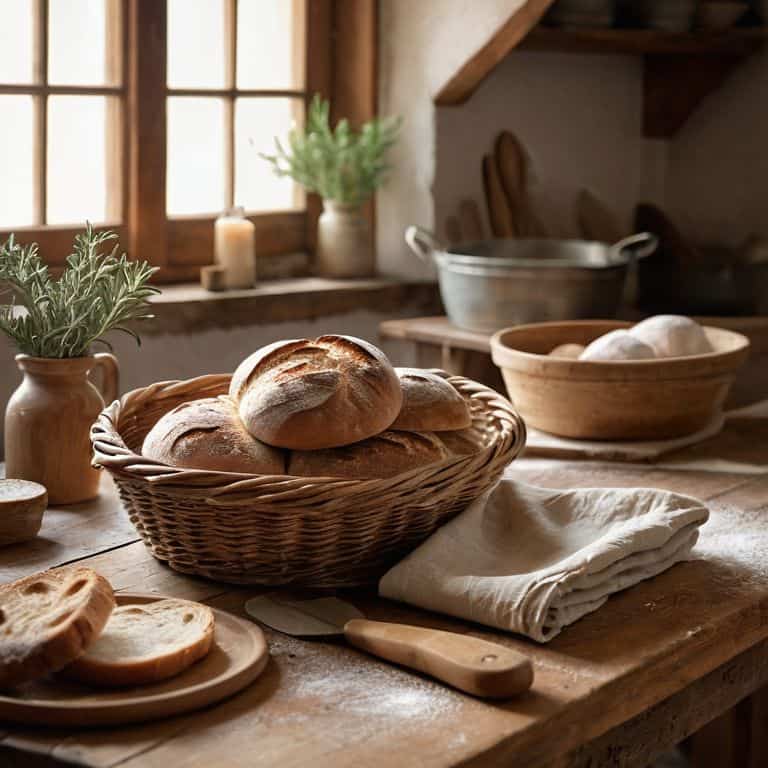
As I delve into the world of artisanal bread making techniques, I’m reminded of my nonna’s patience and dedication to crafting each loaf by hand. The process of slow rise bread recipe tips is an art form that requires attention to detail and a willingness to let nature take its course. I recall spending hours in her kitchen, watching as she carefully mixed and kneaded the dough, allowing it to rest and rise to perfection.
The use of heirloom bread recipes from Europe is a great way to connect with the past and appreciate the rich history behind traditional bread making. From the rustic breads of Italy to the delicate pastries of France, each region has its own unique twist on this ancient craft. When it comes to selecting the best flour for traditional bread, I always opt for high-quality, unbleached options that allow the natural flavors to shine through.
For those looking to try their hand at wood fired oven bread baking, I recommend starting with a simple recipe and experimenting with different types of wood to find the perfect smoky flavor. As a beginner, it’s essential to have a good bread baking for beginners guide to help navigate the process and avoid common pitfalls. With practice and patience, you’ll be well on your way to creating delicious, crusty loaves that rival those of any professional bakery.
Heirloom Recipes From Europe
As I delve into the rich culinary heritage of Europe, I’m reminded of my nonna’s kitchen, where the aromas of freshly baked Ciabatta and Focaccia filled the air. Heirloom recipes from Europe are a testament to the continent’s diverse bread-making traditions. From the crusty Baguettes of France to the dense, dark breads of Germany, each country has its unique twist on this staple food. I recall a summer spent in a small village in Croatia, where I learned the art of making traditional Dalmatian bread, its crispy crust giving way to a soft, airy interior.
In my own kitchen, I love to recreate these heirloom recipes, using techniques passed down through generations. The rustic Italian Grissini, with its delicate, crisp texture, is a favorite, as is the hearty, sweet bread of Portugal, broa. Each loaf is a connection to the past, a thread that weaves together the stories of Europe’s bakers and their beloved recipes.
Uncovering Artisanal Bread Making
As I delve into the world of artisanal bread making, I’m reminded of the countless hours I spent watching my nonna’s skilled hands shape and mold dough into crusty masterpieces. The process was almost therapeutic, with each fold and press of the dough a testament to her patience and dedication. I recall the way she’d carefully select each ingredient, from the coarsely milled flour to the pinch of sea salt, to create a bread that was both humble and sublime.
In uncovering the secrets of artisanal bread making, I’ve come to realize that it’s not just about following a recipe, but about understanding the story behind each loaf. The yeast, the water, the wood-fired oven – every element plays a role in crafting a bread that’s truly unique and full of character. As I continue to explore this timeless craft, I’m excited to share my discoveries with you, and to pass on the traditions that have been passed down through my family for generations.
Kneading Wisdom: 5 Timeless Tips for Perfecting Your Bread Recipes
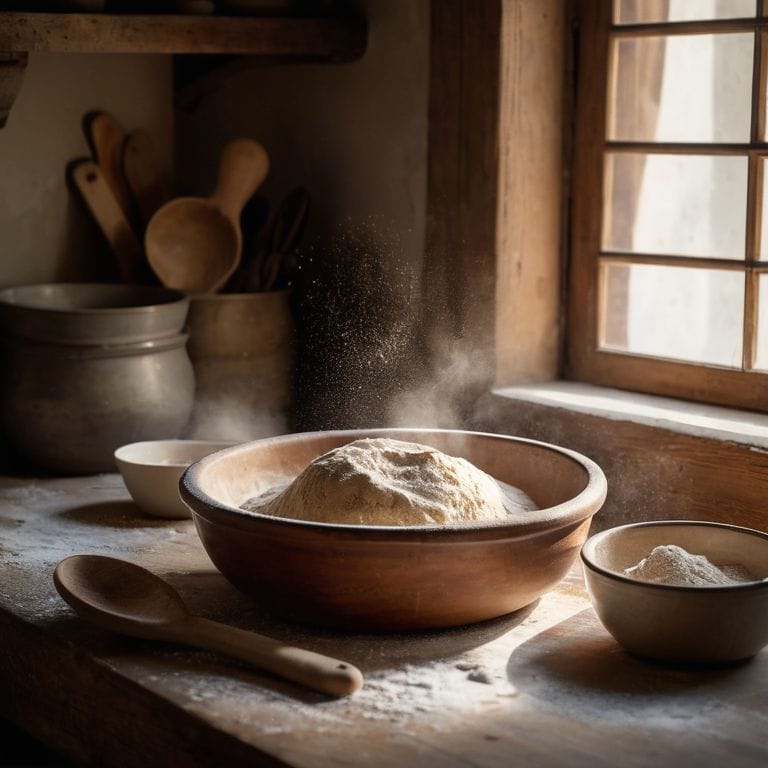
- Let your dough rest: just like Nonna used to do, giving the yeast time to work its magic and the gluten to relax, resulting in a tender crumb and a crispy crust
- Choose the right flour for the job, whether it’s the coarse texture of Italian ’00’ flour or the nutty flavor of whole wheat, each type will impart its own unique character to your bread
- Don’t overmix, my friends, as this can lead to a dense and tough final product – instead, aim for a gentle, folding motion that combines ingredients without developing the gluten too much
- Keep it simple with ingredients, just like our ancestors did, using high-quality, seasonal ingredients that allow the natural flavors of the bread to shine through, rather than relying on additives or preservatives
- Experiment with ancient techniques, such as using a natural starter or trying your hand at steam injection, to add an extra layer of depth and authenticity to your timeless bread recipes
Timeless Bread Recipes: 3 Key Takeaways
As I reflect on my nonna’s kitchen, where the art of bread-making was a labor of love, I realize that timeless bread recipes are more than just a list of ingredients – they’re a bridge between generations, cultures, and traditions.
Uncovering the stories behind artisanal bread making has taught me that the simplest recipes often hold the most profound secrets, and that the act of baking bread can be a powerful way to connect with our heritage and the people around us.
Whether you’re a seasoned baker or a curious beginner, I hope that our journey through timeless bread recipes has inspired you to experiment, to innovate, and to pass on your own stories and traditions to the people you love, one delicious loaf at a time.
A Slice of Tradition
Timeless bread recipes are more than just a mixture of flour, water, and yeast – they are a tangible connection to our past, a reflection of our present, and a gift to our future, woven together with the threads of love, tradition, and community.
Marco Bianchi
Timeless Treasures: A Lasting Legacy
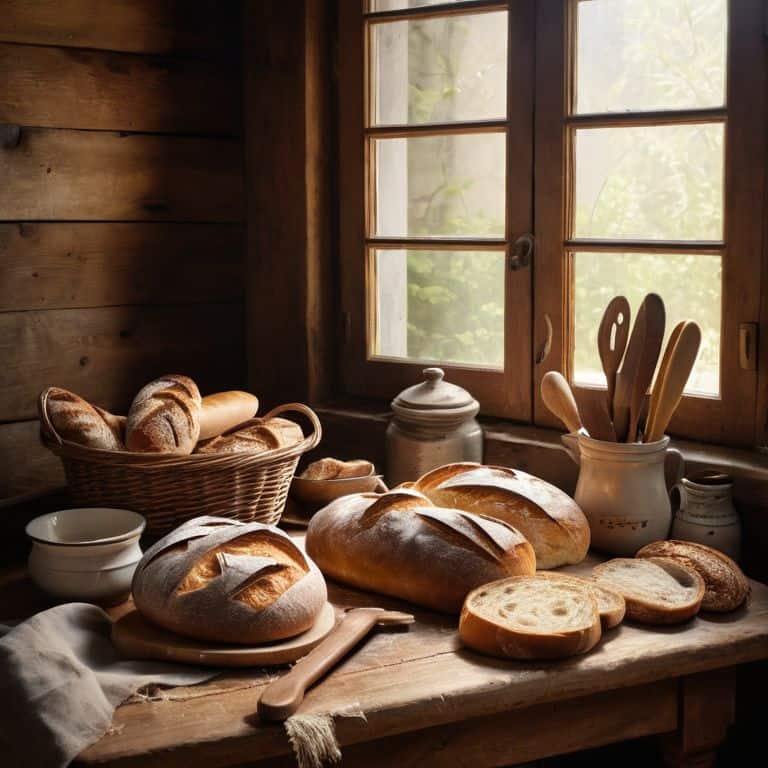
As we conclude our journey through the world of timeless bread recipes, it’s clear that the art of bread making is a rich tapestry woven from threads of tradition, culture, and love. From the crusty baguettes of France to the hearty sourdough of Italy, each recipe tells a story of its own, passed down through generations and infused with the spirit of community and sharing. By uncovering the secrets of artisanal bread making and exploring the heirloom recipes of Europe, we not only preserve a piece of history but also nourish our souls with the warmth and comfort that only a freshly baked loaf can provide.
As you embark on your own culinary journey, remember that the true beauty of timeless bread recipes lies not just in their taste, but in the emotional connections they forge. Whether you’re baking for a family gathering, a quiet evening at home, or simply to share with a friend, every loaf is an opportunity to weave your own story into the fabric of tradition, to leave a mark that will be remembered for generations to come. So, let the yeast rise, the dough knead, and the aromas waft, for in the simple act of baking bread, we find a profound sense of belonging, heritage, and love.
Frequently Asked Questions
What makes a bread recipe truly timeless, and how can I adapt these recipes to fit my modern dietary needs?
For me, a timeless bread recipe is one that balances tradition with versatility, allowing it to transcend generations and dietary trends. To adapt these classics to modern tastes, consider swapping traditional flours with ancient grains or alternative flours, and experimenting with creative flavor combinations that still honor the original recipe’s essence.
Are there any specific ingredients or techniques that are essential to creating authentic, traditional breads from around the world?
The essence of traditional breads lies in their simplicity and regional ingredients. For authentic European breads, it’s all about using high-quality, stone-ground flours, natural yeast starters, and respecting the traditional techniques, like slow rising and hand-shaping. These elements, combined with love and patience, bring forth the true character of each loaf, just as my nonna taught me.
How can I ensure that my homemade bread has the same crispy crust and chewy interior as the breads I've enjoyed in European bakeries?
My friend, the secret lies in the balance of ingredients, temperature, and technique. Try using a steamy oven and a longer fermentation time to develop that perfect crust and chew. My nonna’s trick was to add a touch of Italian flair with a sprinkle of sea salt and a drizzle of extra virgin olive oil before baking.