







Building a Bee Sanctuary: How to Support Pollinators in Your Backyard
 January 4, 2026
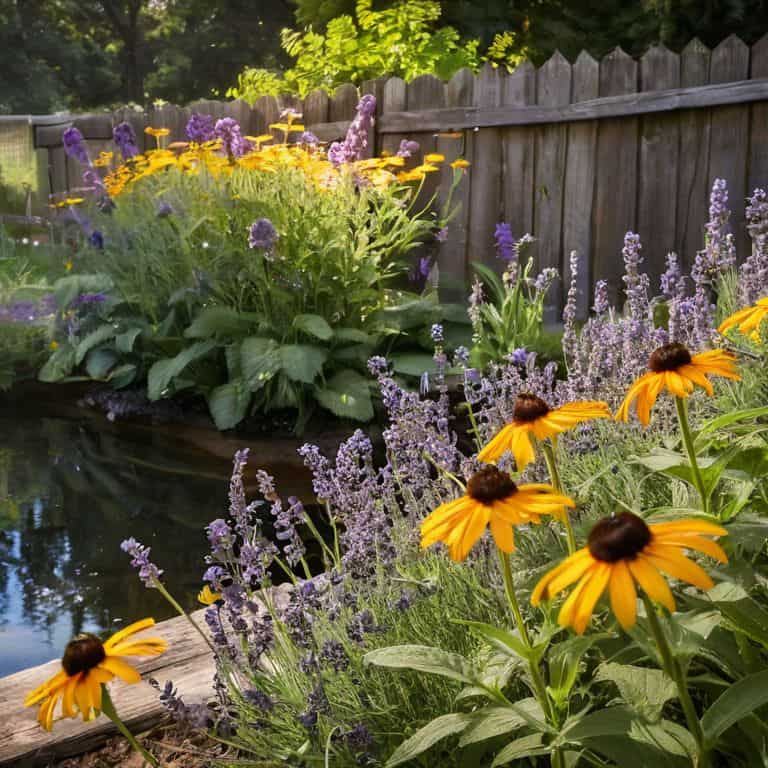
As I step into my backyard oasis in Oregon, I’m surrounded by the gentle hum of bees flitting from flower to flower in my bee sanctuary. It’s a symphony that never fails to bring a smile to my face, and one that I believe everyone should be able to experience. But, all too often, the idea of creating a haven for these busy little creatures is shrouded in complexity and expense. I’ve lost count of the number of times I’ve seen overcomplicated designs and expensive solutions touted as the only way to support our precious pollinators.
In this article, I promise to cut through the hype and share my own, hard-won experience in creating a thriving bee sanctuary. I’ll take you on a journey through the simple, yet effective steps I’ve taken to nurture a haven for these incredible creatures. From choosing the right plants to creating a welcoming environment, I’ll provide you with practical, no-nonsense advice that’s been tested and proven in my own garden. My goal is to empower you to create your own serene oasis, where bees can thrive and bring joy to your life, just as they have to mine.
Table of Contents
Crafting a Bee Sanctuary
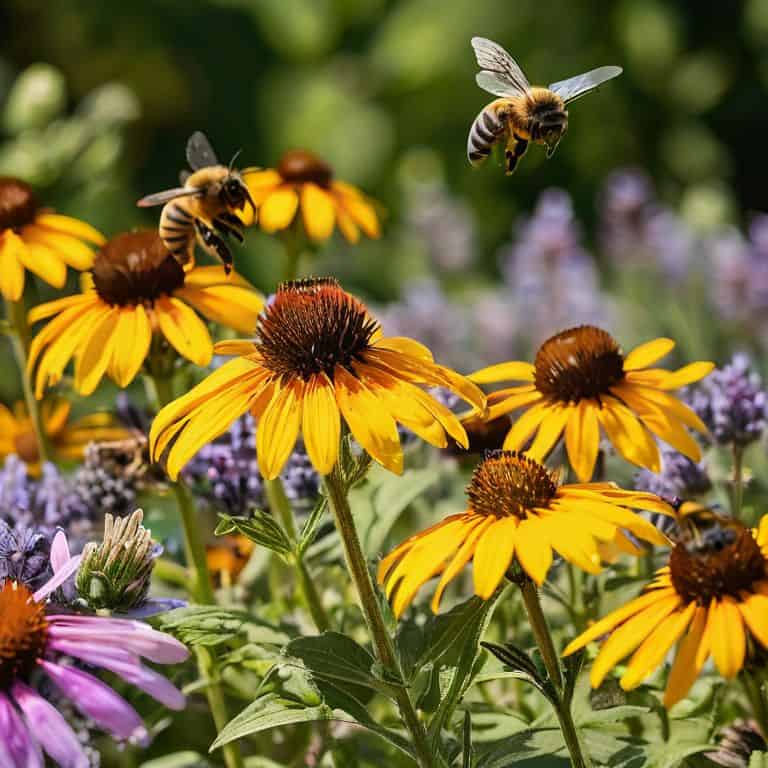
As I step into my garden, I’m greeted by the gentle hum of my busy friends, and I’m reminded of the importance of creating a bee friendly habitat. To craft such a haven, I always start by selecting a mix of native plants that provide a constant source of nectar and pollen throughout the growing season. This not only ensures a diverse range of bees visit and inhabit my garden but also adds a vibrant tapestry of colors and textures to my outdoor space.
In addition to choosing the right plants, I also consider the physical structure of my garden. Bee hotel designs and plans can vary greatly, but the core idea is to provide a cozy, sheltered spot for solitary bees to lay their eggs. I’ve found that using natural materials like bamboo and wood, and incorporating different diameters and depths, can attract a wide range of species. It’s fascinating to watch these little creatures flit about, collecting materials and tending to their young.
To keep my haven thriving, I’ve learned to manage pests in pollinator gardens using organic methods whenever possible. This approach not only safeguards the health of my bees but also contributes to the overall importance of bee diversity in our ecosystem. By embracing this holistic approach, I’ve created a space where bees can flourish, and I can bask in the serenity of nature, surrounded by the gentle song of my tiny friends.
Bee Hotel Designs and Plans
As I sit amidst my bonsai landscape, surrounded by the gentle hum of bees, I’m reminded of the importance of providing them with a cozy place to rest. Bee hotels can be a wonderful addition to any garden, offering a haven for these busy creatures to nest and lay their eggs. I like to think of my trusty garden tool, “Sunny the Saw,” as a key player in crafting these tiny abodes.
When it comes to bee hotel designs, simplicity and creativity can go hand-in-hand. I recall using “Petunia the Drill” to create a beautiful bamboo bee hotel, which has become a favorite among the bees in my garden. By using natural materials and incorporating different tube sizes, we can attract a variety of solitary bees and provide them with a safe space to thrive.
Native Plants for Bee Conservation
As I wander through my own backyard oasis in Oregon, I’m reminded of the importance of native plants in supporting our busy bee friends. These plants have evolved alongside the local bee population, providing the perfect source of nectar and pollen for them to thrive. By incorporating native plants into our bee sanctuary, we can create a haven that feels like home for these precious pollinators.
To get started, consider adding some bee-friendly blooms to your sanctuary, such as coneflowers or black-eyed susans, which are rich in nectar and pollen. These plants will not only attract bees but also add a pop of color and vibrancy to your garden, making it a joy to tend to alongside my trusty garden tools, like my pruning shears, Bertha.
Nurturing Your Bee Haven
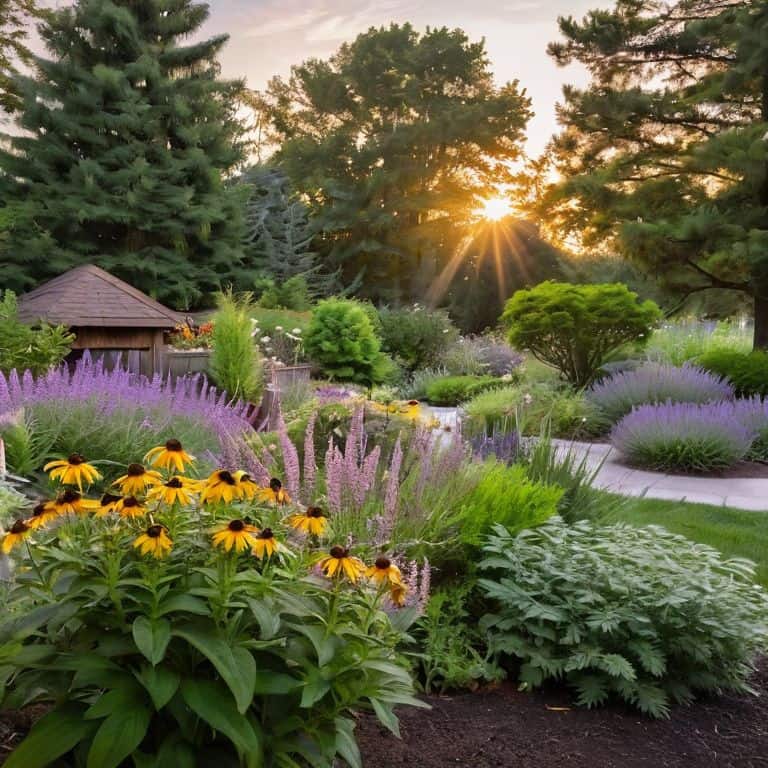
As I tenderly prune the branches of my bonsai trees, I’m reminded of the delicate balance required to nurture a thriving ecosystem. In our bee havens, this means adopting a holistic approach to gardening, one that prioritizes the well-being of our busy friends. By choosing native plants for bee conservation, we can create a vibrant tapestry of colors and scents that will attract a diverse array of pollinators to our gardens.
To maintain the health and happiness of our bee populations, it’s essential to manage pests in pollinator gardens effectively. This can be achieved through the use of natural pest control methods, such as introducing beneficial insects or using physical barriers to prevent infestations. By taking a proactive approach to pest management, we can ensure that our bee hotels and gardens remain a safe and welcoming space for our pollinator friends.
As I work in my own garden, chatting with my trusty tools – including my favorite pruning shears, Bertha – I’m constantly reminded of the importance of bee diversity. By creating a bee-friendly habitat that caters to the needs of different species, we can foster a rich and resilient ecosystem that will thrive for years to come. With a little patience, love, and care, our bee havens can become a true oasis, where the gentle hum of our pollinator friends provides a soothing serenade to our gardening endeavors.
Importance of Bee Diversity and Maintenance Tips
As I tend to my bee sanctuary, I’m reminded of the vital role that diverse bee species play in maintaining the health of our ecosystem. With over 20,000 known species of bees, each with their unique characteristics and strengths, it’s essential to create an environment that welcomes and supports this diversity. I’ve found that using a variety of native plants, like those I’ve cultivated in my own Oregon garden, helps attract a wide range of bee species.
To keep my bee haven thriving, I make sure to regularly inspect the bee hotels and plants for signs of disease or pests. This not only helps prevent the spread of illness but also ensures that my bees have a clean and safe environment to live and thrive in. By taking these simple steps, I’ve been able to create a haven that’s not only beautiful but also functional and beneficial for these incredible pollinators.
Managing Pests in Pollinator Gardens
As I tend to my own bee sanctuary, I’ve learned that healthy ecosystems are key to managing pests. By introducing a diverse range of plants, I’ve created a balanced environment where beneficial insects can thrive, keeping pests under control. My trusty garden tool, “Prunezilla,” helps me maintain the perfect harmony.
To minimize the need for pesticides, I focus on companion planting, pairing certain species that naturally deter pests. This approach not only ensures the well-being of my bee friends but also adds a layer of beauty to my garden, as vibrant flowers and foliage work together in perfect harmony.
Sowing Seeds of Serenity: 5 Key Tips for a Thriving Bee Sanctuary
- Embrace the beauty of chaos by allowing a small section of your garden to grow wild, just as I do in my own Oregon backyard, where native plants like coneflowers and black-eyed susans attract a diverse array of bee species
- Create a bee-friendly water source, like a shallow dish with fresh water and a few rocks for perching, which I’ve found to be a haven for these busy creatures, especially on warm summer days
- Choose a variety of native plants that bloom at different times, ensuring a constant source of nectar and pollen for your bee friends, much like the vibrant tapestry of colors in my own bonsai landscapes
- Avoid using pesticides and instead opt for natural methods of pest control, like introducing beneficial insects or practicing companion planting, which has been a cornerstone of my family’s organic farm for generations
- Provide a cozy home for your solitary bees by building or purchasing a bee hotel, and place it in a sunny spot with plenty of nearby forage, where my trusty garden tool, ‘Pruning Pete’, helps me keep the surroundings tidy and welcoming
Key Takeaways for Your Thriving Bee Sanctuary
As you embark on creating your bee sanctuary, remember that native plants are the backbone of bee conservation, providing the necessary nectar and pollen for these busy creatures to thrive, just like the wildflowers that bloom in my favorite hiking trails in Oregon.
A well-designed bee hotel can be a haven for solitary bees, so don’t be afraid to get creative with your designs and plans, and as I always say to my trusty garden tool, ‘Betsy the Trowel,’ a little love and care can go a long way in making our bee friends feel at home.
By embracing bee diversity and implementing mindful maintenance practices, such as avoiding pesticides and providing a source of fresh water, you’ll be well on your way to nurturing a vibrant and resilient bee haven that brings joy and serenity to your garden, and as I sit amidst my own bonsai landscape, I’m reminded of the profound impact we can have on these incredible pollinators.
Sowing the Seeds of Serenity
As we tend to our bee sanctuaries, we’re not just nurturing these incredible pollinators, we’re cultivating a sense of harmony within ourselves and with the natural world – a reminder that even the smallest of creatures can have a profound impact on the beauty and biodiversity of our gardens.
Dylan Thompson
Sowing the Seeds of Serenity: A Lasting Legacy for Our Busy Bee Friends
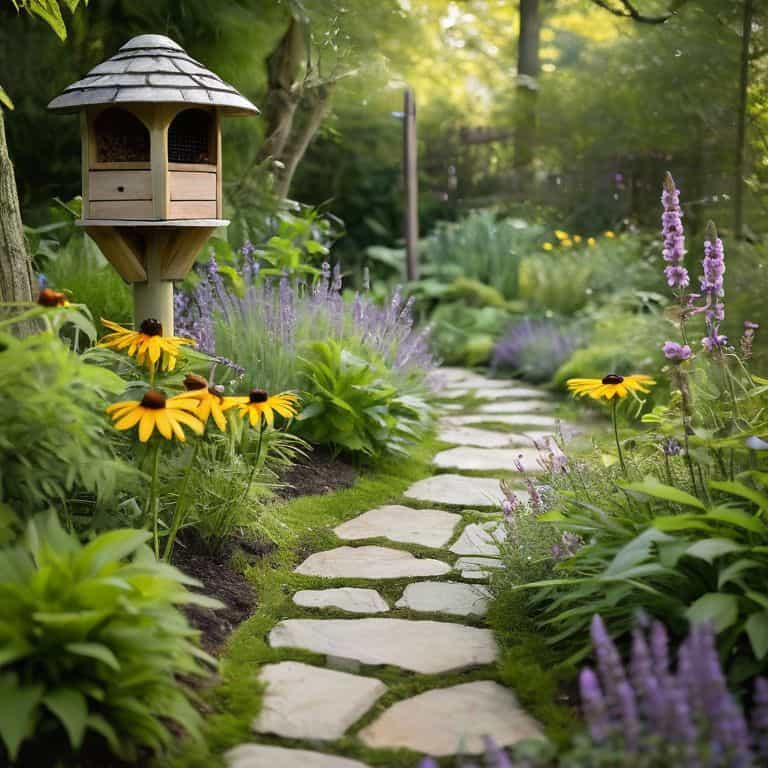
As I reflect on our journey to create a thriving bee sanctuary, I’m reminded of the importance of harmony between nature and our gardens. We’ve explored the art of crafting a bee haven, from selecting native plants that beckon these busy friends to our yards, to designing bee hotels that provide them with cozy abodes. We’ve also delved into the nuances of nurturing our bee havens, including managing pests in a way that respects the delicate balance of our ecosystems and celebrating bee diversity to ensure the long-term health of our pollinator populations.
As we conclude our exploration of bee sanctuaries, I invite you to embark on this journey with me, to transform your outdoor spaces into vibrant oases that not only bring joy to your life but also contribute to the well-being of our planet. By creating these havens, we’re not just nurturing bees; we’re weaving a tapestry of life that intertwines our existence with the natural world, reminding us of the beauty in biodiversity and the serenity that comes from living in harmony with nature.
Frequently Asked Questions
What are some common mistakes to avoid when creating a bee sanctuary in a small urban garden?
When crafting your bee haven, beware of common pitfalls like overcrowding, inadequate water sources, and insufficient shade. My trusty trowel, Terra, reminds me to leave some areas of the garden untidy, as bees often nest in undisturbed soil. By avoiding these mistakes, you’ll create a thriving oasis for your busy friends.
How can I ensure the bee hotel designs and plans I implement are safe and effective for solitary bees?
To ensure safe and effective bee hotel designs, I consult with my trusty drill, Bertha, and we carefully consider the materials and dimensions. Using natural materials like bamboo and wood, and avoiding chemicals, we craft cozy habitats for solitary bees, just like I do in my own bonsai landscapes inspired by Oregon’s trails.
What role do native plants play in maintaining a healthy and thriving bee sanctuary, and how can I choose the best ones for my region?
Native plants are the heartbeat of a thriving bee sanctuary, providing the perfect blend of nectar, pollen, and shelter. To choose the best ones for your region, consider consulting with local nurseries or extension offices, like I do when selecting species for my Oregon garden. My trusty tool, “Petunia the Pruner,” always seems to snip with precision when surrounded by native blooms.