








Fall Gardening Techniques to Prepare for a Vibrant Spring
 September 18, 2025
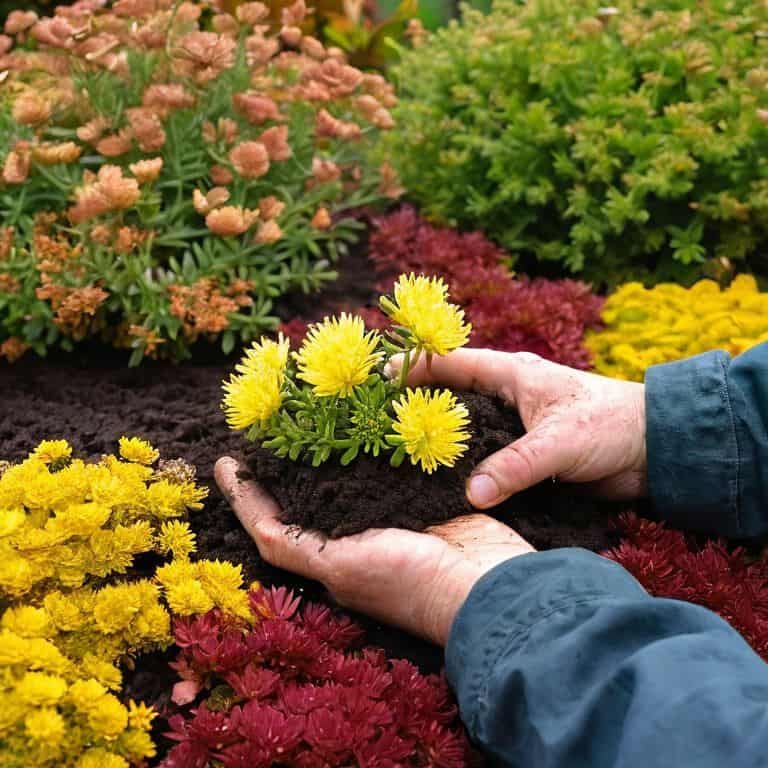
As I step into my garden on a crisp autumn morning, the scent of damp earth and decaying leaves fills my lungs, and I’m reminded of the common myth that fall gardening techniques are all about cleaning up and preparing for a dormant winter. But I’m here to tell you that’s not entirely true – in fact, fall is a vibrant season for gardeners, full of opportunities to cultivate life and prepare for a bountiful spring. I recall my childhood on our family’s organic farm in Oregon, where my parents would always say, “The best time to plant a tree was 20 years ago, but the second-best time is now.” This mindset has stuck with me, and I apply it to my own gardening practices, especially during the fall season.
In this article, I’ll share my favorite fall gardening techniques for creating a thriving, ecological oasis, even as the days grow shorter and the nights grow cooler. You can expect practical, no-nonsense advice on topics like soil preparation, plant selection, and maintenance strategies to help your garden flourish during this transition period. From the best ways to compost and mulch to the most resilient plant species for fall gardens, I’ll cover it all, drawing from my own experiences as an ecological garden designer and enthusiast. So, let’s get started and make the most of this beautiful season, shall we?
Table of Contents
- Guide Overview: What You'll Need
- Step-by-Step Instructions
- Fall Gardening Techniques
- Nurturing Nature's Final Dance: 5 Essential Fall Gardening Techniques
- Embracing the Essence of Fall Gardening: 3 Key Takeaways
- Embracing the Rhythm of the Seasons
- Embracing the Bounty of Fall Gardening
- Frequently Asked Questions
Guide Overview: What You'll Need
Total Time: 2 hours 30 minutes
Estimated Cost: $50 – $100
Difficulty Level: Intermediate
Tools Required
- Garden Rake for soil preparation
- Shovel for digging and planting
- Pruning Shears for trimming and pruning plants
- Hoe for weeding and cultivating soil
- Measuring Tape for measuring planting distances
Supplies & Materials
- Fall Bulbs such as tulips or daffodils
- Compost to enrich soil
- Mulch to retain moisture and suppress weeds
- Seeds for Cool-Season Crops such as broccoli or kale
- Soil Test Kit to determine soil pH and nutrient levels
Step-by-Step Instructions
- 1. First, let’s start by preparing the soil for the new season, and I always say that soil preparation is key to a successful fall garden. As the last wisps of summer’s warmth dissipate, I take my trusty garden fork, Bertha, and gently turn over the earth, loosening any compacted areas and removing any debris that may have accumulated over the summer months. This process not only aerates the soil but also allows me to reflect on the past season, thinking about what worked well and what didn’t, and how I can improve my techniques for the upcoming season.
- 2. Next, I assess the pH levels of my soil using my reliable pH tester, Phil, to determine if any adjustments need to be made. Fall is an excellent time to add organic matter such as compost or well-rotted manure to the soil, which will help to balance the pH and provide nutrients for the upcoming seasons. I find that my compost, which I’ve been nurturing throughout the summer, is now ready to be incorporated into the soil, adding a rich, earthly aroma to my garden.
- 3. Now, it’s time to choose the perfect plants for my fall garden. I opt for a mix of cool-season crops such as broccoli, kale, and carrots, which thrive in the cooler temperatures of fall. I also consider adding some ornamental plants like asters, sedums, or pansies, which will add a pop of color to my garden as the seasons change. My gardening shears, Sammy, come in handy as I carefully prune and shape my existing plants to make room for the new additions.
- 4. With my plants selected, I move on to the planting process. I make sure to plant my cool-season crops about 8 weeks before the first frost, giving them ample time to mature. I use my gardening gloves, Gina, to gently handle the plants, and my trowel, Terry, to dig holes that are just the right size. As I plant, I take a moment to appreciate the simplicity of this process, feeling the cool earth beneath my hands and the warm sun on my back.
- 5. As the days shorten and the nights grow cooler, I focus on providing my plants with the right amount of moisture and nutrients. I use a soaker hose, which I’ve named Sophie, to deliver water directly to the roots of my plants, reducing evaporation and runoff. I also side-dress my plants with a balanced fertilizer, which I apply using my trusty fertilizer spreader, Frankie. This helps to promote healthy growth and vibrant colors in my fall garden.
- 6. To protect my plants from the impending frost, I use a combination of row covers and cold frames. My row covers, which I’ve named the “Cozy Crew,” are lightweight and breathable, allowing for airflow and moisture transfer while keeping frost at bay. My cold frames, which I’ve built using reclaimed wood, provide a more permanent solution, trapping warm air and protecting my plants from harsh winds and extreme temperatures.
- 7. Finally, as the fall season progresses, I take time to reflect and adjust, monitoring my plants’ progress and making any necessary adjustments to my techniques. I keep a gardening journal, where I record my observations, note what’s working well, and brainstorm ideas for future seasons. This process of reflection and adaptation is essential to creating a thriving and resilient garden, one that will continue to flourish despite the challenges of the changing seasons.
Fall Gardening Techniques
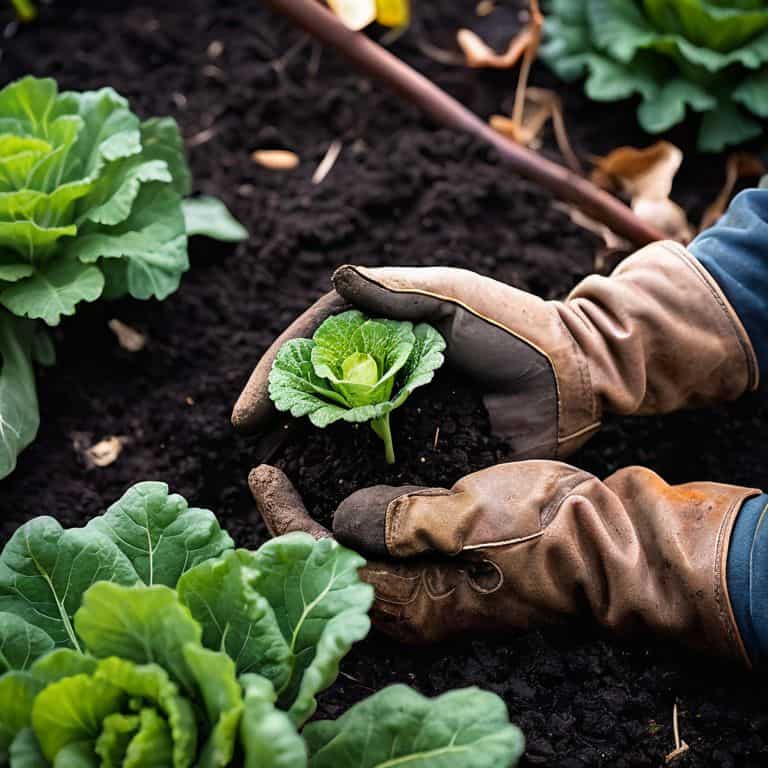
As I step into my garden, surrounded by the vibrant hues of changing leaves, I’m reminded of the importance of cold weather crop selection. Choosing the right plants for the season can make all the difference in creating a thriving ecological oasis. I find solace in the gentle rustle of leaves and the earthy scent of damp soil, which seems to whisper secrets of the natural world. My trusty garden tools, like my pruning shears, Bertha, and my trowel, Toby, seem to come alive in my hands as I work the earth.
As I prepare my garden beds for the cooler months, I make sure to focus on soil preparation for fall. This involves adding a mix of compost and organic matter to enrich the soil and provide a nutrient-rich foundation for my plants. I also take the time to inspect my garden beds and apply garden bed insulation methods, such as mulching or covering with a layer of straw, to retain heat and protect my plants from harsh winter conditions. My garden tools, including my rake, Rachel, and my hoe, Hank, are indispensable companions in this process.
As the seasons transition, I also prioritize fall pruning best practices to ensure my plants remain healthy and resilient. This involves carefully trimming back dead or damaged branches, making way for new growth and allowing my plants to conserve energy during the colder months. With a little care and attention, my garden becomes a haven of tranquility, even in the midst of winter’s chill.
Cold Weather Crop Selection Tips
As the mercury dips, I find myself enthralled by the resilient cold-weather crops that thrive in the chill. My trusty trowel, Bertha, and I have a special fondness for planting broccoli, kale, and carrots – they’re the unsung heroes of the fall garden. When selecting crops for the colder months, consider varieties that mature quickly, typically within 40 to 60 days. I also make sure to choose disease-resistant and compact varieties, which perform beautifully in the cooler temperatures.
My gardening shears, Sammy, and I work in tandem to prune back any leggy growth, making way for these hardy crops to take center stage. By opting for cold-tolerant crops, you’ll be rewarded with a bountiful harvest, even as the first frosts begin to whisper through the garden.
Soil Preparation for Fall Success
As I prepare my garden for the fall season, I always make sure to give my soil some extra love. I like to think of it as a gentle wake-up call, getting the earth ready to nurture the new life that’s to come. My trusty tool, Bertha the tiller, and I work together to loosen the soil, allowing oxygen and nutrients to flow in. I also add a mix of compost and organic matter, watching as the soil transforms into a rich, dark cradle for my fall crops.
With my soil prepared, I can almost smell the promise of a bountiful harvest. I’ve found that taking the time to get the soil just right makes all the difference in the world. My tool, Sammy the cultivator, helps me mix in those final touches, and I can feel the excitement building as I anticipate the vibrant colors and flavors that will soon emerge from the earth.
Nurturing Nature's Final Dance: 5 Essential Fall Gardening Techniques
- As the last wisps of summer’s warmth dissipate, I find myself enthralled by the promise of fall gardening – it’s a time when the earthy scent of damp soil and the vibrant hues of changing leaves conspire to create an irresistible canvas for cultivation, don’t you think?
- Selecting the right cold-weather crops is an art form, one that I’ve honed over years of experimenting with everything from crisp kale to vibrant radishes, each variety a testament to the magic that unfolds when we coax life from the earth during this enchanted season
- My trusty garden tools, including my beloved ‘Tillie’ the trowel and ‘Sprout’ the cultivator, are always by my side as I prepare the soil for the impending chill – a gentle loosening of the earth, a sprinkling of organic matter, and a whispered promise to the land that we’ll nurture it through the coming months
- In the stillness of autumn mornings, I often find myself lost in the meditative rhythm of planting bulbs, each one a tiny, promise-filled package of potential beauty, waiting to unfurl its splendor come spring, a poignant reminder of the cyclical nature of growth and decay
- As I work the earth, the soft rustle of leaves and the sweet, melancholic songs of birds in migration serve as a poignant reminder to slow our pace, to listen to the land, and to honor the ancient, eternal cycle of growth, decay, and rebirth that underlies all of life – and it’s in this spirit that I offer these tips, gleaned from years of tending my own little corner of the natural world
Embracing the Essence of Fall Gardening: 3 Key Takeaways
As I reflect on my own journey with fall gardening, I’m reminded that it’s all about embracing the transition from warmth to coziness, and using that energy to coax life from the earth – whether it’s through carefully selecting cold-weather crops or preparing the soil with love and care.
I’ve found that the art of fall gardening is deeply rooted in observation and patience, much like the gentle art of crafting a bonsai landscape, where every snip and prune is a meditation on the beauty of nature – and it’s this mindset that allows us to truly thrive in our gardens during this time of year.
Ultimately, the most important thing I’ve learned from my years of tending to my own ecological oasis is that fall gardening is not just about the techniques or tools, but about cultivating a sense of harmony with the natural world – and it’s this harmony that I hope to inspire in you, dear reader, as you embark on your own fall gardening journey, with the help of my trusty sidekicks, like ‘Prunella’ the pruning shear and ‘Terra’ the trowel.
Embracing the Rhythm of the Seasons
As the last wisps of summer’s warmth dissipate, fall gardening techniques invite us to rekindle our connection with the earth, to listen to the subtle whispers of nature, and to cultivate life in the fleeting beauty of the autumnal season.
Dylan Thompson
Embracing the Bounty of Fall Gardening
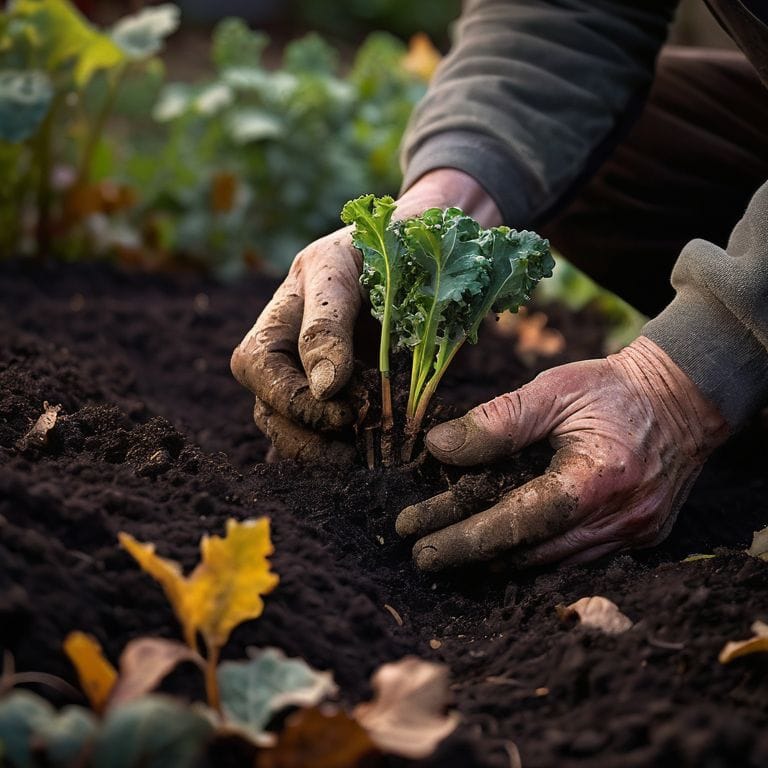
As I reflect on the fall gardening techniques we’ve explored, I’m reminded of the importance of cold weather crop selection and soil preparation in creating a thriving ecological oasis. By choosing the right crops for the season and preparing the soil with care, we can coax life from the earth even as the days grow shorter and the nights grow cooler. Whether you’re a seasoned gardener or just starting out, I hope you’ve found inspiration in these pages to try something new and nurture your own green sanctuary. As I work in my own garden, surrounded by the trusty tools I’ve named and grown fond of, I’m constantly reminded of the simple joys that gardening brings.
As you close this article and step out into your own garden, I encourage you to listen to the whispers of nature and let the rhythm of the seasons guide your hands. Remember that gardening is a journey, not a destination – it’s a chance to connect with the natural world, to nurture life, and to find peace in the beauty of growth and decay. So let us tend our gardens with love, with care, and with a deep appreciation for the intricate web of life that sustains us all. For in the end, it’s not just about growing plants – it’s about cultivating a sense of wonder, a sense of awe, and a sense of connection to the world around us.
Frequently Asked Questions
What are some of the most resilient and nutritious cold-weather crops to plant during the fall season?
As I work alongside my trusty trowel, Bertha, I find that kale, spinach, and Brussels sprouts thrive in the fall season, offering a boost of nutrients and hardiness against the chill.
How can I effectively extend the growing season for my fall garden, and what tools or techniques would you recommend for doing so?
To extend the growing season, I swear by my trusty sidekicks, Bertha the Cold Frame and Sammy the Row Cover. Together, we coax life from the earth well into winter. I also recommend using season extenders like hoop houses or greenhouses to shield your crops from harsh weather, and don’t forget to talk to your tools – it makes all the difference, I find!
Are there any specific soil amendments or fertilizers that are particularly well-suited for fall gardening, and if so, how should they be applied for optimal results?
As I chat with my trusty trowel, Bertha, I find that compost tea and well-rotted manure are perfect for fall gardening. I apply them by mixing a rich brew and watering my plants with it, or incorporating the manure into the soil about a month before planting, letting the earthy scent and nutrients mingle with the soil.