









Using Positive Reinforcement to Foster Good Behavior in Children
 April 9, 2026
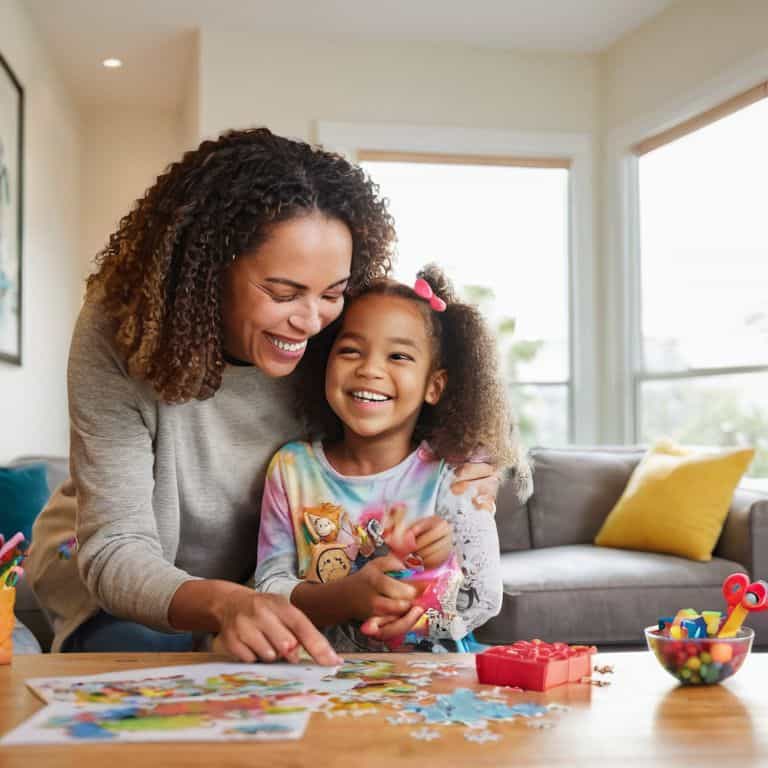
I still remember the countless Sunday dinners at my grandparents’ house, where positive reinforcement for children was not just a technique, but a way of life. My parents and grandparents would often praise us kids for our achievements, no matter how small, and it would fill us with a sense of pride and motivation. But as I grew older and began my career as a family therapist, I realized that positive reinforcement for children is often misunderstood or oversimplified. Many parents and caregivers are led to believe that it’s just about giving out stickers or stars, without truly understanding the depth and complexity of this approach.
As someone who has spent years working with families and studying the dynamics of positive reinforcement for children, I want to assure you that this article will cut through the hype and provide you with practical, experience-based advice. I’ll share with you my own stories, as well as those of the families I’ve worked with, to illustrate the power of positive reinforcement in shaping the behavior and confidence of our little ones. My goal is to empower you with the knowledge and tools you need to create a nurturing environment that fosters growth, love, and connection. By the end of this journey, you’ll have a deeper understanding of how to effectively use positive reinforcement to bring out the best in your children and strengthen your family bonds.
Table of Contents
Nurturing Young Hearts
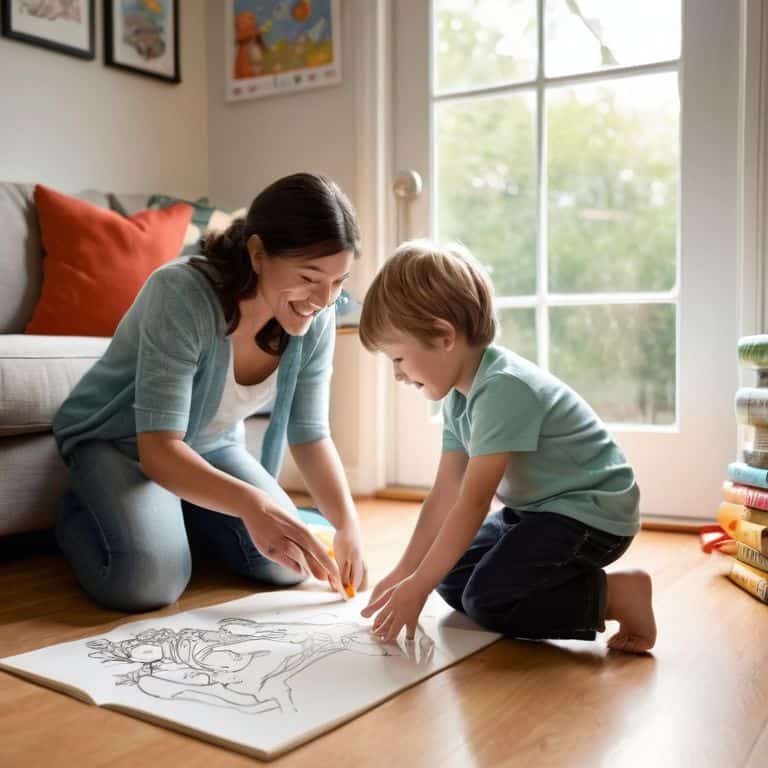
As I reflect on my own childhood, I realize the significance of encouraging good behavior in kids through simple, everyday actions. My parents, though not perfect, made a conscious effort to praise us when we exhibited kindness or helped out around the house. This approach not only shaped our behavior but also fostered a sense of belonging and responsibility within our family unit. I’ve seen similar results in my work as a family therapist, where parents who focus on building self esteem in children often report stronger, more empathetic relationships with their kids.
In my experience, effective communication with kids is key to nurturing young hearts. When we take the time to listen to our children, validate their feelings, and explain things in a way that’s easy for them to understand, we create a safe and supportive environment that encourages openness and trust. This, in turn, helps us address any behavioral issues in a constructive manner, using child discipline strategies for preschoolers that prioritize empathy and understanding over punishment.
By implementing reward systems for kids that acknowledge and celebrate their achievements, we can further reinforce positive behaviors and motivate our children to continue making good choices. As someone who’s passionate about genealogy, I love how these small, everyday moments can become meaningful family traditions that are passed down through generations, reminding us of the power of love, connection, and positive parenting techniques for toddlers to shape our lives and relationships.
Building Self Esteem Naturally
As I reflect on my own childhood, I realize that positive affirmations played a significant role in shaping my self-esteem. My parents would often praise me for my efforts, not just my achievements, which helped me develop a sense of self-worth that wasn’t solely dependent on external validation. This approach allowed me to view challenges as opportunities for growth, rather than threats to my ego.
By focusing on strengths, we can help our children develop a more balanced and realistic self-image. This involves acknowledging and celebrating their unique talents and abilities, rather than just their grades or accomplishments. By doing so, we can help them build a strong foundation for self-esteem that will serve them well throughout their lives.
Encouraging Good Behavior
As I reflect on my own childhood, I realize that my parents’ use of positive reinforcement was instrumental in shaping my behavior and self-esteem. By focusing on encouraging and praising good behavior, they created a supportive environment that allowed me to thrive. This approach not only boosted my confidence but also taught me the value of kindness, empathy, and responsibility.
In my experience as a family therapist, I’ve seen how consistent acknowledgement of good behavior can have a profound impact on children’s development. By recognizing and appreciating their efforts, parents can foster a sense of pride and motivation in their kids, encouraging them to continue making positive choices and developing healthy habits.
Positive Reinforcement for Children
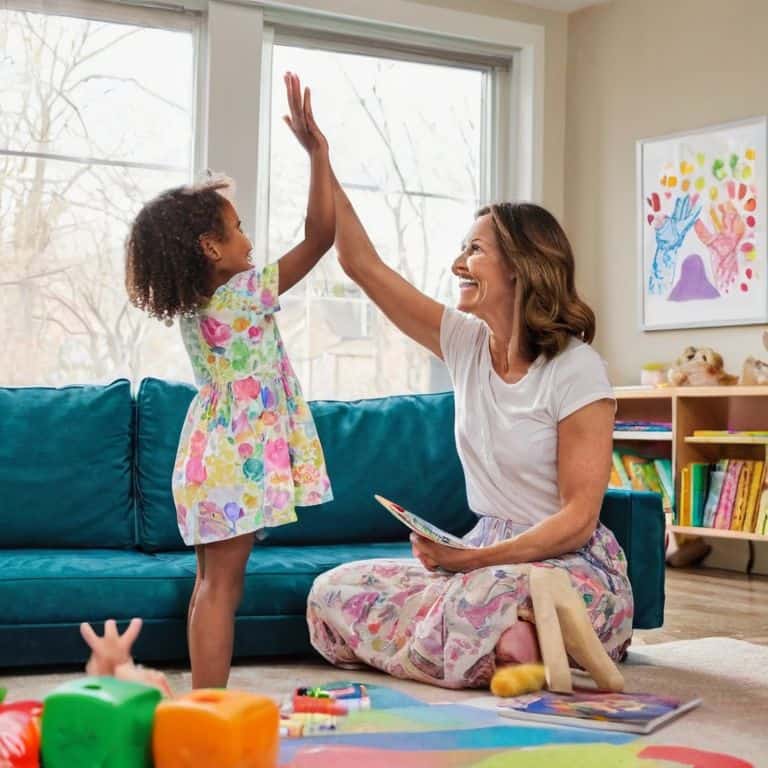
As I reflect on my own childhood, I realize the significance of encouraging good behavior in kids. My parents, though not perfect, made a conscious effort to praise us when we did something right, and it had a profound impact on our self-esteem. I’ve seen similar results in my work as a family therapist, where positive parenting techniques have helped parents connect with their toddlers on a deeper level. By focusing on what their child is doing well, rather than solely on what they’re doing wrong, parents can create a nurturing environment that fosters growth and development.
In my experience, building self esteem in children is crucial for their long-term emotional well-being. When kids feel seen and heard, they’re more likely to develop a strong sense of self-worth, which can help them navigate life’s challenges with confidence. One effective way to achieve this is by implementing reward systems for kids, such as sticker charts or special privileges, that acknowledge and celebrate their achievements. This approach not only motivates children to continue exhibiting good behavior but also teaches them the value of hard work and perseverance.
As I work with families, I’ve come to appreciate the importance of effective communication with kids. By listening attentively to their concerns and validating their emotions, parents can create a safe and supportive space for their children to express themselves. This, in turn, helps to strengthen the parent-child bond and promotes a sense of trust and understanding. As a family therapist, I’ve witnessed firsthand the transformative power of positive communication, and I believe it’s an essential component of any child discipline strategy.
Effective Communication Techniques
As I reflect on my years of working with families, I’ve come to realize that effective communication is the foundation upon which positive reinforcement is built. It’s about creating a safe and supportive environment where children feel heard and understood. By doing so, we can help them develop a strong sense of self and build their confidence.
In my experience, active listening is a crucial aspect of effective communication. When we take the time to truly listen to our children, we show them that their thoughts and feelings are valued. This, in turn, encourages them to open up and share their experiences with us, fostering a deeper sense of connection and understanding.
Reward Systems for Lasting Impact
As I reflect on my own childhood, I realize that my parents’ use of reward systems played a significant role in shaping my behavior and values. They would often create a sense of excitement and anticipation around achieving small milestones, which motivated me to work towards those goals. This approach not only encouraged good behavior but also taught me the value of perseverance and hard work.
In my experience as a family therapist, I’ve seen how consistent recognition can have a lasting impact on a child’s development. By acknowledging and rewarding their efforts, parents can foster a sense of self-worth and confidence in their children, which can have a profound effect on their emotional and psychological well-being.
Weaving a Supportive Environment: 5 Key Tips for Positive Reinforcement
- Focus on the effort, not just the outcome: I’ve learned from my own family that praising the hard work and dedication our kids put into their activities can be just as impactful as praising their achievements
- Use specific and sincere praise: When I was growing up, my parents would often point out specific things I did well, like helping with chores or being kind to my siblings, and it made me feel seen and valued
- Create a positive feedback loop: In my work as a family therapist, I’ve seen how consistent positive reinforcement can create a cycle of good behavior and self-esteem, where kids start to expect and strive for positive outcomes
- Make it a family affair: Sharing stories and compliments about each other’s good behavior can help create a sense of unity and cooperation, and I love how my own family’s Sunday dinners often turn into opportunities for us to uplift and encourage each other
- Be consistent and patient: Positive reinforcement is not a one-time event, but a long-term strategy that requires commitment and understanding, and I’ve found that it’s essential to be patient and consistent in our approach, just like my ancestors were when they passed down their stories and traditions to us
Key Takeaways for Nurturing Our Children
I’ve learned through my work and personal experiences that focusing on positive reinforcement can have a profound impact on our children’s self-esteem and behavior, and it’s essential to incorporate this approach into our daily interactions with them.
By sharing family stories and traditions, we can create a sense of belonging and connection among our children, helping them develop a stronger sense of identity and feel more grounded in their roots.
Through effective communication, consistent reward systems, and a willingness to listen and learn from our children, we can build stronger, more empathetic relationships with them, and help them grow into compassionate and confident individuals.
A Guiding Principle
By embracing positive reinforcement, we don’t just raise confident children, we cultivate a family culture that thrives on empathy, kindness, and mutual support, which is the very foundation upon which lasting relationships are built.
Laura Bennett
Weaving a Lasting Legacy of Love and Support

As I reflect on the power of positive reinforcement for children, I’m reminded of the countless moments in my own family where encouragement and praise have transformed the trajectory of our relationships. From nurturing young hearts to building self-esteem naturally, and from effective communication techniques to reward systems for lasting impact, it’s clear that the journey of raising confident, compassionate kids is one that requires patience, empathy, and dedication. By embracing these principles, we can create a foundation for our children to grow into capable, caring individuals who understand the value of empathy and connection.
As we conclude this exploration of positive reinforcement for children, I want to leave you with a final thought: the stories we tell and the love we share around our family tables have the power to shape not just our children’s lives, but the lives of generations to come. Let us cherish these moments, weaving a tapestry of love that will continue to inspire and uplift our families for years to come, and remember that every small act of kindness, every word of encouragement, and every shared meal can strengthen the bonds that hold us together.
Frequently Asked Questions
How can I balance positive reinforcement with setting clear boundaries and discipline for my child?
I’ve found that setting clear boundaries and discipline can actually be a form of positive reinforcement when done with empathy and consistency. By explaining the reasons behind rules and consequences, we can help our children understand and respect them, fostering a sense of trust and cooperation within our family.
What are some creative ways to implement reward systems that don't rely on screens or sweets?
I love this question! In my family, we’ve had success with reward systems like “Chore Champions” where kids earn stickers for helping out, and “Family Fun Nights” where we trade screen time for board games or baking together. These simple traditions bring us closer and create lasting memories, all while encouraging good behavior.
Can positive reinforcement techniques be adapted for children with different learning styles or special needs?
I’ve found that adapting positive reinforcement techniques to meet the unique needs of each child is key. For children with different learning styles or special needs, it’s essential to tailor our approach, whether that means using visual aids, hands-on activities, or one-on-one interactions, to help them thrive and feel seen.