









Winterizing Your Garden: Protect and Sustain Through Cold Months
 September 19, 2025

As I step into my garden on a crisp autumn morning, the scent of damp earth and decaying leaves fills my lungs, and I’m reminded that winterizing your garden is not just a chore, but an art form. The myth that it’s a tedious, necessary evil is one I’d like to dispel – with a little creativity, this process can be a therapeutic ritual that prepares your green sanctuary for a peaceful slumber. I recall the first time I winterized my garden, armed with nothing but a rusty trowel, which I’ve since named “Bertha,” and a handful of half-remembered tips from my parents’ farm. It was a trial by fire, but one that taught me the value of listening to the land and tuning into nature’s rhythms.
In this article, I’ll share my hard-won wisdom on how to transform the act of winterizing your garden into a meditative experience that nurtures both your outdoor space and your soul. You’ll learn how to coax your plants into dormancy, protect your trees from harsh winds, and even discover the joys of pruning with precision, all while cultivating a deeper connection with the natural world. By the end of this guide, you’ll be equipped with the knowledge and inspiration to turn your garden into a haven that thrives, even in the quiet of winter, and awakens anew with the first whispers of spring.
Table of Contents
- Guide Overview: What You'll Need
- Step-by-Step Instructions
- Winterizing Your Garden
- Whispers of Winter Wisdom: 5 Enchanted Tips to Winterize Your Garden Sanctuary
- Embracing Winter's Slumber: 3 Key Takeaways for Your Garden Sanctuary
- Embracing the Slumber
- As Winter's Peace Descends: Reflections on a Garden Well-Prepared
- Frequently Asked Questions
Guide Overview: What You'll Need

Total Time: 2 hours 30 minutes
Estimated Cost: $50 – $100
Difficulty Level: Intermediate
Tools Required
- Rake (for leaf removal)
- Pruning Shears (for cutting back perennials)
- Garden Hose (for winterizing irrigation systems)
- Tarp or Burlap (for protecting plants from wind and frost)
Supplies & Materials
- Mulch (for insulating soil)
- Straw or Hay (for insulating plants)
- 2-in x 6-in lumber (for creating cold frames or raised beds)
- Weather-resistant Twine (for securing tarps or burlap)
Step-by-Step Instructions
- 1. First, I like to start by giving my garden a good clean-up, removing any dead or dying plants, and trimming back perennials to about 3-4 inches from the ground. This helps prevent disease and pests from taking hold over the winter months, and it also gives my garden a tidy appearance. As I work, I have a little chat with my trusty pruning shears, Bertha, telling her what a great job she’s doing and how much I appreciate her help.
- 2. Next, I focus on protecting my plants from the harsh winter weather. I use a layer of organic mulch, such as straw or wood chips, to insulate the soil and retain moisture. This helps regulate the soil temperature and prevents it from freezing and thawing, which can damage plant roots. I also make sure to water my plants well before the ground freezes, so they have a good reserve of moisture to sustain them throughout the winter.
- 3. Now it’s time to think about my tender perennials, such as roses and hydrangeas. I carefully dig them up and replant them in containers, which I can then move to a protected location, like a cold frame or a sunny indoor spot. This gives them a chance to rest and rejuvenate over the winter, and they’ll be ready to thrive again come spring. As I gently dig and replant, I’m careful to talk soothingly to my trowel, Luna, letting her know what a gentle touch she has.
- 4. To prevent damage from ice and snow, I make sure to stake any plants that might be vulnerable to heavy loads, such as my beautiful Japanese maple tree. I also use a breathable fabric, like burlap, to wrap around the trunks of my trees and shrubs, protecting them from extreme cold and wind. My rake, Rascal, is always happy to help me spread a layer of straw or leaves around the base of the plants, providing extra insulation.
- 5. As the winter months approach, I like to give my garden a boost of nutrition. I add a layer of compost or well-rotted manure to the soil, which will help to enrich it and support the growth of my plants come spring. I also make sure to feed my soil with a balanced fertilizer, taking care to follow the instructions and avoid over-fertilizing. My trusty shovel, Sammy, is always up for the task of turning over the soil and mixing in the amendments.
- 6. Another important step in winterizing my garden is to drain excess water. I make sure to check my drainage system and clear any blockages, such as leaves or debris, that might be preventing water from flowing freely. I also add a layer of gravel or sand to the soil, which helps to improve drainage and prevent waterlogged soil. As I work, I chat with my garden fork, Felix, telling him what a great job he’s doing and how much I appreciate his help in turning over the soil.
- 7. Finally, I take a moment to plan for the upcoming season. I think about which plants I want to add or replace, and I make a note of any changes I want to make to my garden design. I also take some time to review my garden journal, reflecting on what worked well this year and what didn’t, and making plans for how I can improve things next year. As I sit with my garden journal and a warm cup of tea, I feel grateful for the opportunity to slow down and appreciate the beauty of my garden, even in the quiet of winter.
Winterizing Your Garden
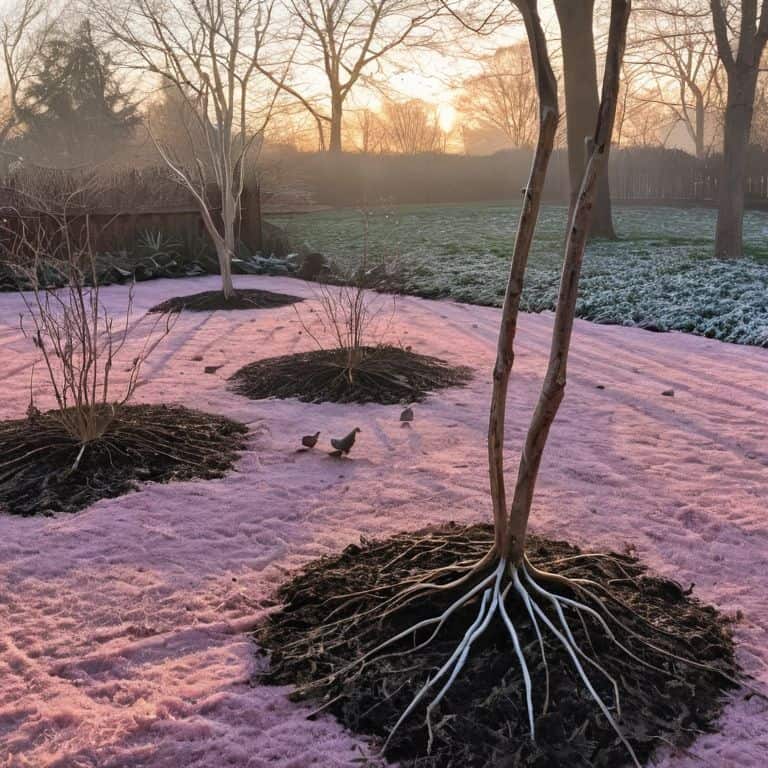
As I wander through my garden on a crisp winter morning, I’m reminded of the importance of frost protection methods for plants. My trusty sidekick, a well-worn garden fork named Bertha, helps me gently mulch around sensitive roots, shielding them from the harsh cold. This simple act of care can make all the difference in preserving the health and vitality of my beloved plants.
As the seasons slow down, I also make time for winter garden cleanup tips, carefully pruning back dead foliage and tidying up any debris that may have accumulated. This not only keeps my garden looking its best but also helps to prevent the spread of disease and pests. My pruning shears, which I’ve lovingly named the “Green Whisperers,” make quick work of this task, and I take pride in the precision and care they bring to the process.
In the quiet of winter, I find solace in cold frame gardening techniques, coaxing life from the earth even as the snow falls gently around me. By using natural materials and clever design, I’m able to create a warm and welcoming space for my plants to thrive, even in the dead of winter. As I work, I chat with my faithful garden tools, including my trowel, Terra, and my rake, Rusty, who always seem to perform better when acknowledged and appreciated.
Frost Protection Methods Unveiled
As I gently wrap my garden in a blanket of protection, I call upon my trusty sidekicks, Bertha the broom and Sammy the shovel, to help me prepare for the frosty nights ahead. We work in harmony, weaving a tapestry of tender care around my beloved plants. I drape frost blankets over delicate blooms, whispering words of encouragement as the fabric whispers back with a soft rustle. My garden, a serene oasis, slumbers peacefully, shielded from winter’s icy grasp.
With a sprinkle of straw and a dash of mulch, I seal in the warmth, just as my tool, Lola the rake, helps me distribute the protective layer with precision and care. As the last wisps of sunlight fade, my garden sanctuary is ready to face the chill, its beauty and vitality preserved, awaiting the promise of spring’s awakening.
Winter Garden Cleanup Tips Revealed
As I walk through my garden on a crisp winter morning, I’m reminded of the importance of cleanup. My trusty rake, Bertha, and I work together to gently remove any dead leaves or debris that may be harboring diseases. This not only keeps my garden healthy but also allows me to take stock of what needs attention come spring. I also make sure to tidy up my garden paths, giving my wheelbarrow, Winston, a good scrub in the process. By clearing out the old, I’m making way for the new growth that will burst forth when winter’s slumber ends.
Whispers of Winter Wisdom: 5 Enchanted Tips to Winterize Your Garden Sanctuary
- As I gently lay my trusty pruning shears, Bertha, to rest, I begin by inspecting my garden for any remaining debris, carefully clearing the landscape to make way for the slumbering earth
- I lovingly refer to this time as the ‘great mulching’ – where I blanket my plants in a cozy layer of organic mulch, retaining moisture and regulating soil temperatures, all while whispering words of encouragement to my faithful rake, Raphael
- With my green thumb and the guidance of my weathered garden fork, Fiona, I carefully divide and transplant any perennials that need attention, making sure to give them a strong foundation for the coming spring
- As the last leaves fall, I take a moment to reflect on the passing season, and with the help of my reliable leaf blower, Boris, I clear the garden paths and beds, making way for the gentle snows to come
- I make a point to check on my irrigation system, with the assistance of my diligent drip irrigation specialist, Daisy, ensuring that all hoses are drained and protected from the impending frost, allowing my garden to rest easy through the winter months
Embracing Winter's Slumber: 3 Key Takeaways for Your Garden Sanctuary
As I gently coax my garden into its winter slumber, I’m reminded that this season is not just about protection, but also about preparation – for it’s in the stillness of winter that we lay the groundwork for a vibrant spring, much like the careful planning that goes into crafting a new bonsai landscape inspired by my favorite hiking trails
I’ve found that whispering words of encouragement to my trusty garden tools, like my beloved pruning shears ‘Snippy’ and ‘Clip’, makes all the difference in their performance, and the same gentle care should be applied when selecting and applying frost protection methods, such as blankets, straw, or even DIY covers, to safeguard our plants from the harsh winter elements
By embracing the quiet beauty of winter, and following the simple yet effective steps outlined in our winter garden cleanup tips, such as removing dead foliage, pruning dormant plants, and adding a layer of nourishing mulch, we can transform our outdoor spaces into serene and thriving ecosystems that not only withstand the test of winter, but also emerge stronger and more resilient with the arrival of spring, a true testament to the harmony between nature and nurture
Embracing the Slumber
As the last leaves fall and the garden’s palette fades to winter’s soft whisper, remember that winterizing is not just a task, but a gentle lullaby to the earth, a promise of renewal and rebirth with each returning spring.
Dylan Thompson
As Winter's Peace Descends: Reflections on a Garden Well-Prepared

As I reflect on the journey of winterizing your garden, I’m reminded of the simple yet profound acts that ensure our green sanctuaries thrive during the colder months. From employing frost protection methods and performing a thorough winter garden cleanup, to adopting a mindset that views winter not as a season of dormancy, but as an opportunity for renewal and rejuvenation, each step is a testament to our commitment to nurturing life. By following these steps and embracing the unique challenges and opportunities that winter presents, we not only protect our gardens but also deepen our connection with the natural world.
As the last leaves fall and the garden slips into its earthly slumber, I invite you to step back, breathe in the crisp air, and let the beauty of your winterized garden wash over you. Remember, the art of gardening is not just about tending to plants, but about cultivating a sense of harmony and balance within ourselves and with the world around us. May your garden, even in its winter repose, continue to inspire and nurture you, and may the lessons learned from this season guide you towards a brighter, greener future.
Frequently Asked Questions
What are the most common mistakes to avoid when winterizing a garden to ensure it remains healthy and thriving come spring?
As I work alongside my trusty tools, like Bertha the broom and Sammy the shovel, I’ve learned to beware of common pitfalls: neglecting to insulate sensitive roots, pruning too aggressively, and forgetting to mulch. These mistakes can leave your garden vulnerable to winter’s wrath, but with gentle care and attention, your sanctuary will slumber peacefully, ready to burst forth come spring.
How can I protect my garden's most sensitive plants from frost damage without using expensive or bulky covers?
I turn to my trusty sidekicks, Breezy the broom and Misty the mister, to gently sweep away debris and mist my sensitive lovelies with a soothing layer of protection. For a more rustic approach, I’ll also employ a time-honored technique: draping frost blankets or old sheets over my most delicate friends, securing them with rocks or twine to shield them from winter’s chill.
Are there any specific winterizing techniques that can help attract and support local wildlife, such as birds and bees, during the colder months?
As I gently prune my bonsai landscapes with my trusty shears, Bertha, I ponder the beauty of supporting local wildlife. Leaving some seed heads and berries intact, like a warm invitation, welcomes birds and bees to my winter garden sanctuary, providing sustenance during the colder months, a harmonious balance of nature and nurture.