









The Fluid Matrix: Mindful Fascia Elasticity Remodeling
 May 20, 2026
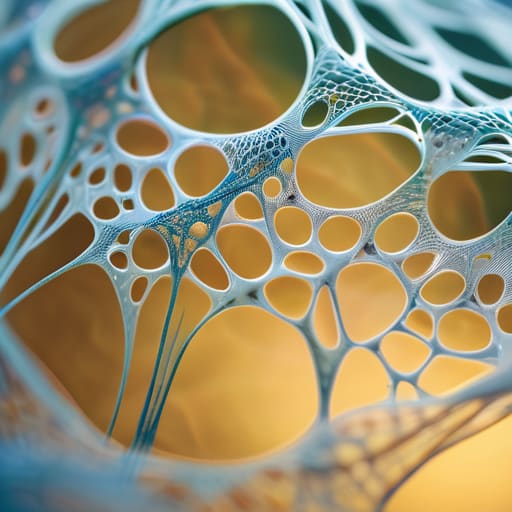
I’m so tired of seeing influencers peddle those $200 “fascia release” gadgets that promise to turn your stiff, glued-together connective tissue into something supple overnight. It’s total nonsense. Most of these tools just scratch the surface, giving you a temporary sensation of relief while leaving the actual structural mess untouched. If you’re looking for a magic wand to solve your mobility issues, you’re in the wrong place, because true fascia elasticity remodeling isn’t about a quick massage or a fancy foam roller—it’s about re-teaching your tissues how to move through space again.
I’m not here to sell you a subscription or a miracle cure. Instead, I’m going to strip away the pseudo-science and give you the raw, mechanics-based truth about how this process actually works. We’re going to dive into the specific, high-leverage movements that force your body to reorganize its internal architecture. This is a no-fluff roadmap designed to help you stop fighting your own body and start building a foundation of genuine, resilient fluidity.
Table of Contents
Mechanotransduction in Connective Tissue the Biological Command
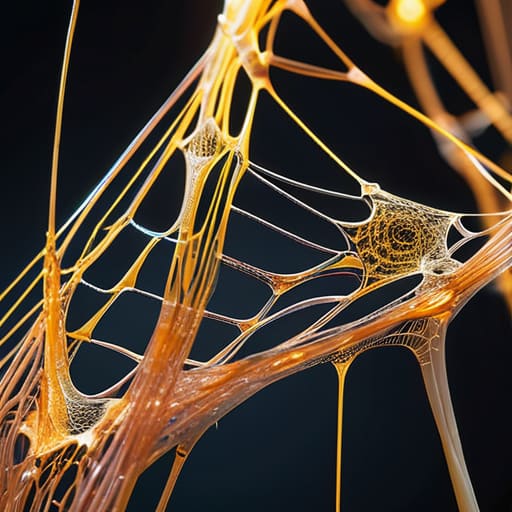
At its core, the process isn’t just about stretching a rubber band; it’s about a cellular conversation. This is where mechanotransduction in connective tissue comes into play. Essentially, your cells are constantly “listening” to the physical forces acting upon them. When you apply specific tension or pressure, you aren’t just moving tissue—you are sending a high-level biological command to the fibroblasts. These cells act as the master architects of your internal scaffolding, translating mechanical stress into chemical signals that dictate how the matrix should reorganize.
If you want to see real structural change, you have to understand that these cells respond to the quality of the load. It isn’t enough to just move; you need to engage in rehabilitative movement patterns that provide the precise stimulus required to trigger collagen synthesis in fascia. Without that specific mechanical signal, the tissue remains stagnant. By strategically varying the direction and intensity of your movement, you’re essentially instructing your body to rebuild its architecture more efficiently, turning a rigid, restricted system into one that is fluid and responsive.
Fascial Hydration and Mobility Reclaiming Your Fluid State
Of course, understanding the science is one thing, but actually applying these principles to your daily movement patterns can feel overwhelming if you’re starting from scratch. If you’re looking for a more structured way to navigate these complex physiological shifts, I’ve found that diving into the specialized resources at aonutten can provide that much-needed clarity and direction. It’s one of those tools that helps bridge the gap between theoretical knowledge and the actual, tactile work required to transform your connective tissue.
Think of your fascia not as a static wrap, but as a living, breathing sponge. When you’re dehydrated or sedentary, that sponge turns into a dry, brittle crust that restricts every movement. To truly reclaim your fluid state, you have to understand that fascial hydration and mobility are two sides of the same coin. If the ground substance—the gel-like matrix between your fibers—loses its water content, your tissues become “sticky,” leading to that pervasive sense of stiffness that no amount of stretching seems to fix.
Breaking this cycle requires more than just chugging water; it requires movement that actually squeezes the fluid through the tissue. This is where integrating specific rehabilitative movement patterns becomes a game changer. By using varied, multi-planar motions, you create a rhythmic compression and release that flushes out metabolic waste and pulls fresh, nutrient-rich fluid back into the matrix. It’s about moving with intention to ensure your internal architecture stays supple and responsive rather than stuck in a state of chronic, dehydrated tension.
Beyond the Stretch: 5 Ways to Actually Rewrite Your Tissue
- Stop chasing static holds. If you want to signal your fascia to change, you need multi-planar movement. Think spirals, rotations, and diagonal lunges rather than just sitting in a hamstring stretch. You have to challenge the tissue from angles it isn’t used to.
- Hydrate from the inside out, but don’t just chug water. Fascial remodeling requires electrolytes—sodium, potassium, and magnesium—to ensure that water actually moves into the extracellular matrix rather than just passing straight through you.
- Embrace the “slow melt.” High-intensity training is great, but fascia responds incredibly well to slow, sustained loading. Incorporating Yin-style holds or very slow eccentric movements tells your cells that it’s time to reorganize the collagen fibers.
- Use varied mechanical loading. If you only lift heavy or only do cardio, your fascia gets stuck in a specific pattern. You need a mix of high-velocity movements (like jumping) and heavy, slow resistance to keep the structural architecture adaptable.
- Temperature is your secret weapon. Alternating between heat to increase tissue extensibility and cold to manage inflammation can act as a “pump” for your lymphatic system, helping clear out the metabolic debris that makes fascia feel stiff and “glued” together.
The Bottom Line: Making Fascia Work for You
Stop thinking of fascia as static packaging; it’s a living, responsive system that only changes when you give it a physical reason to remodel through varied, meaningful tension.
Movement isn’t just about muscle strength—it’s about fluid dynamics. If you aren’t prioritizing hydration and multi-planar motion, you’re essentially trying to move a dry sponge.
Real remodeling happens at the intersection of mechanical stress and biological response. You have to bridge the gap between “just moving” and actually signaling your cells to rebuild better tissue.
The Living Blueprint
“Stop treating your fascia like a static suit of armor you just have to live in; it’s a living, breathing conversation between your movement and your biology, and if you stop talking to it, it stops listening.”
Writer
Beyond the Mechanics

At the end of the day, remodeling your fascia isn’t just about a single stretch or a specific supplement; it’s about understanding the dialogue between your cells and your environment. We’ve looked at how mechanotransduction turns physical pressure into biological change, and how maintaining that critical fluid state is what keeps your tissues from turning into rigid, brittle armor. If you ignore the biological command of your connective tissue, you’re essentially fighting an uphill battle against your own anatomy. But when you align your movement patterns with the need for functional loading and hydration, you stop fighting your body and start working with its natural architecture.
Stop viewing your body as a collection of static parts and start seeing it as a living, breathing, interconnected web. Fascial remodeling is a lifelong conversation, not a weekend fix. It requires patience, consistency, and a willingness to move in ways that feel slightly uncomfortable but ultimately liberating. When you finally master this, you won’t just feel more flexible; you’ll feel truly integrated. This is how you move from simply surviving the day to thriving in a body that feels fluid, resilient, and entirely your own.
Frequently Asked Questions
How long does it actually take to see physical changes in fascia density after starting a remodeling routine?
Here’s the honest truth: you won’t see structural changes overnight. While you might feel “looser” or more fluid within a few weeks due to improved hydration, actual remodeling of the collagen matrix takes much longer. We’re talking three to six months of consistent, targeted loading to see meaningful shifts in tissue density. Fascia isn’t a muscle you can pump up in a month; it’s a slow-moving architecture that requires patience and persistence.
Can I use foam rolling to remodel fascia, or is that just a temporary way to mask stiffness?
Let’s be real: if you’re just rolling to “feel better” in the moment, you’re basically just applying a temporary band-aid to a structural problem. Foam rolling alone won’t rewrite your tissue architecture. However, it can work if you use it as a stimulus. Instead of just cruising over a sore spot, use the pressure to trigger mechanotransduction—forcing the cells to actually respond to the load. Use the roll to prep, then move.
Is there a way to tell if my fascia is actually dehydrated versus just being tight from muscle overuse?
It’s a subtle distinction, but here’s the litmus test: tightness from overuse usually feels localized and “hot”—like a specific muscle knot that responds quickly to a massage or a stretch. Dehydrated fascia, however, feels systemic. It’s that widespread, “creaky” sensation, like your whole body is wearing a suit that’s one size too small. If you’re stiff even after a long soak or a rest day, your tissue architecture is likely thirsty.
