Creating a Child-friendly Garden: Tips and Ideas
 October 31, 2025
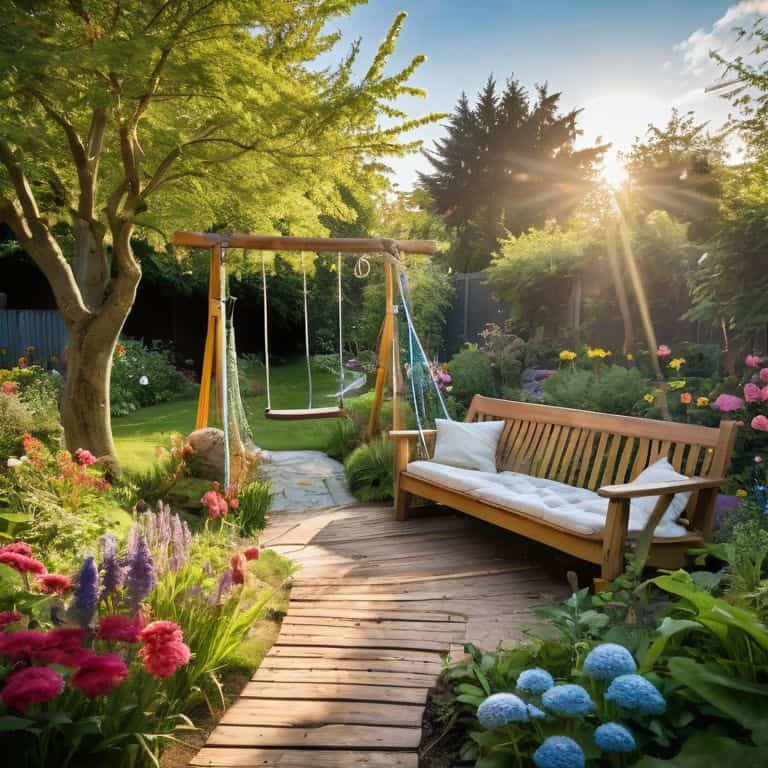
As I step into my own child-friendly garden, I’m reminded of the misconception that a space designed for kids must be chaotic and lacking in serenity. But I’m here to tell you that’s just not true – with a little creativity, you can craft a haven that’s both fun for children and a tranquil oasis for the whole family. I recall spending hours as a child exploring the rolling hills and gardens of my family’s organic farm in Oregon, and that’s exactly the sense of wonder I aim to inspire in others. My trusty garden tools, like my favorite pruning shears, Bertha, and my reliable trowel, Terra, have been instrumental in helping me bring this vision to life.
In this guide, I promise to share practical advice on how to create a thriving child-friendly garden that will become the heart of your family’s outdoor adventures. From choosing the right plants to designing engaging pathways, I’ll walk you through the process of crafting a space that’s both beautiful and functional. Whether you’re a seasoned gardener or just starting out, I’ll provide you with the honest, no-hype tips you need to succeed, and help you avoid common pitfalls along the way. So, let’s get started on this journey to create a child-friendly garden that will bring joy and serenity to your family for years to come.
Table of Contents
- Guide Overview: What You'll Need
- Step-by-Step Instructions
- Designing a Child Friendly Garden
- Crafting Safe Outdoor Play Area Ideas With Sensory Gardens
- Sowing Seeds of Wonder With Kid Friendly Garden Plants
- Nurturing Young Explorers: 5 Essential Tips for a Child-Friendly Garden
- Nurturing Young Explorers
- Nurturing Wonder: A Lasting Legacy
- Frequently Asked Questions
Guide Overview: What You'll Need
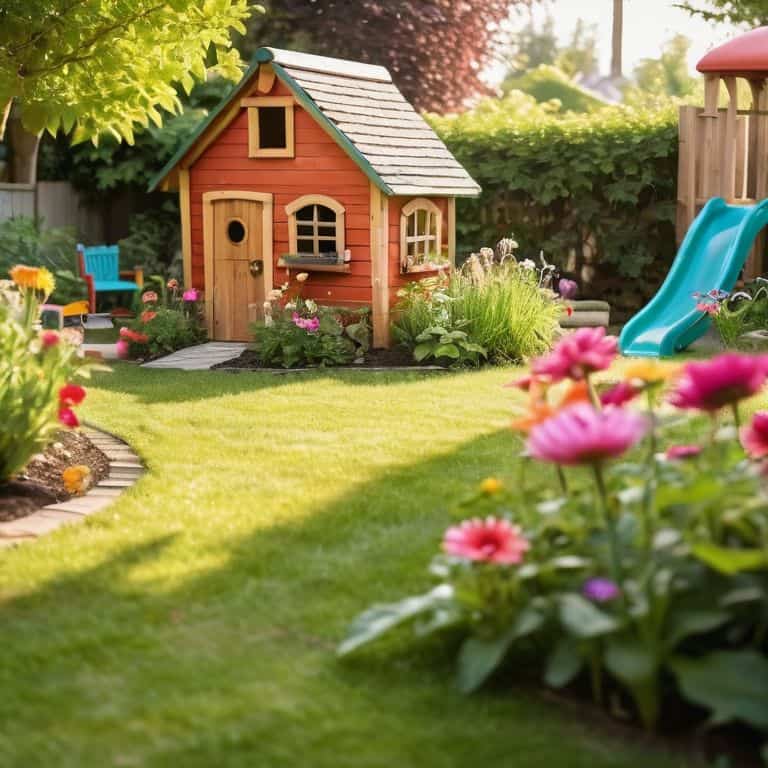
Total Time: 4 hours 30 minutes
Estimated Cost: $100 – $200
Difficulty Level: Intermediate
Tools Required
- Shovel (for digging and planting)
- Rake (for soil preparation)
- Pruning Shears (for trimming plants)
- Watering Can (for watering plants)
- Measuring Tape (for measuring garden beds)
- Hammer (for assembling garden features)
- Saw (for cutting wood to size)
Supplies & Materials
- Topsoil (for filling garden beds)
- Mulch (for retaining moisture and suppressing weeds)
- Plants (child-friendly varieties like sunflowers, zinnias, and tomatoes)
- Garden Border (made from 6 inches x 6 inches lumber or plastic edging)
- Irrigation System (optional, but recommended for low-maintenance watering)
- Garden Markers (for labeling plants and adding a personal touch)
- Benches or Seating (for creating a cozy reading nook or relaxation area)
Step-by-Step Instructions
- 1. To begin creating your child-friendly garden oasis, start by assessing your space. Take note of the area’s sunlight, soil type, and any existing features like trees or slopes. My trusty tape measure, whom I’ve lovingly named “Terry,” always helps me get accurate measurements. As you survey your land, consider what themed areas you might want to include, such as a sensory garden or a mini-orchard, to make your garden a captivating experience for kids.
- 2. Next, brainstorm with your kids. Ask them what they would love to see in their dream garden. This could be anything from a treehouse to a butterfly garden. I recall when I was a child, my parents involved me in the process of designing our family farm’s garden, and it not only taught me about responsibility but also made the experience more enjoyable. By involving your children, you’re not only making the garden more child-centric but also teaching them valuable lessons about planning and nurturing.
- 3. Now, it’s time to prepare the soil. My gardening fork, “Freddy,” is indispensable during this step. He helps me turn over the soil, adding organic matter like compost to create a fertile ground for plants to grow. This step is crucial because it lays the foundation for a healthy and thriving garden. Remember, the goal is to create a biodiverse ecosystem that will attract a variety of beneficial insects and birds, making your garden a vibrant and interactive space.
- 4. With your soil ready, it’s time to select kid-friendly plants. Choose a mix of plants that are easy to grow, safe for children, and offer different textures and colors. I’m particularly fond of sunflowers, not just because they’re easy to grow, but also because they can teach kids about the concept of growth and seasons. Don’t forget to include some sensory plants like lavender or rosemary, which can provide a unique experience for kids. My pruning shears, “Sheila,” are always ready to help me shape these plants into beautiful forms.
- 5. The fifth step involves designing interactive elements. This could be anything from a small pond with a fountain to a DIY bird feeder station. The idea is to create hands-on activities that encourage kids to explore and learn about nature. For instance, a small compost corner can teach kids about recycling and the importance of nutrient-rich soil. My wheelbarrow, “Wendy,” is always filled with a variety of materials for these projects, from stones to recycled plastic bottles.
- 6. As you move forward, incorporate educational signs. These can be fun and informative, providing kids with interesting facts about the plants and animals in the garden. My friend “Felicia the Fence Painter” helps me create these signs, which not only add a personal touch but also make the garden feel more immersive. Consider including a “gardening tips” section where kids can learn about sustainable gardening practices and the water cycle.
- 7. Finally, maintain your garden together. Gardening is a wonderful way to spend quality time with your family while teaching kids about responsibility and the value of hard work. Regular gardening sessions can become a cherished family tradition, allowing you to bond over nature and watch your garden flourish over time. As you work, don’t forget to praise your tools—like my faithful rake, “Ralph”—for their hard work. Happy gardening!
Designing a Child Friendly Garden
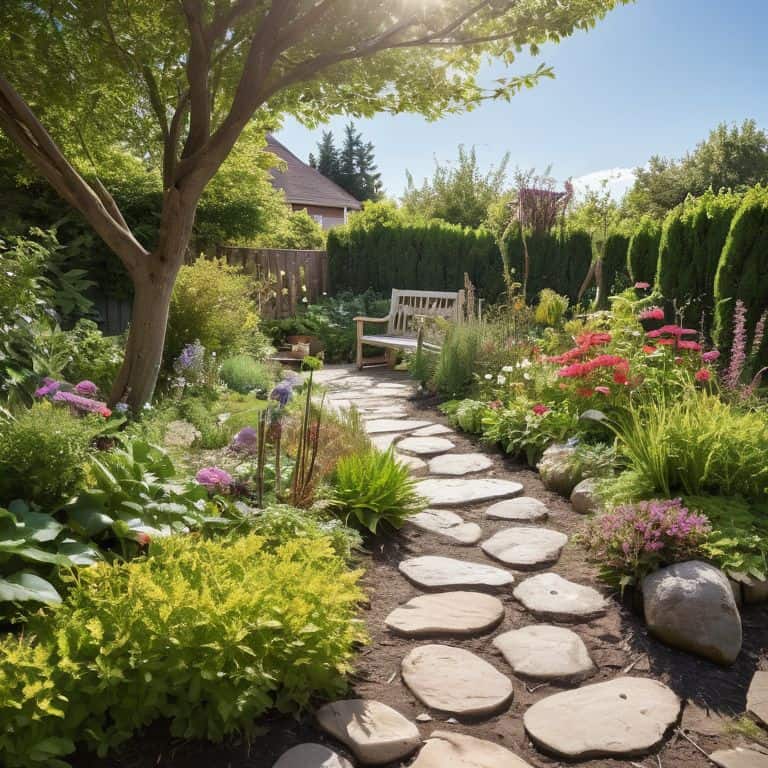
As I sit amidst my bonsai landscape, surrounded by the gentle whispers of nature, I’m reminded of the importance of creating a sensory garden that sparks imagination and curiosity in young minds. When designing an outdoor play area, it’s essential to consider the types of plants that will thrive in a kid-friendly environment. I like to think of my garden tools, like my trusty pruners, Bertha, as loyal companions in this process. She helps me shape and nurture the kid friendly garden plants that bring joy to the little ones.
Incorporating garden activities for children, such as a small pond or a sandpit, can add an extra layer of excitement to the outdoor play area. As I work, I often chat with my garden tools, encouraging them to perform their best. My shovel, Sammy, is particularly skilled at digging shallow trenches for tiny streams. When it comes to ensuring the safety of our little explorers, safe fencing options for gardens are a top priority. By choosing the right materials and designs, we can create a secure and welcoming space for kids to roam free.
As I reflect on my own childhood adventures in the garden, I’m reminded of the value of garden safety tips for kids. Teaching children about the importance of respecting nature and being mindful of potential hazards is crucial. By instilling these values and creating a haven that fosters growth and discovery, we can inspire a new generation of nature lovers and guardians. With a little creativity and careful planning, we can craft an outdoor oasis that is both magical and safe, where kids can flourish and thrive amidst the beauty of nature.
Crafting Safe Outdoor Play Area Ideas With Sensory Gardens
As I work on crafting a safe outdoor play area, I find myself chatting with my trusty garden tools – Bertha the rake and Sammy the shovel – about the importance of sensory experiences for kids. A sensory garden is a wonderful way to encourage exploration and imagination, with a variety of textures, colors, and scents to discover. I love incorporating native plants with different leaf shapes and sizes, like the delicate ferns and robust succulents, to create a tactile experience.
By combining sensory elements, such as a water feature or a sand pit, with kid-friendly plants, we can create an engaging and interactive space that fosters creativity and learning. As I gently prune the plants with my scissors, which I’ve named the “Green Goddess,” I envision children laughing and playing, their senses coming alive in this enchanting outdoor space.
Sowing Seeds of Wonder With Kid Friendly Garden Plants
As I work with my trusty trowel, Bertha, to plant a vibrant mix of kid-friendly garden plants, I’m reminded of the countless hours I spent exploring the rolling hills of my childhood farm. Plants like sunflowers, with their bright yellow petals and statuesque stems, are perfect for little ones to observe and learn from. I also love incorporating herbs like mint and lemon balm, which add a sensory delight to the garden, inviting children to touch, smell, and taste. My pruning shears, Sheila, always seem to snip with precision when I’m shaping these fragrant herbs.
By choosing plants that are both beautiful and interactive, we can create a child-friendly garden that fosters curiosity and wonder. I recall my own childhood fascination with the way a sprouting seedling would push its way through the soil – it’s this sense of magic that I aim to recreate in every garden I design. With the right plants, and a little help from my garden tool friends, we can inspire a love of nature in the next generation.
Nurturing Young Explorers: 5 Essential Tips for a Child-Friendly Garden
- Embrace the Mess: Allow kids to get their hands dirty and explore the garden, it’s all part of the learning process!
- Water Wisdom: Install a kid-friendly watering system, like a rain barrel or a small pond, to teach children about the water cycle and conservation
- Sensory Delights: Incorporate a variety of textures, colors, and scents into your garden, like a sensory garden with soft grasses, vibrant flowers, and fragrant herbs
- Tiny Treks: Create meandering paths and secret hideaways to encourage kids to explore and discover the wonders of nature
- Tool Time: Introduce kids to my trusty gardening friends, like ‘Diggy’ the trowel and ‘Sprouty’ the watering can, to teach them about the joys of gardening and the importance of tool care
Nurturing Young Explorers
A child-friendly garden is not just a space, but a sanctuary where tiny hands can nurture life, and curious minds can flourish among the petals and leaves, sowing seeds of wonder that will bloom into a lifelong love for nature.
Dylan Thompson
Nurturing Wonder: A Lasting Legacy
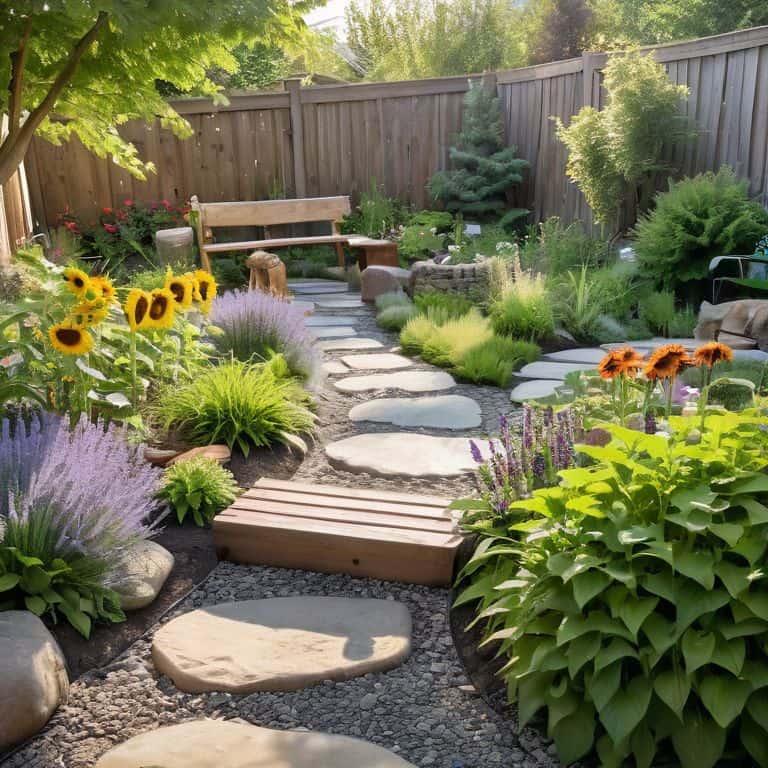
As we conclude our journey through the world of child-friendly gardens, let’s reflect on the essential elements that bring these outdoor spaces to life. From selecting kid-friendly garden plants that inspire curiosity and wonder, to designing sensory gardens that cater to all senses, every detail plays a vital role in crafting an environment where children can thrive. By embracing the principles of ecological garden design and incorporating safe outdoor play area ideas, we can create havens that not only nurture the young minds but also foster a deep connection with nature.
As you embark on your own journey to create a child-friendly garden, remember that the true magic lies not in the destination, but in the process of nurturing wonder. It’s about sowing seeds of curiosity and watching them bloom into a lifelong appreciation for the natural world. So, let’s get our hands dirty, let our imagination run wild, and create outdoor spaces that will leave a lasting legacy for generations to come. With every garden, we have the power to inspire, to educate, and to cultivate a deeper love for the earth – one child at a time.
Frequently Asked Questions
How can I ensure my child-friendly garden is safe for kids of different ages and abilities?
To ensure safety for kids of all ages and abilities, I consult with my trusty tool, ‘Prudence the Pruner,’ to assess potential hazards. I recommend soft landing surfaces, gentle slopes, and sturdy plantings that can withstand curious explorers. By designing with empathy and inclusivity, we can create a haven where every child can thrive and connect with nature.
What are some creative ways to incorporate educational elements into a child-friendly garden design?
As I tend to my bonsai landscapes with my trusty tool, Bertha the pruner, I ponder ways to weave education into a child-friendly garden. Consider incorporating interactive elements like a ‘sensory maze’ or a ‘plant ID scavenger hunt’ – it’s a great way to foster curiosity and connection with nature, all while having fun amidst the blooms.
How can I maintain a child-friendly garden that is both fun and sustainable over time, with minimal environmental impact?
To keep your child-friendly garden thriving with minimal impact, I recommend adopting a seasonal approach, just like my trusty tool, ‘Terra,’ helps me with timely pruning. Use rainwater, compost, and locally sourced materials to reduce your footprint, and involve your little ones in the process, teaching them about the beauty of sustainability and the joy of nurturing life.