









Integrating Vertical Gardens Into Small Outdoor Spaces
 November 13, 2025
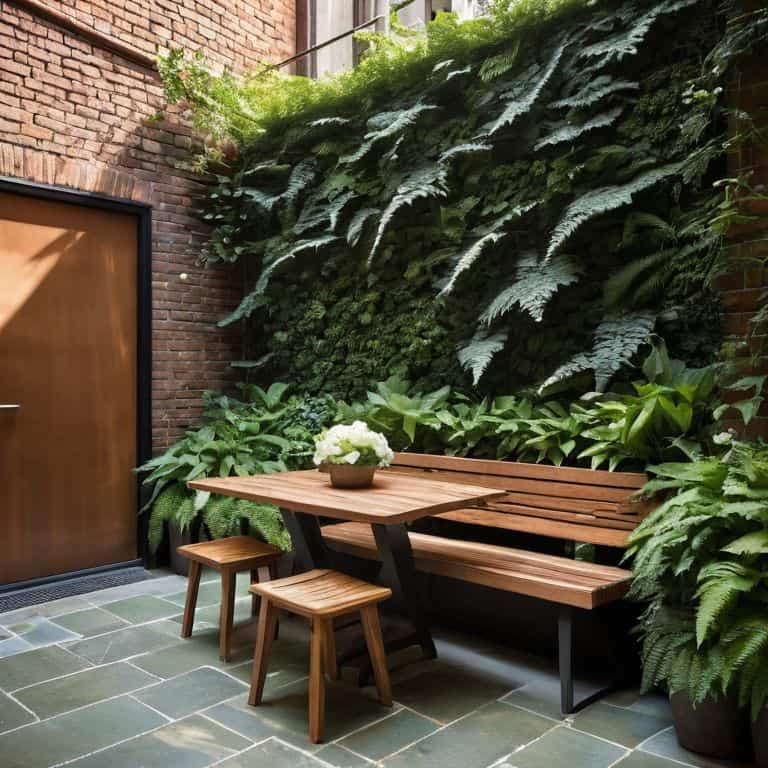
As I step out onto my balcony, surrounded by the hustle and bustle of city life, I’m reminded of the power of nature to transform even the smallest of spaces. I’ve often heard people say that vertical gardens in small spaces are just a fancy trend, a fleeting fad with no real substance. But I’m here to tell you that’s just not true. With a little creativity and the right guidance, you can turn even the most mundane urban nook into a lush oasis, teeming with life and color. I’ve seen it time and time again, from the tiny balconies of Tokyo to the rooftops of New York City – vertical gardens in small spaces can be a game-changer.
In this article, I’ll share my honest, no-hype advice on how to create your own thriving vertical garden, even in the smallest of spaces. From choosing the right plants to selecting the perfect materials, I’ll walk you through the process step by step. You’ll learn how to overcome common challenges and make the most of your space, whether you’re a seasoned gardener or just starting out. My goal is to empower you with the knowledge and confidence to create your own little slice of heaven, right in the heart of the city. So, let’s get started on this journey together and explore the wonderful world of vertical gardens in small spaces.
Table of Contents
- Guide Overview: What You'll Need
- Step-by-Step Instructions
- Vertical Gardens in Small Spaces
- Blooming Wisdom: 5 Essential Tips for Thriving Vertical Gardens in Small Spaces
- Cultivating Harmony: 3 Key Takeaways for Thriving Vertical Gardens
- Cultivating Life in Tight Spaces
- Cultivating Serenity in Small Spaces
- Frequently Asked Questions
Guide Overview: What You'll Need
Total Time: 2 hours 30 minutes
Estimated Cost: $50 – $100
Difficulty Level: Intermediate
Tools Required
- Drill (with screwdriver and drill bits)
- Measuring Tape
- Level
- Pencil
- Utility Knife (with extra blades)
- Wire Cutters
Supplies & Materials
- 2-in x 6-in lumber (for frame)
- Wooden Planks (for shelves)
- Soil
- Plants (choose plants suitable for vertical gardens)
- Irrigation System (optional)
- Gardening Gloves
Step-by-Step Instructions
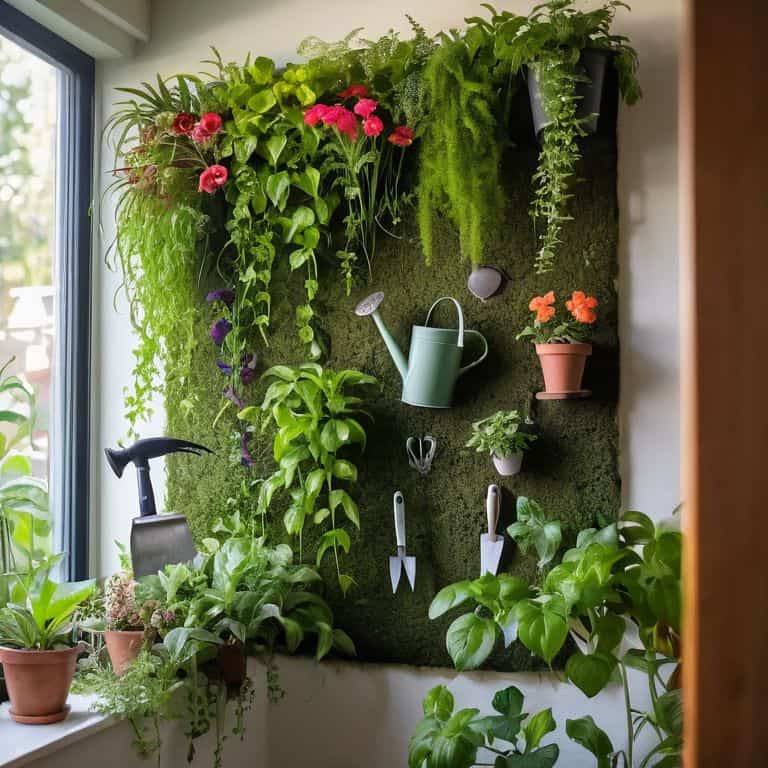
- 1. To begin creating your vertical garden, start by assessing the light in your small space. Consider the direction your garden will face and the amount of direct sunlight it will receive. This will help you choose the right plants for your vertical oasis. I like to think of this step as getting to know the personality of my space, and I often chat with my trusty garden tool, Luna the light meter, to get a better sense of the lighting conditions.
- 2. Next, select a suitable wall-mounted system for your vertical garden. There are many options available, from trellises to pocket planters, and each has its own unique characteristics. I find that my garden tool, Terra the trowel, is particularly helpful during this step, as she’s great at scooping out just the right amount of soil for each planter. When choosing a system, consider the weight it will hold, the ease of maintenance, and the overall aesthetic you want to achieve.
- 3. Now it’s time to prepare your planting medium. A good potting mix is essential for healthy plant growth, and I like to think of it as the foundation of my vertical garden. I have a special fondness for mixing my own blend, using a combination of peat moss, vermiculite, and perlite. My garden tool, Misty the watering can, is always by my side during this step, reminding me to keep the mix moist but not waterlogged.
- 4. With your planting medium ready, it’s time to select your plants. Choose a variety of plants that thrive in your specific lighting conditions and have similar watering requirements. I adore plants with dramatic textures and vibrant colors, as they add depth and visual interest to my vertical gardens. Consider using a mix of foliage plants, flowering plants, and even some herbs to create a unique and dynamic display.
- 5. Once you’ve selected your plants, it’s time to start planting. Begin by adding a layer of soil to each planter, followed by your chosen plants. I find that my garden tool, Petunia the pruner, is particularly helpful during this step, as she’s great at gently trimming any excess roots or stems. Make sure to leave enough space between each plant for proper growth and air circulation.
- 6. As you continue to plant, consider adding some decorative elements to your vertical garden. This could be anything from small sculptures to wind chimes, and it’s a great way to add some personality to your space. I like to think of these elements as the whispers of the garden, adding a touch of magic to the overall ambiance. My garden tool, Daisy the cultivator, is always happy to help me mix in some decorative stones or shells to add a pop of color.
- 7. Finally, maintain your vertical garden by watering, fertilizing, and pruning your plants regularly. I like to think of this step as listening to the rhythm of my garden, tuning in to the unique needs of each plant. My garden tool, Sammy the sprinkler, is always by my side during this step, helping me deliver just the right amount of moisture to each plant. With regular care and attention, your vertical garden will thrive, becoming a lush oasis in even the smallest of urban spaces.
Vertical Gardens in Small Spaces
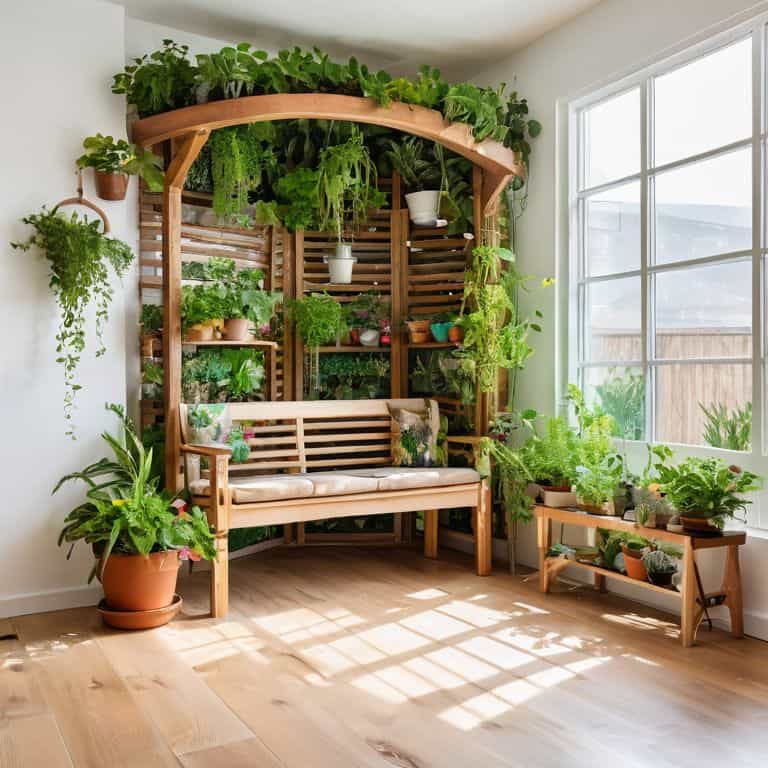
As I tend to my own indoor vertical garden systems, I’m reminded of the importance of space saving garden designs. When working with compact areas, every inch counts, and clever design can make all the difference. I’ve found that using trellises or arbors can help maximize space while adding a touch of whimsy to the garden. My trusty garden tool, “Twirly,” a sturdy trellis installer, has been instrumental in helping me create these miniature oases.
When selecting plants for small space gardening, it’s essential to choose varieties that thrive in compact garden irrigation systems. I’ve had great success with succulents and herbs, which require minimal watering and can tolerate the occasional neglect. My garden tool, “Sprinkles,” a gentle watering can, has been a lifesaver on busy days when I forget to water my plants. By combining the right plants with efficient irrigation systems, you can create a lush and low-maintenance garden that brings joy to even the smallest of urban nooks.
In urban areas, urban gardening ideas for balconies can be a game-changer for those with limited space. I’ve seen friends transform their tiny balconies into thriving gardens using vertical garden planters and a little creativity. By incorporating these space-saving solutions, you can create a peaceful retreat that connects you to nature, even in the midst of bustling city life. As I work on my own bonsai landscapes, I’m constantly inspired by the possibilities of small space gardening and the serenity it can bring to our lives.
Nurturing Nature Indoor Vertical Garden Systems
As I tenderly water my indoor vertical garden, I’m reminded of the serene hikes that inspired my bonsai landscapes. My trusty watering can, Bertha, seems to hum in harmony with the gentle trickle of water. I’ve found that indoor vertical garden systems thrive when given the right amount of moisture and attention. By mimicking the natural rhythms of the outdoors, we can coax even the most reluctant plants into vibrant life.
In my own home, I’ve seen my indoor vertical garden become a haven for local wildlife, with birds and bees visiting the blossoms. It’s a testament to the power of nurturing nature, even in the smallest of spaces. With a little love and care, these systems can flourish, bringing a touch of the wild into our urban lives.
Sowing Serenity Compact Garden Designs
As I tend to my own compact garden, I find solace in the gentle whispers of the plants. My trusty pruning shears, Bertha, and I work in harmony to craft a serene oasis. With vertical gardens, every inch counts, and I love experimenting with tiered planters and trellises to maximize space. By choosing the right combination of plants, such as succulents and ferns, and carefully selecting the perfect spot for each, I can create a lush tapestry that brings joy to even the smallest of areas.
In these compact designs, I often incorporate recycled materials, like old wooden pallets or bamboo stakes, to add a touch of rustic charm. My watering can, Winston, and I make sure each plant receives just the right amount of nourishment, and as the plants grow, they seem to hum with contentment. It’s a truly magical experience, watching a small, neglected space transform into a thriving haven of peace and tranquility.
Blooming Wisdom: 5 Essential Tips for Thriving Vertical Gardens in Small Spaces
- I always say, when it comes to vertical gardens, it’s all about embracing the art of layering – think of it as creating a lush tapestry, where each plant and element is carefully chosen to complement the others, just like I do with my bonsai landscapes
- Remember, my trusty tool Bertha the Trowel always reminds me, drainage is key in vertical gardens, so make sure to select a system that allows for proper water flow and aeration, or as I like to call it, ‘breathing room’ for your plants
- As I learned from my parents on our small organic farm, choose plants that are well-suited for vertical growth and can thrive in smaller spaces, like succulents or herbs – my personal favorite is the delicate, trailing beauty of creeping thyme
- In my experience, maintaining a consistent level of moisture is crucial for vertical gardens, which is why I swear by my reliable watering can, Winston – he’s always there to lend a helping pour, ensuring my plants stay happy and healthy
- Lastly, don’t be afraid to get creative and add some personal touches to your vertical garden, like a handmade trellis or a recycled planter, just as I do with my beloved bonsai trees – it’s all about infusing your space with a little bit of personality and love
Cultivating Harmony: 3 Key Takeaways for Thriving Vertical Gardens
I’ve found that choosing the right plants for your vertical garden is crucial – my friend Bertha the pruning shear and I always discuss the best options for each space, from lush ferns to vibrant flowering vines
Proper irrigation and drainage are essential, as I learned from my trusty watering can, Winston – he’s always reminding me to water wisely and avoid over-saturation, ensuring our plants stay healthy and strong
Embracing creativity and experimentation is vital, whether you’re a seasoned gardener or just starting out – I encourage you to get to know your garden tools, like my loyal rake, Roderick, and let them guide you in crafting a unique and thriving vertical oasis that brings serenity to your urban haven
Cultivating Life in Tight Spaces
As I often say to my trusty garden tool, Terra the Trowel, ‘even the smallest of spaces can hold the grandest of dreams,’ and that’s especially true for vertical gardens, which can transform urban nooks into thriving oases, reminding us that serenity and nature are always within reach, no matter the size of our surroundings.
Dylan Thompson
Cultivating Serenity in Small Spaces
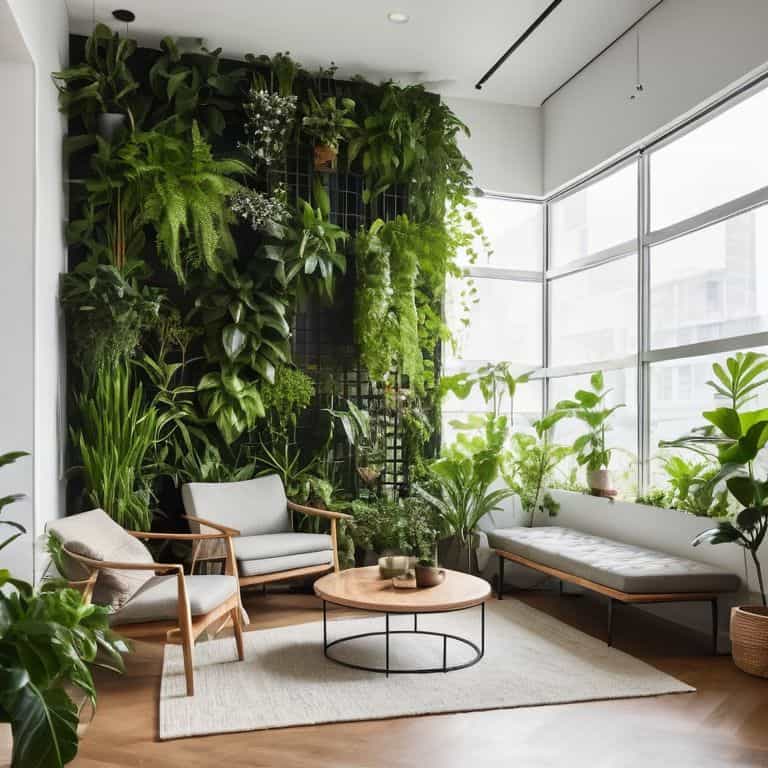
As we’ve explored the world of vertical gardens in small spaces, it’s clear that these compact oases offer a multitude of benefits, from purifying the air to providing a peaceful retreat from the hustle and bustle of urban life. By following the step-by-step guide and incorporating sustainable design principles, you can create your own lush sanctuary, perfect for nurturing both body and soul. Whether you opt for a compact garden design or an indoor vertical garden system, the key to success lies in understanding the unique needs of your space and selecting the right plants and materials to bring your vision to life.
As you embark on your own vertical gardening journey, remember that the true beauty of these small spaces lies not just in their aesthetic appeal, but in the sense of connection to nature they foster. So, take a deep breath, get your hands dirty, and let the gentle rhythm of growth and renewal soothe your spirit. With every carefully tended leaf and blossoming flower, you’ll be cultivating not just a garden, but a sense of serenity and wonder that will stay with you long after you leave your little oasis behind.
Frequently Asked Questions
What are the best plants to use for a vertical garden in a small space with limited sunlight?
For a vertical garden in a small, low-light space, I swear by my friend Petunia, my trusty pruning shear, to help me snip and shape low-maintenance plants like Pothos, Peperomia, or ferns – they thrive in shady spots and add a touch of serenity to any room.
How do I ensure proper drainage and watering for my vertical garden to prevent root rot and other issues?
To ensure proper drainage and watering, I always advise using a well-draining potting mix and incorporating a moisture meter into your vertical garden’s design. My trusty watering can, Bertha, and I also recommend watering in the morning, allowing the plants to absorb what they need throughout the day, reducing the risk of root rot and other issues.
Can I use a trellis or other support system to create a vertical garden on a small balcony or patio with limited floor space?
I just adore using trellises to create vertical gardens – they’re a fantastic way to maximize space on small balconies or patios. My trusty trellis, Bertha, has helped me train all sorts of climbing plants to flourish upwards, making the most of every inch. Give it a try, and watch your tiny outdoor space transform into a lush oasis!