









Irrigation Solutions for Vertical Gardens
 November 11, 2025
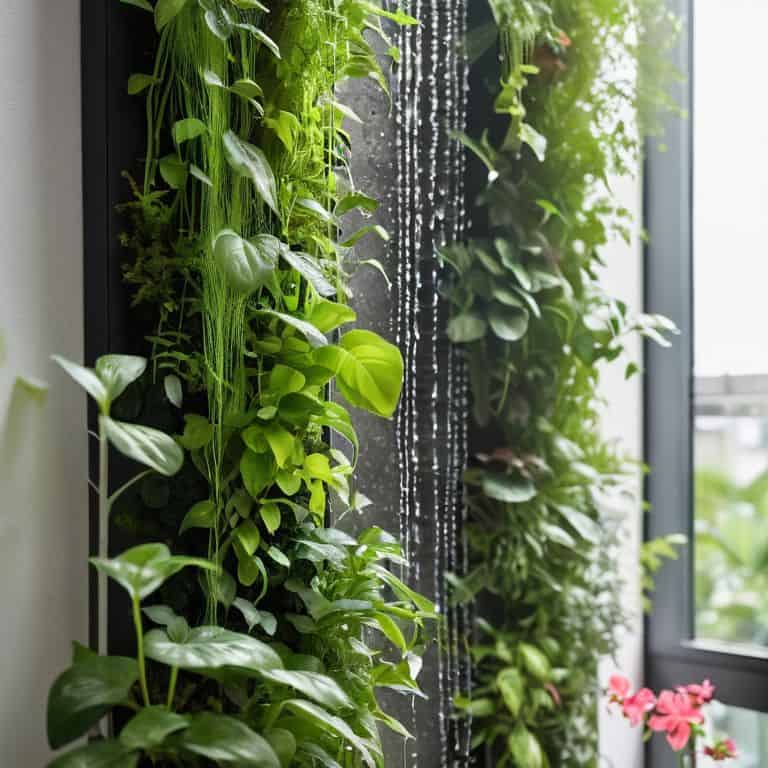
As I stood in my Oregon garden, surrounded by the lush greenery of my vertical garden, I realized that the biggest myth about irrigation for vertical gardens is that it’s a complicated, high-tech process. But the truth is, it’s quite simple – with the right approach, you can create a thriving oasis that brings a touch of nature to even the most urban of spaces. I’ve spent years perfecting my technique, and I’ve found that the key to success lies in understanding the unique needs of your plants and providing them with the right amount of moisture. My trusty garden tool, “Misty,” a gentle sprinkler, has been instrumental in helping me achieve this balance.
In this article, I’ll share my honest, no-hype advice on how to create an effective irrigation system for your vertical garden. You’ll learn how to assess your plants’ needs, choose the right equipment, and implement a schedule that will keep your garden thriving. I’ll also introduce you to some of my other garden tools, like “Drippy,” my reliable drip irrigator, and show you how they can help you achieve a low-maintenance and water-efficient system. By the end of this guide, you’ll be well on your way to creating a stunning vertical garden that not only brings you joy but also helps to purify the air and promote biodiversity in your community.
Table of Contents
- Guide Overview: What You'll Need
- Step-by-Step Instructions
- Irrigation for Vertical Gardens
- Watering Wisdom: 5 Tips to Quench Your Vertical Garden's Thirst
- Bringing it All Together: Key Takeaways for Your Thriving Vertical Garden
- Harmonizing Water and Sky
- Bringing Life to New Heights
- Frequently Asked Questions
Guide Overview: What You'll Need
Total Time: 3 hours
Estimated Cost: $50 – $100
Difficulty Level: Intermediate
Tools Required
- Drill (with screwdriver and drill bits)
- PVC cutter (or pipe cutter)
- Water pump (submersible or external)
- Tubing cutter (for 1/4 inch or 1/2 inch tubing)
- Measuring tape (for measuring 6 feet or 12 feet lengths)
- Level (for ensuring proper water flow)
- Wire cutters (for cutting 12 inches or 18 inches wire)
- Pliers (for gripping small parts)
Supplies & Materials
- PVC pipes (1 inch or 1.5 inch diameter, 10 feet long)
- PVC elbows (for changing direction)
- Tees (for splitting water flow)
- End caps (for closing pipe ends)
- Water reservoir (at least 5 gallons capacity)
- Tubing (1/4 inch or 1/2 inch diameter, 25 feet long)
- Drip irrigation emitters (at least 10-20 emitters for a small garden)
- Timer or controller (optional, for automated watering)
- 2 inches x 6 inches lumber (for building a trellis or support)
- Wire (14 inches or 16 inches long, for hanging plants)
Step-by-Step Instructions
- 1. First, let’s start by assessing our vertical garden’s specific needs – every plant is unique, just like my trusty garden tools, which I’ve named after the trails that inspire me. I talk to them as I work, and I swear, it makes all the difference in how they perform. Begin by evaluating the type of plants you have, their water requirements, and the climate you’re in. This will help you determine the best irrigation system for your vertical garden oasis.
- 2. Next, choose an irrigation system that suits your garden’s needs. I’ve found that drip irrigation systems work beautifully for vertical gardens, as they deliver water directly to the roots of the plants, minimizing waste and reducing the risk of overwatering. Consider the size of your garden, the number of plants, and the desired level of automation when selecting your system.
- 3. Now, let’s talk about the importance of water pressure in your irrigation system. You’ll want to ensure that the water pressure is adequate to reach all parts of your vertical garden, but not so high that it damages the plants or the system itself. I like to think of it as finding the perfect rhythm, much like the gentle rains that nourish the plants in my Oregon garden.
- 4. Once you’ve selected your irrigation system, it’s time to install it. Start by connecting the main water supply line to the system, then branch out to the individual plants. Make sure to use high-quality tubing and fittings to prevent leaks and ensure a reliable water supply. As I always say, “A good irrigation system is like a good hiking trail – it should be well-marked, well-maintained, and lead to breathtaking views.
- 5. With the system installed, it’s essential to test it thoroughly to ensure everything is working as it should. Turn on the water supply, and check for any leaks or issues with the tubing or fittings. I like to use my trusty tool, “River,” a small, handheld tester that helps me identify any problems before they become major issues.
- 6. Now that your irrigation system is up and running, it’s crucial to maintain it regularly to prevent clogs, mineral buildup, and other issues. Set a schedule to check and clean the system, and consider using a water filter to remove any impurities that might affect plant growth. I find that maintaining my irrigation system is much like pruning my bonsai trees – it requires patience, attention to detail, and a gentle touch.
- 7. Finally, monitor your plants’ response to the irrigation system, and make any necessary adjustments. Keep an eye on the soil moisture, and adjust the watering schedule as needed to ensure your plants are receiving the right amount of water. Remember, every plant is unique, and it may take some trial and error to find the perfect balance. But with a little patience and practice, you’ll be well on your way to creating a thriving, lush vertical garden that brings joy and serenity to your life.
Irrigation for Vertical Gardens
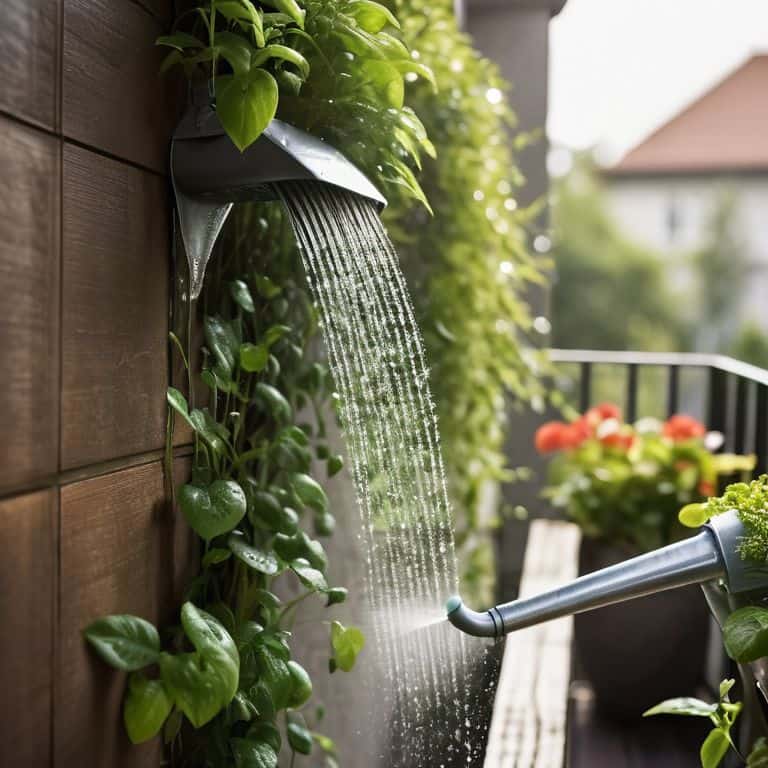
As I tend to my own vertical garden, I’ve come to realize the importance of a well-designed vertical garden watering system. It’s not just about providing plants with the right amount of moisture, but also about creating a harmonious balance between water, air, and nutrients. I recall a particularly dry summer in Oregon, where my vertical garden was the only one thriving, thanks to my trusty irrigation system. My garden tool, “Dewy,” a gentle misting nozzle, played a crucial role in keeping my plants happy and healthy.
When it comes to indoor vertical garden irrigation, it’s essential to consider the specific needs of your plants. Some plants require more frequent watering, while others prefer a more sparse schedule. I’ve found that using micro irrigation for vertical gardens can be incredibly effective, as it delivers water directly to the roots of the plants, minimizing waste and reducing the risk of overwatering. My garden tool, “Sprout,” a precision watering can, has been instrumental in helping me fine-tune my irrigation schedule.
To take your vertical garden to the next level, consider incorporating self watering vertical garden planters or hydroponic vertical garden irrigation systems. These innovative solutions can help reduce maintenance and ensure that your plants receive a consistent supply of water and nutrients. As I work in my garden, I often talk to my tools, encouraging them to perform their best – it may sound quirky, but I’ve found that it helps me stay connected to the natural world and appreciate the beauty of vertical garden misting systems.
Misting Magic Hydroponic Vertical Garden Delights
As I tend to my own Oregon garden, I’ve fallen in love with the mystical dance of misting systems in hydroponic vertical gardens. My trusty sidekick, a sprayer I’ve named Misty, helps me bring this enchantment to life. With a gentle touch, Misty disperses a fine veil of water droplets, coaxing roots to drink deep and leaves to unfurl. It’s mesmerizing to watch plants thrive under her care, their vibrant hues and delicate textures a testament to the magic of misting.
In my experience, misting systems are particularly well-suited to hydroponic vertical gardens, where precise control over water and nutrient delivery is paramount. By adjusting the frequency and duration of misting cycles, I can tailor the environment to the unique needs of each plant, much like a master chef adjusts the seasoning in a signature dish. The result is a lush, thriving tapestry of green, with each plant reaching its full potential in harmony with its companions.
Nourishing the Sky With Micro Irrigation
As I tend to my own vertical garden, I’ve come to realize the magic of micro irrigation. My trusty tool, “Dewdrop,” a precision irrigation nozzle, helps me deliver just the right amount of moisture to each plant. It’s amazing to see how this targeted approach can boost growth and reduce waste. I recall a particularly dry summer when my vertical garden was struggling – but after switching to micro irrigation, the plants perked up in no time.
With micro irrigation, you can mimic the gentle rains of Oregon, like those I grew up with on my family’s farm. By installing a system of tiny tubes and emitters, you can bring nourishment directly to the roots of your plants, minimizing evaporation and runoff. My other faithful tool, “Sprout,” a soil moisture sensor, helps me monitor the conditions and adjust the irrigation schedule accordingly. It’s a game-changer for maintaining a lush, thriving vertical garden.
Watering Wisdom: 5 Tips to Quench Your Vertical Garden's Thirst
- Listen to your plants: Just as I do when I’m tending to my bonsai landscapes, pay attention to the subtle signs of thirst from your vertical garden – a slight wilt or a change in leaf color can be a signal to adjust your irrigation system
- Timing is everything: In my Oregon garden, I’ve found that watering my vertical garden in the early morning or evening, when the sun is gentler, helps reduce evaporation and allows the plants to absorb the water more efficiently
- Drainage is key: My trusty garden tool, ‘Digger’, always reminds me to ensure proper drainage in my vertical garden – you don’t want waterlogged soil, which can lead to root rot and other issues, so make sure to include a drainage system in your setup
- Monitor and adjust: As the seasons change, so do the watering needs of your vertical garden – keep an eye on the weather and adjust your irrigation system accordingly, just as I do when I’m hiking and observing the natural water cycles in the wild
- Water quality matters: The water you use for your vertical garden can affect the health of your plants – consider using a water filter or collecting rainwater, like I do in my own garden, to provide your plants with the cleanest, most nutrient-rich water possible
Bringing it All Together: Key Takeaways for Your Thriving Vertical Garden
As I reflect on my own journey with vertical gardens, I’ve found that the right irrigation system can make all the difference – it’s like giving your plants a refreshing drink on a hot summer day, and I just love watching them thrive in my own Oregon garden!
When it comes to micro irrigation, I’ve learned to trust my instincts and observe the unique needs of each plant, just as I do when I’m pruning my beloved bonsai trees, and I always make sure to give my trusty garden tools, like my shear ‘Sheila’ and my pruner ‘Pete’, a good talking-to before we get to work
By embracing the gentle art of misting and hydroponics, you can unlock a world of possibilities for your vertical garden, and as you nurture your plants, remember that you’re not just growing a garden – you’re cultivating a sanctuary, a peaceful oasis that brings you closer to the natural world, just like my own hikes through the Oregon trails inspire me to create serene bonsai landscapes
Harmonizing Water and Sky
As I tend to my vertical garden, I’m reminded that irrigation is not just about quenching the thirst of our plants, but about orchestrating a symphony of water, light, and life – a delicate dance that brings balance and beauty to our urban oases.
Dylan Thompson
Bringing Life to New Heights
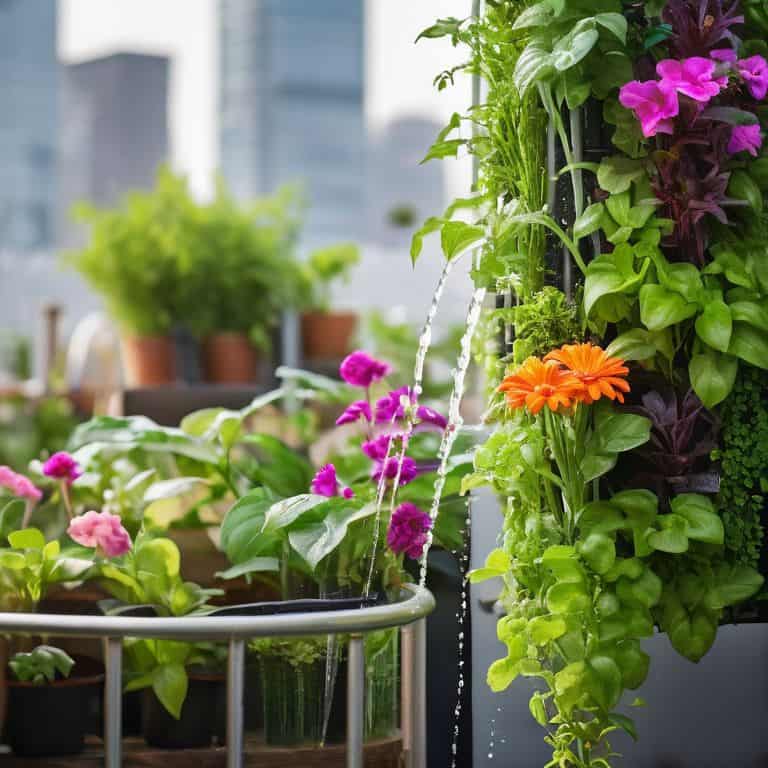
As I reflect on our journey through the world of irrigation for vertical gardens, I’m reminded of the importance of balance in creating thriving ecosystems. From the initial setup to the nuances of micro irrigation and hydroponic systems, each step is a testament to the delicate dance between technology and nature. By embracing this harmony, we can transform our urban landscapes into vibrant oases, teeming with life and color. My trusty garden tools, like ‘Misty’ the mister and ‘Drippy’ the drip irrigator, have been faithful companions in this endeavor, each playing a vital role in nurturing the plants under my care.
As we conclude this exploration of irrigation for vertical gardens, I hope you’re inspired to embark on your own journey of green discovery. Remember, the art of gardening is not just about cultivating plants, but about cultivating life itself. With every carefully tended garden, we weave a tapestry of biodiversity and tranquility, bridging the gap between the natural and urban worlds. So, let us tend to our gardens with love, and in doing so, tend to the very essence of our being, allowing the beauty and wonder of nature to flourish in every corner of our lives.
Frequently Asked Questions
What are the most water-efficient irrigation methods for vertical gardens in areas with limited rainfall?
In my Oregon garden, I swear by drip irrigation and capillary action for vertical gardens – they’re like a gentle sprinkle of rain, delivering water directly to the roots. These methods minimize evaporation and runoff, making every drop count, especially in areas with limited rainfall.
How can I determine the optimal irrigation schedule for my vertical garden, considering factors like plant species and climate?
To determine the optimal irrigation schedule, I consider the unique needs of each plant species and the local climate. I ask myself, “What would nature do?” and observe the rainfall patterns in Oregon’s hills, where I grew up. My trusty watering can, Bertha, and I work together to find the sweet spot, adjusting the schedule as the seasons change and my plants grow.
Are there any DIY-friendly irrigation systems for vertical gardens that can be made from recycled materials?
I just love repurposing old materials to bring life to my vertical gardens. You can create a DIY-friendly irrigation system using recycled plastic bottles, PVC pipes, and even old terracotta pots. My trusty sidekick, a drill named Daisy, helps me craft these unique systems, and I’ve seen my plants thrive with minimal waste and maximum charm.