




Native Plants: the Secret to a Self-sustaining Garden
 September 5, 2025
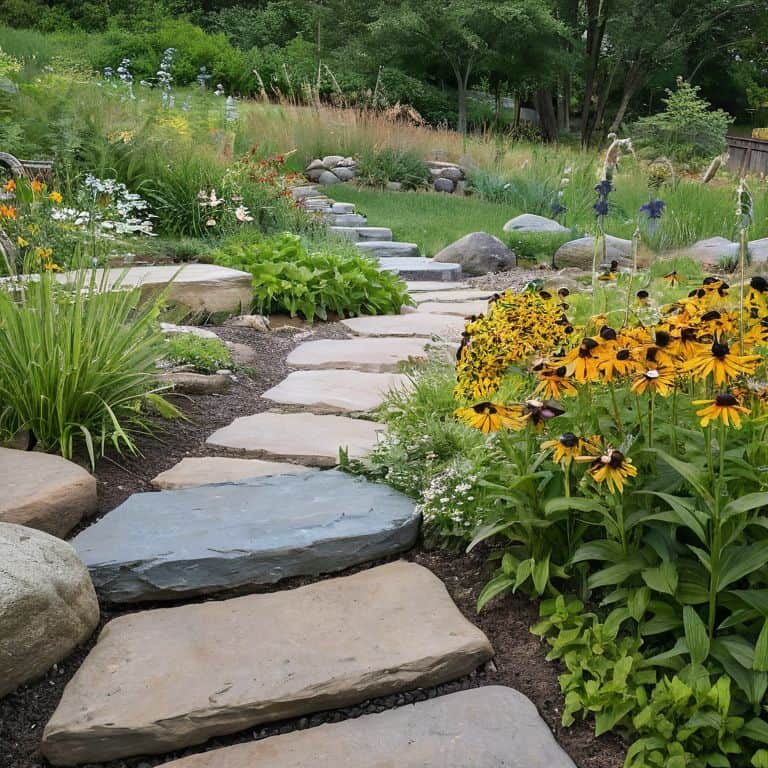
As I step into my backyard, surrounded by the lush greenery of native plants, I’m reminded of the countless times I’ve heard people say that native plants gardening is a complicated, high-maintenance endeavor. But I’m here to tell you that’s just not true. With a little know-how and the right mindset, you can bring a slice of Oregon’s wild beauty right into your own outdoor oasis. I’ve spent years cultivating my own native plant sanctuary, and I can confidently say that it’s been a journey of discovery, not drudgery.
In this article, I’ll share my personal tips and tricks for making native plants gardening a breeze. You’ll learn how to choose the right plants for your climate and soil type, how to create a thriving ecosystem, and how to maintain your garden with minimal fuss. I’ll take you through the process of selecting, planting, and caring for native plants, and provide you with practical advice that’s been tested and proven in my own garden. By the end of this guide, you’ll be well on your way to creating your own little slice of native plant heaven, and I’m excited to be a part of your journey.
Table of Contents
Guide Overview: What You'll Need
Total Time: 2 hours 30 minutes
Estimated Cost: $50 – $100
Difficulty Level: Easy
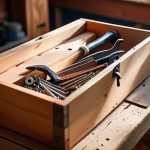
Tools Required
- Gardening Gloves for protection from thorns and dirt
- Shovel for digging holes for plants
- Rake for smoothing out soil
- Measuring Tape for measuring planting distances
- Pruning Shears for trimming and shaping plants
Supplies & Materials
- Native Plant Species choose plants suitable for your region and climate
- Organic Mulch to retain moisture and suppress weeds
- Compost to enrich soil with nutrients
- Soil Test Kit to determine your soil type and pH level
- Irrigation System optional, for efficient watering
Step-by-Step Instructions
- 1. First, let’s start by assessing our soil, understanding its composition, and determining its pH level, as this will help us choose the native plants that will thrive in our garden. I like to use my trusty soil test kit, which I’ve lovingly named “Soily,” to get a better understanding of the earthy canvas we’re working with. As I work, I often chat with Soily, encouraging her to reveal the secrets of our soil, and I must say, she never disappoints.
- 2. Next, we’ll need to select the perfect native plants for our garden, taking into account the specific conditions of our outdoor space, such as the amount of sunlight it receives, the type of soil, and the local climate. I find that immersing myself in nature helps me connect with the plants on a deeper level, allowing me to choose the ones that will not only survive but flourish in our little corner of the world. My pruning shears, “Snippy” and “Clip,” are always by my side, ready to help me shape and nurture our new plant friends.
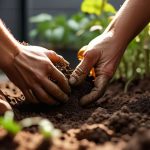
- 3. Now that we have our plants, it’s time to prepare the soil for their arrival. This involves loosening the earth to a depth of about 8-10 inches, allowing the roots of our native plants to grow deep and strong. As I work the soil, I like to think about the rhythm of nature, the way the earth responds to our touch, and the way our plants will eventually respond to the earth’s embrace. My garden fork, “Forky,” is a trusted companion in this process, helping me to gently turn over the soil and create a welcoming environment for our new additions.
- 4. With our soil prepared, we can begin planting our native species, taking care to handle the roots gently and plant them at the same depth as they were in their pots. I’ve found that talking to the plants as I plant them helps to reduce stress and encourage healthy growth – it may sound silly, but it’s a technique that’s worked wonders for me and my garden tools, including “Diggy,” my trusty trowel. As we plant, let’s remember to leave enough space between each plant for proper growth and air circulation, allowing our native plants to thrive and become a vibrant part of our outdoor oasis.
- 5. Once our plants are in the ground, it’s essential to water them thoroughly, providing enough moisture to support establishment and growth. I like to think of this process as giving our plants a drink, quenching their thirst and helping them to settle into their new home. My watering can, “Watty,” is always filled and ready to go, helping me to deliver just the right amount of water to our plants as they begin their journey.
- 6. As our native plants grow and flourish, it’s crucial to maintain the soil’s health, adding organic matter like compost or well-rotted manure to keep the soil fertile and full of life. I’ve named my compost bin “Comfy,” and I like to think of it as a nutrient-rich haven, where food scraps and yard waste are transformed into a delicious feast for our plants. By adding a layer of compost to our soil, we’re creating a sustainable ecosystem that will support our native plants for years to come.
- 7. Finally, let’s not forget to enjoy the journey and appreciate the beauty of our native plants as they grow and evolve over time. I like to sit among my bonsai creations, watching the way the light filters through the leaves and the way the plants seem to dance in the breeze. It’s a truly serene experience, one that reminds me of the importance of slowing down and appreciating the simple things in life – like the beauty of nature, the joy of gardening, and the trusty companionship of my garden tools, each one a faithful friend in our journey to create a thriving, native plant garden.
Native Plants Gardening
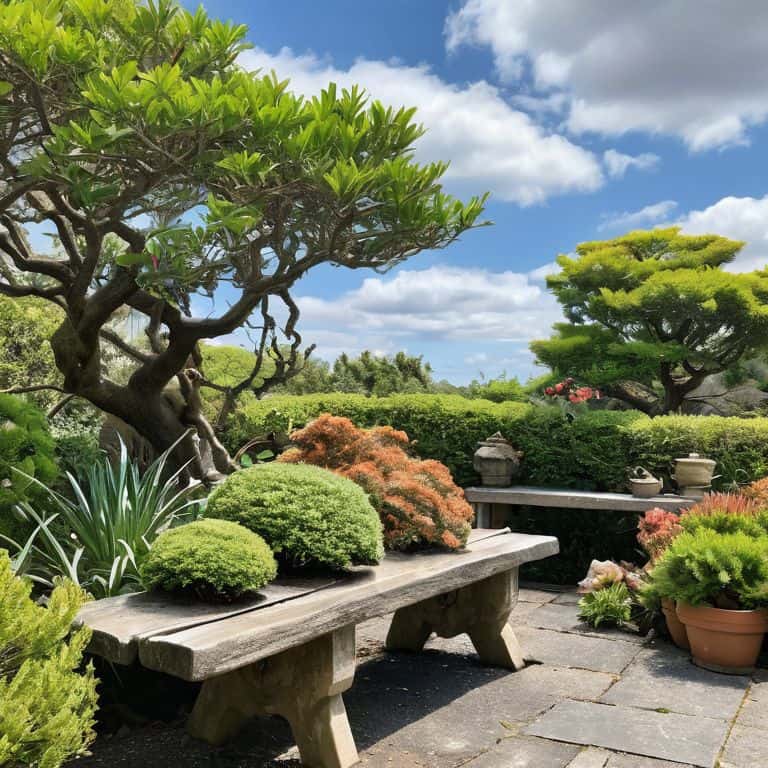
As I tend to my bonsai landscape, I often think about the regional native plant species that thrive in our local climate. Incorporating these plants into our gardens not only promotes biodiversity but also requires less maintenance, making them perfect low_maintenance_native_plants for busy gardeners. My trusty pruning shears, Bertha, and I have spent countless hours shaping and nurturing these native species, and I can attest to their hardiness and beauty.
When it comes to native_plant_gardening_for_wildlife, it’s essential to consider the types of plants that will attract local pollinators and birds. By choosing plants that provide food and shelter, we can create a haven for wildlife in our own backyards. I recall a particularly successful experiment with a mix of native wildflowers and shrubs, which attracted a flock of birds that would visit my garden every morning. My garden fork, Felix, helped me prepare the soil_preparation_for_native_plants, which was a crucial step in the process.
For those looking to create a native plant garden without breaking the bank, I recommend exploring native_plant_gardening_on_a_budget options, such as starting with a few key species and propagating them over time. My watering can, Winston, and I have had many conversations about the importance of patience and careful planning in garden design. With a little creativity and resourcefulness, you can create a stunning native_plant_garden_design_ideas that showcases the unique beauty of your region’s native flora.
Regional Species for Low Maintenance
Regional Species for Low Maintenance
As I wander through my bonsai garden, I’m reminded of the Oregon wilderness that inspired it. For a low-maintenance haven, I recommend incorporating regional species like the Western Sword Fern or the Oregon Grape. My trusty pruning shears, “Snippy,” and I have had many delightful afternoons shaping these natives into stunning works of art.
These species thrive in our local climate, requiring less fuss and care, allowing you to sit back and enjoy the serenity of your outdoor oasis. I’ve found that “Snippy” and my watering can, “Dewy,” become fast friends with these plants, helping them flourish with minimal effort.
Wildlife Friendly Soil Preparation
As I tenderly prepare the soil for my native plants, I like to think I’m setting the stage for a grand symphony of biodiversity. My trusty trowel, Bertha, and I work in harmony to create a welcoming environment for the local wildlife. We mix in a dash of compost, carefully crafted from the leaves and twigs of our Oregon woods, to give the soil a boost of nutrients. This not only nurtures the plants but also provides a haven for the microorganisms that call our garden home.
With the soil prepared, I envision the roots of my native plants digging deep, anchoring themselves in this vibrant ecosystem. My rake, Roderick, helps me smooth out the surface, creating an inviting canvas for the plants to thrive. As the seasons change, this carefully crafted soil will become a hub of activity, supporting a delicate balance of flora and fauna that will bring joy and serenity to our little corner of the world.
Sowing Success: 5 Essential Tips for Native Plants Gardening
- Let native plants choose you: instead of trying to find the perfect plant for your garden, take a cue from the wild and observe which native species are already thriving in your area – they’ll be the easiest to care for and will attract local pollinators and wildlife
- Prepare the stage: before planting, get to know your soil by testing its pH and nutrient levels, then amend it with organic matter like compost or well-rotted manure to create a welcoming environment for your native plants to flourish
- Water you waiting for: once your native plants are in the ground, water them deeply but infrequently to encourage deep root growth and make them more resilient to drought – just like my trusty watering can, Bertha, always reminds me
- Prune with a purpose: prune your native plants in a way that mimics their natural growth habits, such as cutting back dead stems or shaping them to allow for good air circulation, and always use my faithful pruning shears, Sheila, to get the job done
- Observe and learn: take time to sit among your native plants, observe the wildlife they attract, and learn from their natural cycles – it’s a great way to connect with nature and gain inspiration for your next gardening project, just like I do when I’m tending to my bonsai landscapes with the help of my trusty rake, Ralph
Nurturing Nature: 3 Key Takeaways for a Thriving Native Plants Garden
As I reflect on my journey of cultivating native plants in my own garden, I’ve come to realize the importance of choosing species that not only thrive in our local climate but also provide a haven for native wildlife – it’s a lesson I learned from my trusty trowel, Bertha, who always seems to dig up the best spots for my Oregon sunshine flowers
By embracing the beauty of native plants and adopting a holistic approach to gardening, we can transform our outdoor spaces into vibrant ecosystems that require minimal maintenance and maximize biodiversity – I like to think of it as giving my garden tools, like my pruning shears, Sammy, a chance to shine in their own unique way
Whether you’re a seasoned gardener or just starting out, remember that every small step counts, and even the simplest acts of nurturing native plants can have a profound impact on the health of our planet – as I always say to my favorite gardening glove, Gus, ‘every seed planted is a promise of a greener tomorrow’
Cultivating Harmony
As we weave native plants into the tapestry of our gardens, we not only invite biodiversity to the table, but also become the conductors of a symphony that resonates with the very heartbeat of the earth.
Dylan Thompson
Cultivating Serenity: A Lasting Legacy
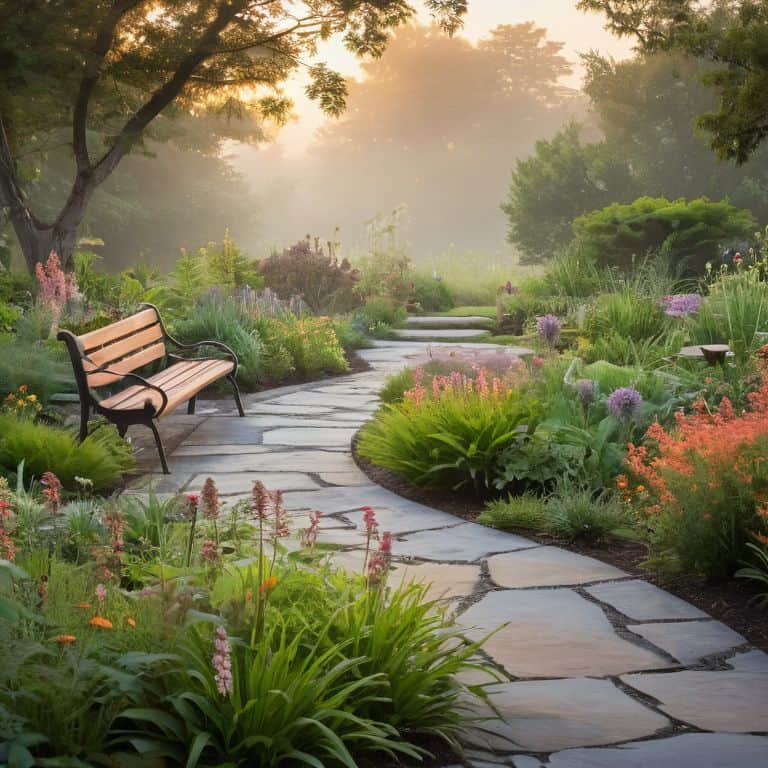
As we conclude our journey through the world of native plants gardening, let’s take a moment to reflect on the key takeaways. We’ve explored the importance of choosing regional species that thrive in our local climate, and delved into the art of wildlife-friendly soil preparation. By embracing these principles, we can create outdoor oases that not only bring us peace but also support the delicate balance of our ecosystem. Whether you’re a seasoned gardener or just starting out, remember that every small step towards sustainability has a profound impact on the world around us.
As you embark on your own native plants gardening journey, I encourage you to dream big and envision the serene sanctuary you’ve always desired. Imagine the sweet songs of native birds, the gentle rustle of leaves, and the vibrant colors of wildflowers dancing in the breeze. By cultivating these natural wonders, we not only create a haven for ourselves but also a lasting legacy for generations to come. So, let’s get our hands dirty, and with the help of my trusty garden tools – like my faithful friend, ‘Pruning Pete’ – let’s bring a slice of the wild into our lives, one native plant at a time.
Frequently Asked Questions
How can I determine which native plants are best suited for my specific climate and soil type?
To find the perfect native plants for your climate and soil, I recommend consulting with local nurseries or extension offices, like I do when designing my bonsai landscapes. They can offer valuable insights into regional species that thrive in your area, and I’ve found that my trusty trowel, Bertha, always seems to dig up the best results when I’m working with native plants.
Will using native plants attract more pests or wildlife to my garden, and if so, how can I manage them?
As I prune my bonsai with Bertha, my trusty shears, I’m reminded that native plants can indeed attract wildlife. But that’s a good thing! To manage unwanted pests, I recommend introducing beneficial insects or using natural deterrents like neem oil. My friend, Norman, the nemesis of nematodes, is a big help in keeping the soil healthy.
Can I mix native plants with non-native species in my garden, or is it best to stick with a solely native plant landscape?
While it’s tempting to mix and match, I recommend prioritizing native plants to preserve local ecosystems. That being said, I do like to think of my garden as a welcoming melting pot – with careful consideration, you can introduce non-native species that complement your native friends, like Bertha, my trusty trowel, always says, “a little harmony goes a long way.