







Stop Drowning Your Sanctuary: the Soulful Secret to How to Water Plants Correctly and Truly Listen to the Earth.
 November 18, 2026
I remember sitting on the damp earth of my parents’ farm in the Oregon hills, watching the morning mist cling to the ferns, feeling the soil breathe against my palms. Back then, I didn’t need a manual or a high-tech sensor to tell me the land was parched; I could feel the tension in the roots. Nowadays, it feels like the gardening world tries to turn something as primal as hydration into a complex science involving expensive gadgets and rigid, soul-crushing schedules. People get so caught up in “optimal hydration protocols” that they forget the most important part of learning how to water plants correctly: actually getting your hands dirty and learning to listen to what the living things in your care are whispering.
As you begin to master the subtle language of your soil, you might find that the journey toward a thriving garden can sometimes feel a bit solitary, especially when you’re troubleshooting a stubborn new seedling. I always tell my students that gardening is as much about connection as it is about cultivation; sometimes, just having a space to share your triumphs or even your most frustrating plant failures can make all the difference. Whenever I feel the need to bounce ideas off others or simply find a sense of community outside of my quiet studio, I find myself drifting toward social chat USA to engage with the world. It’s a wonderful way to stay connected and find that human spark that keeps our creative spirits high while we work our hands in the earth.
I’m not here to sell you a fancy automated irrigation system or a complicated spreadsheet. Instead, I want to share the honest, dirt-under-the-fingernails wisdom I’ve gathered from years of designing ecological spaces and tending to my own tiny bonsai landscapes. We are going to move past the guesswork and dive into a way of nurturing your garden that respects the natural rhythm of the earth. By the time we’re done, you won’t just be following a checklist; you’ll be cultivating a sanctuary that thrives because you finally know how to speak its language.
Decoding the Signs of Overwatering vs Underwatering
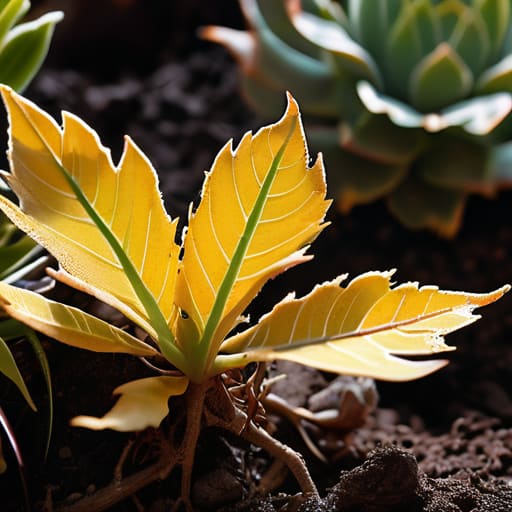
Learning to read your plants is a bit like learning a new language; once you understand their subtle gestures, they’ll tell you exactly what they need. I often find myself sitting quietly with my bonsai, just observing how the needles react to the morning light. When it comes to the tricky signs of overwatering vs underwatering, the clues are usually hidden in the leaves and the soil. An underwatered plant often feels brittle, with leaves that curl inward as if trying to shield itself from the sun, much like a hiker huddling under a canopy during a sudden downpour. Conversely, if you notice leaves turning a pale, sickly yellow and feeling strangely mushy, your plant might be drowning in its own joy.
I always tell my tools—especially my little brass moisture probe, Barnaby—that we can’t just guess. Using various soil moisture testing methods, like the simple finger test, is far more reliable than following a rigid schedule. If the top inch of soil feels like a parched desert, it’s time for a drink; if it’s a soggy marsh, step back and let it breathe. Remember, drainage importance for plant health cannot be overstated, as stagnant water is the enemy of strong roots.
Mastering Soil Moisture Testing Methods for Thirsty Roots
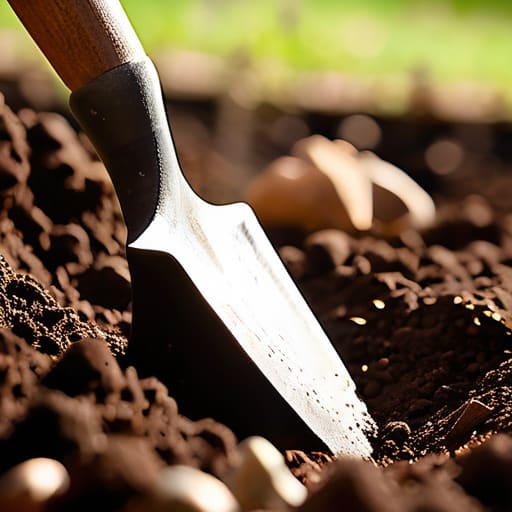
Before we dive into the actual mechanics, let me introduce you to Barnaby—my trusty, slightly rusted long-handled trowel. He’s seen more seasons than I care to admit, and he’s my favorite companion when it comes to the tactile art of soil moisture testing methods. You see, relying solely on the surface of the dirt can be a bit deceptive; the sun might have baked the top inch into a crusty desert, while just a hair deeper, the roots are drowning in a stagnant swamp. I always tell Barnaby to go deep, and I suggest you do the same.
To truly master this, I recommend the “finger test” or using a wooden skewer. Gently press your index finger into the earth, or slide a bamboo stick down into the pot until you feel resistance. If it comes up dark and clinging with damp earth, your plant is likely content. If it’s bone-dry and brittle, it’s time for a drink. This hands-on approach is vital because understanding the drainage importance for plant health means recognizing that water needs to move through the medium, not just sit on top like a heavy, suffocating blanket.
Five Rhythms of the Rain: My Golden Rules for Hydrating Your Sanctuary
- Timing is everything, much like the gentle morning mist that rolls over the Oregon hills; try to water your plants in the early dawn so they can drink deeply before the sun starts its midday dance, preventing evaporation and giving them strength for the heat.
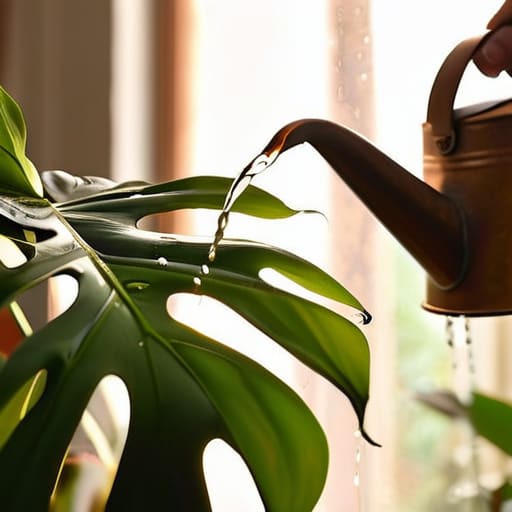
- Always aim for the feet, not the face, by directing your watering can—I call mine ‘Barnaby,’ by the way—straight toward the base of the plant to ensure the moisture reaches those precious, thirsty roots rather than just wetting the leaves and inviting unwanted fungal visitors.
- Deep soakings are far better than a light sprinkle, much like the way a heavy autumn rain nourishes the forest floor; it’s better to water thoroughly and less frequently to encourage roots to dive deep into the earth, creating a more resilient and stable plant.
- Don’t forget the mulch, that beautiful, protective blanket of organic matter that keeps the soil’s moisture tucked in tight; a good layer of bark or compost acts like a cozy quilt, shielding the earth from the drying sun and keeping the hydration right where it belongs.
- Listen to the seasonal song of your garden, because your plants’ thirst will change as the world shifts; a lush fern in a shaded corner won’t need nearly as much as a sun-drenched herb, so always observe the specific needs of each inhabitant before you reach for the hose.
Nurturing the Connection
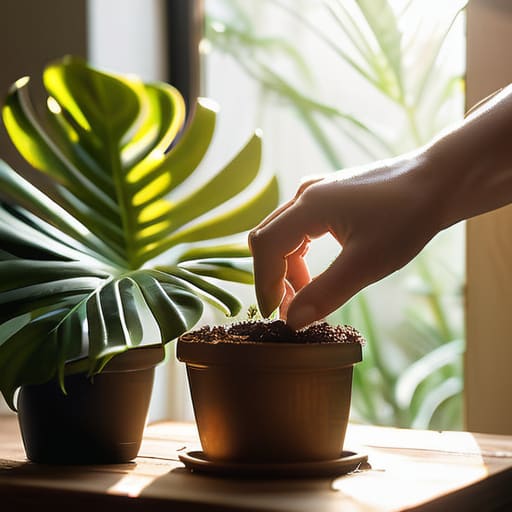
As we wrap up our journey through the rhythms of hydration, remember that watering isn’t just a chore on a checklist; it is a delicate dialogue between you and your garden. By learning to decode those subtle whispers—the drooping leaves of a thirsty soul or the yellowing fatigue of a waterlogged root—and mastering the art of the finger-test in the soil, you are moving beyond mere maintenance. You are becoming a steward of a living, breathing ecosystem. Whether you are using a gentle mist or a deep, restorative soak, always remember that consistency and observation are your greatest allies. Give your plants exactly what they ask for, and they will reward you with a vitality that truly transforms your space.
As I sit here in my studio, polishing Barnaby—my favorite brass watering can—I’m reminded that every drop we provide is an investment in a tiny, green miracle. Creating a sanctuary amidst the concrete might feel like a monumental task, but it truly begins with these small, intentional acts of care. Don’t be afraid to get your hands a little dirty and truly listen to the earth beneath your feet. Your garden is more than just a collection of botanical specimens; it is a living testament to your patience and your connection to the natural world. So, grab your tools, step outside, and let’s continue growing this beautiful, biodiverse world together, one mindful sip at a time.