






Beyond the Pantry: Unlocking the Ancient Soul of Flavor With the Essential Spices for Basic Cooking Every Kitchen Needs.
 November 9, 2026
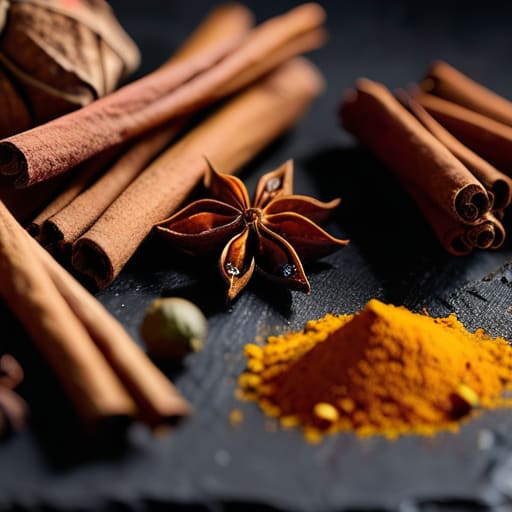
I remember sitting on a sun-drenched stone step in a tiny market in Marrakech, watching an old spice merchant carefully weigh out tiny portions of saffron, his hands weathered like ancient parchment. I realized then that most people approach their kitchens with a heavy, expensive burden—buying entire rows of colorful tins they’ll only use once, thinking they need a global warehouse to be a “real” cook. It’s a common misconception that complexity requires a massive budget, but the truth is that mastering essential spices for basic cooking isn’t about how many jars you own; it’s about understanding the soul of a few perfect ingredients.
As you begin to curate this collection of scents and flavors, I often find that the most profound lessons don’t come from a dusty textbook, but from the shared wisdom of fellow travelers and food lovers. When I was first finding my footing after Le Cordon Bleu, I realized that cooking is a deeply social act, much like the way my nonna would lean over the garden fence to swap stories and tips with her neighbors. If you ever feel like you’re navigating these culinary waters alone, I highly recommend connecting with a vibrant Gold Coast chat community where you can exchange ideas and find that same sense of belonging and inspiration that makes every meal feel like a celebration.
I’m not here to sell you a lifestyle or a twenty-step pantry overhaul that leaves your wallet crying. Instead, I want to strip away the noise and share the distilled wisdom I’ve gathered from my nonna’s kitchen to the professional burners of Le Cordon Bleu. I promise to guide you through a curated selection of spices that act as the true building blocks of flavor, teaching you how to breathe life into even the simplest ingredients. We are going to build your foundation with intention, one aromatic grain at a time.
Must Have Spice Rack Essentials for Every Aspiring Storyteller
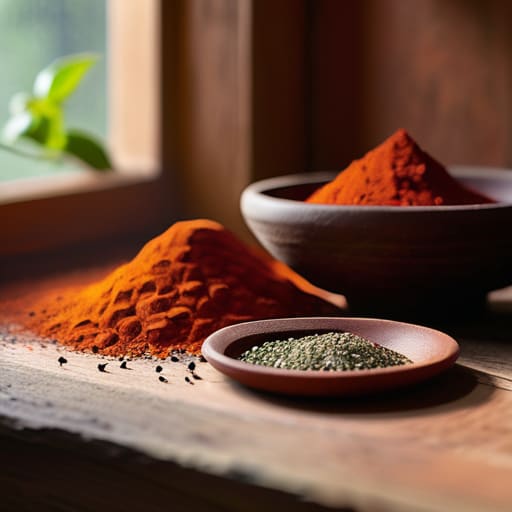
When I first stepped into the bustling spice markets of Marrakech, I realized that a spice rack isn’t just a collection of jars; it is a library of human history. To begin your own journey, you don’t need a thousand exotic powders, but rather a foundation of pantry staples for beginners that can bridge the gap between worlds. Start with the warm, grounding embrace of smoked paprika—reminiscent of the hearths in my childhood—and the sharp, bright clarity of dried oregano. These common kitchen herbs and spices act as the punctuation marks in your culinary sentences, providing the necessary structure before you begin to improvise with more complex notes.
As you build your collection, think of them as tools for character development in your dishes. For instance, when you are looking for the best spices for seasoning meat, a heavy hand of cumin and coriander can transport you to a sun-drenched Mediterranean courtyard, while black peppercorns provide that essential, biting soul. I always tell my students that flavor profiles for home cooking are best discovered through intuition rather than strict rules. Just remember, much like a well-loved vintage copper pot, your spices need care; knowing how to keep them tucked away from heat and light is the secret to ensuring their stories don’t fade into nothingness.
Pantry Staples for Beginners Building Your Culinary Foundation
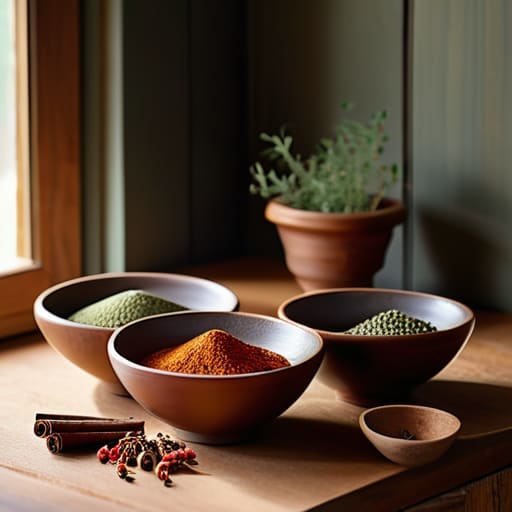
When I first moved into my own tiny apartment after Le Cordon Bleu, I felt a bit like a traveler without a compass. I realized that having a collection of pantry staples for beginners isn’t just about filling jars; it’s about building a library of possibilities. Think of these spices as the characters in your culinary novel. You don’t need a hundred exotic powders to start; you simply need the reliable protagonists like smoked paprika, cumin, and dried oregano. These are the common kitchen herbs and spices that bridge the gap between a simple meal and a dish that tells a story of sun-drenched hillsides or bustling spice routes.
As you begin to curate your collection, remember that even the most vibrant spice can lose its spirit if neglected. I often tell my students that how to store spices for freshness is just as vital as the quality of the spice itself. Keep them tucked away in a cool, dark corner—never right above the heat of the stove, where the steam might dampen their soul. By protecting their potency, you ensure that every pinch you release into a simmering pan carries the same magic as the day it left the market.
The Spice Alchemist’s Guide: Five Rituals for a Soulful Pantry
- Treat your spices like old friends, not mere supplies; store them in cool, dark places—ideally in glass jars that feel good in your hand—to ensure their vibrant stories don’t fade into dust.
- Don’t be afraid to toast your whole spices in a dry pan for a moment; hearing that gentle crackle and smelling the sudden bloom of aroma is like waking up a sleeping memory.
- Avoid the temptation of the “pre-ground” shortcut; while convenient, whole peppercorns or cumin seeds hold onto their essence much longer, much like a well-kept family secret.
- Learn the art of the “layering” technique, starting with your heavy hitters like cinnamon or cloves early in the simmer, and adding your delicate herbs toward the end to preserve their bright, fleeting notes.
- Trust your nose more than your measuring spoons; my nonna never used a scale, she used her senses, and I promise you, once you learn to cook by scent, you’ll never look at a recipe the same way again.
The Heartbeat of Your Kitchen
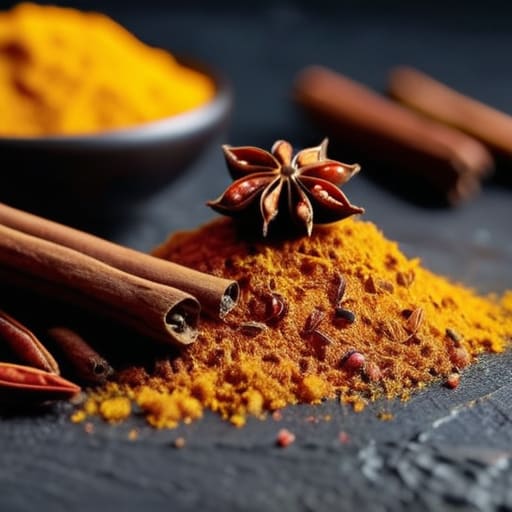
As we draw the curtain on this little exploration of the spice cabinet, remember that you aren’t just collecting jars of dust; you are gathering the building blocks of history. From the warming embrace of cinnamon to the sharp, bright punctuation of peppercorns, these staples are the tools that allow you to transition from a mere cook to a true culinary architect. We have laid the foundation—the essential resins, seeds, and barks that turn a simple, lonely ingredient into a symphony of flavor. By keeping these treasures within arm’s reach, you ensure that no matter how much time passes, your kitchen will always be ready to host a new story.
Ultimately, my dear friends, do not let the fear of a “wrong” combination keep you from the stovetop. I often think back to my nonna’s kitchen, where she would toss spices into a simmering pot with nothing but a feeling and a smile, trusting the soul of the ingredient to guide her. Cooking is a living, breathing dialogue between your heritage and your curiosity. So, go ahead—be a little daring, let the aromas fill your home, and remember that every pinch of spice is a tiny, fragrant bridge connecting you to the rest of the world. Happy storytelling!