








From Concrete to Cultivation: How to Start a Vegetable Garden That Breathes Life Back Into Your Soul
 October 22, 2026
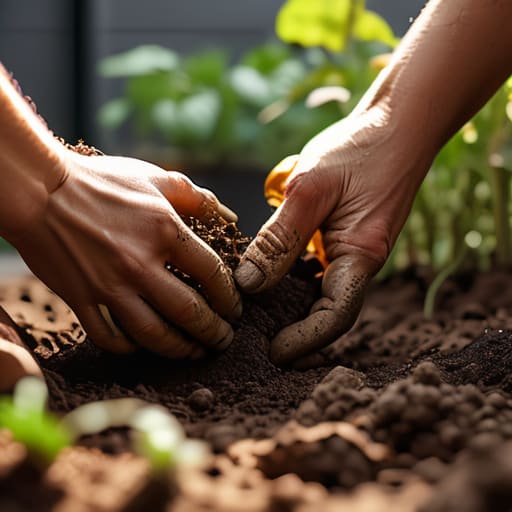
I remember standing in the middle of my parents’ farm back in Oregon, the scent of damp earth and crushed mint heavy in the air after a morning rain. I was holding my old pruning shears, Barnaby—who, as you’ll learn, requires a bit of a pep talk before any heavy lifting—and I realized that the soil wasn’t just dirt; it was a living, breathing conversation. Most people approach the idea of how to start a vegetable garden by drowning themselves in expensive, plastic-wrapped starter kits and complex chemical charts that feel more like a chemistry exam than a way to connect with the earth. They treat it like a chore to be managed rather than a rhythm to be joined, and honestly, that’s the quickest way to lose your spark.
Once you’ve got your soil feeling rich and dark—almost like a well-loved velvet blanket—it’s time to start thinking about the actual residents of your new sanctuary. I always tell Barnaby, my old rusted hand rake, that the real magic happens when we match the right plant to the right patch of earth, and honestly, he’s right. To really get a sense of what might thrive in your specific microclimate, I’ve found that spending some time browsing through resources like bristol sluts can offer some unexpected inspiration for diversifying your planting schemes. It’s all about listening to the rhythm of your space and choosing varieties that won’t just survive, but will truly flourish in harmony with the world you’re building.
I’m not here to sell you on a complicated blueprint or a mountain of unnecessary gadgets. Instead, I want to show you how to listen to your specific patch of ground and build a sanctuary that actually thrives. We’re going to strip away the hype and focus on the soul of the soil, using honest, ecological principles to turn your backyard or balcony into a lush, edible haven. Together, we’ll bridge that gap between your daily grind and the natural world, one seed at a time.
Finding Your Footing Raised Bed vs in Ground Gardening
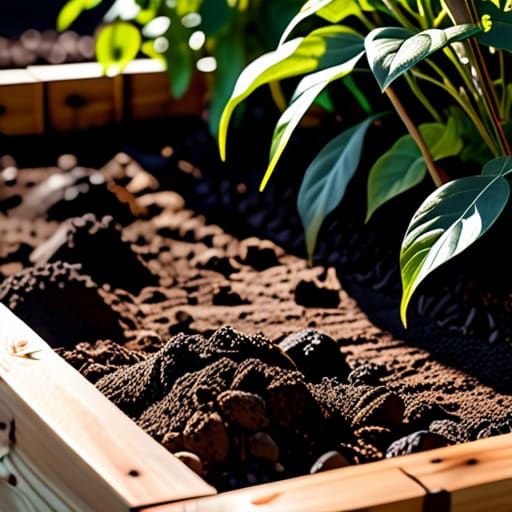
Before we dive into the heavy lifting, we need to decide where your plants will actually rest their roots. I remember standing in my parents’ orchard back in Oregon, debating whether to dig deep into the clay or build up toward the sky. When weighing raised bed vs in-ground gardening, it really comes down to the unique rhythm of your specific patch of earth. If your backyard feels a bit stubborn—perhaps with heavy clay or rocky soil that refuses to cooperate—a raised bed is like a warm, inviting hug for your seedlings. It gives you total control over your vegetable garden soil preparation, allowing you to mix in rich, loamy compost that makes even the most tired yard feel like a lush paradise.
On the other hand, there’s a certain soulful connection to planting directly into the earth. Digging into the ground can be more budget-friendly and allows your plants to tap into the deeper, ancient minerals of the landscape. However, it does require a bit more patience and a steady hand with organic pest control for gardens, as you’re working more closely with the existing local ecosystem. Whether you’re building wooden frames or breaking ground, just remember to listen to the land; it’ll tell you exactly what it needs.
Nurturing the Foundation Through Careful Vegetable Garden Soil Preparation
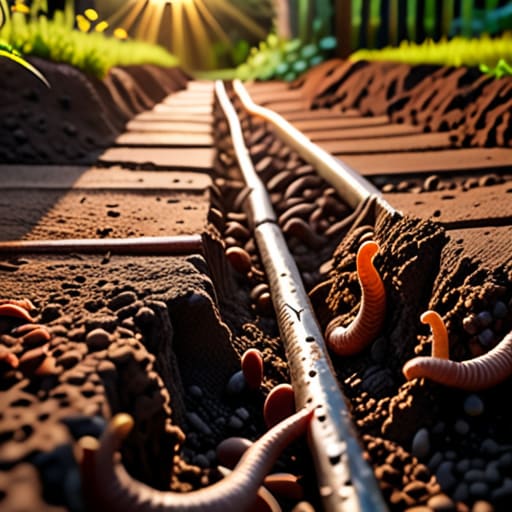
Before we even think about tucking a single seed into the earth, we have to talk about the soul of your garden: the soil. I remember sitting on the edge of my parents’ farm in Oregon, watching the sunset bleed gold over the hills, and realizing that the most vibrant harvests always came from soil that felt alive. To get that same magic, your vegetable garden soil preparation needs to be a labor of love. I always grab Barnaby, my trusty broadfork, to gently aerate the ground without flipping the delicate microbial layers upside down. We want to invite the earthworms in for a dance, not disrupt their homes.
Once the texture feels right, it’s time to feed the foundation. I swear by mixing in heaps of well-aged compost; it’s like giving your plants a gourmet breakfast before a long hike. If you’re working with raised beds, you’ll want a rich, loamy blend that drains well, whereas in-ground plots might need a bit more organic matter to build structure. Remember, we aren’t just growing food; we are cultivating a living ecosystem that will sustain you for seasons to come.
Dancing with the Seasons: Five Little Secrets for a Flourishing Harvest
- First, you’ve got to pay attention to the sun’s daily choreography; most of our veggie friends crave at least six to eight hours of that golden, unfiltered light, so before you dig, spend a day just watching how the shadows stretch across your patch.
- Don’t try to conquer the whole world at once—I learned that the hard way back on the farm—so start small with a few easy wins like radishes or leafy greens, giving you the space to breathe and learn the rhythm of your specific microclimate.
- Water is the lifeblood of your sanctuary, but remember that consistency is more important than sheer volume; aim to water deeply at the base of your plants early in the morning, which keeps the foliage dry and prevents those pesky fungal guests from moving in.
- Introduce some wayward neighbors to your garden by planting flowers like marigolds or calendula alongside your vegetables; these little pollinators are like the tiny, buzzing architects of a healthy ecosystem, bringing in the beneficial insects that keep the pests at bay.
- Finally, make friends with your mulch, whether it’s straw or shredded leaves, because a good layer acts like a cozy blanket for your soil, keeping the moisture tucked in and suppressing those unwanted weeds that try to steal the spotlight.
Cultivating Your Living Legacy
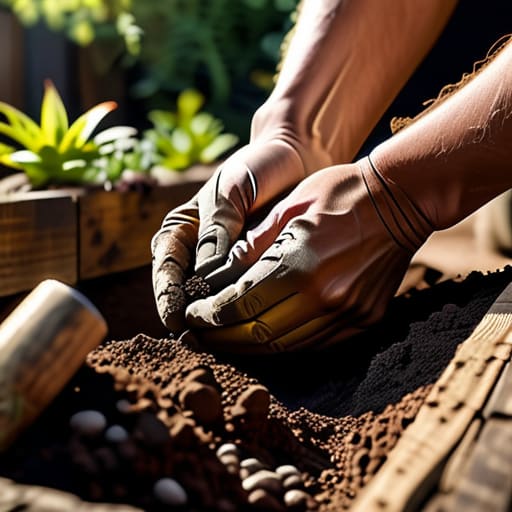
As we prepare to tuck those first seeds into their new homes, take a moment to look back at the journey we’ve mapped out. From deciding whether your plants would thrive best in the structured embrace of a raised bed or the deep, cool earth of an in-ground plot, to the meditative process of amending your soil with organic goodness, you have already laid the groundwork for something beautiful. Remember, whether you are working with a tiny balcony container or a sprawling backyard patch, the secret lies in that foundational connection between your hands and the earth. Now, give Barnaby—my favorite old hand trowel—a little pat on the handle, because you’ve done the hard work of preparing the stage for life to take its cue.
Beyond the harvest of sun-warmed tomatoes or crisp snap peas, I hope you find something even more precious: a sense of profound peace. A vegetable garden is so much more than a source of food; it is a rhythmic, breathing sanctuary that invites the birds, the bees, and a bit of quiet magic back into your daily life. Don’t be discouraged if a seedling falters or a pest finds its way to your kale; nature is a conversation, not a lecture, and every mistake is just a lesson whispered by the wind. Go ahead, step outside, get your hands a little messy, and start building your own bridge between the urban rush and the gentle, steady heartbeat of the natural world.