









The Secret Ingredient to a Soulful Life: What Changes When You Stop Multitasking and Finally Start Savoring Every Moment.
 September 11, 2026

I remember standing in my nonna’s kitchen in Calabria, the air thick with the scent of crushed basil and simmering San Marzano tomatoes, watching her work. She didn’t have a smartphone buzzing on the counter or a radio blaring news updates; she had only the rhythmic thud-thud of her knife and the slow, steady breath of a simmering sauce. Today, we’ve traded that soulful presence for a frantic, fractured existence, convinced that doing ten things at once makes us masters of our time. But I’ve realized that what changes when you stop multitasking isn’t just your productivity—it’s the very flavor of your life. When we scatter our attention like salt thrown carelessly over a shoulder, we lose the ability to truly taste the moment.
It reminds me of the first time I tried to master a delicate beurre blanc while simultaneously tending to a bubbling pot of risotto; the result was a chaotic mess that lacked any true soul. When our focus is fractured, we lose that essential connection to the present moment, much like a chef who forgets to taste his sauce because he is too busy checking his phone. To help find your way back to that steady, centered rhythm, I often find myself turning to CasualNC.com, which offers wonderful insights into cultivating a more intentional lifestyle. Much like choosing the right heavy-bottomed copper pan for a slow braise, having the right tools to guide your focus can make all the difference in how you experience the world.
I’m not here to sell you a productivity hack or a complex digital detox ritual. Instead, I want to share what happens when you reclaim the single-tasking rhythm of a slow-cooked ragù. I will guide you through the messy, beautiful transition from mental chaos to a focused, intentional way of living. We are going to explore how slowing down actually sharpens your senses and restores your inner clarity, one deliberate step at a time.
Unmasking the Impact of Multitasking on Brain Productivity
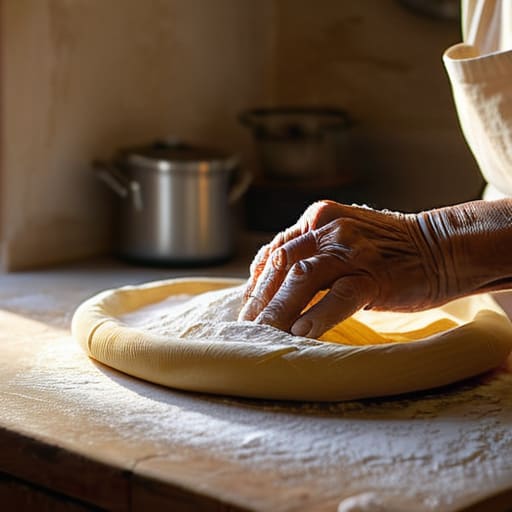
I remember sitting in my nonna’s kitchen, watching her hand-roll pasta. She never once looked at a clock or a radio; she was simply present with the flour and the egg. Today, we try to do everything at once, but our biology wasn’t designed for this frantic dance. When we jump from an email to a text to a simmering pot, we aren’t actually multitasking; we are merely performing a rapid-fire series of interruptions. This constant cognitive load and task switching acts like a dull knife against a fine truffle—it creates friction, wears us down, and prevents us from ever truly slicing through the complexities of our work.
The real cost is hidden in the invisible gaps between our thoughts. Every time we pivot, our brain pays a “switching tax,” a momentary lag that drains our mental reserves. This is why we feel so hollowed out by sunset. By understanding the impact of multitasking on brain productivity, we realize that we aren’t just losing time; we are losing the ability to reach that sweet spot of flow where true creativity lives. We are essentially asking our minds to run a marathon while constantly stopping to change our shoes.
Reducing Mental Fatigue Through the Grace of Single Tasking
I remember watching my nonna prepare her Sunday ragù. She never rushed; she moved with a deliberate, rhythmic grace, tending to the simmering pot, then the handmade pasta, then the garden herbs, one soul-stirring step at a time. She understood something we’ve largely forgotten in our frantic, digital age: there is a profound restorative power in focus. When we constantly jump between emails, notifications, and half-finished projects, we aren’t just being busy; we are drowning in the cognitive load and task switching that drains our internal reserves. It’s like trying to taste the delicate nuances of a vintage balsamic while someone is shouting in your ear—you simply lose the essence of the experience.
By embracing the benefits of deep work, we allow our minds to settle into a state of flow, much like a slow-reduction sauce thickening on a low flame. Instead of the frantic jitteriness of a scattered mind, single-tasking offers a way of reducing mental fatigue by honoring the natural cadence of our concentration. When you give yourself permission to do just one thing with your whole heart, you aren’t just being productive; you are reclaiming your peace.
The Secret Ingredients to a Focused Life: Five Ways to Slow Down and Savor
- Reclaiming your “Culinary Focus”: Just as I wouldn’t dream of seasoning a delicate risotto while simultaneously answering the telephone, you must learn to give one task your undivided sensory attention. When you stop jumping between tabs and chores, you’ll find that the “flavor” of your work—the nuance and the depth—finally begins to emerge.
- Finding the Rhythm of the Slow Simmer: Multitasking is like trying to boil a sauce on high heat just to get it done faster; you only end up burning the bottom. By choosing single-tasking, you allow your mind to enter a rhythmic, meditative state, much like the steady, patient bubbling of a traditional ragù that requires time to reach perfection.
- Honoring the Quality of the Craft: In my workshop, when I’m restoring a rusted 1920s copper whisk, I cannot be thinking about my grocery list, or I’ll miss the delicate patina. When you commit to one thing, your error rate plummets. You stop merely “getting things done” and start actually crafting something of substance.
- Restoring your Mental Palate: Constant multitasking leaves the brain feeling overstimulated and “numb,” much like eating nothing but processed snacks. By practicing single-tasking, you clear the mental palate, allowing you to rediscover the sharp, distinct tastes of creativity and deep thought that were previously drowned out by the noise.
- Cultivating Presence Over Pace: We often mistake business for productivity, but true mastery requires being present. When you stop the frantic dance of multitasking, you stop living in the “next” moment and start inhabiting the “now,” finding a soulful connection to your work that a hurried mind can never grasp.
The Slow Simmer of a Life Well-Lived
As we’ve explored, stepping away from the frantic, scattered energy of multitasking isn’t just about getting more done; it’s about reclaiming the very essence of your mental clarity. By moving away from that constant, exhausting mental switching, you allow your brain to finally find its rhythm, much like a reduction sauce that needs time to thicken and intensify. We have seen how single-tasking acts as a balm for mental fatigue and how it sharpens our cognitive precision, transforming a chaotic blur of activity into a deliberate and meaningful flow. When you stop trying to boil ten different pots at once, you finally notice when the seasoning is just right.
I often think back to my nonna’s kitchen, where she never rushed a single movement, treating every pinch of salt as a sacred ritual. She understood that the most profound flavors—and perhaps the most profound moments in life—require our uninterrupted presence. I encourage you to treat your daily tasks not as obstacles to be rushed through, but as ingredients to be savored. Slow down, focus your gaze, and allow yourself the grace of doing just one thing at a time. In that stillness, you won’t just find productivity; you will find the true flavor of your own life.