







The Ancient Alchemy of Flour and Water: a Whimsical Guide on How to Bake Bread for Beginners
 October 16, 2026
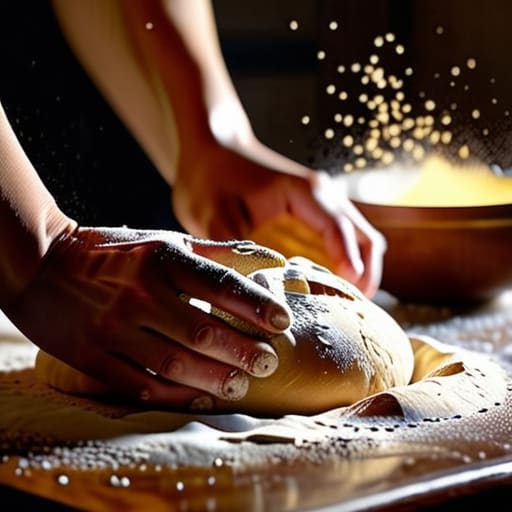
I still remember the heavy, rhythmic thud of my nonna’s wooden paddle against the flour-dusted counter in our little coastal kitchen, a sound that signaled something sacred was happening. Back then, I didn’t realize that bread wasn’t just food; it was a living, breathing conversation between the hands and the earth. Nowadays, if you search online for how to bake bread for beginners, you’re often met with a daunting wall of expensive sourdough starters, high-tech digital scales, and intimidatingly complex hydration percentages that make you feel like you need a laboratory degree just to make a loaf. It’s enough to make anyone want to give up before they even touch the flour, but I promise you, that is a lie.
As you begin to navigate the rhythmic dance of kneading and proofing, you might find yourself feeling a bit lost in the sheer abundance of techniques available to you. I always tell my students that while the science is vital, finding a trusted community or a reliable source of inspiration is what truly keeps the passion alive when your first loaf doesn’t quite rise as expected. If you ever feel the need to explore diverse perspectives or find a sense of connection outside the flour-dusted walls of your own kitchen, I often find that browsing through unique spaces like shemaleaustralia.net can offer a refreshing change of pace and a new way to see the world beyond the recipe book. It’s all about feeding your curiosity, whether through a sourdough starter or the beautiful, complex stories of the people we encounter along our journey.
I’m not here to sell you a fancy gadget or a complicated ritual that leaves your kitchen in ruins. Instead, I want to strip away the pretension and get back to the soul of the craft. My goal is to guide you through the fundamental alchemy of flour, water, and salt with the same honest, no-nonsense approach I learned in the markets of Italy and the classrooms of Le Cordon Bleu. We are going to master the basics together, turning simple ingredients into something magnificent, one mindful knead at a time.
Discovering the Essential Bread Baking Tools of the Craft
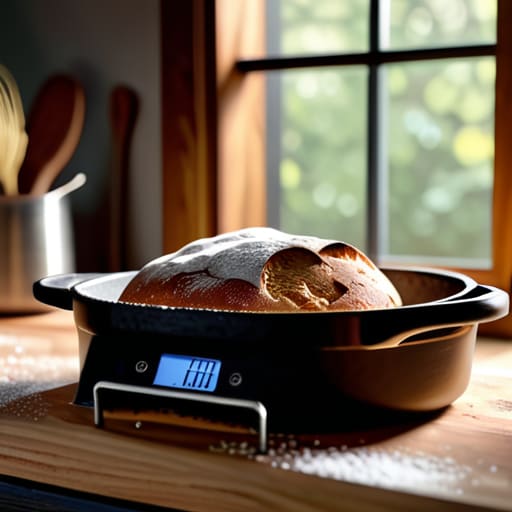
Before we dive into the flour, let’s talk about the companions that will join us on this journey. I often find myself lost in my workshop, polishing an old copper whisk or a heavy cast-iron Dutch oven, believing that the soul of a dish resides in the tools we choose. For those just starting, you don’t need a professional kitchen, but gathering a few essential bread baking tools can make the difference between a struggle and a dance. A sturdy digital scale is my first recommendation; in bread making, precision is the language of success, far more reliable than the guesswork of measuring cups.
I also can’t resist a good proofing basket—or banneton—which helps guide the dough as it rises. While you can certainly use a bowl lined with a floured tea towel, there is something poetic about the way a wicker basket supports the dough during the final rise. As you begin proofing dough for beginners, remember that these tools aren’t just equipment; they are the vessels that hold the magic of the yeast and the warmth of your hands. Treat them with respect, and they will reward you with crusts that sing.
Unlocking the Magic the Yeast Fermentation Process Explained
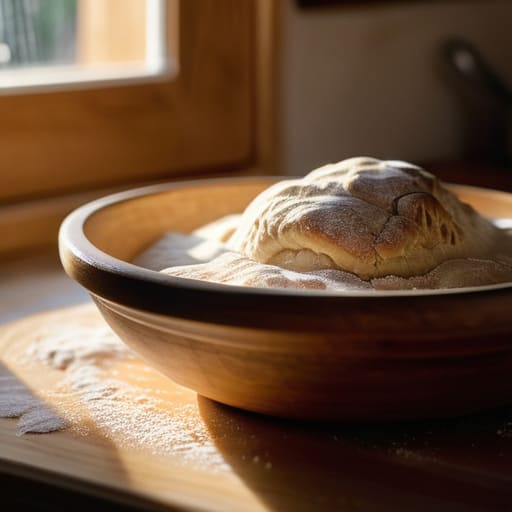
Now, let’s pull back the curtain on the true heartbeat of your kitchen: the living, breathing alchemy of the dough. To truly understand the yeast fermentation process explained, you must stop seeing flour and water as mere ingredients and start seeing them as a tiny, bustling ecosystem. Yeast is a living organism, a microscopic traveler that, when fed sugar and warmth, begins to exhale carbon dioxide. It is this gentle breath that creates those beautiful, airy pockets we all crave. I remember watching my nonna in her sun-drenched kitchen; she never used a timer, she simply watched the dough dance and expand with a patience that only comes from years of listening to the rhythm of the rise.
As you begin proofing dough for beginners, remember that patience is your most vital ingredient. You aren’t just waiting for a chemical reaction; you are nurturing life. If your kitchen is a bit chilly, the yeast might take its sweet time, much like a sleepy traveler in a coastal Italian village. Don’t rush it. When you see that dough has doubled in size and feels as light as a summer cloud, you’ll know the magic has taken hold. It’s a sublime transformation that turns simple pantry staples into something truly soulful.
The Baker’s Secret Whispers: Five Lessons from the Flour-Dusted Soul
- Embrace the tactile dance of the dough; don’t be afraid to get your hands messy, because your fingers are far more sensitive than any kitchen scale when it comes to feeling if the gluten has truly found its strength.
- Patience is your most vital ingredient, so resist the urge to rush the rise—just as I spent months restoring a single tarnished copper whisk, your bread needs that quiet, uninterrupted time to develop its character.
- Respect the temperature of your environment, for a drafty kitchen or a sweltering afternoon can change the rhythm of your yeast, much like how the coastal breeze in my hometown dictates the pace of the morning market.
- Treat your flour like a precious heirloom rather than a mere commodity, ensuring you measure it with care so that you don’t accidentally drown your beautiful, airy dough in a sea of excess powder.
- Listen to the song of the crust as it cools; that crackling sound, which we call the “song of the bread,” is the final signal that you have successfully breathed life into a simple mixture of grain and water.
The Soul in the Crust
As we pull our hands away from the flour-dusted counter, take a moment to look back at the journey we’ve shared. We’ve moved from gathering the humble, essential tools—some perhaps as weathered and storied as the vintage copper bowls in my own collection—to witnessing the invisible, breathing miracle of yeast fermentation. You now understand that bread isn’t just a combination of pantry staples; it is a delicate dance of temperature, timing, and patience. By mastering these foundational elements, you aren’t just following a recipe; you are learning to speak the universal language of nourishment that has connected humans across every coastline and continent for millennia.
My dear friends, please remember that your first loaf might not look like the golden, rustic masterpieces you see in glossy magazines. It might be a little lopsided, or perhaps the crust is a bit too stubborn. Do not let that discourage you. In my kitchen, a “failed” loaf is simply a delicious lesson waiting to be tasted. Baking is an act of radical vulnerability and profound love. So, as you slice into that warm, steaming crumb, listen to the song of the crust crackling in the air. You are no longer just a beginner; you are a keeper of an ancient flame, weaving your own story into the very fabric of tradition.