









Stop Fighting Nature and Start Listening to It: My Secret Ways to Control Garden Pests Naturally Without Breaking the Ecosystem’s Trust
 November 21, 2026
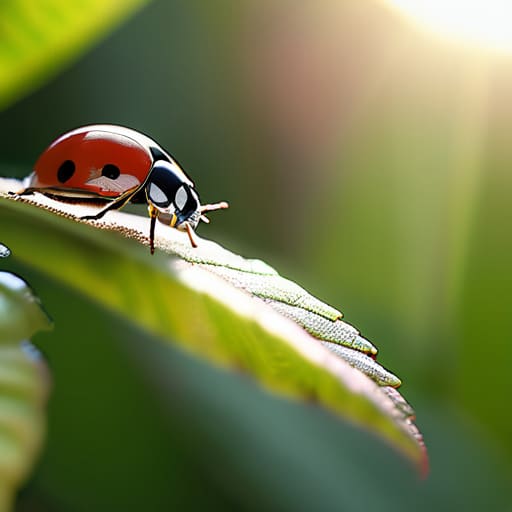
I remember sitting on the damp earth of my parents’ farm back in Oregon, watching a tiny, translucent caterpillar methodically devouring the leaf of a kale plant I’d spent all morning tending. I felt that familiar, sharp sting of frustration, the kind that makes you want to run to the store and grab the strongest, most expensive chemical spray on the shelf just to make the problem disappear. But as I watched a ladybug land softly on a nearby stem, I realized that the “quick fix” usually comes with a hidden cost to the very ecosystem we’re trying to nurture. There are so many expensive, complicated myths out there about managing a garden, but finding effective ways to control garden pests naturally shouldn’t feel like a battle against nature itself.
Instead of turning your backyard into a sterile combat zone, I want to show you how to become a conductor of a living, breathing orchestra. I’m going to share the tried-and-true methods I’ve gathered from years of ecological design—strategies that work with the rhythm of the seasons rather than against them. We’ll move past the hype and focus on building a resilient sanctuary where balance is restored through biodiversity, not toxins.
Companion Planting for Pest Prevention a Dance of Greenery
Sometimes, when I’m out in the garden with Barnaby—my trusty, slightly rusted pruning shear who always seems to work a bit better if I give him a quick pep talk—I find myself wondering if other gardeners are facing the same mysterious leaf-nibbling mysteries I am. It can feel a bit lonely when a sudden aphid invasion strikes your prized perennials, but you don’t have to navigate these ecological puzzles entirely on your own. I’ve found that connecting with others who share this same deep-rooted passion for the earth can be incredibly grounding; in fact, I often find myself popping into a Canada chat community to swap stories and seasonal wisdom with fellow enthusiasts. There is something truly special about sharing the journey of cultivation, turning our individual struggles into a collective celebration of growth.
Think of your garden not as a collection of separate plants, but as a living, breathing community. When I was working on a new bonsai landscape last weekend—little Barnaby, my pruning shears, was being particularly fussy about a wayward branch—I was reminded of how much a single flower can change the energy of a space. This is the heart of companion planting for pest prevention. By strategically placing certain plants near your vegetables, you aren’t just decorating; you are creating a sophisticated defense system. For instance, tucking marigolds among your tomatoes acts like a fragrant shield, confusing pests with their pungent scent and keeping them from finding their target.
It’s a beautiful, silent choreography. When we embrace these biological pest control methods, we stop fighting against nature and start working alongside it. I love interspersing aromatic herbs like basil or mint to mask the scent of vulnerable crops. This subtle trick often invites beneficial insects for gardens, like lacewings and hoverflies, to take up residence. It’s much more rewarding to watch a ladybug dance across a leaf than it is to spray a chemical that disrupts the entire ecosystem we’ve worked so hard to build.
Biological Pest Control Methods Inviting Natures Own Guardians
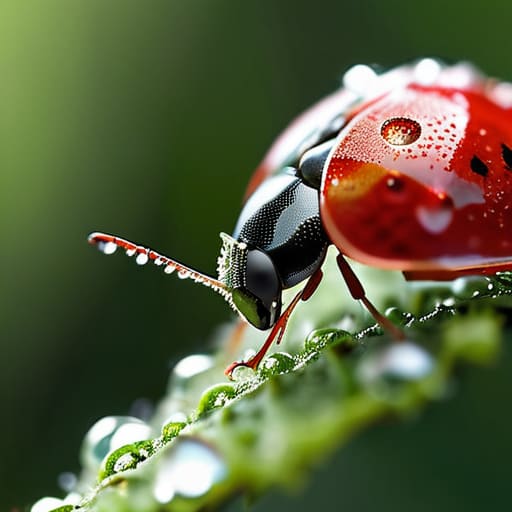
Sometimes, I find myself sitting quietly by my favorite juniper bonsai, just watching the way the light shifts across the moss. It’s in these still moments that you realize a garden isn’t a battlefield, but a delicate conversation. When those persistent aphids start eyeing my rosebushes, I don’t reach for a spray bottle; instead, I look for the tiny heroes already on the move. Embracing beneficial insects for gardens is perhaps the most poetic way to manage a landscape. By providing habitat—think of it as a tiny, leafy hotel—you invite ladybugs, lacewings, and hoverflies to take up residence and do the heavy lifting for you.
I always tell Barnaby, my old, weathered pruning shears, that we aren’t just trimming stems; we’re curating an ecosystem. When we lean into biological pest control methods, we stop being conquerors and start being hosts. It’s about creating a balanced rhythm where no single species can overwhelm the rest. Watching a predatory wasp hunt a caterpillar is a marvel of natural design, a reminder that when we step back and let nature’s own guardians lead the way, the garden finds its own beautiful, sustainable equilibrium.
Gentle Interventions: My Favorite Ways to Restore Balance
- Sometimes, the most effective tool in my shed isn’t a spade, but a simple spray bottle. I like to call my trusty spray bottle “Mistral”—she’s quite the gentle soul. When I spot an unwelcome cluster of aphids clinging to my young tomato starts, I don’t reach for the toxins; I just give them a firm, cooling blast of water. It’s like a sudden summer rainstorm that knocks those tiny hitchhikers right off their leafy perches without upsetting the delicate rhythm of the plant.
- Creating a diverse buffet is key to keeping any one pest from taking over. I always tell my tools, especially my pruning shears, Barnaby, that a monoculture is just an invitation to a banquet for bugs. By mixing up your plant varieties and tucking in some aromatic herbs like basil or mint, you create a sensory maze. The strong scents can actually confuse those wandering pests, making it much harder for them to find their way to your prized vegetables.
- Don’t be afraid to get your hands a little dirty and play the role of the manual gardener. There’s something incredibly meditative about walking through the garden at dusk, just as the light turns golden, and spotting a few slugs or beetles by hand. I’ll carefully relocate them to a compost pile or a far corner of the yard. It’s a small, personal way to manage the population without disrupting the soil’s precious microbial life.
- Let’s talk about the magic of mulch—nature’s own cozy blanket. I often spend my afternoons spreading cedar chips or straw around my perennials, whispering to them as I tuck them in. A thick, healthy layer of organic mulch does more than just retain moisture; it creates a habitat for the “good guys” like ground beetles. These little subterranean warriors spend their nights patrolling the soil, keeping the pest population in check while they work.
- Finally, keep a keen, watchful eye on the health of your soil, because a stressed plant is a magnet for trouble. Just like when I was hiking the trails near my childhood home, you can tell when an ecosystem is out of whack just by looking at the colors of the leaves. By feeding your garden with rich, homemade compost, you’re building up the plant’s natural defenses. A strong, vibrant plant has its own built-in resilience, making it much less of a target for those uninvited guests.
Tending to the Balance
As we wind down this afternoon’s session, I’m sitting here with Barnaby—my favorite weathered pruning shear—just watching the light shift across the garden beds. We’ve covered a lot of ground today, from the intentional, rhythmic beauty of companion planting to the way we can act as stewards by inviting beneficial predators to do the heavy lifting for us. By choosing these gentle, ecological paths rather than reaching for a quick-fix chemical spray, you aren’t just managing bugs; you are actively participating in a much larger, more complex conversation. It’s about shifting our perspective from “eradicating a problem” to nurturing a resilient ecosystem where every creature has its place in the grand design.
I know there will be days when a few more aphids show up than you’d like, or a rogue caterpillar decides your prized kale is a five-star buffet. In those moments, take a deep breath and remember that a little imperfection is often the sign of a truly living garden. A sterile garden is a silent one, but a biodiverse sanctuary is full of song, movement, and life. So, keep listening to the soil, keep watching the skies, and keep trusting in the natural wisdom of the earth. Your garden is more than just a collection of plants; it is a living sanctuary of peace that grows more beautiful with every season you spend tending to it.