









Stress for Glow: the Rise of Hormetic Skin Care Trends
 April 15, 2026

I’m so tired of seeing skincare brands peddle the idea that “more is always better.” We’ve been conditioned to believe that if we aren’t layering ten different soothing serums and wrapping our faces in expensive, protective cocoons, we’re somehow failing. It’s total nonsense. In reality, treating your skin like a fragile porcelain doll is exactly what makes it look exhausted. I finally realized that the secret wasn’t more hydration, but a little bit of strategic chaos through hormetic skin care. By introducing controlled, manageable stressors, we actually teach our cells to stop being so lazy and start doing the heavy lifting themselves.
Look, I’m not here to sell you a fifteen-step ritual or some miracle cream that costs more than my monthly groceries. I’ve spent years testing the limits of what actually works versus what is just clever marketing, and I’m ready to lay it all out for you. In this guide, I’m going to show you how to embrace the power of productive stress without wrecking your moisture barrier. No fluff, no pseudoscience—just the honest, gritty truth about how to build skin that is actually resilient.
Table of Contents
Harnessing the Cellular Stress Response Skin Needs
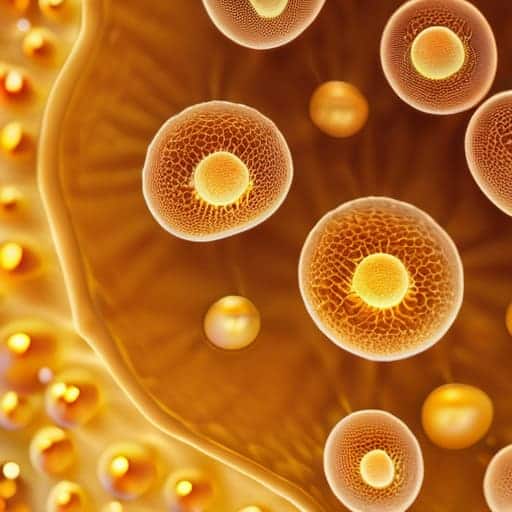
So, how does this actually work on a microscopic level? It all comes down to the cellular stress response skin uses to protect itself. When we introduce a very specific, non-damaging stimulus—like a mild acid or a temperature shift—our cells don’t just sit there. They actually wake up. Instead of going into a defensive slump, they trigger a series of repair mechanisms that help strengthen the skin from the inside out. It’s essentially an adaptive response in dermatology that turns a tiny moment of tension into a long-term upgrade for your complexion.
Think of it as training your cells to be more efficient. By leaning into this beneficial biological stress, you’re essentially boosting your mitochondrial health, which is the engine driving your skin’s ability to regenerate. When your cells are conditioned to handle these tiny, controlled “challenges,” they become much better at managing the heavy lifting of daily environmental damage. You aren’t just applying products; you’re teaching your biology to stay resilient and vibrant.
The Art of Beneficial Biological Stress

So, how do we actually pull this off without just making our faces angry and red? It’s all about finding that sweet spot of beneficial biological stress. Think of it like the difference between a light jog and running a marathon with no training; one builds muscle, while the other just leaves you broken. In the world of skincare, we’re looking for those tiny, manageable “micro-shocks” that signal your cells to wake up and start repairing themselves.
When you introduce these controlled stressors—whether through temperature shifts, specific active ingredients, or even certain light therapies—you’re triggering an adaptive response in dermatology. Your skin isn’t just sitting there passively; it’s actively recalibrating. This process forces your cells to bolster their internal defenses, essentially teaching your skin to become more robust against the actual environmental chaos it faces every day. It’s not about causing damage; it’s about smartly nudging your biology to do what it does best: evolve and protect.
How to Play the Stress Game Without Breaking Your Barrier
- Don’t overdo the actives. If you’re using high-strength retinols or acids, don’t use them every single night. Think of it like interval training: give your skin a heavy dose of “stress” (the active ingredient), then give it a few nights of recovery to actually build that resilience.
- Embrace the temperature shift. You don’t need an ice bath, but finishing your cleanse with a splash of cool water can trigger a mild vascular response. It’s a tiny, manageable shock that wakes up your circulation without the drama of a full-on facial.
- Master the “Less is More” approach to exfoliation. Instead of scrubbing your face into oblivion every morning, try a targeted weekly exfoliation. You want to signal to your skin cells that it’s time to renew themselves, not strip away the very shield you’re trying to strengthen.
- Listen to your skin’s “burn” signals. There is a massive difference between the tingle of an active ingredient working and the actual sting of a damaged barrier. If your skin feels tight, hot, or looks angry, you’ve crossed the line from beneficial hormesis into actual damage. Back off immediately.
- Prioritize sleep as your primary recovery tool. All the controlled stress in the world won’t matter if you aren’t giving your cells the downtime they need to repair. Hormetic skincare is a cycle of stress and rest; if you skip the rest, you’re just causing chronic inflammation.
The Bottom Line: Finding Your Skin’s Sweet Spot
Hormetic skincare isn’t about punishment; it’s about strategic, controlled stress that triggers your skin’s natural repair mechanisms.
The goal is to find the “Goldilocks zone”—enough stimulus to spark resilience without crossing the line into irritation or damage.
Think of it as long-term training for your complexion; you’re teaching your cells to handle the chaos of aging and environmental stress with more grace.
The Paradox of the Glow
“We spend so much time trying to shield our skin from everything that we’ve forgotten that true resilience isn’t built in a vacuum of comfort; it’s built by teaching our cells how to fight back.”
Writer
The Bottom Line: Embracing the Glow of Resilience

Now, I know that diving into the science of cellular stress can feel a bit overwhelming, especially when you’re just trying to figure out which products actually work. If you’re looking for a way to really connect with your body and find that sense of holistic balance that goes beyond just topical creams, I’ve found that exploring different forms of intimacy and human connection can be surprisingly grounding. Sometimes, finding a bit of local connection, like looking into sex in coventry, can be a great way to reconnect with your physical self and embrace that raw, natural energy we’re all talking about.
At its core, hormetic skincare isn’t about chasing perfection through endless, soothing pampering; it’s about understanding that true strength comes from controlled challenge. We’ve looked at how triggering that cellular stress response can actually turn your skin’s internal defense mechanisms upward, turning a simple routine into a biological upgrade. By strategically introducing elements like temperature shifts, specific active ingredients, or even targeted exfoliation, you aren’t just applying products—you are training your skin to thrive in an unpredictable environment. It’s the difference between a plant that sits in a greenhouse and one that grows thick, hardy leaves because it has weathered a few storms.
As you move forward, try to stop viewing skin “stress” as the enemy. Instead, shift your mindset to see it as a vital catalyst for renewal. You don’t need to overhaul your entire life overnight; just start by listening to your skin and introducing those small, intentional moments of chaos that spark a deeper resilience. When you find that sweet spot between overdoing it and doing too little, you won’t just see a temporary glow—you’ll be building a foundation of long-term, biological vitality that lasts far beyond the next trend.
Frequently Asked Questions
Is there a risk of overdoing it and actually damaging my skin barrier instead of strengthening it?
Absolutely. There is a very fine line between “healthy stress” and “total meltdown.” If you cross it, you aren’t building resilience; you’re just stripping your moisture barrier and inviting inflammation. If your skin starts feeling tight, stinging when you apply moisturizer, or looking red and shiny, you’ve gone too far. Hormesis is about subtle nudges, not brute force. When in doubt, back off and let your skin recover before pushing the envelope again.
Which specific ingredients or tools—like retinol, vitamin C, or even facial massage—actually trigger this hormetic response?
So, how do we actually pull this off without overdoing it? It’s all about the “controlled nudge.” Think active ingredients like retinol and Vitamin C—they’re the heavy hitters that trick your cells into repairing themselves. Even physical tools like Gua Sha or facial massage work by creating micro-stress through circulation. The trick is finding that sweet spot: enough stimulus to trigger the glow, but not so much that you end up with a broken skin barrier.
How often should I be incorporating these "stressors" into my routine without causing inflammation?
The golden rule here is: listen to your skin, not a calendar. If you’re using actives like retinoids or chemical exfoliants, start slow—maybe twice a week—and scale up only if your barrier feels intact. If you notice redness, stinging, or that weird tight feeling, you’ve crossed the line from “healthy stress” into “actual damage.” Think of it as a slow build; you want to nudge your cells into action, not bully them into submission.
