









How to Baby-proof Your Nursery: a Step-by-step Guide
 April 13, 2026
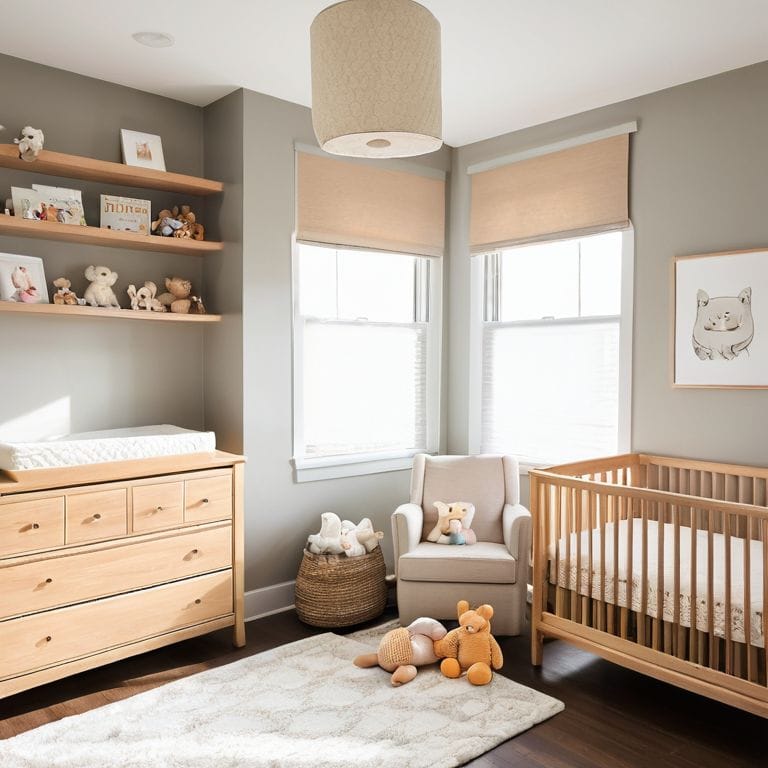
As I sit in my workshop, surrounded by the gentle curves of vintage furniture, I’m reminded of the countless hours I spent watching my grandfather meticulously restore old pieces to their former glory. It’s this same attention to detail that I believe is often missing from the process of baby-proofing nursery. So many parents are led to believe that creating a safe space for their little ones means sacrificing style and character, but I’m here to tell you that this simply isn’t true. In fact, with a little creativity, you can create a nursery that is both safe and beautiful, a space that honors the past while embracing the promise of the future.
In this article, I’ll share my personal approach to baby-proofing nursery, one that blends practical advice with a deep respect for the aesthetic appeal of vintage design. You’ll learn how to identify potential hazards, how to choose furniture that is both safe and stylish, and how to create a space that is truly timeless. My goal is to empower you with the knowledge and inspiration you need to create a nursery that is not only a sanctuary for your child, but also a reflection of your own unique style and personality. By the end of this guide, you’ll be equipped with the tools and confidence to create a space that is both safe and beautiful, a true haven for your little one to grow and thrive.
Table of Contents
- Guide Overview: What You'll Need
- Step-by-Step Instructions
- Baby Proofing Nursery Harmony
- Weaving Safety into Vintage Charm: 5 Essential Tips for Baby-Proofing Your Nursery
- Timeless Nursery Essentials: 3 Key Takeaways
- A Timeless Approach to Safety
- Creating a Sanctuary for Tomorrow
- Frequently Asked Questions
Guide Overview: What You'll Need
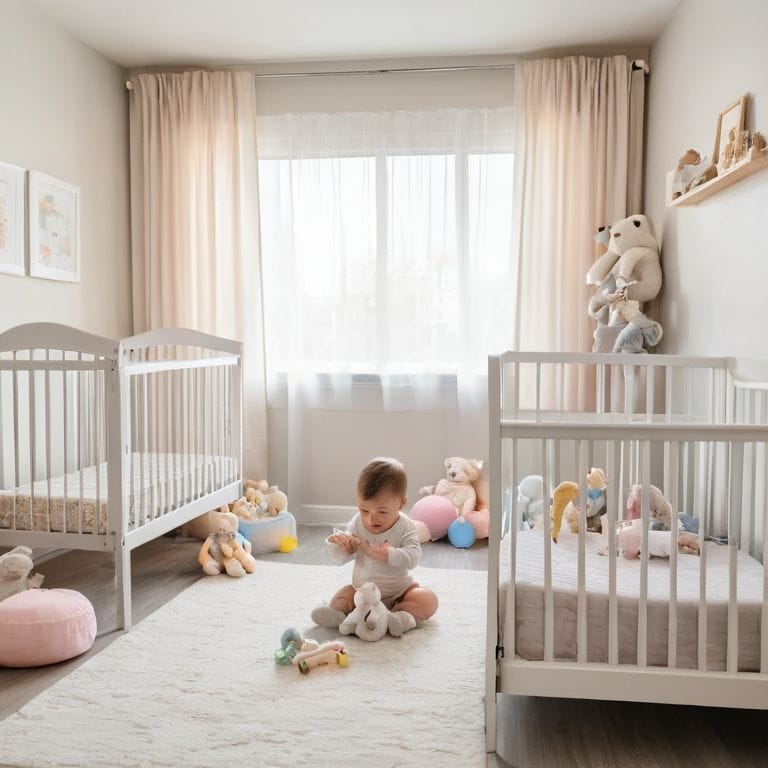
Total Time: 2 hours 30 minutes
Estimated Cost: $50 – $100
Difficulty Level: Intermediate
Tools Required
- Drill (with screwdriver bits)
- Utility Knife (with extra blades)
- Tape Measure (for measuring furniture and walls)
- Level (for ensuring secure installations)
- Screwdriver (for tightening screws)
- Pliers (for gripping small items)
Supplies & Materials
- Corner Protectors (for protecting against sharp edges)
- Outlet Covers (for electrical outlet safety)
- Cabinet Locks (for securing cabinets and drawers)
- Window Guards (for preventing window falls)
- Non-Slip Mats (for placing under rugs to prevent slipping)
- 2-in x 4-in lumber (for creating custom safety barriers)
- Safety Gates (for restricting access to certain areas)
Step-by-Step Instructions
- 1. First, I like to start by assessing the nursery as a whole, taking note of any potential hazards that could pose a risk to my little client. This includes checking for any loose wires, sharp edges, or heavy furniture that could tip over. As I always say, a safe space is a happy space, and it’s essential to get this right from the outset.
- 2. Next, I focus on securing any heavy furniture or appliances to the walls using anti-tip brackets or straps. This is a crucial step in preventing accidents, and I make sure to double-check that everything is properly anchored. I recall my grandfather telling me about the importance of stability in furniture, and how it’s not just about aesthetics, but also about safety and functionality.
- 3. Now, it’s time to tackle the electrical outlets and switches. I install tamper-resistant outlet covers to prevent little fingers from inserting objects, and I also make sure that all cords and wires are securely fastened to the walls or baseboards. This is where my experience with restoring vintage furniture comes in handy, as I know how to integrate modern safety features into a space while maintaining its classic charm.
- 4. The next step is to address the windows and doors. I install window guards or stops to prevent the windows from opening more than a few inches, and I also make sure that all doors are equipped with soft-close hinges and secure locks. As I work, I think about the stories that these old windows and doors could tell, and how I’m helping to write a new chapter in their history by making them safe for a new generation.
- 5. Moving on to the floors and surfaces, I ensure that all rugs are securely fastened to the floor to prevent slipping, and I also apply a non-slip coating to any smooth surfaces. This is where my passion for restoring vintage furniture really comes into play, as I love finding creative ways to repurpose old pieces and make them safe and functional for modern families. I’ve even been known to name a few of my favorite pieces after famous historical figures, like my beloved “Marie Antoinette” armchair, which now sits proudly in a beautifully baby-proofed nursery.
- 6. Another critical step is to organize and secure any toys, books, or other objects that could pose a choking hazard or become a tripping hazard. I use baskets, bins, and other storage containers to keep these items out of reach, and I also make sure that all shelves and bookcases are securely anchored to the walls. As I work, I think about the future memories that will be made in this space, and how I’m helping to create a safe and nurturing environment for a little one to grow and thrive.
- 7. Finally, I take a step back and evaluate the nursery as a whole, making sure that every aspect of the space has been considered and addressed. I check for any hidden dangers, such as sharp corners or unsecured furniture, and I make any necessary adjustments to ensure that the space is truly baby-proof. It’s a meticulous process, but one that I believe is essential in creating a space that is both beautiful and safe for my clients.
Baby Proofing Nursery Harmony
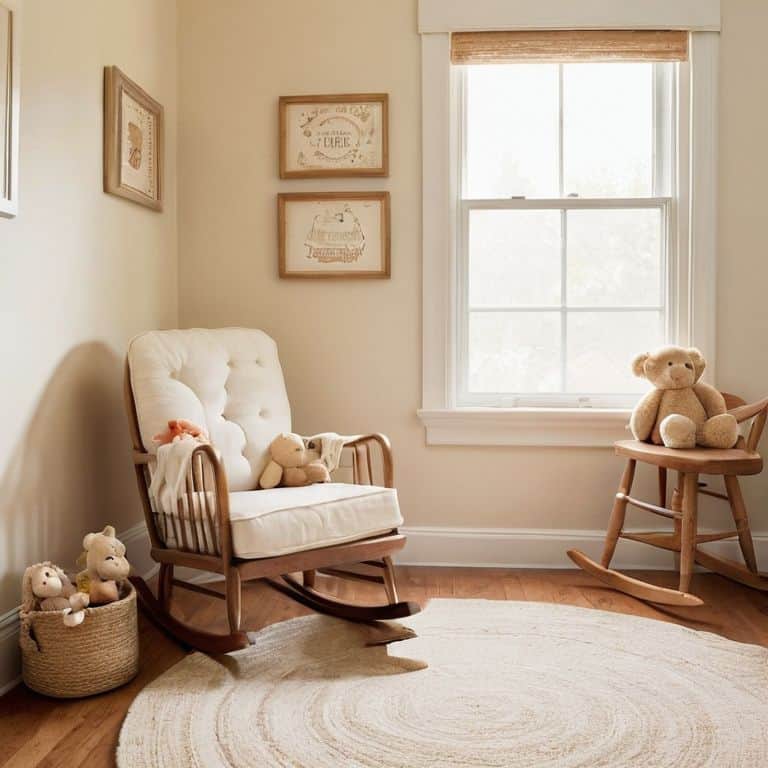
As I delve into the harmony of a well-designed nursery, I’m reminded of the importance of balance between form and function. A space that is both safe and aesthetically pleasing can be achieved by incorporating soft furniture for nursery that not only provides comfort but also reduces the risk of injury. I recall restoring a vintage rocking chair, which I named “Emily,” after Emily Dickinson, and reupholstering it with a soft, plush material that would be perfect for a nursery.
When it comes to the finer details, electrical outlet safety devices are a must-have to prevent any accidents. These devices can be easily installed and provide peace of mind for parents. Additionally, considering non_toxic wall paint options can ensure a healthy environment for the little ones. I’ve seen firsthand how a fresh coat of non-toxic paint can transform a room, making it feel fresh and clean.
In my grandfather’s workshop, I learned the value of attention to detail, which is especially crucial when it comes to window guard installation tips. Properly securing windows can prevent accidents and provide a sense of security for parents. By combining these elements, a nursery can be a haven that promotes relaxation, learning, and growth, much like my restored furniture pieces, which I believe take on a new character when given a second life in a modern setting.
Electrical Outlet Safety Devices
As I reflect on my grandfather’s workshop, where every piece of furniture was a testament to his meticulous craftsmanship, I’m reminded of the importance of safety in harmony with design. In the nursery, electrical outlet safety devices play a crucial role in this balance. I’ve seen how outlet covers and tamper-resistant outlets can blend seamlessly into the rustic elegance of a vintage-inspired nursery, much like my prized “Napoleon” armchair, which I painstakingly restored to its former glory. These devices not only protect little ones from electrical hazards but also preserve the aesthetic of the room, allowing the beauty of antique pieces to shine through.
By incorporating these safety measures, parents can create a sanctuary that is both nostalgic and nurturing, where the charm of the past meets the needs of the present. Just as I name my furniture pieces after historical figures, giving them character and personality, a well-designed nursery can tell a story of love, care, and attention to detail, setting the stage for a lifetime of memories and wonder.
Soft Furniture for Little Dreams
When it comes to soft furniture, I always think of my “Marie Antoinette” – a vintage armchair I restored to perfection. For a nursery, pieces like this can add a touch of elegance, but safety comes first. I recommend reupholstering with durable, stain-resistant fabrics and ensuring any loose cushions or pillows are securely tied down to prevent them from becoming choking hazards.
In my experience, combining vintage soft furniture with modern safety standards creates a unique harmony, blending the past with the present to craft a space where little dreams can unfold safely.
Weaving Safety into Vintage Charm: 5 Essential Tips for Baby-Proofing Your Nursery
- Embracing the Art of Soft Landing: Choose vintage furniture pieces with rounded edges, like my beloved ‘Napoleon’ armchair, and upholster them with soft, washable fabrics to create a cozy and safe environment
- Out of Sight, Out of Reach: Store hazardous materials and sharp objects in locked cabinets or on high shelves, much like my grandfather used to do in his workshop, to prevent accidental ingestions or injuries
- Electrical Serenity: Install tamper-resistant outlets and use outlet covers to prevent little fingers from exploring electrical sockets, ensuring a peaceful coexistence between vintage decor and modern safety
- Rug Reverie: Select rugs with non-slip backings and place them strategically to prevent slipping and falling, adding warmth and texture to the nursery while maintaining a safe and stable floor
- Curiosity and Cords: Keep cords and wires out of reach by using cord protectors or concealing them behind furniture, like my ‘Marie Antoinette’ dresser, to prevent entanglements and electrical accidents, while preserving the elegance of your vintage pieces
Timeless Nursery Essentials: 3 Key Takeaways
I’ve found that blending vintage pieces, like my cherished ‘Napoleon’ armchair, with modern safety features creates a unique harmony in the nursery, where little ones can grow surrounded by character and charm
Soft, rounded furniture edges and plush area rugs can transform a nursery into a cozy sanctuary, perfect for tiny hands and big dreams, much like the warm, inviting atmosphere of my grandfather’s workshop
By combining electrical outlet safety devices with the thoughtful placement of vintage items, such as a beautifully restored ‘Marie Antoinette’ dresser, parents can ensure their nursery is both a safe haven and a space that tells a story of love, history, and elegance
A Timeless Approach to Safety
Baby-proofing a nursery is not just about securing the space, but about crafting a sanctuary where the past and present converge, where vintage charm and modern safety blend seamlessly, allowing little ones to dream big and parents to rest easy.
Michael Thompson
Creating a Sanctuary for Tomorrow
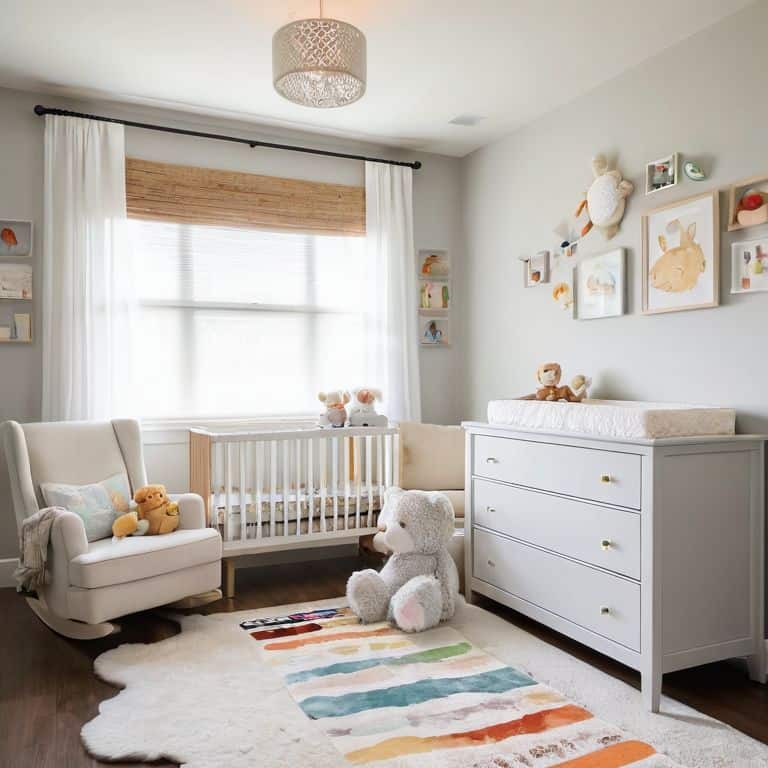
As I reflect on the journey of baby-proofing a nursery, it’s clear that the process is not just about safeguarding our little ones, but also about crafting a space that nurtures their growth and sparks their imagination. From the initial steps of assessing the room for potential hazards to the final touches of adding soft furniture for little dreams, each element plays a crucial role in creating a harmonious and safe environment. The incorporation of electrical outlet safety devices and the thoughtful selection of each item, whether vintage or new, contribute to a space that is both a sanctuary for rest and a catalyst for exploration.
As we complete this sanctuary, let’s remember that the true essence of baby-proofing lies not just in the physical barriers we create, but in the timeless memories we help shape. It’s about blending the elegance of the past with the vibrancy of the present, much like I do when I restore vintage furniture pieces, giving them new life and character. Just as my grandfather’s workshop was a place where stories were woven into the fabric of each piece, our nursery becomes a canvas where history and modernity entwine, inspiring new tales of love, laughter, and adventure.
Frequently Asked Questions
What are some creative ways to repurpose vintage furniture to make it safe and functional in a nursery?
I love repurposing vintage pieces for nurseries. Consider transforming an old dresser into a changing station, like my ‘Napoleon’ dresser, or upcycling a vintage rocking chair, which I’ve named ‘Emily’, into a cozy reading nook – it’s all about blending history with modern safety and function.
How can I balance the need for baby-proofing with my desire to create a visually appealing and elegant space?
For me, it’s all about striking a balance between safety and style. I like to think of baby-proofing as an opportunity to get creative, like when I’m restoring a vintage piece, like my beloved “Marie Antoinette” dresser. By choosing elegant safety solutions, such as ornate outlet covers or plush area rugs, you can protect your little one while maintaining the sophisticated ambiance you crave.
Are there any specific safety standards or regulations I should be aware of when it comes to baby-proofing a nursery, particularly with regards to antique or refurbished furniture?
When incorporating antique or refurbished furniture, I ensure compliance with current safety standards, such as those set by the U.S. Consumer Product Safety Commission, while also considering the unique character each piece brings to the nursery, like my cherished “Hemingway” rocking chair.