









Child-safe Kitchen Design: Tips for a Secure Cooking Space
 September 26, 2025
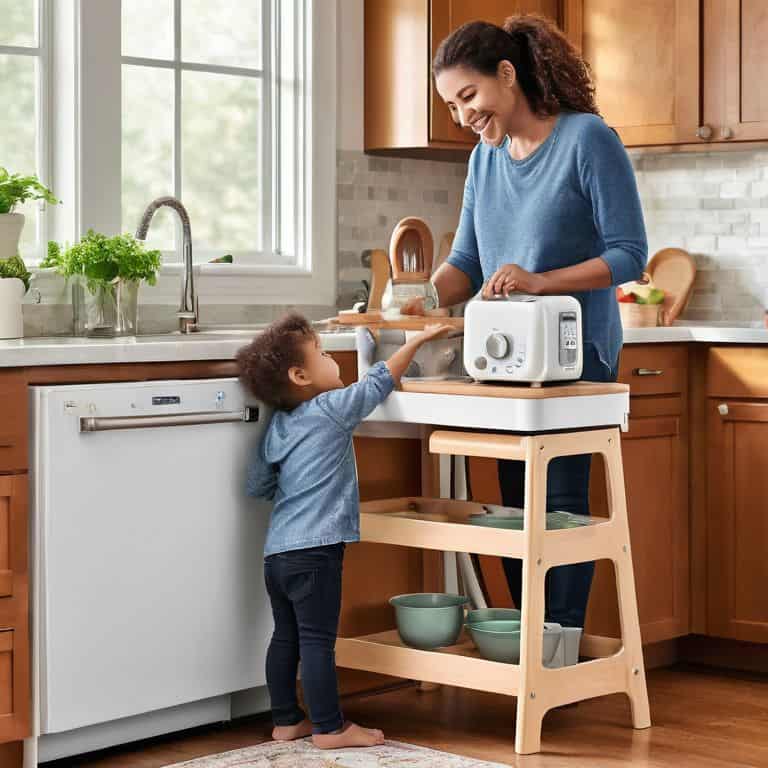
As I sit in my own kitchen, surrounded by the warm, rich textures of history and the gentle hum of modern appliances, I’m reminded of the countless times I’ve heard people say that child-safe kitchen design is all about stripping the space of its character and charm. But I’m here to tell you that’s just not true. In fact, I believe that a well-designed, child-safe kitchen can be the heart of the home, where little ones can watch mom or dad whip up a storm, and where memories are forged, and traditions are born.
In this article, I’ll share my personal approach to creating a child-safe kitchen design that’s both beautiful and functional. I’ll walk you through the process of assessing your kitchen’s unique needs, selecting the right materials and appliances, and implementing simple yet effective safety measures. You’ll learn how to strike a balance between style and safety, and how to create a space that’s not only secure for your little ones, but also inspiring for the whole family. By the end of this guide, you’ll have the tools and confidence to create a kitchen that’s truly the hub of your home, where love, laughter, and memories are made.
Table of Contents
- Guide Overview: What You'll Need
- Step-by-Step Instructions
- Child Safe Kitchen Design
- Weaving Safety and Elegance: 5 Essential Tips for a Child-Friendly Kitchen
- Timeless Wisdom: 3 Key Takeaways for a Child-Safe Kitchen
- A Timeless Approach to Family Spaces
- Weaving a Legacy of Safety and Style
- Frequently Asked Questions
Guide Overview: What You'll Need
Total Time: 4 hours 30 minutes
Estimated Cost: $100 – $300
Difficulty Level: Intermediate
Tools Required
- Tape Measure for accurate measurements
- Level to ensure even surfaces
- Drill with various drill bits
- Saw for cutting lumber to size
- Sandpaper for smoothing out surfaces
Supplies & Materials
- 2-in x 4-in lumber for added support and safety features
- Soft-close Hinges for safe and quiet cabinet operation
- Locking Mechanisms to secure hazardous materials
- Non-slip Mats for placement under appliances
- Corner Protectors to prevent injuries from sharp edges
Step-by-Step Instructions
- 1. To begin crafting a child-safe kitchen, it’s essential to assess the space with a critical eye, considering the layout and flow of the room. I like to think of this process as giving the kitchen a personality, much like I do when I name my restored furniture pieces after historical figures – it’s about understanding the character of the space and how it can be tailored to meet the needs of its inhabitants.
- 2. Next, meticulous planning is key. This involves measuring the space, identifying potential hazards, and deciding on the overall aesthetic and functionality of the kitchen. For me, this is similar to selecting the perfect piece of vintage furniture to restore – it’s about finding the hidden potential and bringing it to life in a way that complements the surrounding environment.
- 3. The third step is to secure the perimeter of the kitchen by installing safety gates or barriers to prevent little ones from entering the kitchen unsupervised. This is a crucial step in creating a safe space, as it allows parents to cook and prepare meals without the constant worry of their children getting into harm’s way.
- 4. When it comes to the kitchen’s layout, ergonomic design plays a significant role in creating a child-safe environment. This means placing heavy appliances and sharp objects out of reach, while also ensuring that frequently used items are easily accessible to adults. I find that restoring vintage cabinets and drawers can be an excellent way to add storage while maintaining the nostalgic feel of the kitchen.
- 5. Installing safety locks on cabinets and drawers is another vital step in child-proofing the kitchen. These locks can be purchased at most hardware stores and come in a variety of styles to fit different types of cabinets. As someone who appreciates the beauty of vintage hardware, I’m always on the lookout for locks that not only provide safety but also complement the overall aesthetic of the kitchen.
- 6. In addition to securing cabinets and drawers, it’s also important to soften the edges of the kitchen by replacing sharp corners with rounded ones and using cushioned table guards to prevent injuries. This not only creates a safer space but also adds a touch of warmth and coziness to the room, much like the feeling of sitting in a beautifully restored vintage armchair.
- 7. To further enhance the safety and functionality of the kitchen, consider task lighting to illuminate specific work areas, reducing the risk of accidents caused by poor visibility. As an interior decorator, I believe that lighting can make or break the ambiance of a room, and in a child-safe kitchen, it’s essential to strike the right balance between style and safety.
- 8. Finally, regular maintenance is crucial to ensuring the kitchen remains a safe and welcoming space for the whole family. This includes regularly inspecting the kitchen for potential hazards, cleaning up spills and messes promptly, and performing routine checks on safety devices such as smoke alarms and carbon monoxide detectors. By staying on top of these tasks, you can create a kitchen that is not only beautiful and functional but also a haven of safety and warmth for years to come.
Child Safe Kitchen Design
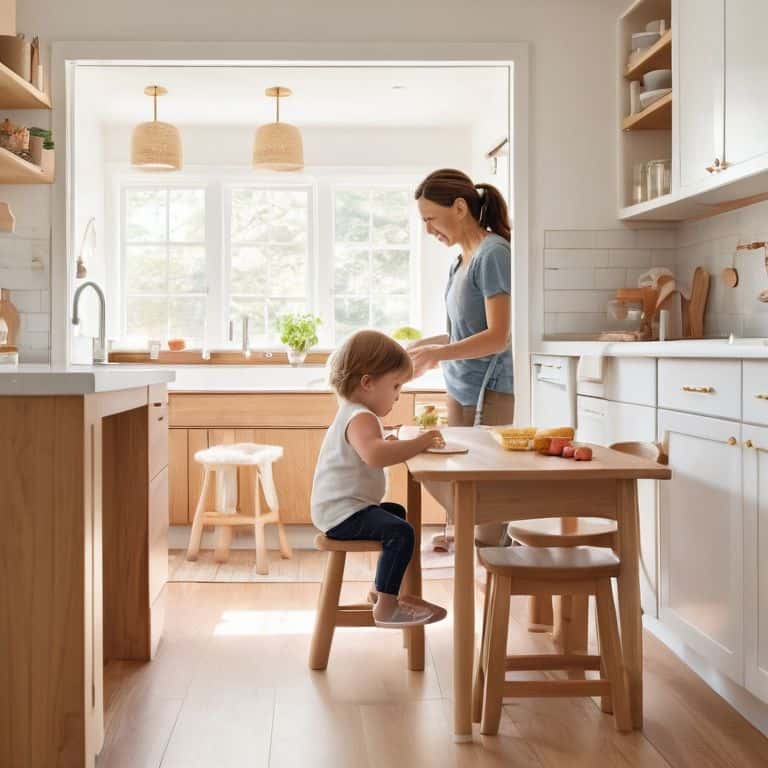
As I delve into the world of kitchen design, I’m reminded of the importance of creating a space that’s both beautiful and functional. A well-designed kitchen can be a hub of activity, where families gather to share meals and make memories. To ensure that this space remains safe for little ones, I always recommend exploring kitchen cabinet lock systems. These clever devices can prevent curious children from accessing hazardous materials or sharp objects, giving parents peace of mind.
In addition to secure storage, I also consider the overall flow of the kitchen. Soft close drawer mechanisms can be a game-changer, as they prevent drawers from slamming shut and reduce the risk of injury. By incorporating these thoughtful design elements, parents can create a space that’s both stylish and safe. I recall a recent project where I installed corner protector solutions to prevent accidents and add a touch of elegance to the room.
When it comes to flooring, I’m a big fan of non slip flooring options. These surfaces provide traction, even when wet, and can help prevent slips and falls. By combining these practical elements with beautiful, child-friendly appliance handles, parents can create a kitchen that’s truly designed with family in mind. As I see it, a kitchen should be a space where memories are forged, and traditions are born – a space that’s both beautiful and safe for generations to come.
Safety Meets Style Kitchen Cabinet Lock Systems
As I delve into the realm of child-safe kitchen design, I’m reminded of the meticulous craftsmanship of my grandfather’s workshop, where every detail was a testament to the marriage of form and function. In my own work, I’ve come to appreciate the subtle yet effective role that kitchen cabinet lock systems play in safeguarding little ones while maintaining the aesthetic integrity of the space. I’ve named my favorite vintage cabinet “Napoleon” – its intricate carvings and sturdy frame now secured with sleek, modern locks that blend seamlessly into its rustic elegance.
These lock systems are a masterclass in understated design, allowing parents to secure harmful substances and sharp objects without compromising the visual flow of the kitchen. By integrating these clever mechanisms, we can create an environment that is at once safe, stylish, and inviting – a true sanctuary for family and friends to gather, much like the warm and welcoming kitchens of yesteryear.
Timeless Touches Electrical Outlet Safety Devices
As I delve into the nuances of child-safe kitchen design, my mind wanders to the intricate dance between form and function. Electrical outlet safety devices are a paramount consideration, and I often find myself drawn to the understated elegance of tamper-resistant outlets. These clever devices prevent unwanted objects from being inserted, ensuring a safe haven for curious little hands. I recall a particular project where I named a beautifully restored vintage sideboard “Marie” after Marie Curie – its sleek, modern outlets were the perfect contrast to its antique charm, blending seamlessly into the kitchen’s nostalgic rustic elegance.
In my experience, outlet covers and safety plates can be equally effective, providing an additional layer of protection without compromising the aesthetic of the space. By incorporating these thoughtful touches, we can create kitchens that are not only safe but also timeless and inviting – a true reflection of the love and laughter that fills them.
Weaving Safety and Elegance: 5 Essential Tips for a Child-Friendly Kitchen
- Embracing the Art of Concealment: Hiding Sharp Objects and Hazardous Materials Behind Beautifully Restored, Child-Proof Cabinets
- Illuminating Innocence: Using Warm, Soft Lighting to Create a Safe and Inviting Atmosphere, While Also Highlighting the Timeless Beauty of Restored Vintage Furniture Pieces
- Textured Tales: Incorporating Diverse, Child-Friendly Materials and Surfaces, Such as Reclaimed Wood and Soft Granite, to Tell a Story of Both History and Modernity
- The Dance of Function and Form: Designing Kitchen Layouts That Balance Efficiency with Safety, Ensuring Little Ones Can Watch and Learn Without Being in Harm’s Way
- Harmony in the Heart of the Home: Merging Traditional Kitchen Elements with Modern Safety Features, Creating a Space Where Memories Are Forged and Traditions Are Born, Much Like My Beloved ‘Napoleon’ Armchair, Restored to Perfection and Named After the Legendary Leader
Timeless Wisdom: 3 Key Takeaways for a Child-Safe Kitchen
As I reflect on the art of crafting a child-safe kitchen, it’s clear that the harmony of safety and style is paramount – a balance that can be achieved through thoughtful design choices, such as cleverly concealed storage and strategically placed safety devices.
Restoring vintage pieces, like my beloved ‘Napoleon’ sideboard, to serve as safe and functional elements in the kitchen, not only adds character but also tells a story of history and tradition, blending seamlessly with modern safety features.
By embracing the nostalgia of the past, while innovatively incorporating safety features like soft-close drawers and electrical outlet covers, we can create kitchens that are not only havens for family memories but also sanctuaries of elegance and sophistication, where the beauty of yesterday meets the functionality of today.
A Timeless Approach to Family Spaces
A child-safe kitchen is not just a space where meals are prepared, but a sanctuary where laughter echoes, traditions are forged, and the beauty of the past blends seamlessly with the innovation of the present.
Michael Thompson
Weaving a Legacy of Safety and Style
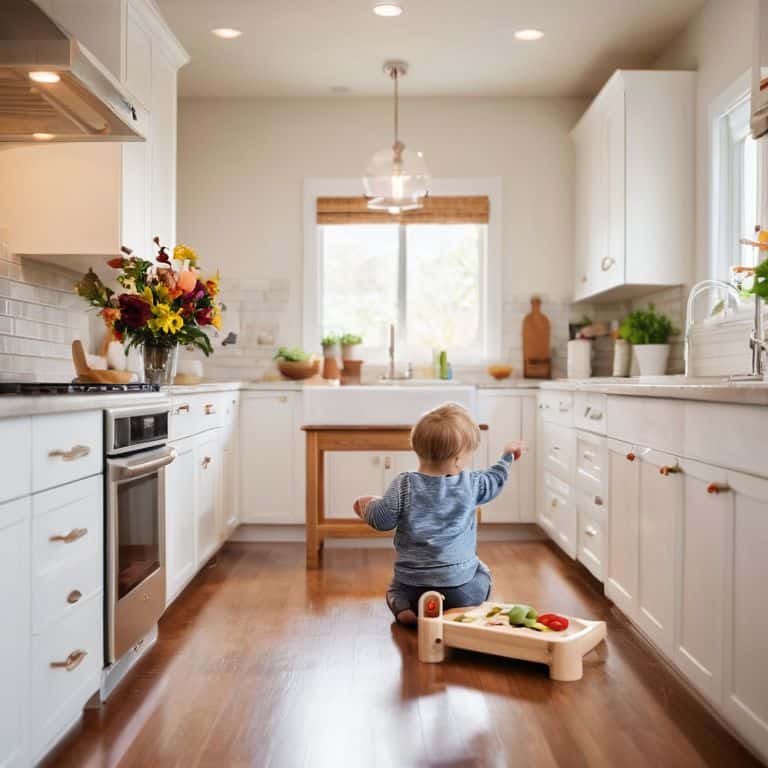
As I reflect on our journey through child-safe kitchen design, it’s clear that creating a space where safety and style intertwine is not just a practical goal, but an art form. From kitchen cabinet lock systems that protect curious hands to electrical outlet safety devices that bring peace of mind, every element plays a crucial role in crafting a kitchen that’s both beautiful and secure. By incorporating these elements, we don’t just design a room; we build a foundation for family traditions and memories that will last a lifetime.
In the end, a child-safe kitchen is more than just a collection of safety features and stylish elements – it’s a timeless tapestry woven from threads of love, care, and attention to detail. As we conclude this journey, I invite you to envision your own kitchen as a haven of warmth and wonder, where the past and present blend seamlessly, and where the beauty of vintage charm meets the functionality of modern design. Let us create spaces that not only inspire new memories but also honor the stories of our past, ensuring that our kitchens remain the heart of our homes for generations to come.
Frequently Asked Questions
What are some creative ways to conceal sharp objects and hazardous materials in a child-safe kitchen?
I love this question. For me, it’s all about clever concealment. I’ve used vintage-inspired utensil holders, like my ‘Napoleon’ knife block, and antique apothecary jars to store hazardous materials, adding a touch of nostalgic charm while keeping little hands safe.
How can I balance the need for safety features with the desire for a visually appealing and uncluttered kitchen design?
For me, it’s all about blending form and function. I balance safety and style by incorporating subtle, vintage-inspired safety features, like discreet cabinet locks and tamper-resistant outlets, which not only protect little ones but also add a touch of nostalgic elegance to the kitchen.
Are there any specific child-safe kitchen design elements that can be incorporated into a vintage or historically-inspired kitchen to maintain its original character?
Incorporating child-safe elements into a vintage kitchen can be a delicate dance. I recommend installing discreet magnetic locks on cabinets, and using vintage-inspired outlet covers to maintain the historic charm. My “Marie Antoinette” sideboard, for instance, features beautifully crafted, child-safe hardware that blends seamlessly into its antique design.