








Childproofing Your Home: Essential Tips for Every Room
 April 2, 2026
As I sit here, surrounded by photos of my own family’s Sunday dinners, I’m reminded of the importance of creating a safe and welcoming space for our little ones to grow. When it comes to childproofing home, I’ve learned that it’s not just about installing gates and padding corners, but about creating an environment that fosters exploration and curiosity. I’ve seen many parents struggle with the idea that childproofing means sacrificing style and comfort, but I’m here to tell you that’s just not true. In fact, with a little creativity, you can create a space that’s both beautiful and safe for your children to thrive.
In this article, I’ll share my personal experiences and practical tips on how to achieve a balance between safety and style when childproofing your home. You’ll learn how to identify potential hazards, choose the right safety products, and create a space that’s both functional and beautiful. I’ll also share some of my favorite hacks for making childproofing easier and less overwhelming, from using multipurpose furniture to creating a safety checklist to ensure you don’t miss a thing. By the end of this guide, you’ll have the confidence and knowledge to create a safe and welcoming space for your family to enjoy, without sacrificing your personal style or sanity.
Table of Contents
Guide Overview: What You'll Need
Total Time: 2 hours 30 minutes
Estimated Cost: $50 – $100
Difficulty Level: Intermediate
Tools Required
- Utility Knife (with extra blades)
- Drill (for installing safety devices)
- Screwdriver (flathead and Phillips)
- Measuring Tape (for accurate measurements)
- Level (for ensuring proper installation)
Supplies & Materials
- Safety Latches (for cabinets and drawers)
- Corner Protectors (for sharp edges)
- Outlet Covers (for electrical outlets)
- Window Guards (for windows on upper floors)
- Gate for Stairs (to prevent falls down stairs)
- Non-Slip Strips (for bathtubs and showers, 6 inches long)
Step-by-Step Instructions
- 1. First, let’s start with the foundation of childproofing: securing any heavy furniture or appliances that could potentially tip over. This includes bookshelves, TVs, and refrigerators. I remember my grandmother telling me stories about how she used to secure her furniture with anti-tip brackets when my mom was a little girl, and it’s amazing how such a simple step can make a huge difference in preventing accidents.
- 2. Next, we need to focus on the electrical safety of our home. This involves installing tamper-resistant outlets, especially in areas where children tend to play. I’ve seen firsthand how these outlets can give parents peace of mind, knowing that their little ones are protected from electrical shocks. It’s also a good idea to keep cords and wires organized and out of reach.
- 3. Now, let’s move on to the bathroom, which can be a hazardous place for children if not properly secured. We should install grab bars and non-slip mats in the bathtub or shower to prevent slips and falls. I recall my own childhood, where my parents would always supervise us during bath time, but it’s also important to take these extra precautions to ensure our children’s safety.
- 4. The kitchen is another area that requires special attention when it comes to childproofing. We should install safety latches on cabinets and drawers to prevent children from accessing sharp objects or hazardous chemicals. It’s also a good idea to keep cleaning supplies and medications out of reach. I’ve found that using child-safe containers can be a great way to store these items.
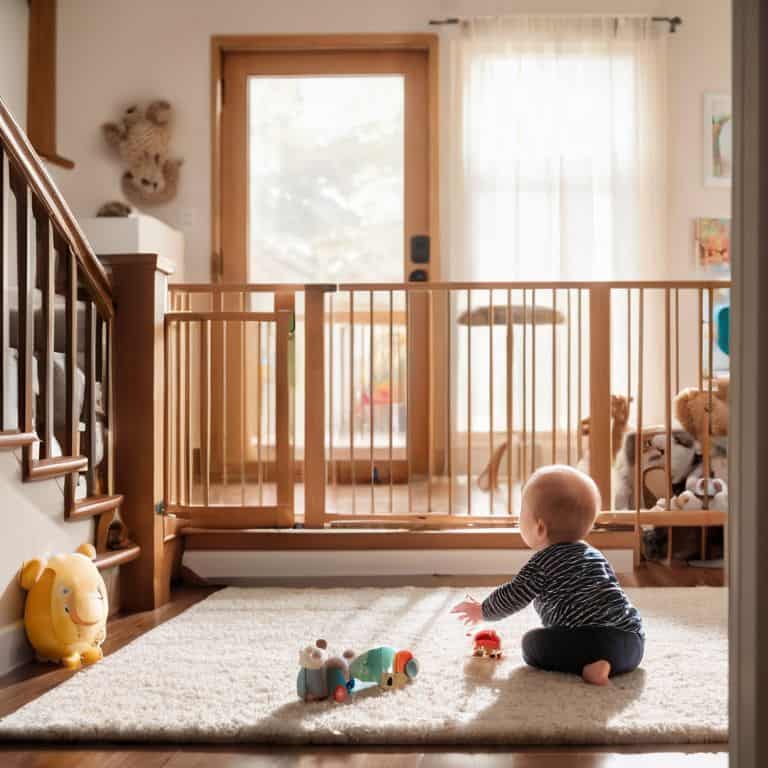
- 5. Moving on to the stairs, if you have a multi-story home, it’s essential to install gates at the top and bottom of the stairs to prevent children from climbing up or down unsupervised. I’ve seen how these gates can provide an extra layer of protection and give parents more time to respond in case of an emergency.
- 6. Let’s not forget about the outdoors, where children can often be exposed to hazards such as sharp objects, hot surfaces, or bodies of water. We should ensure that our outdoor play areas are free from debris and that any sharp edges are covered. It’s also crucial to supervise children during outdoor play and teach them about water safety.
- 7. Finally, it’s essential to stay vigilant and continually assess our home’s safety as our children grow and develop. This involves staying up-to-date with the latest childproofing products and techniques, as well as being mindful of any new hazards that may arise. I believe that by working together and sharing our experiences, we can create a safer and more loving environment for our children to thrive in.
Childproofing Home
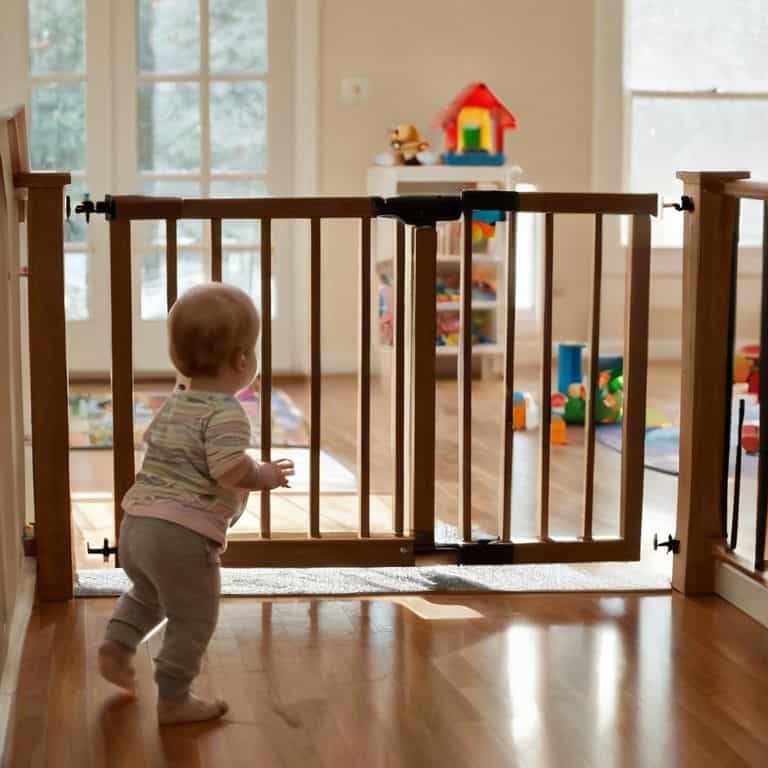
As I reflect on my own experiences with baby gate installation tips, I realize how crucial it is to consider the layout of your home. For instance, installing gates at the top and bottom of stairs can help prevent accidents, while also giving you peace of mind. I’ve seen many families benefit from taking this extra step, and it’s a great way to create a safe zone for your little ones to play and explore.
When it comes to electrical safety, electrical outlet safety devices are a must-have in any home with children. These devices can be easily installed and provide an extra layer of protection against electrical shocks. Additionally, secure furniture anchoring methods can help prevent heavy furniture from tipping over, which can be a major hazard in any home. By taking these precautions, you can significantly reduce the risk of accidents and create a safer environment for your family.
In my work as a family therapist, I’ve seen how important it is to poison control measures at home. This includes storing hazardous materials out of reach and making sure that any potentially toxic substances are locked away. By taking these simple steps, you can help prevent accidents and ensure that your home remains a safe and nurturing space for your loved ones.
Safety First Outlet Devices
As I think back to my own childhood, I remember the countless times my parents reminded me to stay away from electrical outlets. Now, as a family therapist, I’ve seen how important it is to secure these potential hazards. Outlet devices, such as tamper-resistant outlets or outlet covers, are a simple yet effective way to prevent accidents. I recall my grandmother telling me stories about how she used to cover her outlets with makeshift plugs made from cardboard and tape – it’s amazing how far we’ve come in terms of safety innovations.
When selecting outlet devices, consider the age and abilities of your children. For younger ones, opt for outlet covers that are difficult for tiny hands to remove. As they grow older, you can transition to more advanced devices that require a bit more dexterity to install and remove. By taking this step, you’ll not only be safeguarding your little ones but also teaching them valuable lessons about electricity and safety.
Securing Memories Baby Gate Tips
As I think back to when my own kids were little, I remember the countless times baby gates saved the day – and our furniture. When choosing a baby gate, consider the width of your stairs or doorway, and opt for one that’s sturdy and easy to install. I’ve found that gates with a soft-close feature are especially useful, as they prevent little fingers from getting pinched.
In our home, we used gates to section off areas like the kitchen and living room, creating a safe space for our babies to play while we cooked or relaxed nearby. It’s amazing how such a simple solution can bring so much peace of mind, allowing us to cherish the memories we’re making, rather than worrying about accidents waiting to happen.
Nurturing a Safe Haven: 5 Essential Childproofing Tips for Your Home
- Creating a Soft Landing: Plush Area Rugs and Cushioning for Those Unavoidable Tumbles
- Electrical Escapades: Tamper-Resistant Outlets and Secure Cord Management
- Kitchen Capers: Locking Cabinets, Drawers, and Appliances to Prevent Curiosity-Driven Accidents
- Furniture Fixings: Anchoring Heavy Pieces to Walls to Prevent Tip-Overs and Injuries
- Slip, Trip, and Fall Prevention: Non-Slip Mats, Handrails, and Clearing Clutter from High-Traffic Areas
Safeguarding Your Home: 3 Key Takeaways
By prioritizing childproofing, you’re not just protecting your little ones from harm, but also preserving the memories and moments that make your house a home
Simple, effective measures like securing baby gates and using outlet devices can significantly reduce the risk of accidents and create a safer environment for your family to thrive
Childproofing is an ongoing process that requires patience, love, and attention to detail – by staying committed to it, you’ll be able to enjoy the journey of parenthood with greater peace of mind and a deeper connection with your loved ones
A Labor of Love
Childproofing our homes is not just about securing our furniture and fixtures, but about safeguarding the memories we create with our loved ones – it’s a labor of love that requires patience, dedication, and a willingness to nurture a safe and welcoming space for all to thrive.
Laura Bennett
Creating a Safe Haven: A Labor of Love
As we’ve explored the world of childproofing, from securing memories with baby gate tips to ensuring safety first with outlet devices, it’s clear that this journey is about more than just checking boxes on a safety list. It’s about creating a warm, welcoming space where our little ones can grow, explore, and thrive. By following these steps and making our homes safer, we’re not just preventing accidents – we’re also fostering an environment that encourages curiosity, creativity, and connection.
So as you finish this childproofing journey, remember that it’s okay to take it one step at a time. The most important thing is that you’re taking those steps with love and intention, crafting a home that’s not just safe, but also filled with laughter, stories, and the memories that will shape your family’s narrative for generations to come. In the end, childproofing your home is an act of love – a testament to the care and devotion you have for your family, and the bright future you’re building together.
Frequently Asked Questions
What are some common hazards in the home that I might not be aware of and how can I mitigate them?
As a family therapist, I’ve seen many hidden hazards in homes. One often overlooked area is the kitchen, where toxic cleaning supplies and sharp objects can pose risks. Another is the bathroom, where slippery floors and hot water can be dangerous. Mitigating these risks can be as simple as installing grab bars, storing cleaning supplies out of reach, and using non-slip mats.
How do I balance childproofing my home with maintaining its aesthetic and not making it look like a fortress?
As a family therapist and mom, I’ve learned that childproofing doesn’t have to mean sacrificing style. I like to think of it as “designing with intention.” Choose baby gates that blend with your decor, and opt for outlet covers that are sleek and discreet. It’s all about finding that balance between safety and aesthetics.
Are there any specific childproofing measures that are recommended for different age groups, such as toddlers versus older children?
As a family therapist, I’ve seen how childproofing needs evolve with age. For toddlers, it’s all about securing heavy furniture and installing safety gates. As children grow older, focus shifts to supervising their online activities and teaching them about boundaries and responsibility.