









Creating an Inclusive Kitchen for All Ages: Accessibility and Functionality
 October 8, 2025
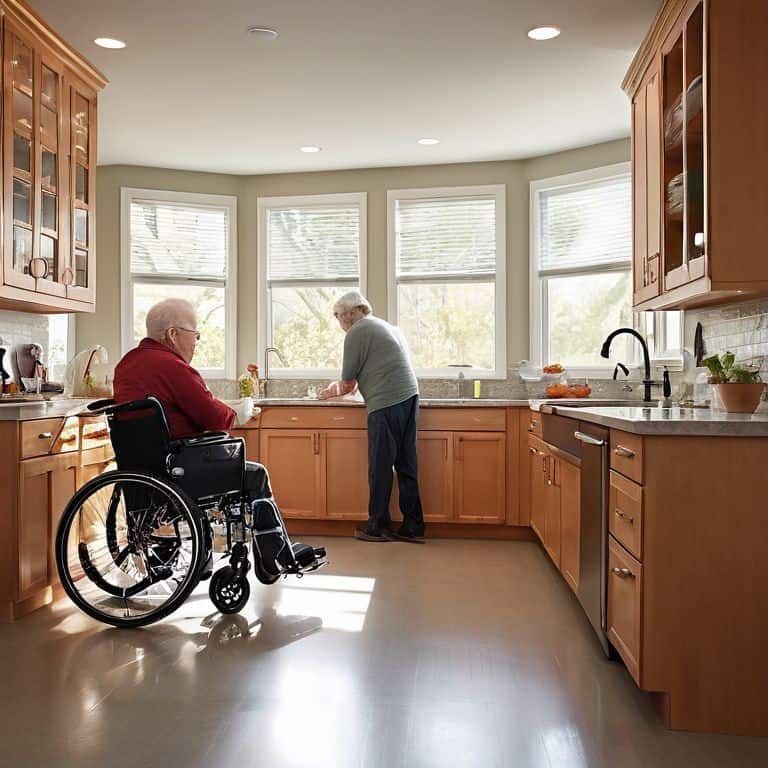
I still remember the first time I walked into a kitchen that truly felt like the heart of the home. It was my grandparents’ old Victorian house, where the kitchen was always filled with the warm aroma of freshly baked cookies and the sound of laughter. As I grew older, my passion for inclusive kitchen design only deepened, and I began to notice how often this crucial aspect of home design is overlooked or overcomplicated. It’s astonishing how many designers and homeowners alike get caught up in the hype of expensive, high-tech gadgets and fancy materials, forgetting that the true essence of a kitchen lies in its ability to bring people together.
As someone who’s spent years restoring vintage furniture and breathing new life into old spaces, I’ve learned that meaningful design is about more than just aesthetics – it’s about creating an atmosphere that feels like a warm hug. In this article, I promise to cut through the noise and share my no-nonsense advice on crafting inclusive kitchen design that honors the past while embracing the future. I’ll dive into the nitty-gritty of how to blend vintage charm with modern practicality, and provide you with actionable tips and ideas to create a kitchen that’s not only beautiful but also timeless and functional.
Table of Contents
Inclusive Kitchen Design
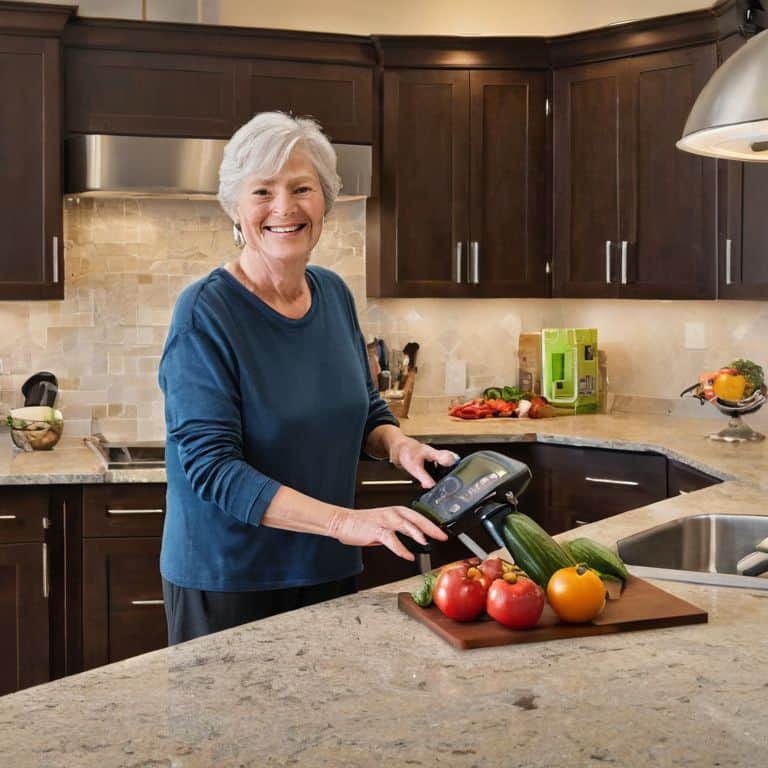
As I delve into the world of kitchen design, I find myself drawn to the concept of universal kitchen design principles. It’s about creating a space that’s not only beautiful but also functional for everyone, regardless of age or ability. I recall a project where I incorporated adaptive kitchen tools for seniors, making it easier for them to navigate and utilize the space. It was heartwarming to see the impact it had on their daily lives.
When designing a kitchen, I consider the kitchen accessibility standards that ensure the space is safe and accessible for all. This includes factors like ergonomic cabinet design and clever use of space. I’ve found that ergonomic kitchen cabinet design can make a significant difference in creating a comfortable and efficient cooking environment. By incorporating features like pull-out shelves and easy-to-reach storage, I can create a space that’s both stylish and functional.
My approach to kitchen design is centered around creating a multigenerational kitchen layout that brings everyone together. I believe that a well-designed kitchen can be the heart of the home, where memories are made and stories are shared. By incorporating smart home kitchen technology, I can create a space that’s not only beautiful but also intuitive and easy to use. Whether it’s a family with young children or a couple enjoying their golden years, my goal is to create a kitchen that’s a warm and inviting space for all.
Adaptive Tools for Seniors and Smart Homes
As I delve into the world of inclusive kitchen design, I find myself drawn to the innovative solutions that make cooking and socializing accessible to everyone, regardless of age or ability. This is where adaptive tools come into play, providing a sense of independence and freedom in the kitchen.
I’ve had the pleasure of working with clients who’ve incorporated smart home technology into their kitchen design, allowing for seamless control over appliances and lighting, and it’s truly remarkable to see how it can enhance the overall cooking experience.
Universal Principles for Timeless Kitchens
As I reflect on my experiences with restoring vintage furniture, I’ve come to realize that timeless design is all about striking a balance between form and function. A well-crafted kitchen should be both beautiful and functional, with each element serving a purpose while also contributing to the overall aesthetic.
In my pursuit of creating kitchens that stand the test of time, I’ve found that universal appeal is key. By incorporating elements that are both nostalgic and modern, I aim to create spaces that feel welcoming to everyone, regardless of their personal style or preferences.
Harmony in Historic Homes
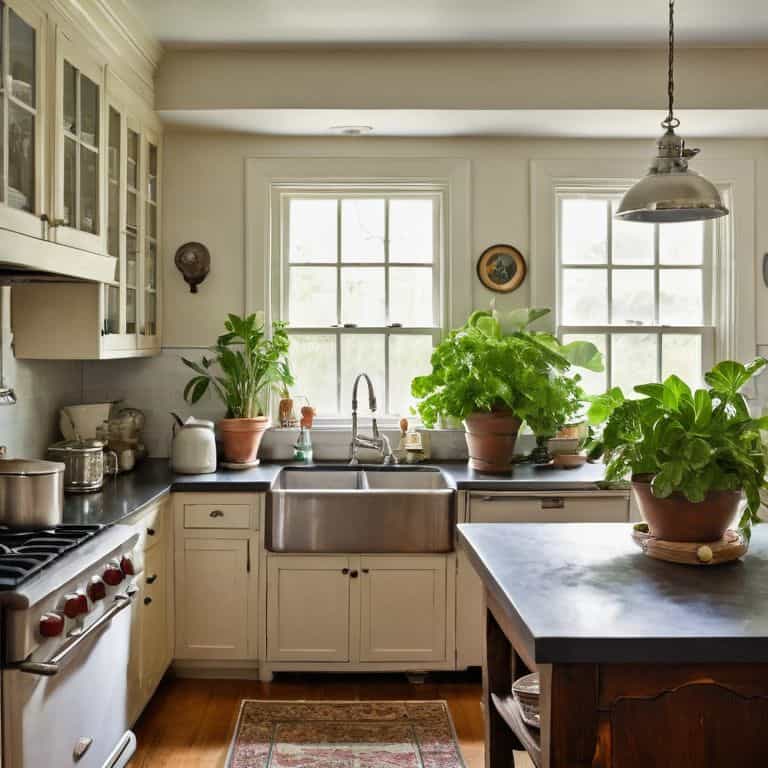
As I reflect on my experiences with restoring vintage furniture, I’m reminded of the importance of harmony in historic homes. When it comes to kitchen design, it’s essential to strike a balance between preserving the past and embracing the future. I’ve had the privilege of working on several projects where I’ve incorporated universal kitchen design principles to create spaces that are both functional and beautiful. By doing so, I’ve been able to honor the heritage of these historic homes while making them accessible to multigenerational families.
One of my favorite projects involved restoring a 19th-century kitchen to its former glory while incorporating adaptive kitchen tools for seniors. This included installing ergonomic handles and levers that made it easier for older family members to navigate the space. I also made sure to adhere to kitchen accessibility standards to ensure that the space was safe and enjoyable for everyone. The result was a kitchen that not only looked stunning but also felt like a warm and welcoming hub of the home.
In my approach to designing kitchens for historic homes, I always consider the multigenerational kitchen layout ideas that will bring families together. This might involve creating a large island or a cozy nook where family members can gather and share stories. By blending vintage charm with modern practicality, I aim to create spaces that are not only functional but also meaningful and timeless. Whether it’s through the use of smart home kitchen technology or the incorporation of vintage furniture pieces, my goal is always to create a sense of harmony that resonates with the past while embracing the future.
Ergonomic Cabinets Meet Accessibility
As I delve into the world of inclusive kitchen design, I’m reminded of the importance of ergonomic solutions that cater to diverse needs. My experience with restoring vintage furniture has taught me that functionality and aesthetics can indeed coexist. I’ve seen how cleverly designed cabinets can make a significant difference in the overall accessibility of a kitchen.
In my own projects, I’ve incorporated accessible storage solutions that not only simplify meal preparation but also add a touch of elegance to the space. By combining ergonomic cabinets with adaptive tools, I aim to create kitchens that are both beautiful and functional, allowing homeowners to cook, share, and make memories with ease.
Multigenerational Layouts With Smart Tech
As I restore vintage furniture pieces, like my prized “Marie Antoinette” sideboard, I often think about how smart home technology can seamlessly integrate into multigenerational layouts. This blend of old and new allows for a unique harmony, where the elegance of the past meets the convenience of the present.
In designing such spaces, I consider the flow of the kitchen, ensuring that it’s not only beautiful but also functional for all ages. The incorporation of adaptive lighting can greatly enhance the overall experience, providing a warm and inviting atmosphere that fosters connection among family members across different generations.
Weaving Warmth and Accessibility: 5 Tips for Inclusive Kitchen Design
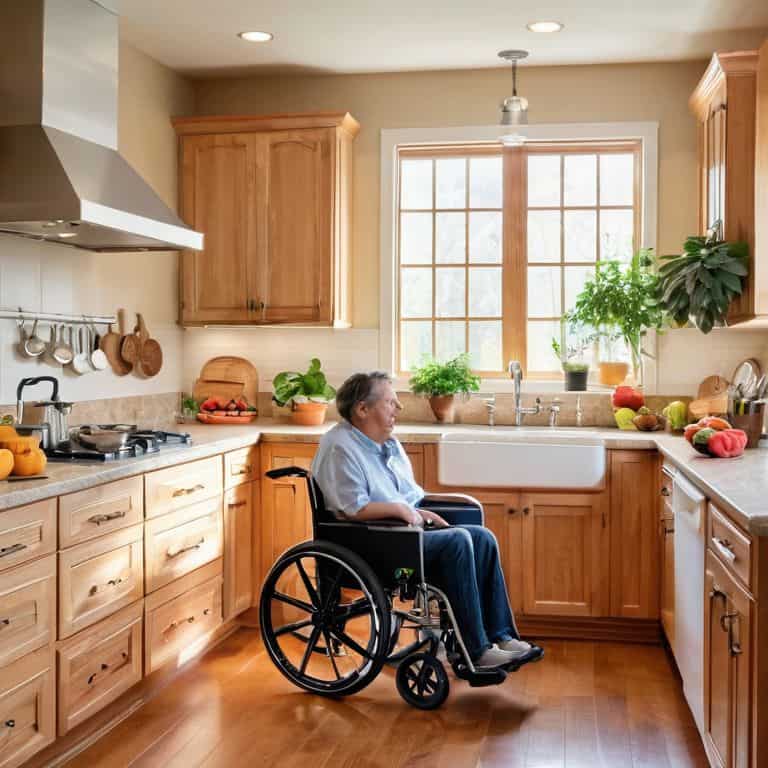
- I’ve found that incorporating multi-level countertops, like my ‘Marie Antoinette’ antique sideboard repurposed as a kitchen island, can greatly enhance accessibility for all ages and abilities
- Installing pull-out shelves and lazy susans, such as in my ‘Da Vinci’ vintage cabinet restoration, can make stored items more reachable and reduce strain on the body
- Selecting appliances with user-friendly interfaces, similar to the intuitive controls on my ‘Einstein’ retro-style refrigerator, can simplify cooking and meal prep for everyone
- Designing a kitchen with a flexible, open layout, reminiscent of the airy feel in my ‘Gatsby’ renovated farmhouse kitchen, allows for easier navigation and social interaction among family and friends
- Integrating smart home technology, like voice-controlled lighting and faucets, as seen in my ‘Tesla’ modernized vintage kitchen design, can provide an additional layer of convenience and accessibility for residents of all ages and abilities
Timeless Kitchen Essentials: 3 Key Takeaways
I’ve found that blending vintage charm with modern accessibility is key to creating kitchens that are both functional and full of character – think ergonomic cabinets, adaptive tools, and smart layouts that bring everyone together
By incorporating universal design principles, such as ample clearance and intuitive storage, we can craft kitchens that are not only beautiful but also inclusive, allowing every member of the family to cook, share, and make memories together
Whether you’re restoring a historic home or building a new one, the secret to a harmonious kitchen lies in striking a balance between heritage and harmony – which is why I love giving new life to vintage furniture pieces, like my beloved ‘Marie Antoinette’ sideboard, and incorporating them into modern designs that feel both nostalgic and forward-thinking
Weaving Memories in the Heart of the Home
Inclusive kitchen design is not just about functionality, but about crafting a space where memories are made, where heritage and harmony blend together in perfect symphony, and where every individual, regardless of age or ability, can gather, share, and create together.
Michael Thompson
Weaving a Timeless Tapestry: Conclusion
As I reflect on the journey of crafting an inclusive kitchen design, I’m reminded of the universal principles that guide my work. From ergonomic cabinets to multigenerational layouts, each element is a brushstroke on the canvas of a home where memories are made. The blend of vintage charm and modern practicality is not just about aesthetics; it’s about creating a space that feels like a warm hug, welcoming to all who enter. Whether it’s the incorporation of adaptive tools for seniors or the seamless integration of smart home technology, every detail is a testament to the power of design to transcend time and touch hearts.
As we conclude this exploration of inclusive kitchen design, I invite you to envision your own kitchen as a haven of harmony, where the past and present converge in perfect symphony. Let us embrace the timeless beauty of well-crafted spaces, where every element, from the rustic elegance of restored furniture to the forward-thinking application of technology, comes together to create an environment that inspires new memories and honors the stories of old. In doing so, we not only design kitchens; we weave memories that will be cherished for generations to come.
Frequently Asked Questions
How can I balance the need for accessibility features in my kitchen with my desire for a visually appealing and historically sensitive design?
For me, it’s all about blending function with historic flair. I achieve this by incorporating subtle accessibility features, like lowered countertops and cleverly hidden pull-out shelves, into my designs, ensuring a seamless fusion of past and present that not only honors the home’s heritage but also creates a warm, inviting space for all to enjoy.
What are some creative ways to incorporate smart home technology into a vintage or historic kitchen to make it more inclusive for all ages and abilities?
I love blending old with new, like installing smart faucets or hidden drawers with sensor-activated lights in my ‘Marie Antoinette’ kitchen cabinet, making it accessible and functional for all, while maintaining its vintage charm.
Are there any specific materials or finishes that are particularly well-suited for inclusive kitchen design, and how can I use them to create a space that is both beautiful and functional?
I’m particularly fond of using reclaimed wood and matte finishes in inclusive kitchen designs – they add a touch of warmth and sophistication while reducing glare and fingerprints, making the space more accessible and easy to maintain, much like my beloved “Marie Antoinette” sideboard, which I restored to perfection.