








Innovative Diy Draft Stoppers for Windows: Keep the Cold Out
 April 21, 2026
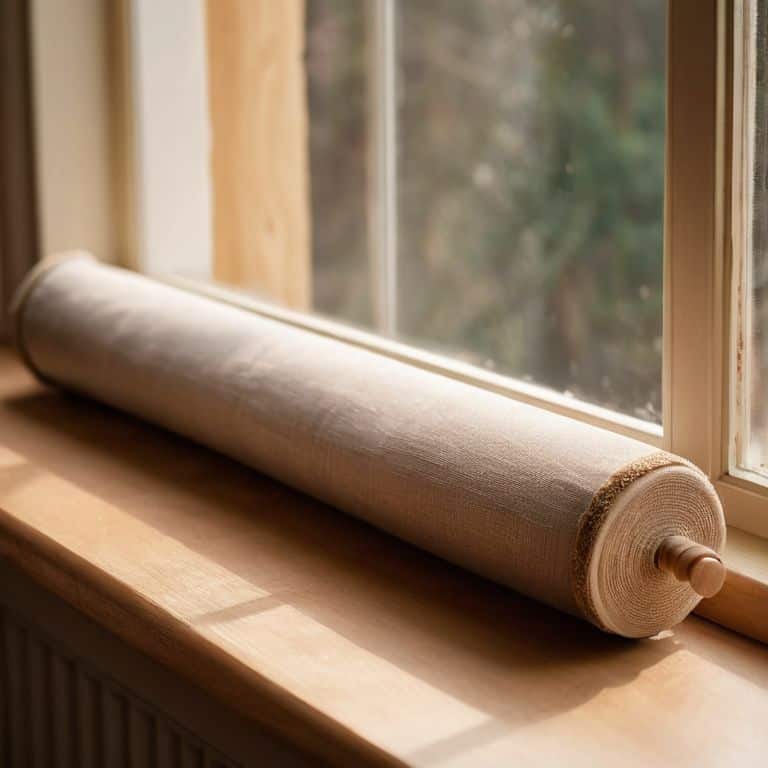
I still remember the chilly winter mornings when I’d wake up to find my old apartment feeling like an icebox. It wasn’t until I discovered the magic of DIY draft stoppers for windows that I was able to warm up my space without breaking the bank. The common myth that DIY solutions are time-consuming and ineffective is simply not true – with a few simple materials and some creativity, you can create your own draft stoppers that will keep the cold air out and the warm air in.
In this article, I’ll share my no-fuss approach to creating DIY draft stoppers for windows, using materials you might already have lying around. I’ll walk you through a step-by-step guide on how to make your own draft stoppers, from measuring your windows to choosing the perfect fabrics. By the end of this guide, you’ll be equipped with the knowledge to transform your windows and keep your home cozy and warm, all while saving energy and money. So, let’s get started and give those drafty windows a makeover!
Table of Contents
Guide Overview: What You'll Need

Total Time: 1 hour 30 minutes
Estimated Cost: $10 – $30
Difficulty Level: Easy
Tools Required
- Scissors (sharp)
- Sewing Machine (optional)
- Measuring Tape
- Fabric Cutter (or rotary cutter)
Supplies & Materials
- Fabric cotton or fleece, 12 inches wide
- Polyester Fiberfill for stuffing
- Ribbon or Twine for hanging or decorative purposes
- Weights such as beans, rice, or small rocks, for added draft-stopping power
Step-by-Step Instructions
- 1. First, gather your materials, including a piece of fabric that’s at least 6-8 inches wide and as long as your window is tall, plus a few extra inches for hemming the edges. You’ll also need some polyester fiberfill, a sewing machine, and my trusty sidekick, a scissors named “Snippy” – she’s a pro at cutting through thick fabrics.
- 2. Next, measure your window to determine how long you want your draft stopper to be. Keep in mind that it should be long enough to cover the entire bottom of the window when it’s closed, but not so long that it gets in the way when you open it. I like to add a few extra inches to the length to make sure it’s nice and snug, and to give myself some extra room for fluffing out the fiberfill.
- 3. Now it’s time to cut your fabric to the right size. Use Snippy to cut a piece that’s the length you measured, plus a few extra inches for the seams, and about 6-8 inches wide. Don’t worry too much about the width – you can always adjust it later if needed. Just make sure you have enough fabric to wrap around the fiberfill and still have some extra to spare for tucking in the edges.
- 4. After you’ve cut your fabric, it’s time to fill it with polyester fiberfill. I like to use a generous amount to make sure my draft stopper is nice and plump, but not so much that it’s hard to move around. Just fill it up until it feels like it’s got a good balance of fluff and flexibility. My other trusty sidekick, a stuffing tool named “Fluffy,” is great at helping me get the fiberfill into all the right spots.
- 5. Once your draft stopper is filled, it’s time to sew it up. Use your sewing machine to stitch along the edge of the fabric, leaving a small opening to turn it right side out. I like to use a simple running stitch for this part, just to make sure everything is nice and secure. Don’t worry if it’s not perfect – we’ll be hiding the seams later with some decorative stitching.
- 6. After you’ve turned your draft stopper right side out, it’s time to add some decorative touches. I like to use a simple embroidery floss to add some colorful accents around the edges, just to give it a bit of personality. You could also use some decorative stitching or even add some buttons or other embellishments to make it really stand out.
- 7. Finally, it’s time to add the finishing touches to your draft stopper. Use some more of that polyester fiberfill to stuff the ends, and then sew them shut with a few quick stitches. I like to add a little bit of decorative stitching around the edges, just to give it a finished look. And that’s it – your DIY draft stopper is complete, and ready to keep your windows warm and cozy all winter long!
Diy Draft Stoppers for Windows
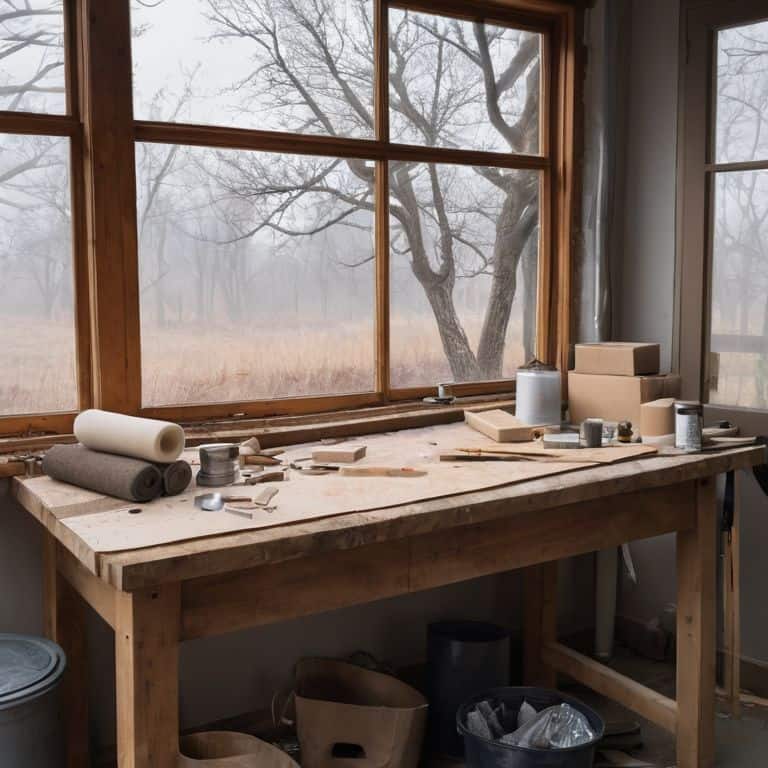
As I work on my latest upcycling project, I like to think about the bigger picture – how small changes, like adding a DIY draft stopper, can make a big impact on energy efficient window solutions. My trusty sidekicks, Bernie the brush and Sammy the sandpaper, are always by my side as I tackle these kinds of projects. When it comes to keeping the chill out, it’s all about finding the right window insulation materials to get the job done.
I’ve found that getting creative with draft stopper patterns can really make a project stand out. From stripes to polka dots, the possibilities are endless, and it’s a great way to add some personality to your DIY draft stopper. My DIY team, including my favorite tool, a vintage sewing machine named Vera, love helping me bring these unique designs to life. By using a little bit of imagination and some homemade weatherstripping, you can create a one-of-a-kind draft stopper that not only keeps your home cozy but also adds a touch of style.
As I finish up my project, I take a step back to admire my handiwork, feeling proud of the fact that I’ve not only created something beautiful but also contributed to a more energy efficient window solution. With my DIY draft stopper in place, I know I’ve done my part to keep the cold air out and the warm air in, all while adding a touch of rustic charm to my home.
Draft Stopper Patterns for Energy Efficiency
When it comes to draft stopper patterns, I love experimenting with different designs to maximize energy efficiency. My trusty sidekick, a sewing machine I’ve named “Stitch,” helps me bring these patterns to life. From simple straight lines to more intricate geometric shapes, the possibilities are endless. I’ve found that using a combination of thick fabrics, like velvet or denim, and insulating materials, such as cotton batting or wool roving, can make a huge difference in keeping the chill out.
Some of my favorite patterns include the classic tube design, which is easy to make and highly effective, and the more decorative pinwheel pattern, which adds a touch of whimsy to any room. My DIY team, including “Measure” the tape measure and “Cutty” the scissors, always get a workout when I’m working on a new draft stopper project. By combining functional materials with creative patterns, you can create draft stoppers that not only keep your home cozy but also add a personal touch to your decor.
Weaving Magic With Window Insulation Materials
As I delve into the world of window insulation, I’m reminded of the countless hours I spent in my parents’ workshop, watching them bring old furniture back to life. It’s this same sense of transformation that I love about DIY draft stoppers. My trusty sidekick, a vintage sewing machine I’ve named “Stitch,” helps me weave together unique materials like thick fabrics, wool, or even repurposed denim to create these draft-stopping wonders.
I’ve found that the key to effective window insulation lies in combining the right materials with a dash of creativity. My DIY team, including “Sawyer” the saw and “Drilliam” the drill, help me craft custom solutions that not only keep the chill out but also add a touch of rustic charm to any room.
Sealing the Deal: 5 Essential Tips for DIY Draft Stoppers
- Measure Twice, Cut Once: Ensure a snug fit by measuring your window accurately, taking into account the width and any obstructions like locks or handles
- Choose the Right Fabric: Select materials that are durable, easy to clean, and provide adequate insulation – I like to use vintage blankets or thick cotton fabrics
- Get Creative with Filling Materials: Experiment with different filling materials like rice, beans, or even recycled denim to find the perfect balance between weight and insulation
- Don’t Forget the Details: Add a personal touch to your draft stopper with decorative stitching, ribbons, or patches – my trusty sewing machine, Bertha, loves helping me with this part
- Maintenance is Key: Regularly fluff and rotate your draft stopper to ensure it continues to provide optimal insulation and doesn’t get flat or lumpy over time – my DIY team, including my trusty hammer, Hank, and tape measure, Terry, always remind me to keep my creations in top shape
Key Takeaways to Warm Up Your Windows
I’ve learned that with a little creativity, you can turn old clothes, fabric scraps, or even vintage towels into enchanting DIY draft stoppers that not only save energy but also add a touch of personality to your windows
By experimenting with different window insulation materials and patterns, such as weaving or sewing, you can create unique draft stoppers that fit your home’s rustic charm and modern twist, making each piece a reflection of your personal style
Remember, the beauty of DIY draft stoppers lies in their customizability, so don’t be afraid to get creative, introduce your own DIY team – like my trusty hammer, Hank, and my sewing machine, Bertha – and make this project a fun, imaginative journey to a cozier, more energy-efficient home
Sealing the Deal with Style
By crafting our own DIY draft stoppers for windows, we’re not just keeping the chill out, we’re inviting a sense of handmade charm into our homes, reminding us that even the smallest details can make a big difference in how we experience our living spaces.
Ryan Bennett
Wrapping Up Your Draft-Stopper Journey
As we conclude this DIY adventure, let’s recap the essential steps we’ve taken to create our own draft stoppers for windows. From selecting the perfect materials to weaving them into functional pieces of art, we’ve explored the world of window insulation with a touch of rustic charm and modern twist. I introduced you to my trusty DIY team, including Betsy the sewing machine and Hammerin’ Harry, who helped us bring these draft stoppers to life. By following these steps and adding your personal flair, you’ve not only improved the energy efficiency of your home but also added a unique, handmade touch to your windows.
As you proudly display your finished draft stoppers, remember that the true magic lies not just in the end result, but in the creative process itself. Don’t be afraid to experiment with different materials, patterns, and designs – after all, that’s what makes DIY projects so rewarding. So, go ahead and unleash your inner DIY spirit, and who knows, you might just find yourself upcycling old furniture or tackling a new project that brings you joy and satisfaction. Happy crafting, and until next time, stay creative!
Frequently Asked Questions
What kind of fabric is best to use for DIY draft stoppers to ensure they are both decorative and functional?
I’m a big fan of using vintage or repurposed fabrics for DIY draft stoppers – they add a unique touch while keeping the chill out. My go-to’s are thick cotton, wool, or even upcycled denim. My trusty sidekick, ‘Sewy’ the sewing machine, loves working with these materials to create both functional and decorative draft stoppers!
Can I use old clothes or materials to make a DIY draft stopper, or are there specific requirements for the filling and outer layer?
Absolutely, you can upcycle old clothes or materials to make a DIY draft stopper. I love using my grandma’s vintage fabrics for the outer layer and filling it with recycled polyester fiberfill or even dried beans. My trusty tool, ‘Sewy’ the sewing machine, helps me bring it all together. Just make sure the material is thick enough to block the cold air and the filling is dense enough to keep the warmth in.
How do I determine the right size for my DIY draft stopper to effectively block cold air from entering my room?
To determine the right size for your DIY draft stopper, measure the width of your window and add a few inches to ensure a snug fit. My trusty tape measure, ‘Terry,’ always helps me get the perfect fit. Aim for a length that’s about 2-3 inches longer than the window width to effectively block cold air.