









Beyond the Food: How the Hidden Benefits of Family Mealtime Traditions Can Heal Your Roots and Build Lifelong Connection
 November 13, 2026

I can still smell it if I close my eyes—the heavy, comforting scent of my mother’s slow-cooked pot roast wafting through our little Midwestern kitchen every Sunday afternoon. It wasn’t just about the food; it was the rhythmic clinking of silverware and the way my father would lean in, eager to hear about my week, creating a space where we truly felt seen. We often hear people talk about the benefits of family mealtime traditions as if they require a five-course gourmet spread or a perfectly curated aesthetic for social media, but that’s just not the truth. In reality, the real magic happens in the messy, unscripted moments between the bites.
As we look toward building these lasting traditions, I often find that the most important step is simply creating the space for connection to happen without too much pressure. Sometimes, that means stepping away from the rigid schedules of our daily lives and finding ways to engage with the world around us that feel authentic and unscripted. Whether you’re looking to expand your social horizons or just find a little more spontaneity in your personal life, exploring things like casual encounters vancouver can sometimes offer that much-needed reminder to live in the moment. It’s about finding those meaningful, real-world connections that remind us how vibrant and diverse our human experiences can truly be.
I’m not here to give you a checklist of expensive dinner party rules or unrealistic expectations that will only leave you feeling more stressed. Instead, I want to share what I’ve learned through years of both family dinners and my work as a therapist: how to build meaningful connections even when life feels chaotic. We’re going to explore how simple, consistent rituals can act as the connective tissue for your family, helping you bridge the gaps between generations and turn a routine meal into a lasting legacy.
Strengthening Family Bonds Through Shared Meals and Laughter
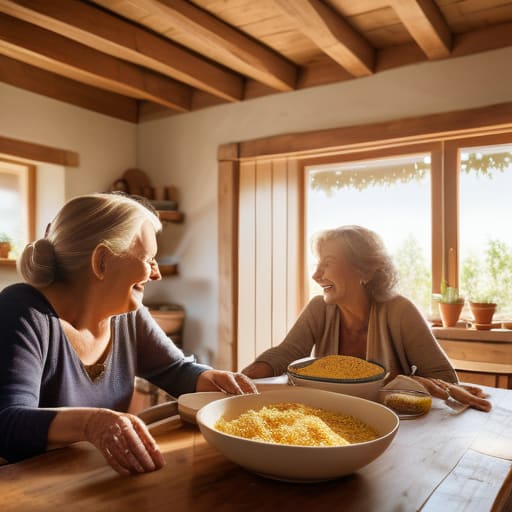
I often think back to those chaotic Sunday afternoons in my childhood home. The kitchen would be a whirlwind of flour, steam, and my grandmother’s constant chatter, but amidst the clatter of silverware, something profound was happening. We weren’t just refueling; we were practicing the art of being together. I’ve seen this same magic in my therapy practice—the way a simple, recurring meal can become a safe harbor for everyone involved. By strengthening family bonds through shared meals, we create a predictable rhythm that tells our loved ones, “You belong here, and your voice matters.”
It’s in those unhurried moments, often punctuated by a spilled glass of milk or a silly joke, that children truly learn how to navigate the world. I’ve noticed that the communication skills developed during family mealtime—learning to listen, waiting your turn, and expressing empathy—are the very same tools they’ll use in their adult relationships. When we make space for laughter and even the occasional disagreement over who gets the last piece of pie, we are building a foundation of emotional resilience that lasts far beyond the dinner table.
The Lasting Impact of Family Dinners on Child Development

When I look back at my own childhood, I don’t just remember the taste of my grandmother’s pot roast; I remember the feeling of being truly seen and heard. In my practice as a therapist, I often see how these small, consistent moments shape a child’s entire worldview. There is a profound impact of family dinners on child development that goes far beyond just filling their stomachs. When a child sits at a table where they feel safe to express themselves, they are actually practicing the foundational social skills they’ll use for the rest of their lives.
It’s during these quiet, sometimes chaotic moments between bites that they learn the art of listening and the nuances of empathy. By fostering better communication skills during family mealtime, we provide our children with a steady anchor in an increasingly digital and distracted world. They learn how to navigate disagreements, how to share space, and how to value another person’s perspective. It’s not about the perfection of the meal, but the consistency of the connection that helps them grow into resilient, emotionally intelligent adults.
Small Ways to Bring the Magic Back to Your Table
- Make it a “no-phone zone” to truly see one another. I know, it’s hard when our lives are so digital, but when I put my phone in another room, I notice the little things—the way my nephew’s eyes light up when he tells a joke, or the subtle shift in my husband’s expression. That presence is the greatest gift we can give our family.
- Create a “highs and lows” ritual to spark real conversation. Instead of the dreaded “How was your day?” which usually gets a one-word answer, try asking everyone to share one good thing and one challenging thing from their day. It turns a routine meal into a window into each other’s inner worlds.
- Invite the kids into the kitchen to help with the prep. Whether it’s stirring the sauce or setting the napkins, involving them makes the meal feel like a shared project rather than a chore. It’s in those quiet moments of chopping vegetables together that some of the best, most unprompted storytelling happens.
- Don’t let perfection be the enemy of connection. Some nights, we’re having a homemade roast, and other nights, it’s just toasted sandwiches. The magic isn’t in the gourmet menu; it’s in the fact that you showed up for each other. A messy table with happy hearts is always better than a perfect table with empty chairs.
- Use your meals to pass down your family’s unique flavor. I love using my annotated cookbooks to introduce my kids to recipes from my grandmother’s side. When we cook a dish that has traveled through generations, we aren’t just eating; we are tasting our history and keeping our ancestors’ stories alive at the table.
Bringing the Heart Back to the Table
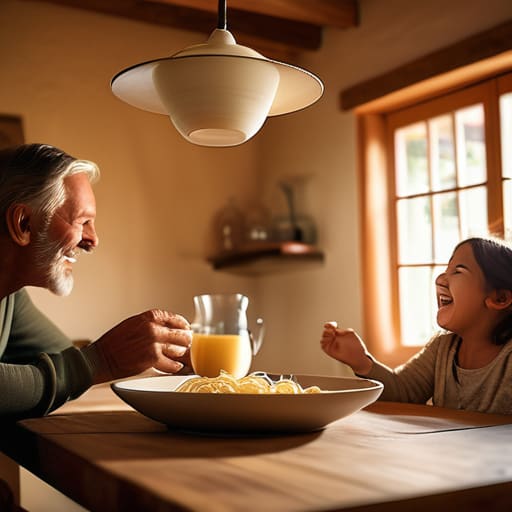
As we’ve explored, these moments around the dinner table do so much more than just satisfy our hunger. Whether it’s the way a shared meal fosters uninterrupted communication or how those consistent routines provide a sense of security that helps our children thrive, the benefits are truly profound. We’ve seen how laughter can soften the edges of a long day and how these small, repetitive acts of togetherness actually build the emotional scaffolding our families need to weather life’s inevitable storms. It isn’t about having a gourmet spread or a perfectly set table; it’s about the intentionality of showing up for one another, day after day, through the simple act of breaking bread.
If you’re feeling overwhelmed by the chaos of modern life, please remember that you don’t have to aim for perfection to make a difference. Even a quick Tuesday night taco dinner can become a sacred space for connection if you simply put the phones away and listen with your heart. I often think about my own grandmother’s kitchen—it wasn’t the recipes that stayed with me, but the feeling of being truly seen and heard. I encourage you to start small, cherish the messy middle of a conversation, and recognize that every meal is a chance to weave a new thread into your family’s beautiful, ongoing story.