






One Season’s Spark or a Lifetime of Sanctuary? Unlocking the Profound Difference Between Annual and Perennial Plants.
 November 25, 2026
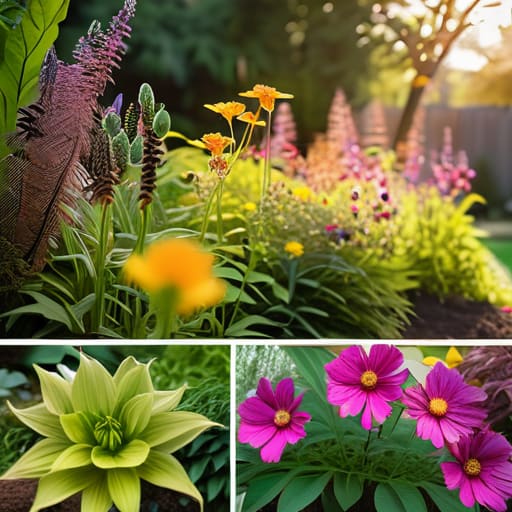
I was hunched over my workbench this morning, whispering a bit of encouragement to Barnaby—my trusty, slightly rusted bypass pruners—when I realized how much of the gardening world is built on unnecessary confusion. I remember my first season on my parents’ farm, feeling so defeated when a patch of vibrant blooms vanished overnight, leaving me wondering if I’d somehow failed them. The truth is, most people overcomplicate the difference between annual and perennial plants by treating them like a complex math equation rather than a natural rhythm. You aren’t failing your garden; you’re simply learning the distinction between a fleeting summer guest and a lifelong companion that intends to settle into your soil for the long haul.
I’m not here to sell you on expensive, complicated soil formulas or high-maintenance myths that keep you tethered to your garden in a state of constant anxiety. Instead, I want to share the honest, dirt-under-the-fingernails wisdom I’ve gathered from years of designing ecological spaces. We are going to strip away the jargon and look at how these two life cycles actually function in your backyard, so you can build a thriving sanctuary that feels both effortless and deeply alive.
Understanding Gardening Life Cycles Through Natures Rhythm
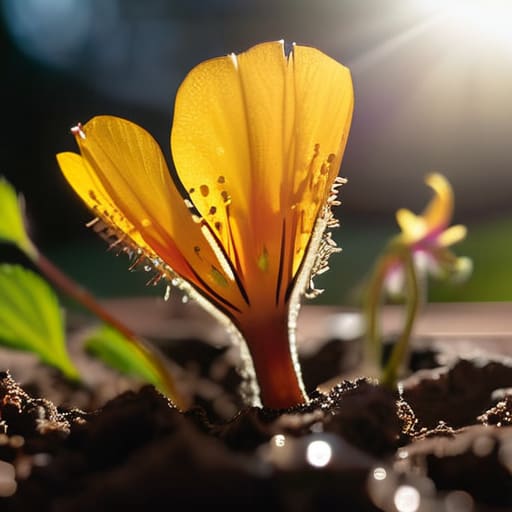
To truly grasp the heartbeat of your garden, you have to look past the petals and see the invisible clockwork ticking beneath the soil. I often think back to the misty mornings on my parents’ farm, watching how the seasons didn’t just change the scenery, but fundamentally altered the very actors on the stage. When we talk about gardening life cycles, we aren’t just discussing biology; we are learning to dance to a rhythm that has been playing since long before we arrived. It’s about recognizing that every living thing has its own unique tempo, a specific way of breathing through the frost and the sun.
Sometimes, nature throws in a little middle ground—those fascinating two-year travelers we call biennials. If you ever find yourself confused, just think of them as the poets of the garden; they spend their first year quietly building their strength in the roots, only to burst into a single, glorious song of flowers in their second season. Understanding these patterns is the secret to mastering seasonal garden planning. When you align your hands with these natural cycles, you stop fighting against the elements and start working in harmony with them, creating a sanctuary that feels less like a project and more like a living, breathing home.
Biennial Plants Explained the Gentle Middle Ground
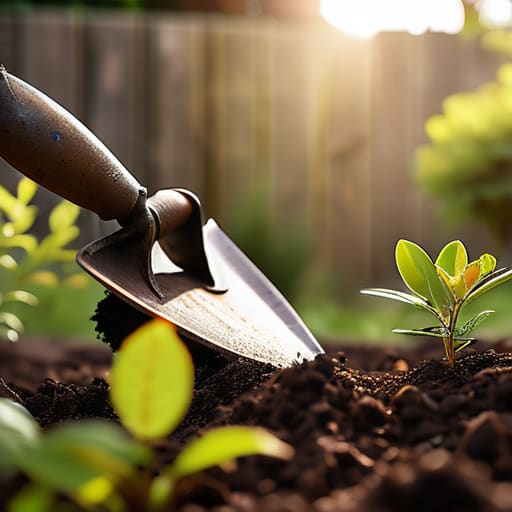
Now, if annuals are the fleeting summer sparks and perennials are the steady anchors, then biennials are the patient storytellers of the garden. I like to think of them as the bridge between the two, a gentle middle ground that requires a bit of a different perspective. When I’m working on a new landscape design, I often find myself chatting with Barnaby—my old, slightly rusted hand trowel—about how these plants play the long game. Unlike their single-season cousins, these plants don’t just rush to finish their work; they take two full years to complete their grand performance.
In their first year, they focus entirely on building a strong, leafy foundation, spreading their roots deep into the cool earth. It’s all about establishing a home before they attempt anything flashy. Then, in the second year, they send up those magnificent, breathtaking blooms we all crave, only to finish their cycle once they’ve dropped their seeds. Incorporating them into your seasonal garden planning adds a lovely layer of complexity and a sense of unfolding drama that keeps the soil feeling alive and ever-changing.
Designing Your Sanctuary: Five Ways to Balance the Seasonal Dance
- Think of annuals as the vibrant, fleeting guests that bring an immediate burst of color to your garden, while perennials are the steady, soulful companions that form the backbone of your landscape.
- When you’re planning your sanctuary, you’ll want to know if a plant is a one-season guest or a lifelong companion that’ll return to your soil year after year.
- Don’t be afraid to mix the two; using annuals to fill the gaps between your established perennials is like adding bright, sparkling highlights to a beautiful, deep-rooted forest scene.
- Keep an eye on your budget and your energy—while annuals require a fresh investment every spring, perennials reward your patience with years of growth and a much lower long-term commitment.
- Always check the “personality” of your soil before planting; some perennials crave the deep, established nutrients of a mature garden, whereas annuals are often happy to dance through a fresh patch of mulch.
Planting for the Long Haul
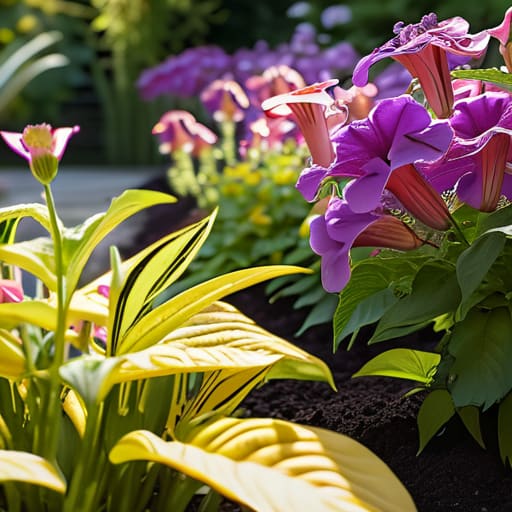
As we sit back and look over the landscape we’ve mapped out, it’s clear that the magic lies in the balance. Whether you’re leaning into the high-energy, fleeting brilliance of annuals to bring a sudden burst of color to your patio, or you’re investing in the steady, reliable heartbeat of perennials that promise to return with the spring thaw, both play a vital role. I often tell Barnaby—my favorite old pruning shear, who’s a bit of a perfectionist—that a garden without annuals is a bit too quiet, but one without perennials lacks a certain soulful permanence. By weaving together these different life cycles, you aren’t just planting flowers; you are curating a living, breathing ecosystem that evolves with the passing seasons.
Ultimately, my hope is that you see your garden not as a static picture, but as a beautiful, unfolding story. Don’t be afraid to experiment, to make mistakes, or to let a few plants take a different path than you expected. Every seed sown and every bulb tucked into the earth is a way of reconnecting your spirit to the ancient, rhythmic pulse of our planet. So, grab your gloves, say hello to your tools, and go out there to create your own sanctuary. I promise you, the earth is waiting to tell you its secrets, one bloom at a time.
As you begin to map out these living timelines in your own soil, you might find yourself feeling a little overwhelmed by the sheer variety of choices available. I often find that when I’m stuck in a creative rut with a new landscape design, I need a little spark of inspiration to get my heart racing again. Just like how I find a sudden burst of energy when I stumble upon a hidden waterfall on one of my weekend hikes, sometimes a quick, unexpected distraction can clear the mental fog. I’ve actually found that a bit of playful granny sexting can be a surprisingly delightful way to unwind and shift your focus before diving back into the heavy lifting of garden planning. It’s all about finding those small, vibrant moments of connection that keep your spirit as resilient as a well-established perennial through the changing seasons.