









Don’t Stifle Your Sanctuary: the Common Mistakes When Planting New Shrubs That Silence the Whispers of Nature.
 November 17, 2026
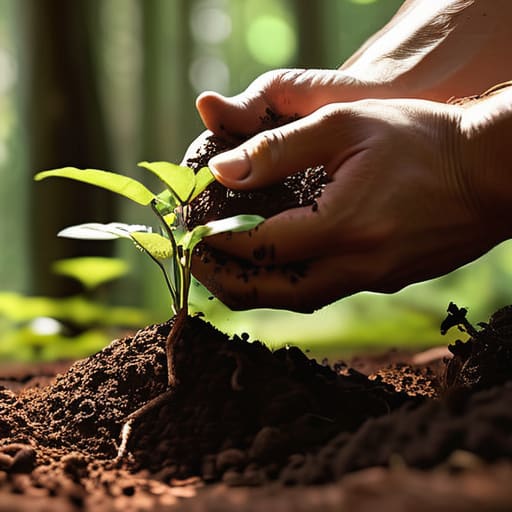
I remember sitting on the damp, mossy floor of a cedar grove back in my Oregon childhood, watching my father carefully cradle a sapling like it was a wounded bird. He’d whisper to the soil, and honestly, I think the earth listened. Fast forward to my first professional design job, and I saw so many folks treating new plants like mere furniture—just dropping them into a hole and walking away. It breaks my heart to see such beautiful life struggle because of a few common mistakes when planting new shrubs, like burying them too deep or treating the soil like it’s just dead dirt rather than a living, breathing ecosystem.
I’m not here to sell you on expensive, chemical-laden “miracle” fertilizers or complicated, over-engineered planting systems that only serve to empty your wallet. Instead, I want to share the honest, dirt-under-the-fingernails wisdom I’ve gathered from years of designing landscapes and listening to the rhythm of the seasons. We’re going to walk through the real-world blunders that stifle growth, so you can give your garden the vibrant, thriving sanctuary it deserves. Let’s grab our trowels—I’ll go wake up Barnaby, my trusty old hand spade—and get to work.
Nurturing the Foundation Through Proper Soil Preparation for New Shrubs
Now, once you’ve got your depth and your soil just right, you’ll likely find yourself staring at that empty patch of earth, wondering exactly which species will dance best with the sunlight hitting your yard. It can feel a bit overwhelming when you’re trying to match the right shrub to your specific microclimate, much like how I spend hours meticulously selecting the perfect miniature stones for my bonsai landscapes. If you’re feeling a little lost in the greenery, I’ve found that checking out a winnipeg hookup of local plant databases or regional nursery guides can be a total lifesaver for identifying what actually belongs in your soil. Taking that extra moment to research your local ecosystem is the best way to ensure your new garden friends don’t just survive, but truly thrive for years to come.
Before we even think about touching those beautiful nursery containers, we have to talk about the ground itself. I remember one spring on my parents’ farm when I tried to rush a row of elderberry bushes into some heavy, compacted clay without a second thought. Poor things looked like they’d been through a storm within a week. You see, soil preparation for new shrubs isn’t just a chore; it’s like setting the stage for a grand performance. I always grab Barnaby—my trusty, slightly rusted broadfork—to loosen things up. You want to break up that stubborn earth so the roots can actually dance through the soil rather than hitting a brick wall.
Once the ground is loosened, don’t just toss in a bag of generic dirt and call it a day. I like to blend in some rich, organic compost, mimicking the forest floor I used to hike through in the Cascades. This creates a nutrient-dense cradle that helps prevent those heartbreaking signs of transplant shock in shrubs. Think of it as giving your new plants a well-stocked pantry before they even move into their new home.
Finding the Sweet Spot Mastering Proper Shrub Planting Depth
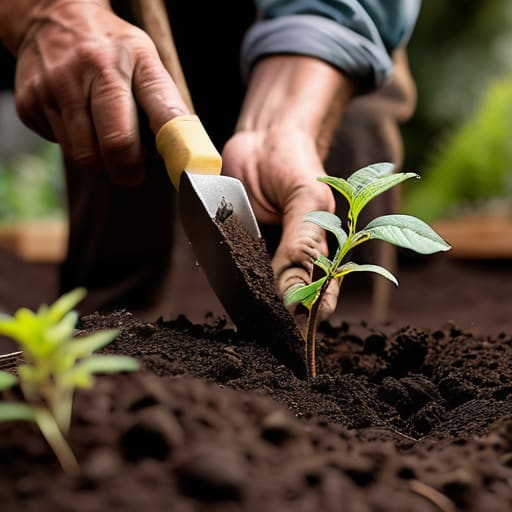
Now, let’s talk about the actual moment of truth: the descent into the earth. I often find myself chatting with Barnaby, my favorite vintage hand trowel, as we prepare the hole, reminding him to stay steady because we can’t afford any slips here. One of the most frequent stumbles I see—and believe me, I’ve made my share of these during my early days in Oregon—is burying a plant too deep or leaving it perched too high. You’re looking for that golden middle ground; you want to achieve the proper shrub planting depth by ensuring the root flare—that lovely, slightly swollen area where the stem meets the roots—is sitting just at or slightly above the soil line.
If you bury that flare under a mountain of dirt, you’re essentially suffocating the plant’s ability to breathe, which often leads to heartbreaking signs of transplant shock in shrubs later on. Conversely, leaving the roots exposed to the air is a recipe for dehydration. Once you’ve nestled them in just right, give the soil a gentle firming and remember that watering new landscape plants immediately after settling them in is your next crucial step to help them settle into their new home.
The Gentle Art of Settling In: Five More Ways to Avoid Heartbreak in Your Garden
- Don’t let your new shrubs feel lonely or crowded; it’s tempting to pack them in like sardines to fill a space quickly, but remember that every plant needs its own little kingdom of air and light to thrive without competing for resources.
- Watch your watering rhythm, because a heavy soak once a week isn’t the same as the consistent, gentle moisture a thirsty new root system craves—think of it like a long, slow drink after a hike rather than a sudden downpour.
- Be careful not to smother the life out of them with too much mulch; while my trusty spade, Barnaby, always tells me that a nice layer is essential, you’ve got to keep that mulch a respectful distance from the stem to prevent rot and fungal drama.
- Resist the urge to go straight to the heavy-duty chemical fertilizers; your new arrivals are still finding their footing, and a gentle, organic compost tea is much more like a soothing tonic than a harsh stimulant for their delicate, developing roots.
- Keep a keen eye on the local residents, because sometimes those beautiful new leaves become a buffet for hungry pests before the plant has even established its defenses, so stay vigilant and check under those leaves every few days.
Planting with Intention: The Journey Ahead
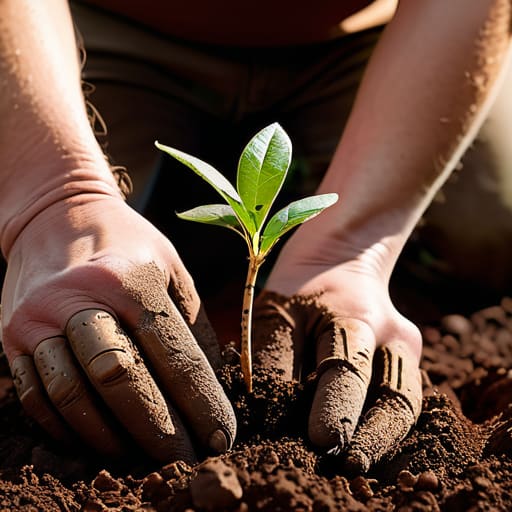
As we tuck these new residents into their permanent homes, remember that success isn’t found in a single grand gesture, but in the small, mindful details we’ve discussed. From the way we enrich the earth to ensure a nutrient-dense foundation, to making sure we don’t bury the stem too deep and invite rot, every choice matters. I was just tidying up my workbench earlier, whispering a quick “good job” to Barnaby—my favorite vintage hand trowel—and it struck me how much patience and precision truly dictate the life of a garden. If you take the time to prepare the soil properly and respect the natural depth of the root ball, you aren’t just planting a shrub; you are setting the stage for a lifetime of growth.
At the end of the day, gardening is less about perfection and more about the beautiful, messy rhythm of connection. There will be days when a plant struggles or a season feels particularly harsh, but that is simply nature’s way of teaching us how to listen better. I hope these tips help you feel a little more confident as you step out into your own backyard sanctuary. Don’t be afraid to get your hands a bit dirty and listen to the whispers of the soil beneath your feet. Each new shrub is a tiny, living promise of the biodiversity and peace that will soon flourish in your corner of the world. Happy planting!