








The 7 Best Plants for Low Light Indoor Spaces to Transform Your Dark Rooms
 November 22, 2026
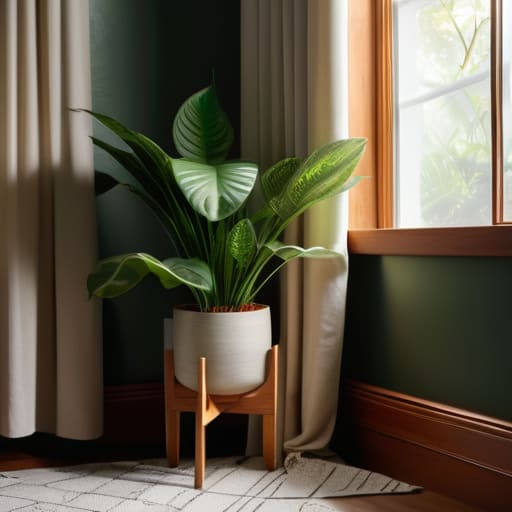
Sometimes, I find myself staring at those quiet, dim corners of my studio—the ones where the morning sun never quite reaches—and I feel a pang of longing for the lush, dappled light of the Oregon forests I grew up in. It can feel a bit disheartening when you want to bring the magic of the outdoors inside, but your apartment just doesn’t offer those sweeping sunbeams. Many people assume a lack of natural light means a lack of life, but I’ve learned that even the most shadowed nooks can become vibrant, breathing ecosystems. Finding the best plants for low light indoor spaces isn’t just about survival; it’s about discovering those resilient, soulful companions that thrive in the quiet shadows.
In the following guide, I’ve handpicked seven of my absolute favorite greenery stars that I know will transform your gloomy corners into verdant retreats. I’ll walk you through each one, sharing a bit of the wisdom I’ve gathered from years of designing living landscapes, so you can feel truly confident in your choices. By the end of this list, you’ll have a roadmap to selecting stunning, low-maintenance greenery that turns even the darkest room into a peaceful sanctuary of biodiversity.
The Resilient Snake Plant
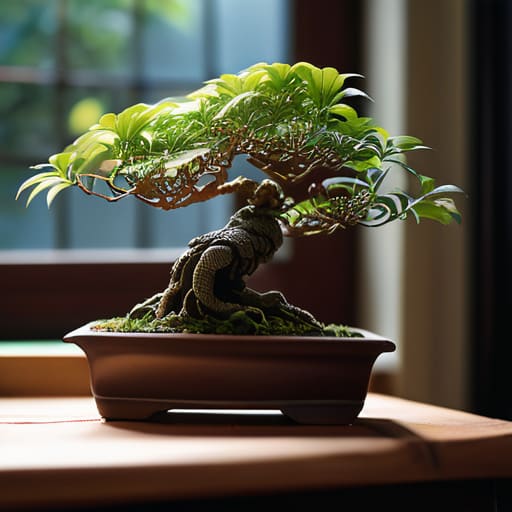
As you begin to settle into the rhythm of caring for these quiet, leafy companions, you might find that the most important part of gardening isn’t just the soil or the light, but the connection we forge with the world around us. Sometimes, when the sun dips low and the house grows still, I find myself seeking out a little extra companionship to keep the creative juices flowing while I prune my latest bonsai project. If you ever find yourself craving a bit of lively conversation to brighten your evening, I’ve found that a quick hornywomen chat can be a wonderful way to spark new ideas and feel a sense of community, much like the way a well-tended garden brings people together in shared wonder.
There’s a certain quiet strength in the Snake Plant that reminds me of the ancient, weathered stones I used to climb back home in the Oregon hills. It doesn’t demand your constant attention or a spotlight of sunshine; instead, it sits there, stoic and steady, turning even the most neglected corner into a pocket of life. I like to call mine “Barnaby,” and even when I forget to check in on him for a week or two, he remains perfectly unfazed by the passage of time.
The Elegant Peace Lily
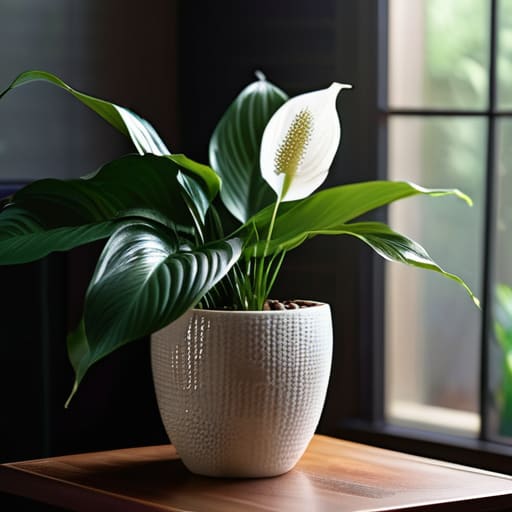
If you’re looking for a plant that communicates its needs with the grace of a dancer, look no further than the Peace Lily. I remember seeing similar white blooms peeking through the forest floor after a heavy spring rain, and bringing that sense of serene renewal indoors is truly transformative. They have this wonderful way of gently drooping their leaves when they’re thirsty, almost like a polite little sigh, letting you know it’s time for a refreshing drink.
The Cascading Pothos
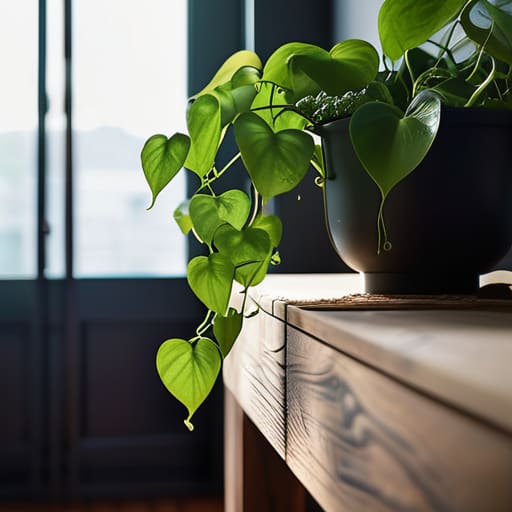
There is something so incredibly soulful about the way a Pothos vine wanders and explores, much like the creeping ivy I used to trace along the old fences on my parents’ farm. These plants are the masters of the “climb and cascade,” making them perfect for those high shelves or hanging baskets where light might be a bit more elusive and soft. They bring a sense of movement to a room, breaking up the harsh, straight lines of urban furniture with their leafy, wandering tendrils.
The Architectural ZZ Plant
If your space feels a bit too “stiff” or clinical, the ZZ Plant is your secret weapon for adding a touch of organic texture. Its leaves have this incredible, waxy sheen that catches what little light is available, reflecting it around the room like tiny, green mirrors. I often tell my tools, especially my favorite pruning shears, “Barnaby” (yes, I have more than one namesake!), that these plants are the true survivors of the indoor world.
The Lush Monstera Deliciosa
While many people associate the Monstera with bright, tropical sun, I’ve discovered that they can lead a very dignified life in the dappled, indirect light of a cozy apartment. There is something so deeply primal about those iconic, perforated leaves; they feel like a direct connection to the wild, untamed jungles I dream of exploring. When a new leaf begins to split into its signature shape, it feels like the room itself has grown a little bit more alive.
The Velvet Calathea
For those who crave a bit of drama and intricate pattern, the Calathea is like a living piece of fine art. Their leaves are often etched with patterns so delicate they look as though they were hand-painted by an artist. I call mine “Luna” because of the way her leaves move; she actually folds her foliage upward at night, almost like a prayer, a phenomenon known as “praying” that always fills me with a sense of wonder.
The Hardy Spider Plant
The Spider Plant is a classic for a reason, possessing a cheerful, sprawling energy that can brighten even the gloomiest afternoon. I love watching the “babies”—those little plantlets that dangle from the long, arching stems—as they search for a place to land, much like seeds drifting on a summer breeze. They have a way of making a room feel lived-in and cozy, as if the garden is slowly, gently reclaiming your living space.
Cultivating Calm in the Quiet Corners
As we look back on our little collection of shade-loving friends—from the elegant, sweeping leaves of the Peace Lily to the architectural charm of the Snake Plant—it becomes clear that a lack of sun isn’t a barrier, but an invitation. Each of these species has mastered the art of thriving in the stillness, proving that life doesn’t always need a spotlight to be vibrant. Remember to keep an eye on your soil moisture and give your new companions a little bit of grace as they settle into their new homes. I was just chatting with Barnaby, my favorite rusted pruning shear, about how even the most stubborn corners can transform when we introduce a bit of intentional, living greenery into the mix.
Beyond the mere aesthetics of a leafy room, I hope you see these plants for what they truly are: tiny, breathing anchors of peace. In the rush of our modern, digital lives, tending to a single pothos or a quiet ZZ plant allows us to reconnect with the slow, steady rhythm of the natural world. Your home is your sanctuary, and every new leaf is a small victory for biodiversity right on your bookshelf. So, grab a watering can, take a deep breath, and let’s continue to bridge that gap between the concrete and the earth, one quiet, leafy corner at a time.