









Making Room for Magic: How to Organize a Playroom for Small Spaces So Your Family Can Truly Connect
 November 6, 2026
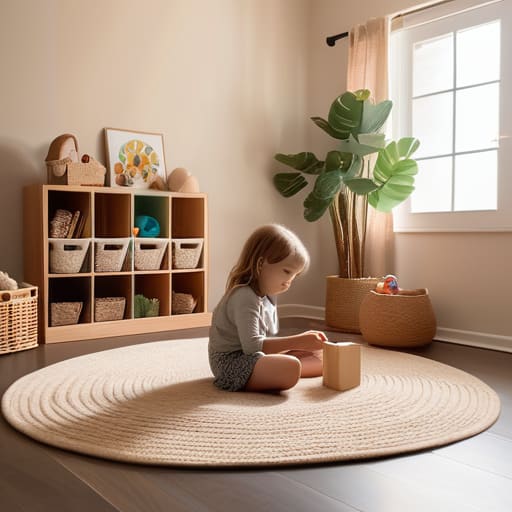
I remember sitting on my living room floor last Tuesday, surrounded by a literal sea of plastic building blocks and mismatched puzzle pieces, feeling that familiar, heavy sigh rising in my chest. My niece was laughing, lost in her own little world, but all I could see was the chaos encroaching on our shared family space. It’s that overwhelming moment when you realize that your home is shrinking under the weight of childhood, and you start wondering how to organize a playroom for small spaces without it feeling like a sterile, joyless showroom. We’ve all been told that we need massive, expensive storage systems to make it work, but I’ve learned through years of navigating family dynamics that clutter isn’t just about stuff—it’s about the energy in the room.
I’m not here to sell you on a high-priced organizational system or a lifestyle you can’t maintain. Instead, I want to share some heartfelt, practical strategies that focus on creating meaningful connection rather than just tidying up. We are going to look at how to maximize every inch of your home to foster creativity and togetherness, ensuring that your small space feels less like a storage unit and more like a sanctuary for your family’s most precious memories.
Nurturing Focus Through Smart Toy Rotation Strategies for Small Rooms
While we’re focusing so much on the physical layout of the room, I’ve found that the emotional atmosphere is just as important for keeping things calm. When the clutter starts to feel overwhelming, I often find myself needing a little bit of “grown-up” connection or a quick mental escape to recharge before I can dive back into the world of toy bins and colorful rugs. Sometimes, finding a moment to engage in a bit of lighthearted conversation through adult chat Canada can be a wonderful way to reconnect with yourself and find that sense of adult identity that can occasionally get lost in the beautiful chaos of parenting. It’s all about maintaining that balance so you can show up as your best, most patient self for your little ones.
One thing I’ve learned through years of observing family dynamics is that too much “stuff” can actually lead to a bit of sensory overwhelm for our little ones. When every single toy is out on the floor at once, it’s hard for a child to truly engage with what they’re playing with. I like to think of toy rotation strategies for small rooms as a way to gift them focus. Instead of a mountain of plastic, try offering just a few curated sets at a time. It turns playtime into a fresh, exciting discovery every week, rather than a chaotic scramble through a sea of clutter.
To make this work in a tighter footprint, I always suggest looking up. Utilizing vertical storage solutions for kids—like sturdy wall-mounted baskets or slim shelving—allows you to keep the “active” toys at their eye level while the rest of the collection stays tucked away safely. It’s a bit like how I organize my genealogy files; I keep the most precious, recent discoveries right on my desk, while the older records stay organized in the archives. This way, you aren’t just decluttering; you’re creating a calm, intentional environment where they can truly thrive.
Clever Vertical Storage Solutions for Kids to Reach New Heights
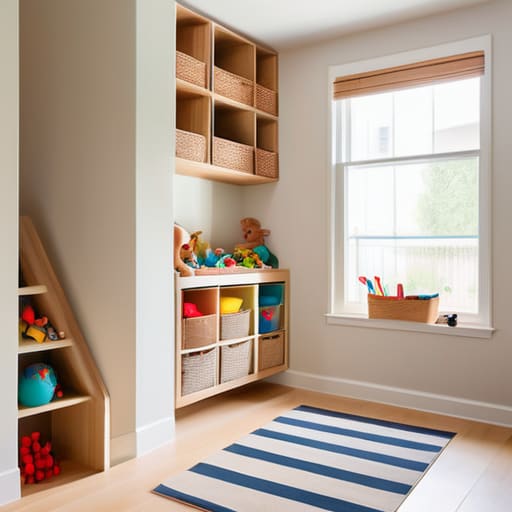
When we’re working with limited square footage, I’ve found that the secret often lies in looking up rather than out. It’s so easy to get overwhelmed by the sheer volume of toys sprawling across the floor, but by utilizing vertical storage solutions for kids, we can actually reclaim that precious floor space for movement and connection. I often think of it like the way I organize my genealogy files—everything has a specific place, tucked away neatly so it doesn’t feel like it’s crowding the room.
I love using wall-mounted bookshelves or even those colorful pegboards to get the smaller, more delicate items off the ground. This isn’t just about tidying up; it’s about maximizing floor space in play areas so your little ones have the freedom to spread out a blanket for a story or a puzzle. If you can incorporate multifunctional furniture for playrooms, like a small bench that doubles as a cubby, you’re doing more than just organizing—you’re creating a sense of order that helps a child feel calm and grounded in their own little world.
Little Corners, Big Memories: 5 Ways to Make Your Small Playroom Feel Like Home
- Embrace the “Zone” Method: Even in a tiny room, you can create little pockets of purpose. Instead of letting toys drift everywhere, try designating one small rug for “quiet reading” and a tiny corner for “building blocks.” It helps children feel a sense of order and helps them transition more easily between different types of play.
- Multi-Functional Furniture is Your Best Friend: I often tell my clients that in a small home, every piece should pull double duty. Look for ottomans that tuck away toys or a small table that can double as a craft station. It’s about making sure the space can transform from a high-energy play zone to a calm area for connection in an instant.
- Use Clear Bins to Tell a Visual Story: When space is tight, visual clutter can feel overwhelming for both kids and parents. Using clear, labeled bins allows your little ones to see exactly where their treasures live. It teaches them a bit of responsibility and helps them find what they need without turning the whole room upside down.
- Create a “Memory Nook” Amidst the Chaos: It’s easy to get caught up in the logistics of storage, but don’t forget the heart of the room. Dedicate one small shelf or a tiny corkboard to display family photos or a drawing they’re particularly proud of. It reminds them that this space isn’t just for “stuff”—it’s a place where they belong.
- The “One-In, One-Out” Family Rule: To keep a small space from feeling claustrophobic, I like to encourage a gentle rhythm of letting go. When a new toy comes into the home, perhaps an older one can be donated to another child. It’s a wonderful way to teach them about gratitude and the idea that our belongings are part of a larger cycle of giving.
Creating Space for What Truly Matters
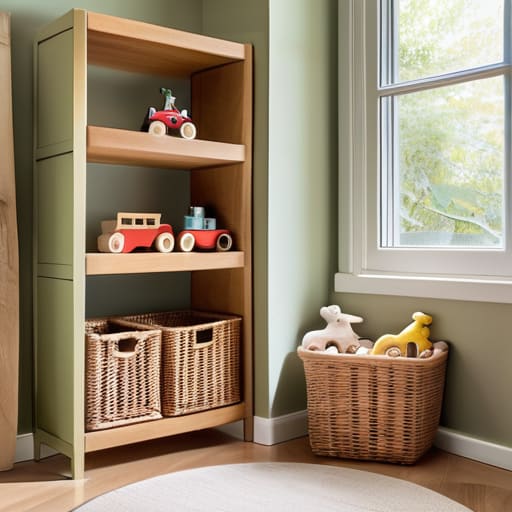
As we wrap up our look at making the most of your limited square footage, I hope you feel a little more empowered to tackle that clutter. By implementing thoughtful toy rotations, we aren’t just cleaning up; we are actually protecting their attention spans and making play feel like a fresh adventure every single time. When we lean into those clever vertical storage solutions, we stop fighting against the walls and start working with them, turning every nook and cranny into a functional part of your home. Remember, organizing a small playroom isn’t about achieving a sterile, perfect showroom; it’s about finding a sustainable rhythm that allows the toys to have a home and your children to have room to breathe.
At the end of the day, I want you to remember that the most important part of any playroom isn’t the bins, the shelves, or the perfectly labeled baskets. It’s the connection that happens in between the organized chaos. Whether it’s a messy fort built under a small table or a quiet moment spent reading together in a cozy corner, these are the moments that weave the fabric of your family’s story. Don’t let the pursuit of a “perfectly organized” house steal the joy of a beautifully lived-in home. Focus on creating a space that invites play, fosters curiosity, and, most importantly, leaves plenty of room for your family to grow together.