






Rough Edges, Smooth Ux: Mastering Neubrutalism in Ui Design
 March 10, 2026
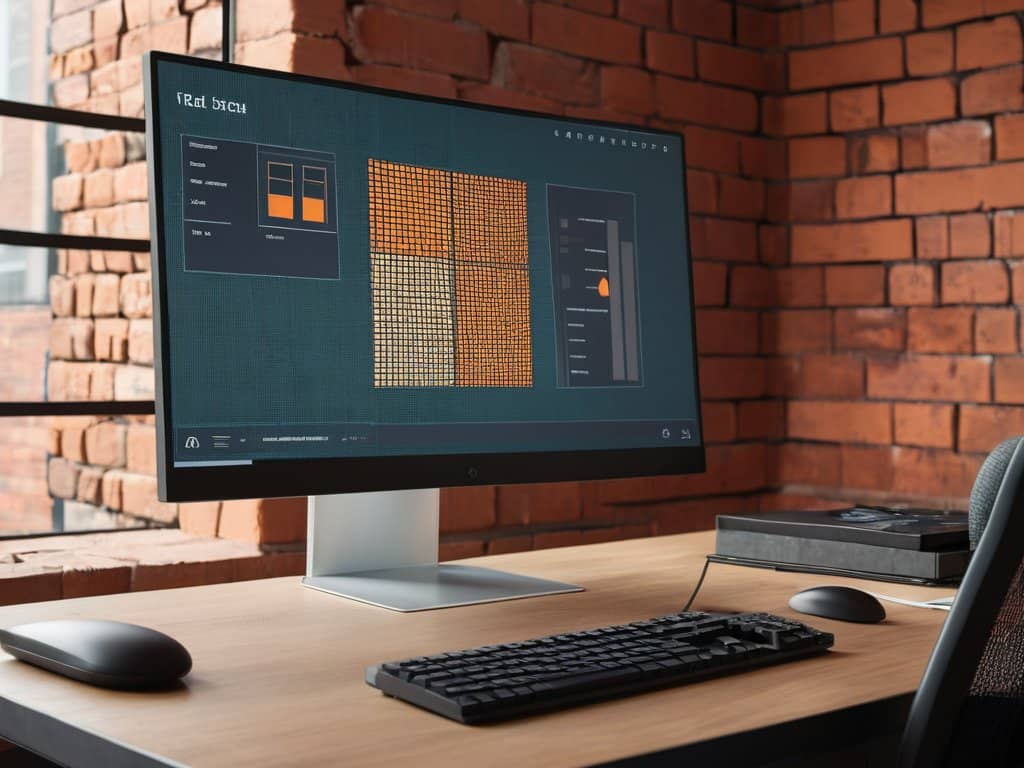
I still remember the first time I stumbled upon neubrutalism in UI design – it was like a punch in the face, a wake-up call from the sea of sleek, cookie-cutter interfaces that dominated the design world. The raw, unapologetic nature of neubrutalism was a breath of fresh air, and I was immediately drawn to its unflinching honesty. As I delved deeper into this design trend, I realized that it wasn’t just about aesthetics; it was about creating a genuine connection with the user.
In this article, I promise to cut through the hype and provide you with no-nonsense advice on how to effectively incorporate neubrutalism into your UI design. I’ll share my own experiences, the successes and the failures, to give you a realistic understanding of what works and what doesn’t. My goal is to empower you with the knowledge to create authentic, user-centric designs that truly resonate with your audience. By the end of this article, you’ll have a clear understanding of how to harness the power of neubrutalism in UI design to create meaningful, lasting experiences for your users.
Table of Contents
Neubrutalism in Ui Design
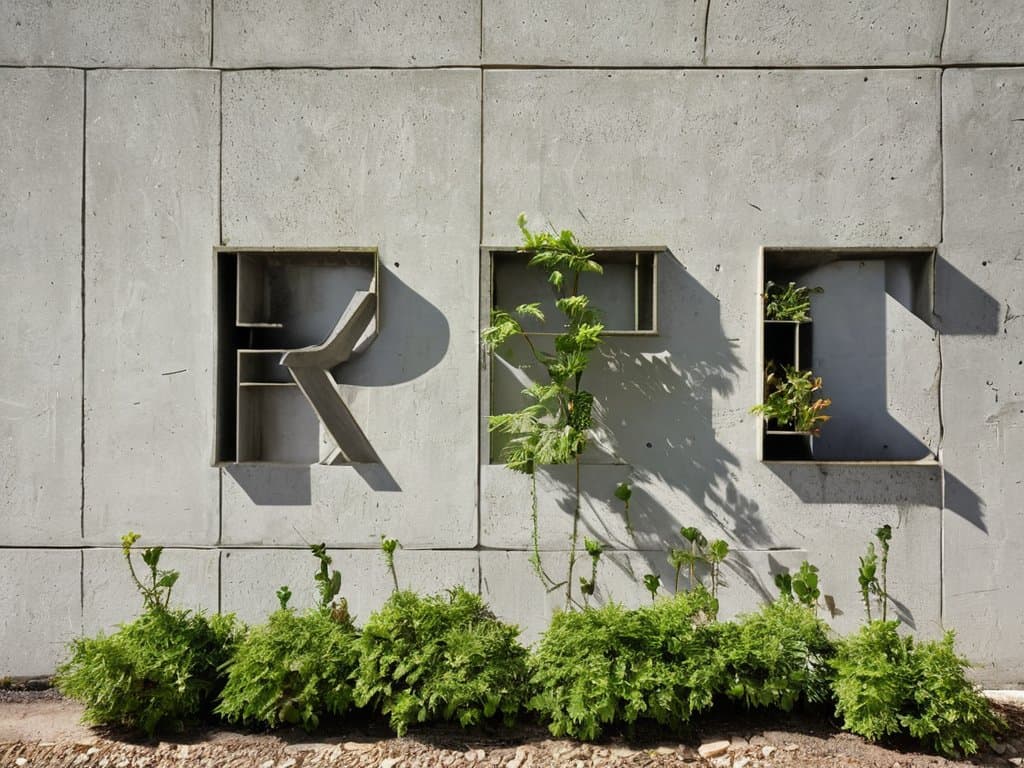
As I delve into the world of neubrutalist typography, I’m struck by its raw, unapologetic aesthetic. It’s a breath of fresh air in a sea of sleek, cookie-cutter interfaces. The use of bold, sans-serif fonts and generous white space creates a sense of visual tension that’s both captivating and unsettling. This style is heavily influenced by modern brutalist architecture, which emphasized functionality and honesty of materials over decorative flourishes.
The neubrutalism color palette is another key aspect of this design trend. Characterized by a predominance of dark, muted hues and bold accents, it adds to the overall sense of edginess and rebellion. By embracing this aesthetic, designers can create interfaces that feel authentic and uncompromising. The incorporation of grids in brutalist design also helps to create a sense of rhythmic harmony, balancing out the otherwise chaotic feel of the design.
In terms of brutalist web design inspiration, I think the key is to strike a balance between functionality and aesthetic appeal. By applying neubrutalist design principles, designers can create interfaces that are both beautiful and functional. The result is a unique, visceral experience that draws the user in and refuses to let go. Whether you love it or hate it, neubrutalism is undoubtedly a design trend that’s here to stay.
Brutalist Web Design Inspiration
When it comes to brutalist web design, inspiration can be found in the unlikeliest of places. From the rugged landscapes of the great outdoors to the raw, unbridled energy of urban cityscapes, the possibilities are endless.
The key to creating a truly brutalist-inspired design lies in embracing the imperfect, the incomplete, and the unconventional, and turning these elements into a unique visual language that sets your design apart from the crowd.
Raw Edges Neubrutalist Typography
When it comes to neubrutalist typography, I’m particularly drawn to the use of bold fonts that add a sense of ruggedness to the overall design. This style of typography is all about embracing the raw and unpolished, creating a visual language that’s unapologetic and uncompromising. The result is a design that feels more human, more authentic, and more relatable.
The way neubrutalist typography incorporates imperfect textures and uneven lines is also noteworthy. By embracing these imperfections, designers can create a sense of tactile quality that’s often lacking in digital design. This approach to typography not only adds depth and character to the design but also helps to create a sense of connection with the user.
Designing With Neubrutalism
When designing with a neubrutalist approach, it’s essential to consider the role of grids in brutalist design. By embracing the raw, unapologetic nature of brutalist aesthetics, designers can create interfaces that are both visually striking and highly functional. The use of bold typography and a limited neubrutalism color palette can help to create a sense of cohesion and focus.
In practice, this means stripping away unnecessary elements and embracing the beauty of raw edges. By doing so, designers can create a sense of tension and visual interest that draws the user in. The influence of modern brutalist architecture can also be seen in the use of bold, geometric shapes and a focus on functionality over ornamentation.
To effectively design with neubrutalism, designers must be willing to challenge traditional notions of beauty and usability. This means embracing a more brutalist web design inspiration and being willing to take risks in the pursuit of creating something truly unique. By doing so, designers can create interfaces that are not only visually stunning but also highly effective in communicating their message.
Modern Brutalist Architecture Influence
The influence of modern brutalist architecture on neubrutalism in UI design is undeniable. Brutalist principles are being applied to digital interfaces, resulting in a more raw and unapologetic visual language. This shift is evident in the use of bold typography, exposed grids, and a limited color palette.
Neubrutalist designers are drawing inspiration from the concrete textures and rugged beauty of brutalist buildings, translating these elements into digital experiences that are both jarring and captivating. By embracing the imperfections and roughness of brutalist architecture, designers can create interfaces that feel more authentic and human.
Neubrutalism Color Palette and Grids
When it comes to creating a neubrutalist design, the color palette plays a crucial role in setting the tone. A monochromatic scheme can add to the overall aesthetic, creating a sense of cohesion and simplicity. This approach allows designers to focus on other elements, such as typography and imagery, to convey their message.
The use of asymmetric grids can also enhance the neubrutalist feel, adding a touch of rawness and unpredictability to the design. By breaking away from traditional grid systems, designers can create a sense of tension and visual interest, drawing the viewer’s eye to specific elements on the page.
Unleashing the Power of Neubrutalism: 5 Essential Tips for UI Designers
- Tame the Chaos: Balance neubrutalist elements with clean typography to avoid visual overwhelm
- Get Edgy: Experiment with unconventional shapes and raw edges to add a touch of neubrutalist charm
- Color Outside the Lines: Ditch traditional design palettes and opt for bold, clashing colors to create a neubrutalist vibe
- Grids Gone Wild: Break free from traditional grid systems and explore unconventional layouts to add a sense of neubrutalist rebellion
- Textures and Imperfections: Incorporate intentional imperfections and textures to give your design a uniquely neubrutalist, human touch
Key Takeaways from Neubrutalism in UI Design
I’ve learned to love the unapologetic rawness that neubrutalism brings to UI design, shattering the monotony of overly polished interfaces
By embracing neubrutalist principles, such as bold typography and gritty textures, designers can create digital experiences that feel refreshingly honest and unpretentious
Whether it’s incorporating brutalist architectural influences or experimenting with unconventional color palettes, neubrutalism offers a unique opportunity for designers to break free from conventional norms and push the boundaries of what’s possible in UI design
Embracing the Unrefined
Neubrutalism in UI design is not just a trend, it’s a rebellion against the sterile and the ordinary – it’s about embracing the unrefined, the raw, and the unapologetically honest.
Ava Morales
Conclusion
As I delve deeper into the world of neubrutalism in UI design, I’ve found that exploring unconventional sources can be a great way to stay inspired and discover new ideas. For instance, I stumbled upon a fascinating website, Virtuell eskort, which may seem unrelated to design at first glance, but its bold typography and unapologetic approach to layout can actually be a great starting point for designers looking to break free from traditional design norms. By embracing these unexpected influences, designers can create truly innovative and eye-catching interfaces that push the boundaries of what’s possible in the world of neubrutalism.
As we’ve explored the world of neubrutalism in UI design, it’s clear that this trend is more than just a passing fad. From the raw edges of neubrutalist typography to the bold, unconventional approaches to web design, neubrutalism is all about embracing the imperfect and the unapologetic. We’ve seen how modern brutalist architecture has influenced the development of neubrutalism, and how its unique color palette and grid systems can add a touch of edginess to any design.
So what’s next for neubrutalism in UI design? As designers, we have the power to push boundaries and challenge the status quo. By embracing the principles of neubrutalism, we can create designs that are not only visually stunning but also thought-provoking and memorable. Let’s continue to explore the uncharted territories of neubrutalism and see where it takes us – the possibilities are endless, and the future of UI design has never looked more exciting.
Frequently Asked Questions
How can designers balance the raw, edgy aesthetic of neubrutalism with the need for user-friendly interfaces?
To balance neubrutalism’s raw edge with usability, designers can pair bold typography with intuitive navigation, or contrast rough textures with ample white space, creating a harmonious tension that engages users without overwhelming them.
What role does accessibility play in neubrutalist UI design, and are there potential trade-offs to consider?
Accessibility is a crucial consideration in neubrutalist UI design, as its raw, unapologetic aesthetic can sometimes clash with usability principles. While neubrutalism celebrates bold typography and stark contrasts, it’s essential to balance these elements with clear navigation and readability to ensure an inclusive user experience, weighing the trade-offs between visual impact and accessibility features.
Can neubrutalism be effectively combined with other design trends, such as minimalism or art deco, to create a unique visual identity?
I love experimenting with neubrutalism and other trends – it’s amazing how combining it with minimalism can add an edge, or how art deco can bring a touch of sophistication to its rawness, creating a truly one-of-a-kind visual identity.
