









Choosing Non-toxic Plants for a Child-safe Garden
 September 29, 2025
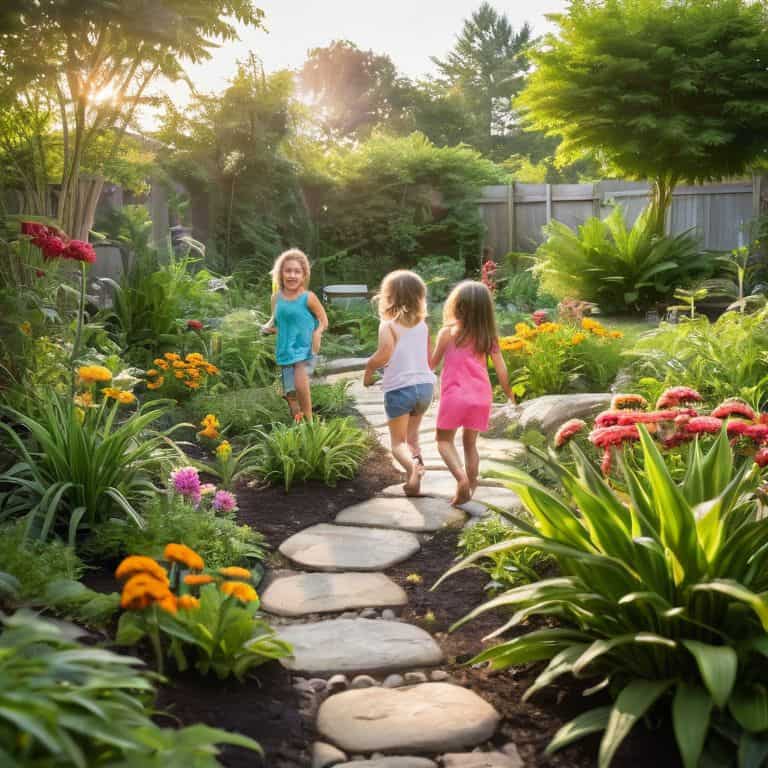
As I wander through my garden, surrounded by the vibrant blooms and lush greenery, I’m reminded of the importance of creating a harmonious balance between nature and our outdoor spaces. The topic of non-toxic plants for gardens is especially close to my heart, as I believe it’s essential for fostering a healthy and thriving ecosystem. By incorporating these plants into our garden designs, we can ensure a safe and welcoming environment for both our families and the local wildlife. The pursuit of beauty and functionality in our gardens should never come at the expense of our well-being or the environment.
In the following list, I’ll share with you my top 5 picks for non-toxic plants for gardens that will not only add a touch of elegance to your outdoor space but also provide a haven for biodiversity. From fragrant herbs to stunning flowering species, these plants are sure to inspire you to create a garden that’s as beautiful as it is sustainable. By exploring these options, you’ll gain a deeper understanding of how to craft a garden that’s not only visually stunning but also ecologically conscious, allowing you to enjoy the beauty of nature while also doing your part to protect it.
Table of Contents
Blossoming Harmony
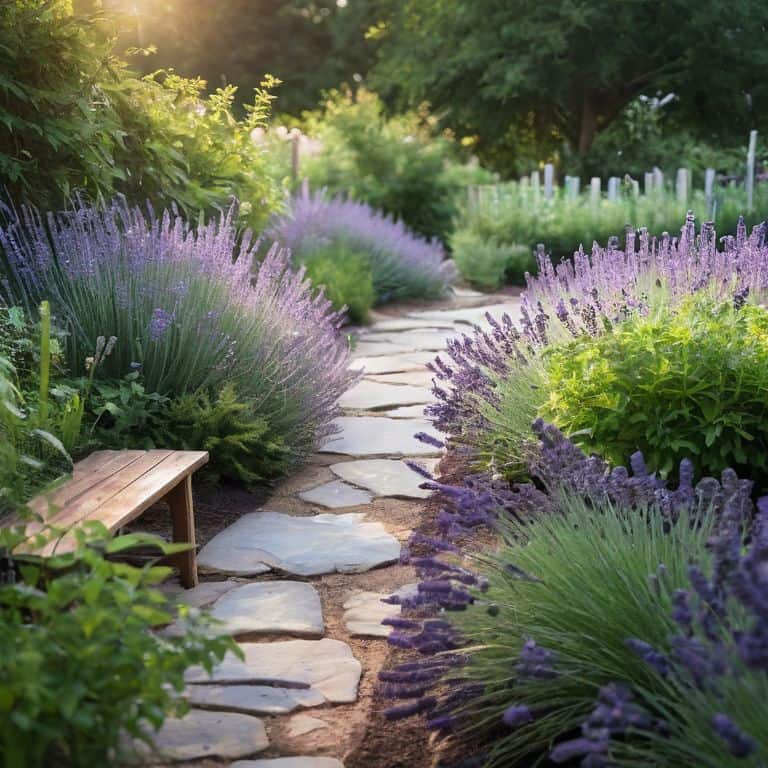
As I wander through my garden, I’m reminded of the serenity that non-toxic plants bring to our outdoor spaces. One of my favorites is the lovely Lavender, with its delicate purple blooms and soothing scent. I recall a summer afternoon when I was pruning my lavender with my trusty shears, Bertha, and she seemed to be slicing through the stems with ease, as if she too loved the gentle hum of the bees buzzing around us. It’s moments like these that I’m grateful for the simple joys of gardening. Lavender is not only a haven for pollinators, but it’s also calming for us humans, promoting a sense of peace and tranquility in our busy lives. Whether you’re looking to create a meditative oasis or simply want to attract some beneficial insects, lavender is an excellent choice for your garden.
Blossoming Harmony
As I continue to tend to my lavender, I’m struck by its versatility. Not only does it thrive in well-drained soil and full sun, but it’s also drought-tolerant, making it perfect for those who tend to forget to water their plants from time to time. I’ve had my fair share of forgetful moments, but my garden fork, Felix, always seems to be there to help me loosen the soil and get the watering can ready. When it comes to non-toxic plants, lavender is a great option for families with pets or young children, as it’s safe for them to be around. Plus, it’s a low-maintenance addition to any garden, requiring only occasional pruning to keep it looking its best. With its calming presence and beneficial properties, lavender is an excellent choice for anyone looking to create a peaceful and sustainable outdoor space.
Sunny Delights
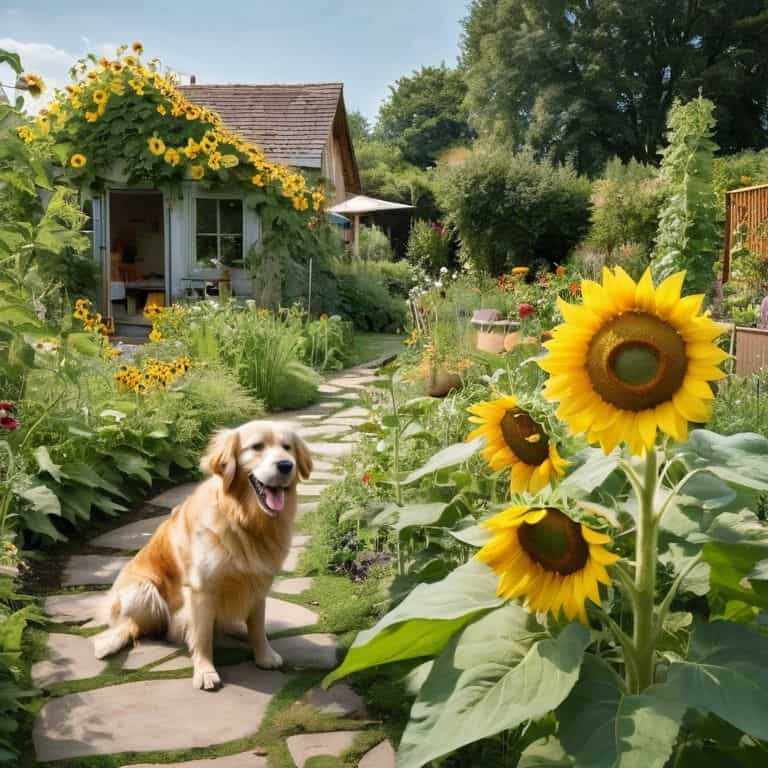
On a sunny day, there’s no better feeling than walking through my garden and being greeted by the bright, cheerful faces of Sunflowers. These towering beauties are not only a stunning addition to any garden, but they’re also easy to care for and maintain. I remember when I first planted my sunflowers, I was a bit worried that they might not thrive in the Oregon climate, but with the help of my reliable garden hose, Sammy, they quickly grew into strong and healthy plants. Sunflowers are a great choice for non-toxic gardens, as they’re safe for pets and children to be around, and they provide a natural source of shade and beauty. Whether you’re looking to create a whimsical garden or simply want to add some warmth to your outdoor space, sunflowers are an excellent option.
Sunny Delights
As I watch my sunflowers grow, I’m reminded of the importance of providing a supportive environment for them to thrive. This includes planting them in well-drained soil and providing full sun to partial shade. My garden rake, Rachel, is always helpful in preparing the soil and removing any debris that might hinder their growth. Sunflowers are also attractive to pollinators, making them a great choice for gardens that aim to support local wildlife. With their bright yellow petals and statuesque stems, sunflowers are a stunning addition to any garden, and their non-toxic properties make them an excellent choice for families and pet owners. Whether you’re looking to create a vibrant garden or simply want to add some personality to your outdoor space, sunflowers are an excellent option.
Moonlit Magic
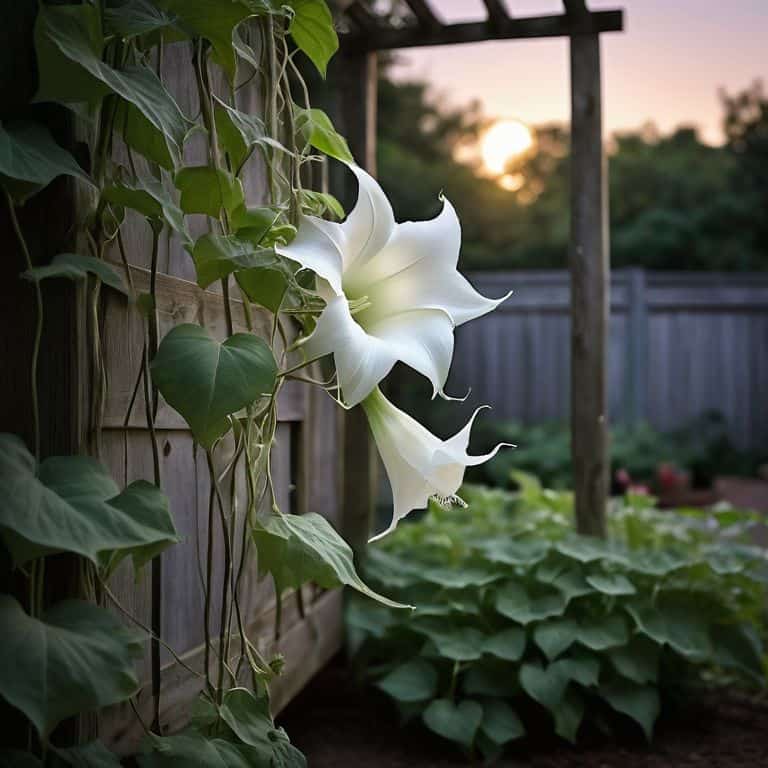
As the sun sets and the moon rises, my garden takes on a magical quality, with the Moonflower being one of the stars of the show. These fragrant blooms are a staple of any non-toxic garden, providing a natural source of beauty and fragrance. I recall a summer evening when I was training my moonflower to climb up the trellis with the help of my trusty twine, Tweety, and the way the moonlight danced through the blooms was nothing short of enchanting. Moonflowers are easy to care for and maintain, requiring only occasional watering and pruning to keep them looking their best. With their delicate white petals and intoxicating scent, moonflowers are a must-have for any garden that aims to create a peaceful and serene atmosphere.
Moonlit Magic
As I tend to my moonflowers, I’m struck by their resilience and adaptability. They thrive in a variety of conditions, from full sun to partial shade, and can even tolerate some drought. My garden watering can, Wendy, is always ready to provide them with a gentle drink when they need it. Moonflowers are also attractive to pollinators, making them a great choice for gardens that aim to support local wildlife. With their fragrant blooms and delicate beauty, moonflowers are a stunning addition to any garden, and their non-toxic properties make them an excellent choice for families and pet owners. Whether you’re looking to create a whimsical garden or simply want to add some magic to your outdoor space, moonflowers are an excellent option.
Nurturing Harmony: 3 Key Takeaways for a Thriving Garden
As we embark on this journey of cultivating non-toxic gardens, remember that every plant is a thread in the intricate tapestry of life, weaving together to create a sanctuary of serenity and biodiversity.
By choosing gentle, non-toxic blooms, we not only ensure the health and safety of our loved ones and the environment, but also invite a myriad of beneficial insects and pollinators to join our garden’s vibrant ecosystem.
Whether you’re a seasoned gardener or just beginning to get your hands dirty, the true magic lies in the process of nurturing and observing your garden’s evolution, much like the patient crafting of a bonsai landscape, where every snip and prune tells a story of growth and harmony.
Cultivating Harmony
As we tend to our gardens with non-toxic plants, we’re not just nurturing beauty, we’re orchestrating a symphony of life, where every bloom, every leaf, and every creature plays a vital role in the grand composition of our ecosystem.
Dylan Thompson
Cultivating Harmony: A Lasting Legacy
As we’ve explored the world of non-toxic plants for gardens, we’ve discovered a plethora of options to bring life and serenity to our outdoor spaces. From the delicate petals of the peace lily to the vibrant foliage of the spider plant, each of these gentle blooms has the power to transform our gardens into sanctuaries of biodiversity. By incorporating these plants into our designs, we not only create a haven for local wildlife but also a soothing retreat for ourselves, allowing us to reconnect with the natural world and find balance in our busy lives.
As we embark on our journey to create these oases of tranquility, let us remember that the true beauty of gardening lies not just in the plants themselves, but in the journey of nurturing life. With every seed we sow and every branch we prune, we are weaving a tapestry of life that will continue to flourish long after we’re gone. So let us tend to our gardens with love, care, and dedication, for in doing so, we are not only cultivating beauty, but also leaving a lasting legacy for generations to come.
Frequently Asked Questions
How can I ensure the non-toxic plants I choose will thrive in my garden's specific climate and soil type?
To ensure my non-toxic lovelies thrive, I always consider the unique climate and soil type of each garden. I chat with my trusty trowel, Bertha, about the perfect balance of sunlight, water, and nutrients for each plant. By tuning into the local ecosystem and selecting plants that naturally flourish in those conditions, we can create a harmonious haven that’s as resilient as it is beautiful.
Are there any non-toxic plants that are particularly effective at purifying the air or attracting beneficial insects to my garden?
My friend, I’m so glad you asked! Plants like Spider Plants and Lavender are rockstars at purifying the air, while Marigolds and Dill are magnets for beneficial insects, drawing in the good guys to keep your garden thriving. I like to think of them as the guardians of my garden, working in harmony with my trusty tools, like Bertha the pruner and Sammy the shovel.
Can I safely grow non-toxic plants in containers or indoor spaces, and if so, what are some tips for maintaining their health and beauty?
Absolutely, my friend! I safely grow non-toxic plants in containers and indoor spaces all the time. Just remember to choose pots with good drainage, use a well-balancing potting mix, and give them plenty of natural light. I like to think my trusty watering can, Bertha, helps me keep them happy and thriving.