








Top 5 Recycled Materials for Diy Insulation Projects
 November 18, 2025
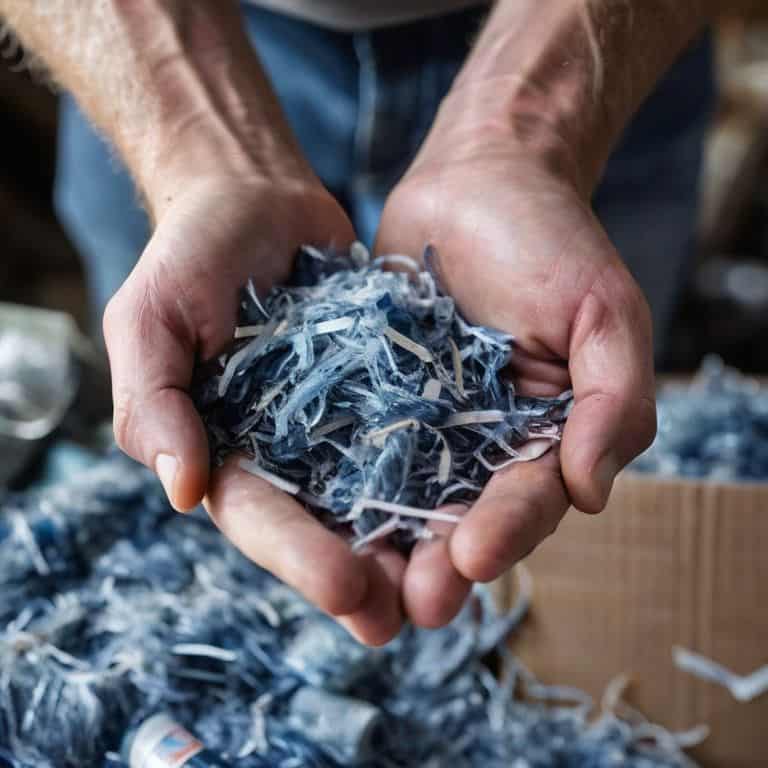
I still remember the first time I stumbled upon the concept of using recycled materials for insulation in my parents’ workshop. The idea of turning old denim jeans into insulation for our homes was like a breath of fresh air – it was as if those fabrics were getting a brand new life. But what really frustrated me was the amount of overcomplicated and expensive solutions being touted as the only way to make it work. As someone who’s passionate about upcycling and DIY projects, I believe that simpllicity and creativity can go a long way in making our homes more eco-friendly.
In this article, I promise to share my hands-on experience with recycled materials for insulation, cutting through the hype and focusing on practical solutions that you can apply to your own projects. I’ll introduce you to my trusty team of tools, including my favorite upcycling sidekicks, Betsy the drill and Sammy the sander. Together, we’ll explore the world of repurposed insulation materials and show you how to unleash their full potential. My goal is to inspire you to think outside the box and see the beauty in discarded items, just like I do when I’m working on a new upcycling project. So, let’s get started on this journey of transformation and discover the cozy charm of recycled materials for insulation.
Table of Contents
- Unlocking Recycled Materials
- Transforming Spaces With Recycled Materials for Insulation
- Diy Delights Repurposing Glass for Insulation
- Sustainable Solutions for Old Homes and Commercial Buildings
- 5 Essential Tips for Working with Recycled Materials for Insulation
- Key Takeaways: Revitalizing Spaces with Recycled Insulation
- Embracing the Power of Recycling
- From Discard to Design: The Power of Recycled Insulation
- Frequently Asked Questions
Unlocking Recycled Materials
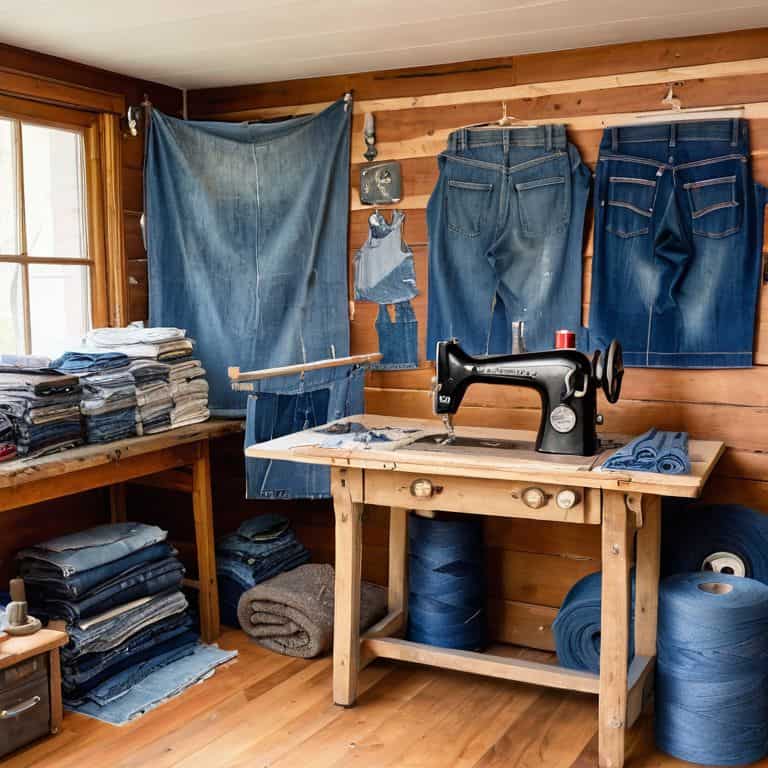
As I delve into the world of insulation, I’m reminded of the countless possibilities that denim insulation benefits offer. Not only is it a creative way to reuse old jeans, but it also provides a unique opportunity to reduce waste and create something truly special. My trusty DIY team, including my favorite tool, “Bertha” the sewing machine, and “Hammerin’ Harry” my reliable hammer, have been instrumental in helping me bring this vision to life.
When it comes to exploring different types of insulation, I’ve found that recycled glass insulation is a fascinating option. Although it may come with a higher recycled glass insulation cost, the benefits to the environment and the unique aesthetic it provides make it well worth considering. I’ve had the chance to experiment with this material, and I’m excited to share my findings with you. From the initial design phase to the final installation, my DIY team and I have been meticulous in our approach, ensuring that every detail is carefully considered.
As I continue to experiment with various insulation materials, I’m drawn to the comparison between cellulose insulation vs fiberglass. While both have their advantages and disadvantages, I believe that eco friendly insulation options like cellulose are the way forward. Not only do they provide a more sustainable solution, but they also offer a unique chance to reduce our carbon footprint and create a more environmentally conscious home. Whether you’re looking to insulate an old home or a commercial building, I’m excited to share my discoveries and inspire you to join me on this journey of creative exploration.
Cellulose vs Fiberglass the Eco Debate
When it comes to insulation, two popular options are cellulose and fiberglass. I’ve worked with both, and I must say, each has its own unique characteristics. Cellulose, made from recycled paper products, is a great choice for those looking for an eco-friendly option. My trusty tool, “Shredder” – a shredding machine – helps me break down these materials into a usable form.
In comparison, fiberglass is another commonly used insulation material, but it has its drawbacks. The environmental impact of fiberglass production is a significant concern, as it requires large amounts of energy to manufacture. On the other hand, cellulose is generally considered a more sustainable option, making it a popular choice among environmentally conscious DIYers like myself.
Denim Insulation Benefits Revealed
As I delve into the world of denim insulation, I’m excited to share with you the numerous benefits it has to offer. From reducing waste to providing a unique solution for eco-friendly homes, denim insulation is a game-changer. My trusty tool, “Bertha the Stapler,” and I have worked with this material on several projects, and I must say, the results are impressive.
One of the most significant advantages of denim insulation is its ability to provide thermal performance. It’s amazing to think that old jeans can be transformed into a material that keeps our homes warm in the winter and cool in the summer. With denim insulation, we can create a cozy and sustainable living space that’s not only good for the environment but also for our well-being.
Transforming Spaces With Recycled Materials for Insulation
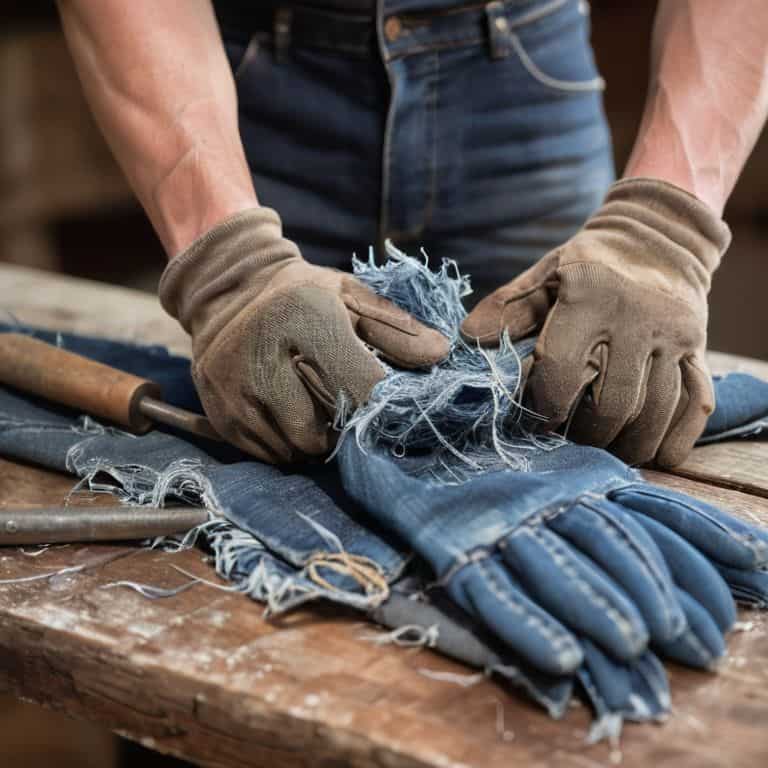
As I delve into the world of sustainable insulation solutions, I’m constantly amazed by the sheer potential of repurposed materials. My trusty DIY team, including my drill, Bertha, and my saw, Sammy, have helped me transform numerous spaces into cozy retreats. One of my favorite projects involved using denim insulation benefits to create a warm and inviting atmosphere in an old home. The key to success lies in understanding how to harness the power of recycled materials to create a unique and eco-friendly space.
When it comes to choosing the right insulation material, I always consider the cellulose insulation vs fiberglass debate. While both have their advantages, I personally prefer cellulose for its exceptional thermal performance and eco-friendly properties. My DIY team and I have worked with various materials, including recycled glass, to create custom insulation solutions for our clients. The result is not only a reduction in energy costs but also a significant decrease in environmental impact.
By embracing DIY insulation with recycled materials, homeowners and businesses can significantly reduce their carbon footprint while creating a unique and comfortable space. Whether you’re looking to insulate an old home or a commercial building, there are plenty of eco-friendly insulation options available. With a little creativity and the right tools, you can turn any space into a cozy and sustainable haven.
Diy Delights Repurposing Glass for Insulation
As I delve into the world of repurposed glass for insulation, I’m reminded of the beauty of upcycling. My trusty DIY team, including my favorite glass cutter, Bertha, and my drill, Daisy, are always ready to help me transform discarded materials into something new and exciting. With a little creativity, old glass bottles and jars can be turned into unique insulation materials, reducing waste and adding a touch of personality to any space.
I’ve found that recycling glass can be a fun and rewarding DIY project, allowing me to get creative and experiment with different techniques. By crushing or shredding glass, I can create a unique insulation material that not only reduces heat transfer but also adds a decorative element to my projects. Whether it’s a vintage window turned into a room divider or a glass bottle turned into a decorative insulation feature, the possibilities are endless, and I love exploring them with my DIY team by my side.
Sustainable Solutions for Old Homes and Commercial Buildings
As I work on upcycling vintage furniture, I often think about how sustainable materials can be used to improve insulation in old homes and commercial buildings. My trusty team of tools, including my favorite hammer, Bertha, and my drill, Daisy, have helped me tackle numerous projects that showcase the potential of recycled materials. From old denim jeans to repurposed glass, the possibilities are endless, and I love sharing my findings with my readers.
When it comes to insulating old homes and commercial buildings, energy efficiency is key. By using recycled materials, we can reduce waste and create a more environmentally friendly space. I’ve seen firsthand how a little creativity and some DIY magic can transform a drafty old building into a cozy and sustainable haven. Whether you’re a homeowner or a business owner, making the switch to recycled insulation materials can have a significant impact on your energy bills and the environment.
5 Essential Tips for Working with Recycled Materials for Insulation
- Get to know your materials: Before you start your project, make sure you understand the properties and potential uses of the recycled materials you’ve collected, like old denim or cardboard
- Measure twice, cut once: Precision is key when working with recycled materials, so take your time to measure and plan your cuts carefully to minimize waste and maximize efficiency
- Mix and match: Don’t be afraid to combine different recycled materials to achieve the best results – for example, pairing denim insulation with recycled glass for a unique and effective solution
- Seal the deal: Properly sealing your insulation is crucial to preventing heat loss and ensuring the effectiveness of your recycled materials, so invest in a good sealant and take your time to get it just right
- Call in the team: When working with power tools or heavy materials, don’t be hesitant to enlist the help of my trusty DIY team, including my drill, Bertha, and my saw, Sammy – they’re always up for a challenge and will help you get the job done
Key Takeaways: Revitalizing Spaces with Recycled Insulation
I’ve learned that repurposing materials like denim and glass can not only reduce waste, but also add a unique touch to any room, making it a win-win for both the environment and your personal style
Understanding the benefits and drawbacks of different insulation materials, such as cellulose and fiberglass, is crucial in making informed decisions for your DIY projects and ensuring they align with your eco-friendly goals
By embracing the creative potential of recycled materials, we can unlock new possibilities for sustainable design, and with the right tools and mindset, anyone can transform their space into a cozy, eco-friendly haven that reflects their personality and values
Embracing the Power of Recycling
I truly believe that recycled materials for insulation are not just a sustainable choice, but a creative catalyst – they challenge us to rethink waste, to reimagine spaces, and to rebuild our world with the beauty of what’s been discarded.
Ryan Bennett
From Discard to Design: The Power of Recycled Insulation
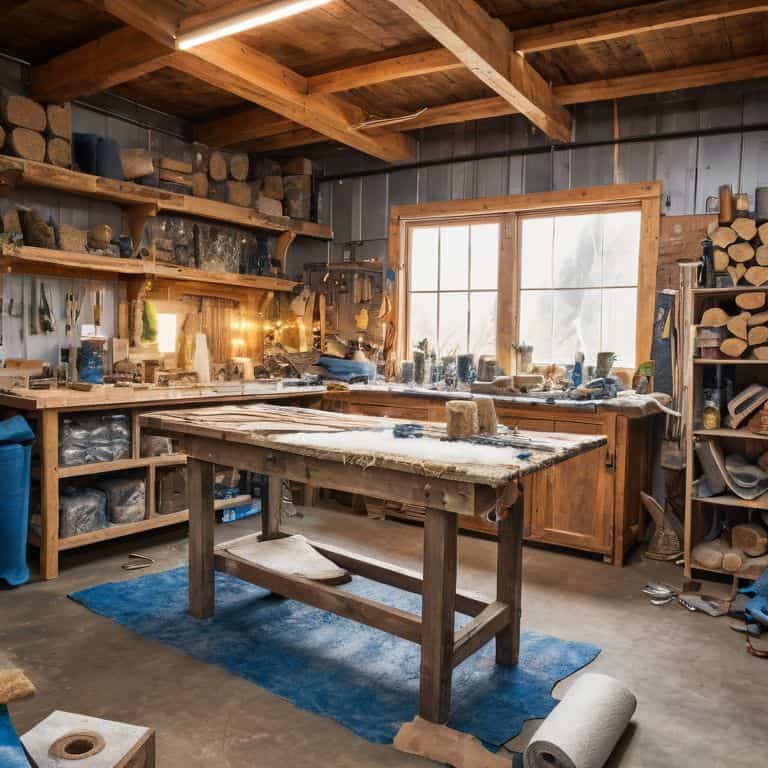
As I reflect on our journey through the world of recycled materials for insulation, I’m reminded of the endless possibilities that await us when we choose to see beyond the ordinary. From the denim insulation benefits we uncovered, to the eco-friendly debate between cellulose and fiberglass, it’s clear that our choices can have a significant impact on the environment. By embracing DIY delights like repurposing glass for insulation, and exploring sustainable solutions for old homes and commercial buildings, we can create a more circular economy that values creativity and resourcefulness.
As we conclude this exploration of recycled materials for insulation, I want to leave you with a sense of hope and inspiration. Remember, every discarded item holds the potential for transformation, and it’s up to us to unlock that potential. So, the next time you’re about to throw something away, take a moment to imagine the beautiful possibilities that could arise from it. With a little creativity, and the right tools by our side, we can turn trash into treasure, and create a more sustainable, stunning world, one upcycled project at a time.
Frequently Asked Questions
What are the most effective ways to source recycled materials for insulation without breaking the bank?
I’m all about scoring great deals on recycled materials. For insulation, I swear by thrift stores, Habitat for Humanity ReStores, and online marketplaces like Craigslist or Facebook Marketplace. You can also rescue materials from demolition sites or ask friends and family for leftover building supplies. My trusty tool, “Sally the Scraper,” and I have found some amazing treasures this way!
How do I ensure that recycled materials used for insulation meet local building codes and regulations?
When it comes to ensuring recycled materials meet local codes, I always say, ‘check with your local heroes’ – aka, your city’s building department. They’ll give you the lowdown on what’s approved and what’s not. My trusty sidekick, ‘Reggie the Researcher’ (my laptop), helps me stay up-to-date on regulations, and I recommend doing the same to avoid any costly surprises down the line.
Can recycled materials for insulation be used in conjunction with traditional insulation methods for optimal energy efficiency?
I love experimenting with combos – my trusty sidekick, a utility knife I call ‘Slice,’ and I have found that pairing recycled materials with traditional insulation can indeed boost energy efficiency, creating a cozy and eco-friendly space that’s both functional and unique.