









Exploring Global Flavors: One-pot Meals From Around the World
 November 24, 2025
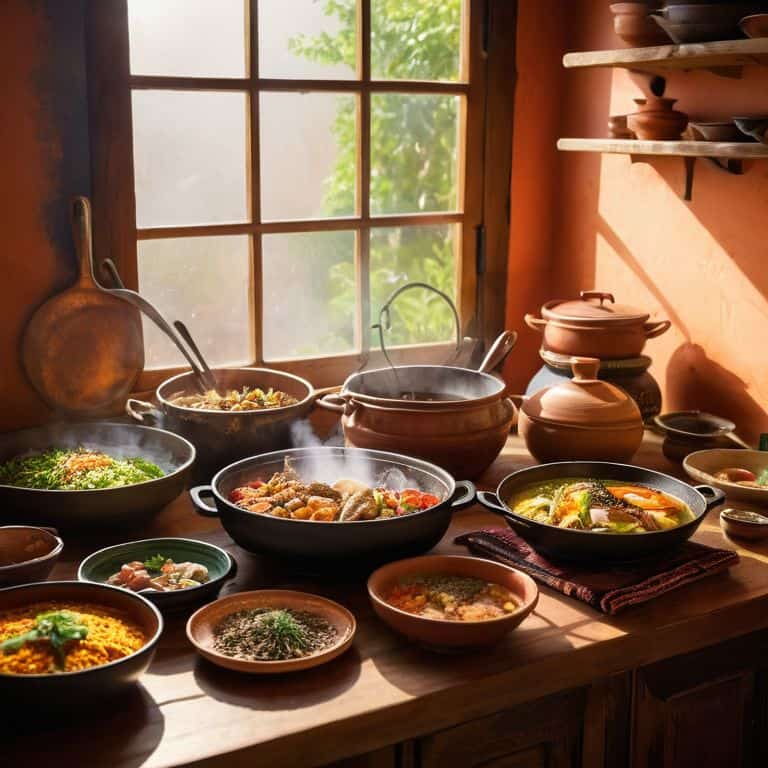
As I sit in my cozy kitchen, surrounded by the warm aromas of my nonna’s old recipes, I’m reminded of the misconception that international one-pot meals are a modern phenomenon. The truth is, these dishes have been simmering away in kitchens around the world for centuries, each with its own unique story to tell. I recall my travels to Morocco, where I discovered the rich flavors of chicken tagine, a classic example of an international one-pot meal that has been passed down through generations.
In the following pages, I promise to take you on a culinary journey through the forgotten flavors of global one-pot wonders. I’ll share my personal experiences, from the spicy kick of Korean bibimbap to the hearty warmth of Italian risotto, and provide you with honest, hype-free advice on how to bring these dishes to life in your own kitchen. My goal is to inspire you to explore the diversity of international one-pot meals, to experiment with new ingredients and techniques, and to create your own stories around the dinner table. So, let’s embark on this gastronomic adventure together, and uncover the secrets of these beloved dishes.
Table of Contents
Recipe Details
Ingredients
- 1 cup uncooked white rice (rinsed)
- 2 cups mixed vegetables (e.g., peas, carrots, corn) (frozen or fresh)
- 1 can diced tomatoes (14.5 oz)
- 1 pound boneless, skinless chicken breast or thighs (cut into 1-inch pieces)
- 2 tablespoons olive oil (for sautéing)
- 1 teaspoon ground cumin (optional)
- 1 teaspoon smoked paprika (optional)
- Salt and pepper (to taste)
- 2 cups chicken broth (low-sodium)
Tools & Supplies
- Large Dutch oven or heavy pot
- Cutting board
- Measuring cups and spoons
- Wooden spoon or spatula
Recipe Instructions
Step 1
First, let’s start by preparing the ingredients, as this is the foundation of any great dish. For our international one-pot meal, we’ll need a variety of aromatics, proteins, and spices. I like to think of this step as a journey through the vibrant markets of my childhood, where the smells and sounds of sizzling ingredients and lively chatter filled the air. As I chop the onions, garlic, and ginger, I’m reminded of my nonna’s kitchen, where the simplest ingredients were transformed into something truly magical.
Step 2
Next, we’ll heat the pot over medium heat, adding a swirl of olive oil to coat the bottom. This is where the alchemy happens, as the oil begins to shimmer and dance, awaiting the arrival of our aromatics. I love this part of the process, as it’s a moment of anticipation, much like the moment before a great story is told. As the oil heats up, I add the chopped onions, garlic, and ginger, stirring occasionally, until they’re softened and fragrant.
Step 3
Now it’s time to add the protein and spices, which will give our dish its unique flavor and character. For this recipe, I’ve chosen to use chicken, but feel free to experiment with other proteins like beef, lamb, or tofu. As I add the spices, I’m transported to the souks of Morocco, where the air is thick with the scent of cumin, coriander, and cinnamon. The combination of these spices, along with a pinch of salt and pepper, will create a rich and complex flavor profile that’s sure to delight.
Step 4
With our ingredients and spices in place, it’s time to add the liquid and let it simmer. This is the part of the process where patience is key, as we allow the flavors to meld together and the ingredients to cook slowly. I like to think of this step as a slow dance, where the ingredients sway gently, releasing their flavors and aromas into the pot. As the liquid reduces and the flavors concentrate, the dish begins to take on a life of its own, much like a great story unfolding.
Step 5
As we near the end of our journey, it’s time to finish the dish with a flourish. This might involve adding a squeeze of fresh lemon juice, a sprinkle of chopped herbs, or a dollop of creamy yogurt. For me, this step is all about balancing the flavors, much like a great storyteller balances the elements of a tale. As I take my first bite, I’m transported to a world of culinary wonder, where the flavors and aromas of our international one-pot meal come together in perfect harmony.
Step 6
Finally, it’s time to serve and share our creation with others. This is the part of the process where the magic happens, as we bring people together around the table to enjoy the fruits of our labor. As I serve the dish, I’m reminded of my nonna’s kitchen, where food was always a celebration of love and community. And so, I invite you to join me on this culinary journey, as we explore the world of international one-pot meals and create our own flavors and stories along the way.
Global Simmer
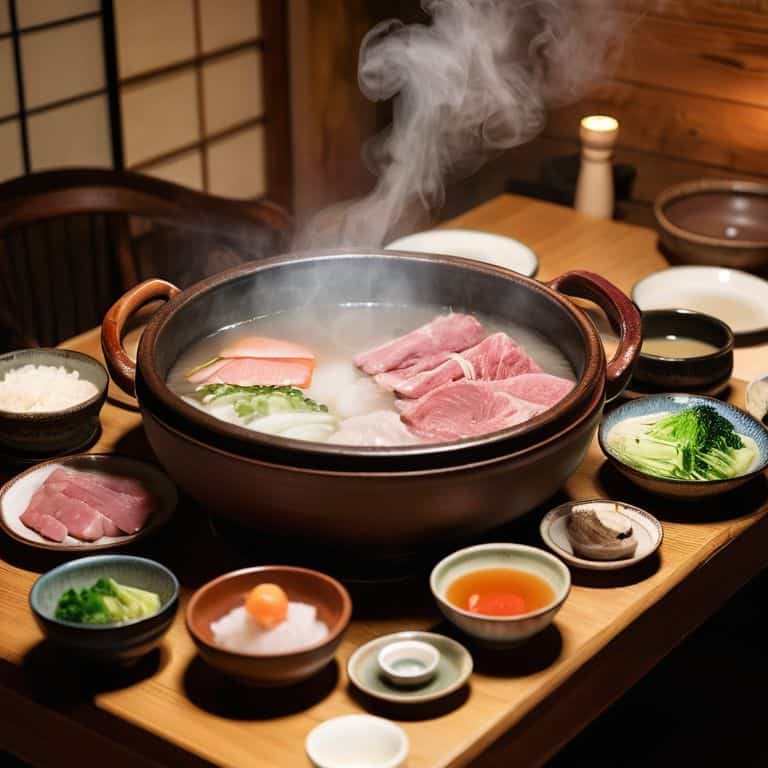
As I delve into the world of global simmering, I find myself drawn to the rich flavors of Japanese hot pot recipes, where a delicate balance of dashi broth and tender ingredients creates a truly immersive experience. The art of simmering is not just about cooking, but about storytelling through flavors, where each ingredient adds a chapter to the culinary narrative. Whether it’s the spicy kick of Thai curry one pot dishes or the hearty warmth of Indian pressure cooker meals, every culture has its unique take on this ancient technique.
In my own kitchen, I love experimenting with Moroccan tagine recipes, where the slow-cooked stew is infused with the aromas of cumin, coriander, and cinnamon. The key to a great tagine is in the layering of flavors, where each spice and ingredient is added at just the right moment to create a harmonious balance of tastes. As I simmer my tagine, I’m reminded of the vibrant markets of Marrakech, where the sounds and smells of sizzling meats and spices fill the air.
As I explore the world of global simmering, I’m constantly inspired by the diversity of techniques and ingredients. From the Korean bibimbap one pot to Chinese wok recipes, each dish offers a unique perspective on the art of simmering. Whether you’re a seasoned chef or a curious cook, the world of global simmering has something to offer, and I invite you to join me on this culinary journey, where the boundaries of flavor and culture are waiting to be explored.
Japanese Hot Pot Recipes Unveiled
As I delve into the world of Japanese hot pot recipes, I’m reminded of the vibrant streets of Tokyo, where the savory aromas of tonkotsu and shoyu waft through the air. My nonna’s kitchen may have been rooted in Italian tradition, but my travels have taught me to appreciate the simplicity and elegance of Japanese cuisine. A classic Japanese hot pot, or “nabe,” is a masterpiece of balance and flavor, with delicate broth, tender meat, and an assortment of colorful vegetables.
I recall a particularly memorable evening in Kyoto, where I savored a rich, miso-based hot pot filled with succulent pork belly and fresh green onions. The experience was nothing short of magical, with each spoonful a perfect harmony of flavors and textures. As I experiment with Japanese hot pot recipes in my own kitchen, I’m constantly inspired by the nuances of this ancient cuisine, and I’m excited to share my discoveries with you.
Thai Curry One Pot Dishes Revealed
As I wandered through the bustling streets of Bangkok, the aroma of coconut milk and lemongrass enveloped me, drawing me to the humble stalls serving Thai curry one pot dishes. These unassuming pots, filled with tender chicken or beef, simmered in a rich and creamy broth, infused with the deep flavors of Thai red or green curry paste. I recall my nonna’s kitchen, where she’d simmer sauces for hours, and I see a similar dedication to flavor in these Thai curry one pot dishes.
The beauty of Thai curry one pot dishes lies in their simplicity and depth of flavor. With a few key ingredients, including fish sauce, lime leaves, and chilies, a delicious and satisfying meal can be prepared in no time. I’ve had the pleasure of sampling various regional twists on this classic dish, from the spicy kick of Chiang Mai’s khao soi to the mellow warmth of Bangkok’s massaman curry.
Savoring the World, One Pot at a Time: 5 Essential Tips for Mastering International One-Pot Meals
- Embrace the Art of Layering: Just as my nonna taught me, the key to a rich and satisfying one-pot dish lies in the layering of flavors, from the aromatic onions and garlic at the base to the tender meats and vegetables that follow, each adding depth to the broth
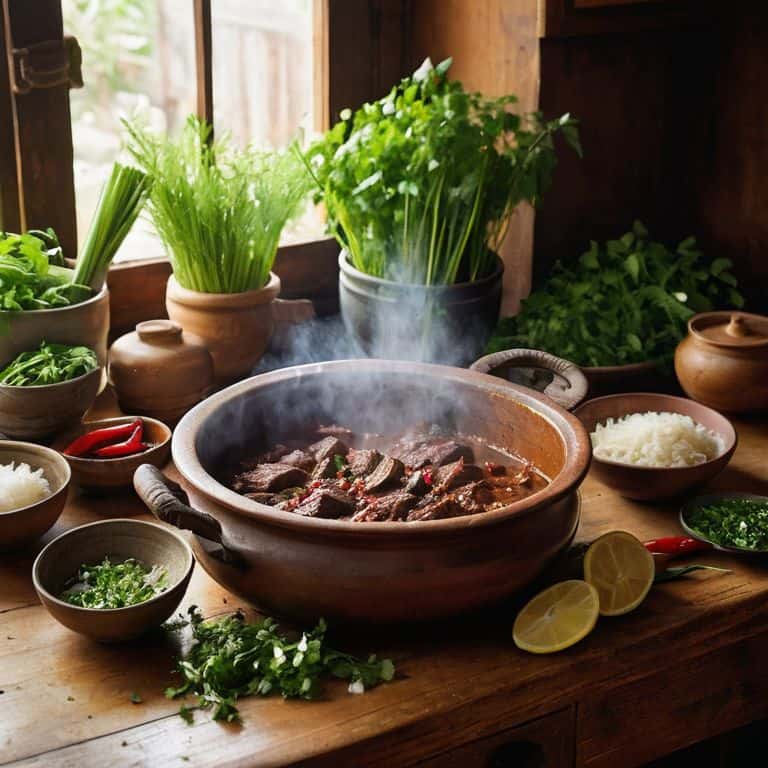
- Choose the Right Pot for the Tale: Whether you’re conjuring the spicy kick of a Thai curry or the hearty warmth of a Japanese hot pot, the pot itself is a character in the story, with materials ranging from cast iron to clay, each imparting its unique essence to the dish
- Dance with Global Spices: The world of one-pot meals is a vibrant tapestry of spices and seasonings, from the berbere of Ethiopia to the garam masala of India, each spice blend a doorway to a new culinary tradition waiting to be explored and integrated into your recipes
- Respect the Ingredient’s Journey: Every vegetable, every piece of meat, has a story to tell, from the sun-kissed fields where they were grown to the bustling markets where they were chosen, and honoring this journey in your cooking elevates the simple act of eating into a celebration of community and culture
- Let Time Be Your Ally: One-pot meals are often a testament to the beauty of patience, where longer cooking times not only tenderize the toughest ingredients but also meld the flavors together into a harmonious whole, a true reflection of the love and care that goes into preparing a meal meant to be shared
Whispers from the Stovetop: 3 Timeless Takeaways
As I sit here, surrounded by the vintage kitchen utensils that I’ve collected over the years, I’m reminded that the true beauty of international one-pot meals lies not just in their simplicity, but in the stories they tell of cultures blending and traditions evolving – just like the rich flavors that meld together in a perfectly crafted Japanese hot pot
The art of crafting one-pot wonders is a global language, spoken in the simmering broths of Morocco, the spicy curries of Thailand, and the hearty stews of my native Italy, each dish a testament to the boundless creativity of the human spirit and our shared love of good food, warm company, and the joy of discovery
Whether you’re a culinary adventurer, a busy home cook, or simply someone who appreciates the beauty of a well-crafted meal, the world of international one-pot dishes has something to offer – a chance to explore, to create, and to connect with others through the universal language of food, one delicious, simmering tale at a time
A Flavorful Reflection
International one-pot meals are more than just a harmonious blend of ingredients – they’re a testament to the boundless spirit of culinary storytelling, where every simmer and every stir weaves a tale of tradition, innovation, and the universal language of flavor.
Marco Bianchi
Savoring the Flavors of the World
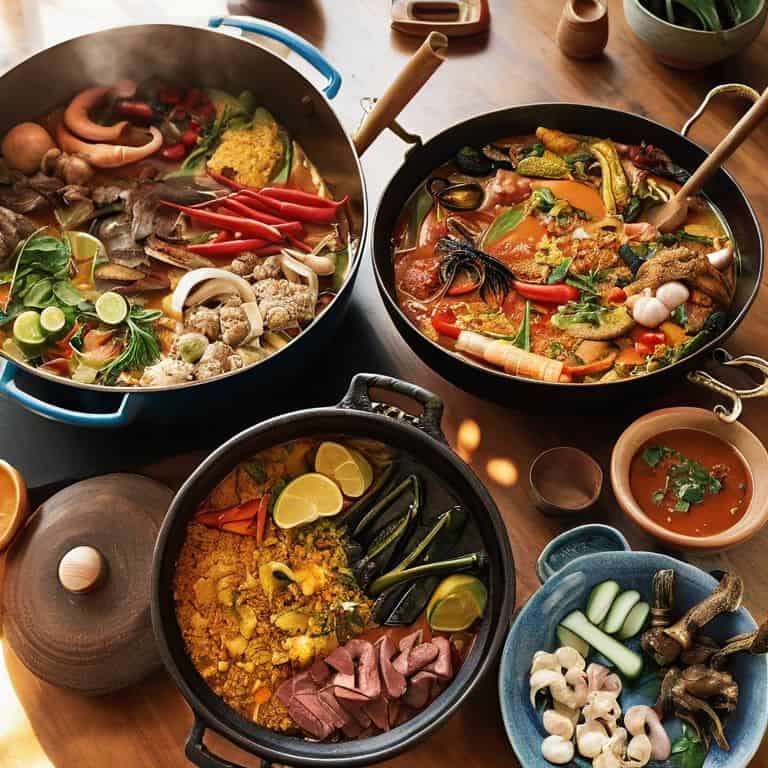
As I reflect on our culinary journey through international one-pot meals, I am reminded of the rich diversity that exists in the way we cook and share meals. From the hearty Japanese hot pot recipes to the aromatic Thai curry one pot dishes, each culture brings its unique twist to the art of simmering. I hope that through this article, I have inspired you to experiment with new flavors and ingredients, and to appreciate the stories behind each dish. Whether you’re a seasoned chef or a curious cook, the world of one-pot wonders is a boundless treasure trove of flavors and traditions waiting to be explored.
As we conclude our journey, I want to leave you with a final thought: the beauty of cooking lies not just in the recipes we follow, but in the memories we create and the stories we tell. So, go ahead and simmer those pots, fill your kitchen with the aromas of far-off lands, and remember that every dish is a thread in the tapestry* of our shared culinary heritage. Bon appétit, and let the flavors of the world be your guide on this delicious journey!
Frequently Asked Questions
What are some common ingredients used across different international one-pot meals?
The common threads that weave international one-pot meals together! You’ll often find aromatics like onions, garlic, and ginger, alongside proteins such as chicken, beef, or seafood. Global spices like cumin, coriander, and turmeric also make frequent appearances, while staples like rice, noodles, or potatoes provide hearty bases for these flavorful dishes.
How can I adapt traditional one-pot recipes to suit my dietary preferences and restrictions?
To adapt traditional one-pot recipes, I say, ‘get creative, amico!’ Swap out ingredients with alternatives that fit your dietary needs. For instance, trade chicken for tofu or use gluten-free soy sauce. My nonna used to say, ‘the kitchen is a laboratory,’ so don’t be afraid to experiment and make those old recipes shine with your own twist.
Are there any specific cooking techniques or utensils that are essential for preparing international one-pot meals?
As I delve into the world of international one-pot meals, I find that a good Dutch oven or clay pot is essential for even heat distribution. My vintage kitchen utensils collection also comes in handy, particularly my trusty wooden spoon and a well-worn mortar and pestle for grinding spices, just like Nonna taught me.