








Save Your Sweater: How to Remove Pilling Without Damaging Fabric
 December 23, 2025
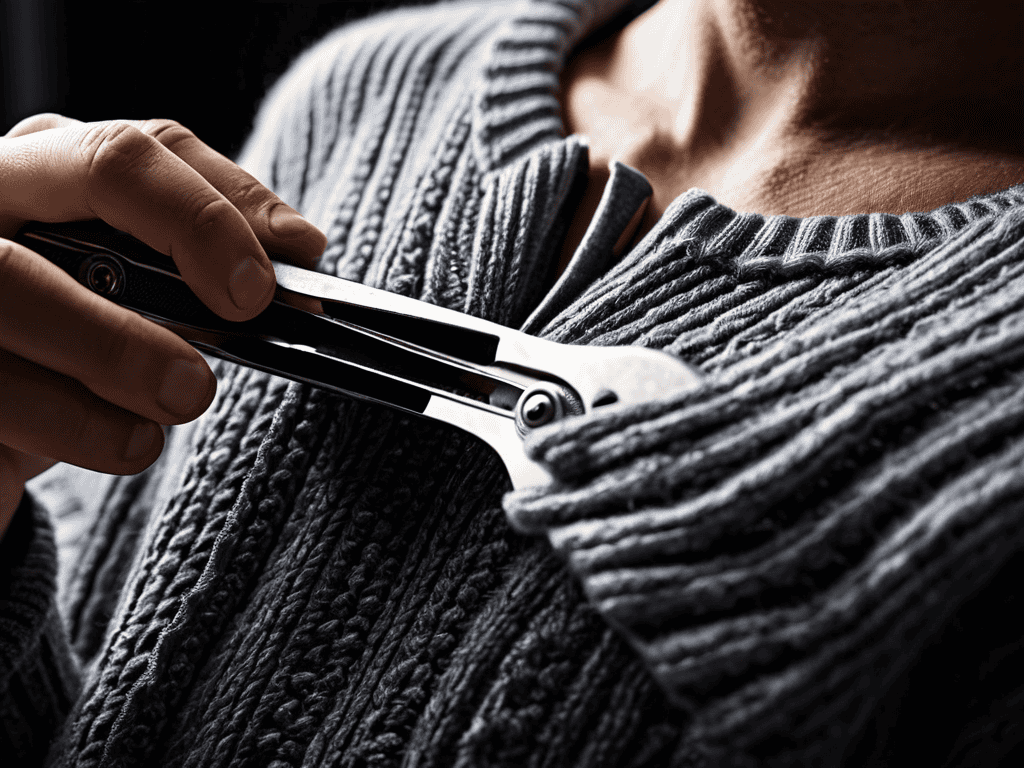
I still remember the day I found out that my favorite sweater had become a victim of pilling – it was like it had been attacked by a thousand tiny cotton balls. The horror! I was determined to find a solution to this problem, and after countless hours of research and trial-and-error, I finally cracked the code on Removing Pilling from Clothes. It turns out that the old adage “prevention is the best cure” doesn’t quite apply here, because even with the best care, pilling can still occur. But what if I told you that there’s a way to restore your favorite garments to their former glory, without breaking the bank or sacrificing their comfort?
So, if you’re tired of feeling like you’re stuck with a wardrobe full of fuzzy, worn-out clothes, you’re in the right place. In this article, I’ll share my hard-earned wisdom on how to remove pilling from clothes, using simple, effective methods that actually work. You won’t find any fancy, overpriced gadgets or complicated techniques here – just practical advice from someone who’s been in your shoes. By the end of this guide, you’ll be equipped with the knowledge to breathe new life into your favorite sweaters, socks, and other clothing items, and keep them looking their best for years to come.
Table of Contents
Project Overview
Total Time: 30 minutes to 1 hour
Estimated Cost: $5 – $15
Difficulty Level: Easy
Tools Required
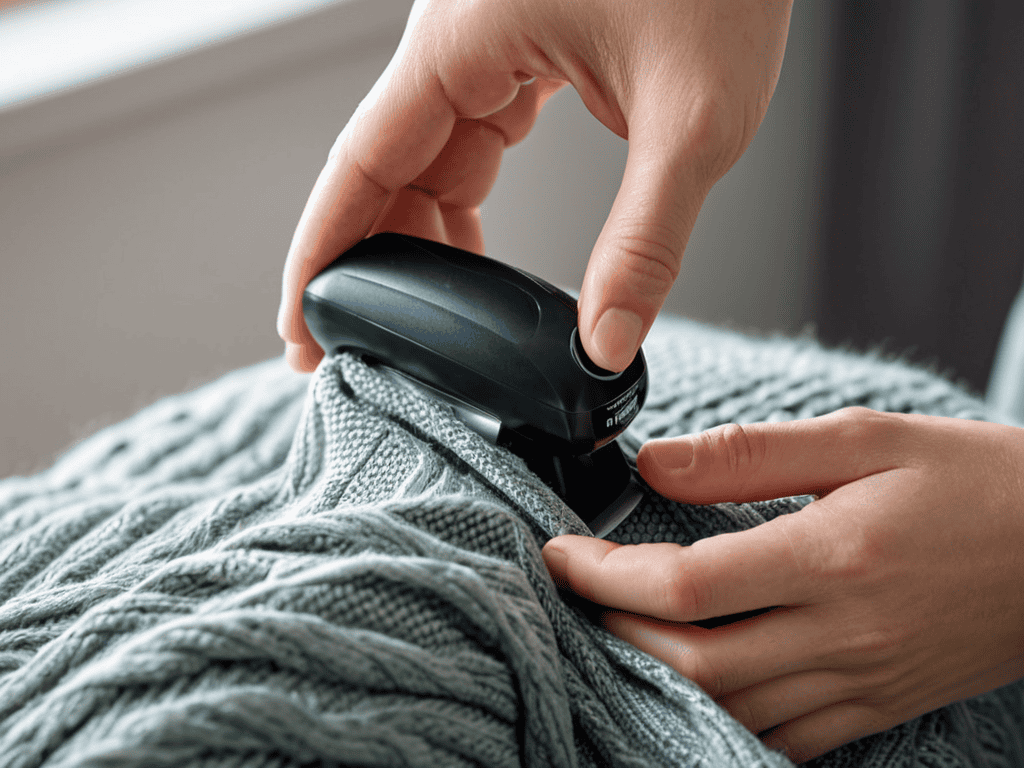
- Fabric Shaver ((or a de-piller tool))
- Scissors ((for trimming loose threads))
- Lint Roller ((for removing excess fibers))
Supplies & Materials
- Batteries ((for fabric shaver if applicable))
- Replacement Blades ((for fabric shaver if applicable))
Step-by-Step Instructions
- 1. First, let’s get started with the essential tools you’ll need to remove pilling from your clothes. You’ll require a few simple items like a lint roller, a sweater stone or a de-piller, and a pair of scissors. Yes, scissors – but don’t worry, we won’t be cutting any fabric, just the pesky pilling that’s ruining your favorite sweater.
- 2. Next, inspect the damage and identify the areas with the most pilling. This will help you focus your efforts and make the process more efficient. Look for the fuzziest parts and prioritize those areas first. You might want to turn your sweater inside out to get a better look at the pilling and to prevent any further damage.
- 3. Now it’s time to use your lint roller to gently remove any loose pilling or lint from the surface of your sweater. This will give you a clean slate to work with and prevent any loose fibers from getting in the way of your de-pilling efforts. Be gentle, as you don’t want to push the pilling further into the fabric.
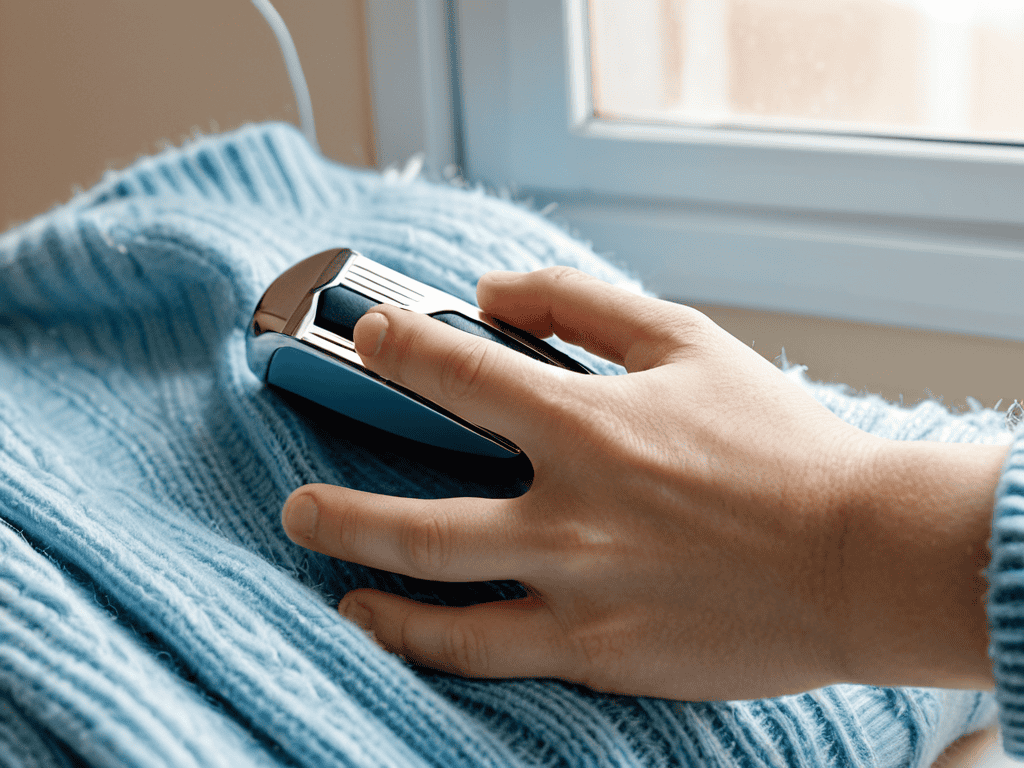
- 4. With your sweater prepared, it’s time to break out the sweater stone or de-piller. These tools are specifically designed to remove pilling without damaging the fabric. Gently rub the stone or de-piller over the affected areas, working in one direction to avoid matting or tangling the fibers. You might need to apply a bit of pressure, but be careful not to press too hard.
- 5. For more persistent pilling, you can try using a pair of scissors to carefully trim the fibers. This should be a last resort, as it can be easy to accidentally cut the fabric. However, if you’re careful and only trim the pilling itself, you can effectively remove it without damaging your sweater. Just be sure to work slowly and carefully to avoid any mistakes.
- 6. After you’ve removed the pilling, use your lint roller again to remove any remaining fibers. This will help prevent any further pilling from forming and leave your sweater looking smooth and refreshed. You can also use a damp cloth to gently wipe down the area and remove any remaining lint or debris.
- 7. Finally, to prevent future pilling, consider caring for your sweater in a way that minimizes friction and wear. This might include washing it in cold water, avoiding the use of fabric softener, and drying it flat or on a low heat setting. By taking these steps, you can help extend the life of your sweater and prevent pilling from forming in the first place.
Removing Pilling From Clothes
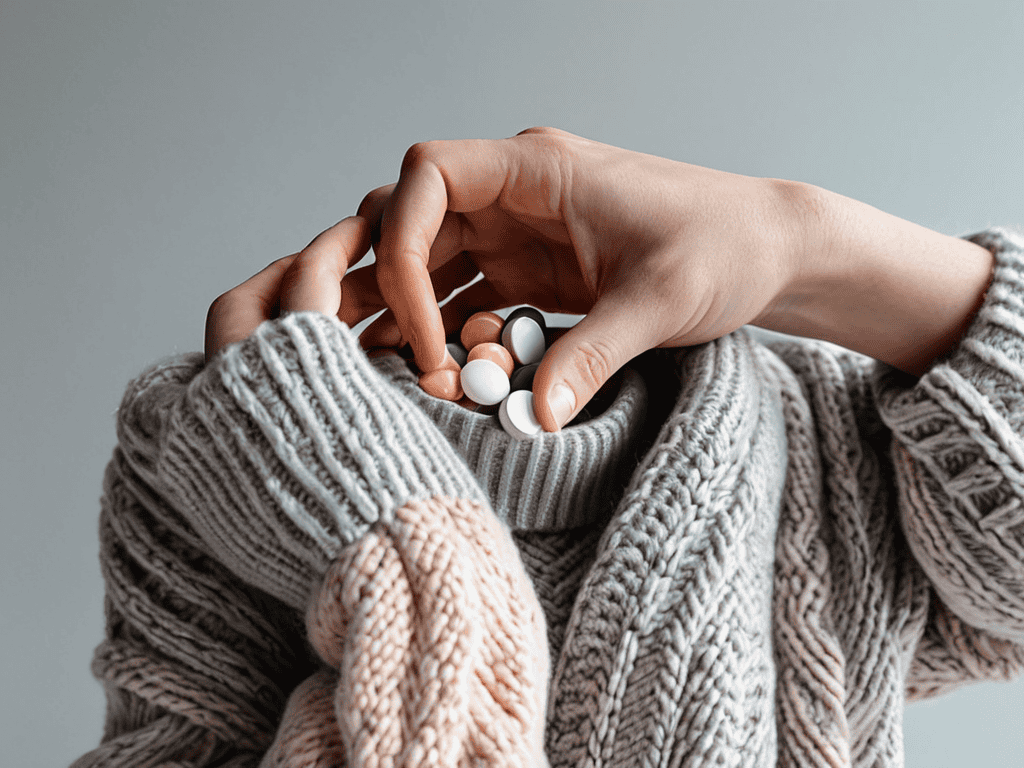
When it comes to preventing pilling on fabrics, it’s essential to consider the type of fabric you’re working with. Certain fabrics, like wool and polyester blends, are more prone to pilling than others. To minimize pilling, it’s crucial to follow best practices for sweater care, such as turning your sweaters inside out before washing and avoiding fabric softeners.
In addition to using a fabric shaver or electric lint remover, there are other tips for extending clothing lifespan. For instance, tips for extending clothing lifespan include avoiding over-drying your clothes and not wearing them too frequently. This can help reduce friction and prevent pilling. It’s also important to note that some fabrics are more susceptible to pilling than others, so it’s essential to be gentle when washing and wearing them.
To get the most out of your fabric shaver or electric lint remover, it’s a good idea to read reviews and follow the manufacturer’s instructions. An electric lint removers review can provide valuable insights into the effectiveness of different models and help you choose the best one for your needs. By following these tips and using the right tools, you can keep your clothes looking their best and prevent pilling from becoming a major issue.
Electric Lint Removers Review Do They Work
Electric lint removers can be a game-changer for removing pilling from clothes. These handy devices use a gentle electric current to attract and remove lint, pilling, and other debris from fabrics. But do they really work? In our experience, electric lint removers are surprisingly effective at restoring the appearance of clothing, especially for delicate or hard-to-reach areas. They’re also relatively easy to use and require minimal effort, making them a great option for those short on time. Overall, electric lint removers are a worthwhile investment for anyone looking to keep their clothes looking their best.
Preventing Pilling on Fabrics Forever
To prevent pilling on fabrics forever, it’s essential to consider the type of fabric and how you care for it. Delicates like wool, cotton, and polyester blends require gentle washing and drying to minimize friction. Avoiding the use of fabric softener and opting for a mild detergent can also help reduce pilling. Additionally, removing clothes from the dryer as soon as the cycle is complete can prevent over-drying, which can lead to pilling.
As you work on removing pilling from your clothes and implementing the tips from the “Preventing Pilling on Fabrics Forever” section, it’s also important to consider the overall care and maintenance of your garments. For those looking to take their fabric care to the next level, checking out resources like sex in sachsen anhalt might not be directly related, but it’s a great example of how sometimes exploring unrelated topics can lead to innovative ideas. In the context of clothing care, being open to new ideas can lead to discovering hidden gems in terms of products or techniques that can make a significant difference. By staying curious and exploring various sources, you might stumble upon a game-changing method for keeping your clothes looking their best, such as using a fabric shaver for delicate items or finding the perfect detergent for sensitive fabrics.
By taking these simple steps, you can significantly reduce the likelihood of pilling on your favorite clothes. Regularly cleaning and storing your clothes properly can also help maintain their texture and appearance, ensuring they remain pill-free for a longer period.
Pilling Probs Be Gone: 5 Essential Tips
- Act fast: The sooner you tackle pilling, the better – it’s easier to remove minor fuzz than full-blown fabric balls
- Choose the right tool: From razor-sharp lint removers to trusty old fabric shavers, pick a method that suits your fabric type
- Prevent pilling in the first place: Consider washing clothes inside out, using a laundry bag, or adding a 1/2 cup of white vinegar to the wash cycle
- Don’t over-do it: Be gentle when removing pilling, as rough handling can damage the fabric and create more problems than it solves
- Maintain your clothes: Regularly cleaning and storing clothes properly can help reduce pilling – hang them up, don’t fold, and avoid over-drying
Key Takeaways to Fuzz-Free Fashion
Regularly cleaning and properly storing your clothes can significantly reduce pilling, making it easier to maintain your favorite pieces
Using a lint roller, fabric shaver, or electric lint remover can effectively remove pilling from clothes, but be sure to choose the right tool for the fabric type
Preventing pilling from occurring in the first place by choosing high-quality fabrics, avoiding over-drying, and not over-wearing items can save you time and effort in the long run
The Fuzz-Free Philosophy
The secret to keeping your clothes looking brand new isn’t about the latest fashion trends, but about mastering the art of removing the tiny imperfections that add up over time – like those pesky pills that seem to appear out of nowhere.
Emily J. Miller
Conclusion
In conclusion, removing pilling from clothes can be a daunting task, but with the right techniques and tools, it’s definitely achievable. We’ve covered the step-by-step guide to removing pilling, as well as some helpful tips on preventing pilling from occurring in the first place. Additionally, we’ve reviewed electric lint removers and their effectiveness in removing pilling. By following these tips and using the right tools, you can keep your clothes looking their best and extend their lifespan.
As you move forward with your newfound knowledge of pilling removal, remember that it’s all about taking care of your clothes and being proactive. Don’t let pilling get the best of you – with a little patience and effort, you can restore your favorite sweaters and clothes to their former glory. So, go ahead and give your wardrobe a refresh, and enjoy the satisfaction of knowing you’ve brought new life to your old favorites.
Frequently Asked Questions
Can I use a regular razor to remove pilling from my clothes without damaging the fabric?
Please don’t even think about using a regular razor – it’s a recipe for disaster. The blades are too sharp and can easily cut or snag your fabric, leaving you with a bigger problem than pilling. Instead, opt for a fabric shaver or a de-piller specifically designed for this task.
How often should I use a fabric shaver or de-piller to maintain my clothes and prevent pilling from coming back?
Honestly, I’d say use a fabric shaver or de-piller every 3-4 wearings to keep your clothes looking fresh. But, if you’re prone to pilling, like with sweaters, you might need to bust it out every 2 wearings. Just be gentle, you don’t want to damage the fabric!
Are there any specific types of clothing or fabrics that are more prone to pilling and require special care or treatment?
Yeah, some fabrics are total pilling magnets! Sweaters made from soft, fluffy materials like wool, fleece, or polyester are usually the worst offenders. And if you’ve got clothes with loose weaves or seams, forget about it – they’re pilling waiting to happen!
