








Maintaining a Healthy Ecosystem in Your Backyard Pond
 January 29, 2026
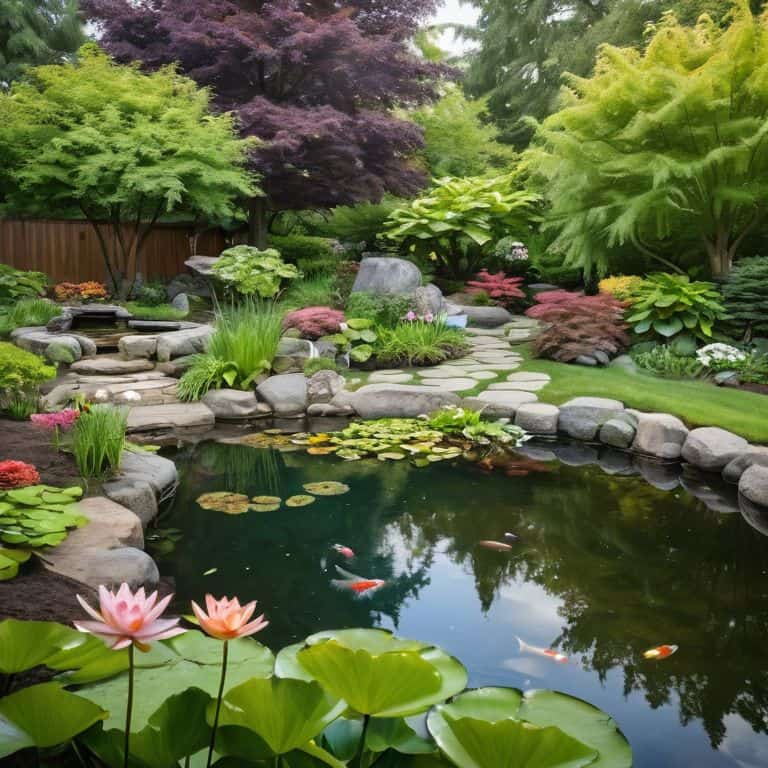
As I stand at the edge of my own backyard pond, surrounded by the lush greenery of Oregon’s countryside, I’m reminded of the common myth that backyard pond maintenance is a daunting, time-consuming task. But I’m here to tell you that it’s simply not true. With the right approach, nurturing your pond can be a therapeutic and rewarding experience, much like tending to my beloved bonsai landscapes. I’ve learned to listen to the rhythm of nature, and I’ve found that a well-maintained pond can be a haven for both wildlife and the human spirit.
In this article, I’ll share my personal experiences and practical advice on how to make backyard pond maintenance a breeze. You’ll learn the essential tips and tricks for keeping your pond thriving, from water quality management to plant selection and upkeep. I’ll guide you through the process with the same care and attention that I give to my trusty garden tools, which I’ve lovingly named and rely on to help me bring my garden visions to life. By the end of this journey, you’ll be equipped with the knowledge and confidence to create a serene and flourishing oasis in your own backyard, one that will bring you joy and peace for years to come.
Table of Contents
- Guide Overview: What You'll Need
- Step-by-Step Instructions
- Embracing Backyard Pond Maintenance
- Breathing Life Into Stagnation Pond Aeration Systems
- Whispers From the Waters Edge Algae Control Secrets
- Ripples of Wisdom: 5 Essential Backyard Pond Maintenance Tips
- Nurturing Serenity
- Nurturing Serenity: A Lasting Reflection
- Frequently Asked Questions
Guide Overview: What You'll Need
Total Time: 1 hour 30 minutes
Estimated Cost: $50 – $100
Difficulty Level: Intermediate
Tools Required
- Pond skimmer for removing debris
- Pond vacuum for cleaning the pond floor
- Water test kit for checking water quality
- Garden hose for filling and cleaning the pond
- Pruning shears for trimming plants
Supplies & Materials
- Pond filter media for replacing old media
- Beneficial bacteria for maintaining water quality
- Algae control products for managing algae growth
- Pond liner patch kit for repairing leaks
- Gravel or rocks for maintaining a 2-in layer at the pond bottom
Step-by-Step Instructions
- 1. First, let’s start with the foundation of a healthy pond: regular water testing. I grab my trusty water test kit, which I’ve named “Hydro,” and begin by checking the pH levels, ammonia, and nitrite levels. This step is crucial in maintaining a balanced ecosystem, and I find that talking to Hydro as I work helps me stay focused on the task at hand.
- 2. Next, I move on to cleaning the pond’s filter system. I’ve given my filter cleaning tool the name “Finley,” and I must say, Finley has become quite the reliable companion over the years. Together, we remove any debris or buildup that might be obstructing the flow of water, making sure to rinse Finley thoroughly after each use to keep the process smooth and efficient.
- 3. Now, it’s time to tackle the pond’s surroundings. I like to think of this step as pruning with purpose, as I carefully trim back any overgrown plants or trees that might be shading the pond or disrupting the natural flow of water. My pruning shears, “Snippy,” are always by my side, and I find that working in tandem with Snippy helps me stay mindful of the delicate balance between the pond and its environment.
- 4. The fourth step involves introducing beneficial bacteria to the pond. I’ve named my bacteria supplement “Bloom,” and I must say, Bloom has been a game-changer in maintaining the pond’s ecological balance. By adding Bloom to the water, I’m able to support the growth of beneficial microorganisms that help break down waste and keep the pond clean.
- 5. As I continue with the maintenance, I move on to checking the pond’s lining for any signs of damage or wear. My trusty patching kit, “Mender,” is always at the ready, and I take my time to carefully inspect the lining, looking for any subtle signs of leakage or weakness. If I find any issues, I work with Mender to apply the necessary patches and ensure the pond remains secure.
- 6. The sixth step is all about monitoring the pond’s inhabitants. I take a moment to observe the fish, plants, and other aquatic life, making sure they’re all thriving in their environment. I’ve named my fish net “Swooper,” and I use Swooper to gently scoop up any debris or excess food that might be affecting the pond’s water quality.
- 7. Finally, I end my maintenance routine by performing a partial water change. I’ve named my water pump “Gusher,” and together, we carefully drain and replace a portion of the pond’s water, making sure to introduce fresh water slowly to avoid shocking the system. This step is crucial in maintaining optimal water quality and keeping the pond’s ecosystem in balance.
Embracing Backyard Pond Maintenance
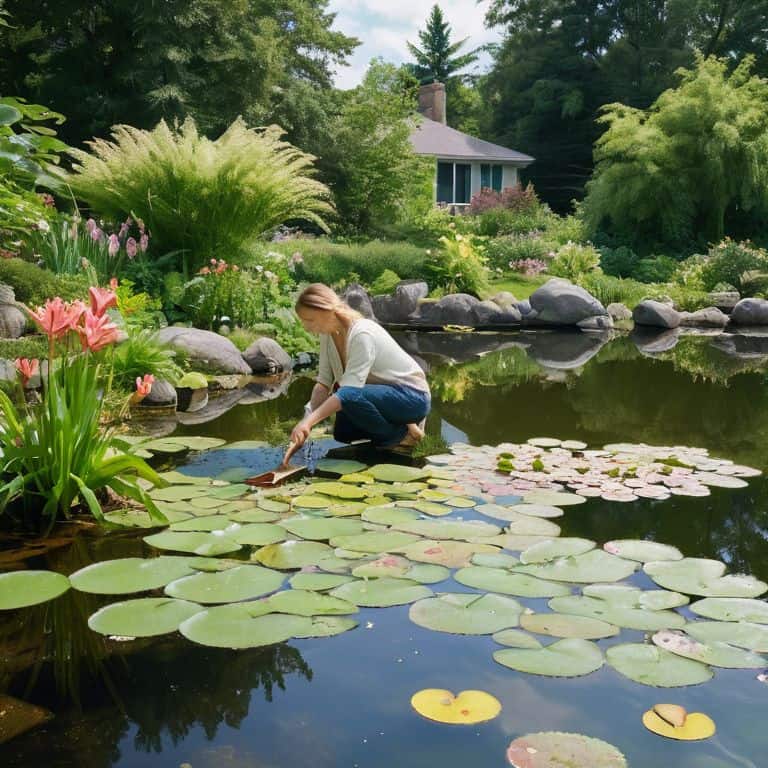
As I tend to my own pond, I’ve come to realize the importance of algae control methods in maintaining a healthy ecosystem. My trusty tool, “Algaea,” a gentle algae scraper, has become an essential companion in this endeavor. By incorporating regular cleaning and monitoring into my routine, I’ve been able to prevent unsightly blooms and keep the water crystal clear. It’s a delicate balance, but one that’s well worth the effort.
In addition to manual maintenance, I’ve also invested in a pond aeration system, which has made a significant impact on the overall health of my pond. By increasing oxygen levels and circulation, I’ve noticed a marked reduction in algae growth and a significant improvement in water clarity. It’s amazing how such a simple addition can have a profound effect on the entire ecosystem.
As I work, I often chat with my tools, including “Benny,” my beneficial bacteria dispenser, reminding him to do his job in keeping the pond’s ecosystem in check. By embracing these small moments and ecosystem friendly pond products, I’ve found that maintaining my pond has become a labor of love, rather than a chore. With the right tools and a little know-how, anyone can create a thriving oasis in their own backyard.
Breathing Life Into Stagnation Pond Aeration Systems
As I tend to my own backyard pond, I’ve come to realize the importance of aeration in keeping the water healthy and thriving. My trusty aerator, which I’ve lovingly named “Breezy,” has been a game-changer in maintaining the delicate balance of my pond’s ecosystem. By introducing oxygen into the water, Breezy helps to prevent stagnation and keeps my pond’s inhabitants happy and healthy. I’ve seen a noticeable difference in the clarity of the water and the overall vitality of the plants and animals that call my pond home.
I often talk to Breezy as I work, encouraging her to keep up the good work, and I swear she performs better when acknowledged. With a gentle hum, she brings new life to the pond, creating a soothing melody that seems to harmonize with the rustling of leaves and the chirping of birds. It’s moments like these that remind me why I’m so passionate about creating thriving ecosystems, and I hope to inspire you to do the same in your own backyard sanctuary.
Whispers From the Waters Edge Algae Control Secrets
As I tend to my own backyard pond, I’ve come to realize that algae control is an ongoing waltz between nature and nurture. My trusty tool, Bertha the brush, and I work together to gently remove any excess growth, allowing the water to breathe and the ecosystem to flourish. It’s a delicate balance, one that requires patience and a gentle touch.
In my experience, introducing beneficial bacteria and plants like water lilies or cattails can help keep algae at bay. I’ve found that these natural solutions, combined with regular water testing and adjustments, can create a harmonious environment where all elements thrive. By embracing this dance between nature and maintenance, you’ll find that your backyard pond becomes a serene oasis, teeming with life and beauty.
Ripples of Wisdom: 5 Essential Backyard Pond Maintenance Tips
- Listen to the Water: Regularly check your pond’s water level, as a sudden drop can indicate a leak, and my trusty friend ‘Digger’ the shovel is always ready to help me investigate
- Nourish the Balance: Feed your pond’s ecosystem with a balanced diet of beneficial bacteria and nutrients, much like I feed my bonsai trees with carefully crafted fertilizers
- Let There Be Light: Ensure your pond receives adequate sunlight, but also provide shade for your aquatic friends, just as the trees in my favorite hiking trails provide shelter from the sun
- Tool Tales: Keep your pond’s surroundings tidy, and give your tools, like my loyal ‘Pruner’ pruning shears, a good cleaning after each use to prevent the spread of disease
- Observe and Adapt: Take time to sit by your pond, observe its rhythms, and adjust your maintenance routine accordingly, for as I’ve learned from my parents’ organic farm, every ecosystem is unique and deserving of personalized care
Nurturing Serenity
As we tend to our backyard ponds, we’re not just maintaining a body of water, we’re orchestrating a symphony of life, where every ripple, every bloom, and every song of the surrounding wildlife is a testament to the harmony we’ve created between nature and our own backyard sanctuaries.
Dylan Thompson
Nurturing Serenity: A Lasting Reflection
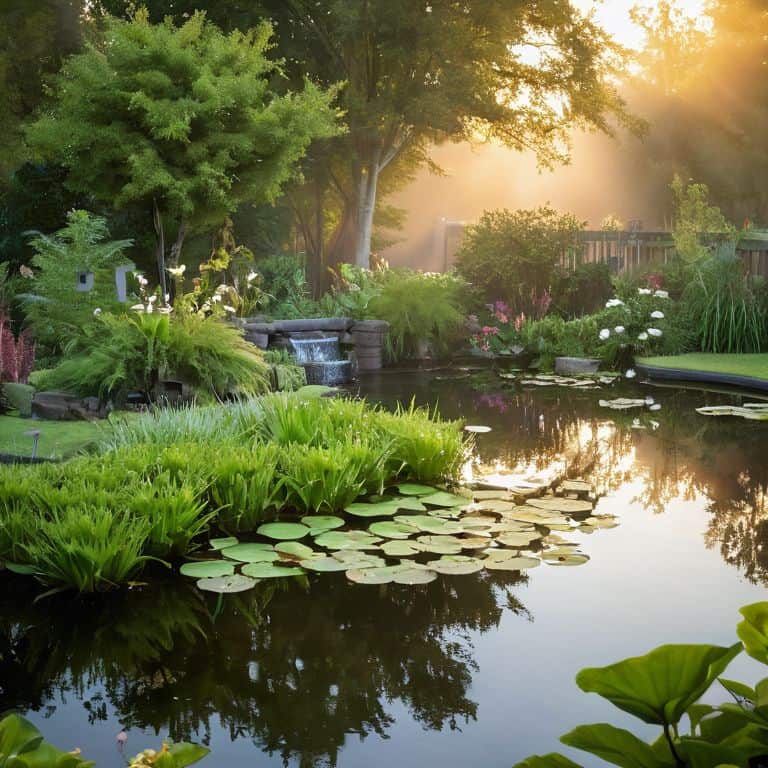
As we conclude our journey through the world of backyard pond maintenance, let’s take a moment to reflect on the key takeaways. We’ve delved into the nitty-gritty of keeping your pond thriving, from embracing maintenance as a mindful practice to tackling specifics like algae control and pond aeration systems. These elements, when combined, create a harmonious ecosystem that not only beautifies your outdoor space but also provides a serene escape from the hustle and bustle of daily life. By adopting these practices, you’re not just a homeowner; you’re a guardian of a small, vibrant world.
As you stand by the edge of your backyard pond, listening to the gentle lap of the water against the shore, remember that every stone, every plant, and every ripple is a part of a larger tapestry – one that you’ve carefully woven. In this peaceful sanctuary, time stands still, and the beauty of nature is palpable. So, let’s cherish these green oases, nurture them with love and care, and allow them to inspire us to live in greater harmony with the natural world, one breathtaking moment at a time.
Frequently Asked Questions
What are some natural methods for controlling algae growth in my backyard pond?
My trusty tool, Luna the skimmer, and I have battled algae blooms together. For natural control, I swear by barley straw, which releases compounds that inhibit algae growth. I also recommend introducing beneficial bacteria, like those found in eco-friendly pond treatments, to maintain a balanced ecosystem and keep algae at bay.
How often should I clean my pond's filter to ensure optimal water quality?
My friend, I’m glad you asked! I clean my pond’s filter about every 2-3 weeks, or as needed, depending on the season. My trusty filter-cleaning companion, ‘Bristle,’ helps me get the job done. Regular cleaning ensures optimal water quality and keeps my pond thriving, just like the ones I’ve hiked to in Oregon’s wilderness.
What are the benefits of installing a pond aeration system, and how does it impact the overall ecosystem of my backyard pond?
Installing a pond aeration system is like giving your pond a gentle stir, awakening the water to new life. It boosts oxygen levels, reduces stagnation, and creates a healthier environment for aquatic friends, like my trusty pond skimmer, Bertha, who helps me keep the water crystal clear.